

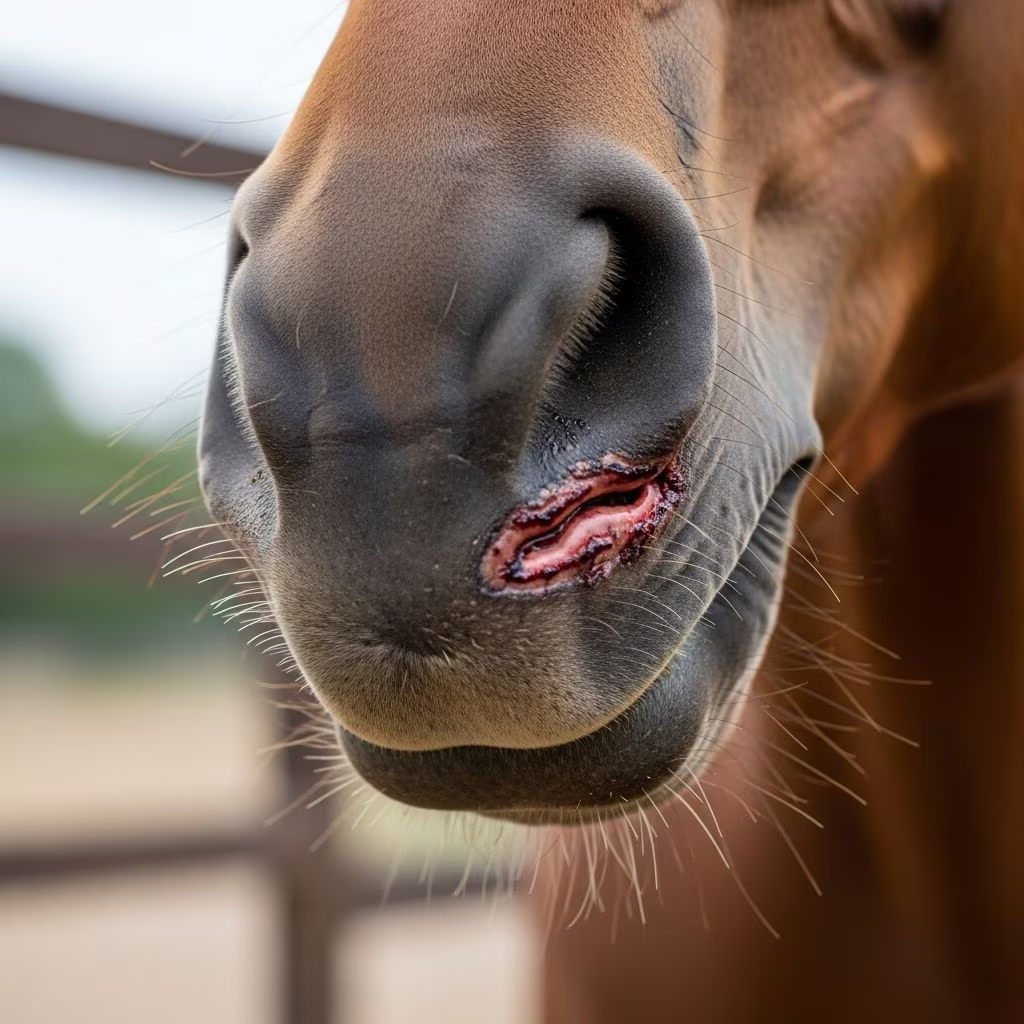
Lip lacerations represent a frequent yet manageable issue in large animals such as horses, cattle, sheep, and goats, often stemming from traumatic events in farm or pasture settings. These injuries demand prompt attention to minimize infection risks and support proper healing, preserving essential functions like eating and drinking.
Common Origins of Lip Trauma
Trauma to the lips in large animals typically arises from environmental hazards or interactions with handlers and machinery. For instance, horses frequently suffer cuts from wire fencing, barn doors, or during transport when heads collide with metal bars. Cattle may incur damage from struggling against restraints during milking or dehorning procedures, while bites from predators like dogs add another layer of risk in open grazing areas.
Vehicular incidents, though less common in large species compared to small pets, occur when animals escape enclosures and encounter roads. Mechanical injuries from farm equipment, such as hay balers or feeders with sharp edges, also contribute significantly. Understanding these origins helps in implementing preventive measures early.
Spotting the Signs of Lip Damage
Owners should watch for immediate indicators like profuse bleeding, swelling around the mouth, or the animal dropping food due to pain. Affected lips may appear torn, with exposed tissue or jagged edges, and animals often salivate excessively or resist handling the head region. In severe cases, deeper wounds expose underlying muscle or bone, increasing complication chances.
- Bleeding: Bright red blood from superficial cuts or darker venous flow from deeper tears.
- Swelling and bruising: Rapid puffiness that hinders jaw movement.
- Behavioral shifts: Reluctance to eat roughage, head shaking, or isolation.
- Associated damage: Fractured teeth or jaw involvement in high-impact traumas.
Early detection is crucial, as delays can lead to tissue necrosis or bacterial invasion from the mouth’s natural flora.
Initial Response and Stabilization
Upon discovery, isolate the animal in a calm, clean stall with soft bedding to prevent further injury. Apply gentle pressure using clean gauze or towels to control bleeding without causing additional trauma. Avoid forcing the mouth open; instead, offer soft feeds like soaked hay or mashes to maintain nutrition. Administer broad-spectrum antibiotics if a veterinarian cannot attend immediately, alongside anti-inflammatories for pain relief.
Never use home remedies like hydrogen peroxide, which can harm healing tissues. Transport to a clinic only if stable, securing the head to avoid rubbing against surfaces.
Surgical Approaches to Repair
Veterinary intervention focuses on thorough cleaning, debridement of dead tissue, and precise closure. Under sedation or general anesthesia, the wound undergoes copious lavage with sterile saline or dilute antiseptics to flush contaminants. Damaged edges are trimmed to promote clean apposition.
Suturing employs absorbable materials in layered fashion: mucosa first, then muscle, and skin last. Techniques vary by severity:
| Injury Type | Suture Method | Additional Support |
|---|---|---|
| Superficial tear | Simple interrupted | Local blocks for pain |
| Full-thickness laceration | Horizontal mattress | Tension-relieving stents |
| Extensive avulsion | Intraosseous anchoring | Drains and flaps |
For horses, tension sutures rostral to the injury site, bolstered by stents, counter pulling forces during grazing. Intraosseous wires or sutures anchor severe lower lip defects to the mandible, ensuring stability. Flap reconstructions mobilize adjacent healthy tissue for substantial losses, prioritizing function over cosmetics.
Post-Operative Management Essentials
Recovery hinges on a structured aftercare plan. Confine to a box stall for 7-14 days, offering softened feeds to reduce tension on sutures. Monitor daily for dehiscence, discharge, or fever, cleaning the area gently with saline. Antibiotics continue for 5-7 days, paired with NSAIDs like phenylbutazone for horses.
Elizabethan collars or muzzles prevent self-trauma, though large animals may require head ties. Suture removal occurs at 10-14 days for skin, earlier for oral layers. Nutritional support via soaked pellets ensures caloric intake without mechanical stress.
Potential Complications and Solutions
While prognosis excels with timely care, setbacks like wound breakdown (up to 20% in some series) arise from tension or contamination. Infections manifest as pus or foul odor, treated by reopening, re-debriding, and extending antibiotics. Rare long-term issues include scarring impairing lip mobility or salivary fistulas from duct damage.
Chronic cases may need revision surgery, such as duct stenting for fistulas. Overall, 90%+ achieve full function without lasting deficits when managed aggressively.
Species-Specific Considerations
Horses
Equine lips endure high tension from constant motion; repairs emphasize reinforcement. Upper lip injuries from bits or fences heal faster than lower ones prone to dragging.
Cattle and Small Ruminants
Cows face risks during handling; their thicker lips tolerate minor tears better but demand vigilance against myiasis in warm climates. Goats and sheep often self-inflict via horns or fighting.
Preventive Strategies for Farm Safety
Proactive steps drastically cut incidence. Inspect fencing for barbs, pad trailer dividers, and train handlers in low-stress restraint. Routine dental checks catch sharp teeth causing self-lacerations. Pasture audits remove debris, and predator deterrents safeguard herds.
Educating staff on trauma recognition fosters rapid response, blending vigilance with infrastructure upgrades.
FAQs on Lip Lacerations in Large Animals
What should I do if my horse has a cut lip?
Clean gently, control bleeding, and call a vet immediately for sedation and suturing to prevent infection.
How long does recovery take?
Most heal in 2-4 weeks with proper care, returning to normal activity gradually.
Can lip injuries affect eating?
Yes, pain and swelling may cause weight loss; provide soft feeds during healing.
Are antibiotics always needed?
Typically yes, due to oral bacteria, but follow vet dosing precisely.
What if the wound reopens?
Return for re-evaluation; second-intention healing may be considered for small gaps.
References
- Clinical Presentation, Causes, Treatment, and Outcome of Lip Avulsions in Dogs and Cats — Frontiers in Veterinary Science. 2018-07-06. https://www.frontiersin.org/journals/veterinary-science/articles/10.3389/fvets.2018.00144/full
- Clinical Presentation, Causes, Treatment, and Outcome of Lip Avulsions — PMC/NCBI. 2018. https://pmc.ncbi.nlm.nih.gov/articles/PMC6043682/
- Scratches, Cuts & Lacerations – What should you do? — Frontier Veterinary. N/A. https://frontiervet.com/blog/scratches-cuts-lacerations-what-should-you-do/
- Management of Wounds of the Head — Veterian Key. N/A. https://veteriankey.com/11-management-of-wounds-of-the-head/
- How Laceration Repair Saves Pets: Inside Urgent Care Surgery — Vet Check for Pets. N/A. https://www.vetcheckforpetsfishers.com/blog/how-laceration-repair-saves-pets-inside-urgent-care-surgery



