

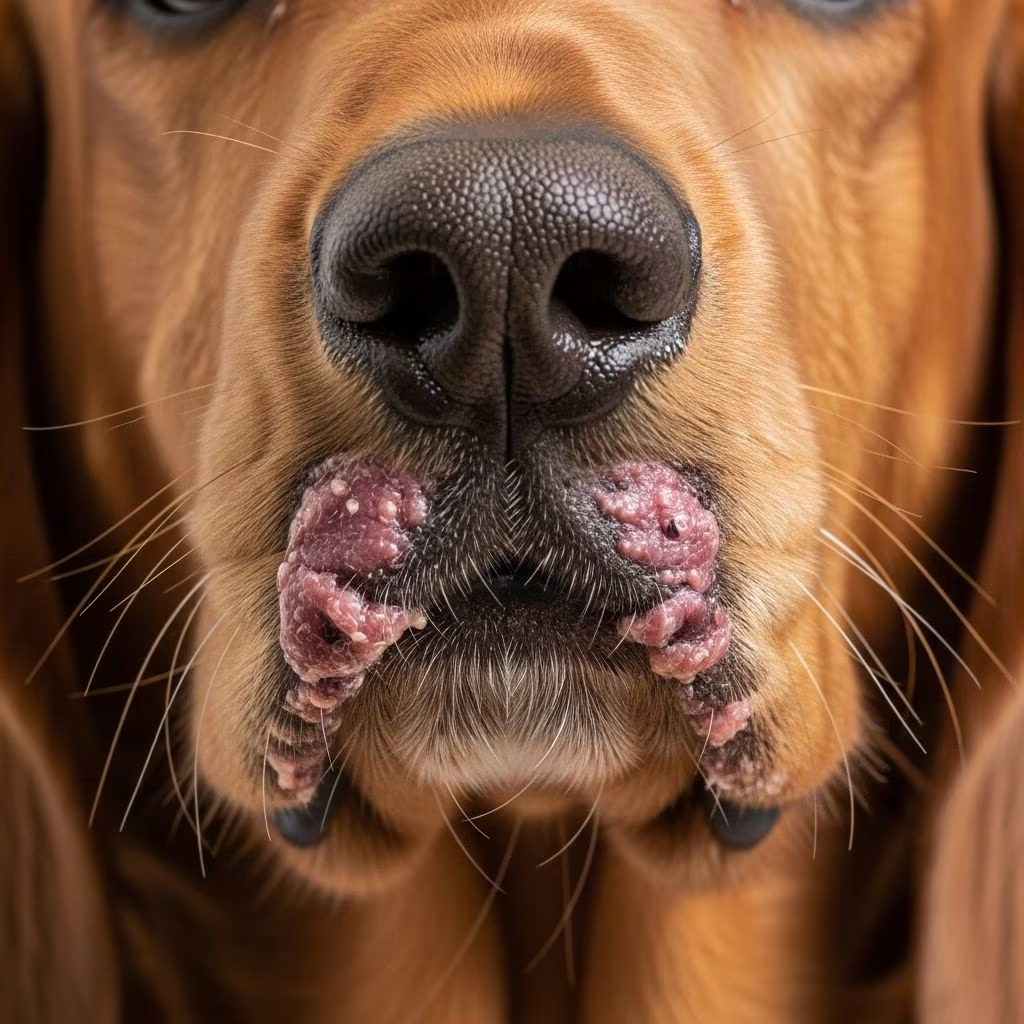
Lip fold dermatitis is a prevalent skin condition in dogs characterized by inflammation and infection in the folds of skin around the lips, often resulting in foul odors and discomfort.This issue primarily affects breeds with loose, droopy facial skin, creating moist environments where bacteria thrive.
Understanding the Anatomy Behind the Problem
Dogs with pronounced lip folds have excess skin that traps saliva, food particles, and debris. These areas remain damp, fostering bacterial and yeast overgrowth, which leads to irritation and infection known as pyoderma. Unlike general bad breath, the odor from lip fold dermatitis persists even when the mouth is closed, distinguishing it from dental issues.
The condition stems from frictional trauma between skin surfaces, compounded by poor ventilation in deep creases. In breeds like English Bulldogs or Basset Hounds, selective breeding for wrinkled faces exacerbates this risk.
Breeds Most Susceptible to Lip Fold Issues
Certain dog breeds are genetically predisposed due to their facial structure. Shar Peis, with their extreme wrinkling, often suffer from mucin deposition that deepens folds. Other common victims include:
- English Bulldogs and French Bulldogs
- Basset Hounds and Bloodhounds
- Spaniels and Saint Bernards
- Mastiffs and Neapolitan Mastiffs
These breeds’ droopy muzzles and saggy lips create ideal breeding grounds for microbes, especially if drooling is excessive.
Recognizing Early Warning Signs
Early detection prevents escalation to chronic pyoderma. Key symptoms include:
- Foul, musty odor emanating from the mouth area, often mistaken for halitosis
- Redness, swelling, or raw skin within lip creases
- Discharge that mats fur, appearing yellowish or brownish
- Excessive pawing, rubbing, or scratching at the face
- Reluctance to eat or hypersalivation
If untreated, symptoms worsen, leading to open sores, pain, and secondary infections.
Causes and Contributing Factors
While anatomy is primary, other factors amplify risk:
| Factor | Description | Impact |
|---|---|---|
| Moisture Trapping | Saliva and food residue in folds | Promotes bacterial growth |
| Poor Hygiene | Inadequate cleaning of creases | Leads to chronic inflammation |
| Allergies | Food or environmental triggers | Increases skin sensitivity |
| Obesity | Extra skin folding | Worsens moisture retention |
| Underlying Diseases | Autoimmune or hormonal issues | Predisposes to recurrent cases |
Bacterial overgrowth, particularly Staphylococcus, dominates, but yeast like Malassezia can contribute.
Diagnosis: What to Expect at the Vet
Veterinarians diagnose through visual exam, skin cytology (scraping for microbes), and sometimes bacterial cultures. They differentiate from allergies, dental disease, or cheilitis (lip edge inflammation). Chronic cases may involve biopsy to rule out tumors or autoimmune conditions.
Effective Treatment Strategies
Treatment combines cleaning, medications, and lifestyle changes. A multi-step approach yields best results:
- Daily Cleaning: Gently wipe folds with antiseptic solutions like chlorhexidine. Dry thoroughly.
- Topical Therapies: Antibiotic or antifungal creams for mild cases.
- Oral Medications: Antibiotics (e.g., cephalexin) for pyoderma; anti-inflammatories for pain.
- Shaving Folds: In severe, recurrent cases to improve airflow.
Monitor progress weekly; full resolution may take 2-4 weeks.
Advanced Option: Surgical Intervention
When conservative measures fail, lip fold resection surgery removes excess skin, eliminating infection-prone areas. Ideal for deep creases or persistent pyoderma, it also reduces drooling. Recovery involves 10-14 days of e-collar use and antibiotics. Success rates exceed 90% in suitable candidates, per veterinary reports.
Prevention: Keeping Folds Healthy Long-Term
Proactive care minimizes recurrence:
- Clean lip folds daily after meals using hypoallergenic wipes.
- Use stainless steel bowls to avoid plastic allergies.
- Maintain ideal weight to reduce skin overlap.
- Regular vet check-ups for early intervention.
- Consider hypoallergenic diets if allergies suspected.
Owners of predisposed breeds should integrate fold maintenance into routines, akin to ear cleaning in floppy-eared dogs.
Home Remedies and Natural Supports
Complement vet care with safe options:
- Diluted apple cider vinegar wipes (1:1 with water) for mild odor control.
- Coconut oil as a moisturizer post-cleaning to prevent cracking.
- Probiotic supplements to balance skin flora.
Always patch-test and consult vets before use.
Potential Complications if Ignored
Untreated dermatitis progresses to deep pyoderma, cellulitis, or sepsis. Chronic cases cause scarring, permanent odor, and pain-induced behavioral changes like aggression or withdrawal. In rare instances, it spreads systemically, requiring hospitalization.
FAQs on Lip Fold Dermatitis
Is lip fold dermatitis contagious?
No, it’s not transmissible between dogs or to humans; it’s due to individual anatomy and hygiene.
How long does treatment take?
Mild cases resolve in 1-2 weeks; severe or surgical cases need 4-6 weeks.
Can diet influence this condition?
Yes, allergies to ingredients can worsen inflammation; hydrolyzed diets help.
Is surgery always necessary?
No, most cases respond to hygiene and meds; surgery for refractory instances.
What if my dog has no lip folds but smells bad?
Rule out dental disease, gastrointestinal issues, or other fold dermatitis (e.g., tail).
Comparing Lip Fold Dermatitis to Other Skin Folds
| Fold Type | Common Breeds | Key Symptoms |
|---|---|---|
| Lip | Bulldogs, Shar Peis | Odor, swollen lips |
| Facial | Pugs, Bulldogs | Eye/nose irritation |
| Tail | Bulldogs, Spaniels | Rubbing, scooting |
| Vulvar | Overweight females | UTIs, licking |
Lip folds uniquely mimic bad breath, aiding differentiation.
References
- Dog Lip Fold Dermatitis: Why It Smells Like Bad Breath — Natural Dog Company. 2023. https://naturaldog.com/blogs/whole-dog-health/stinky-lip-fold-dermatitis
- Disorders of the Mouth in Dogs — Merck Veterinary Manual. 2024-02-01. https://www.merckvetmanual.com/dog-owners/digestive-disorders-of-dogs/disorders-of-the-mouth-in-dogs
- Fold Dermatitis in Dogs — WagWalking. 2023. https://wagwalking.com/condition/fold-dermatitis
- Skin Fold Dermatitis in Dogs — PDSA. 2024. https://www.pdsa.org.uk/pet-help-and-advice/pet-health-hub/conditions/skin-fold-dermatitis-in-dogs
- Facial Fold Dermatitis in Bulldogs — Sacramento Broadway Veterinary Hospital. 2023. https://www.sacbroadwayvet.com/blog/facial-fold-dermatitis-bulldogs-treatment/
- Pyoderma in Dogs — VCA Animal Hospitals. 2024. https://vcahospitals.com/know-your-pet/pyoderma-in-dogs



