

Lionhead Rabbit Breed: A Complete Guide
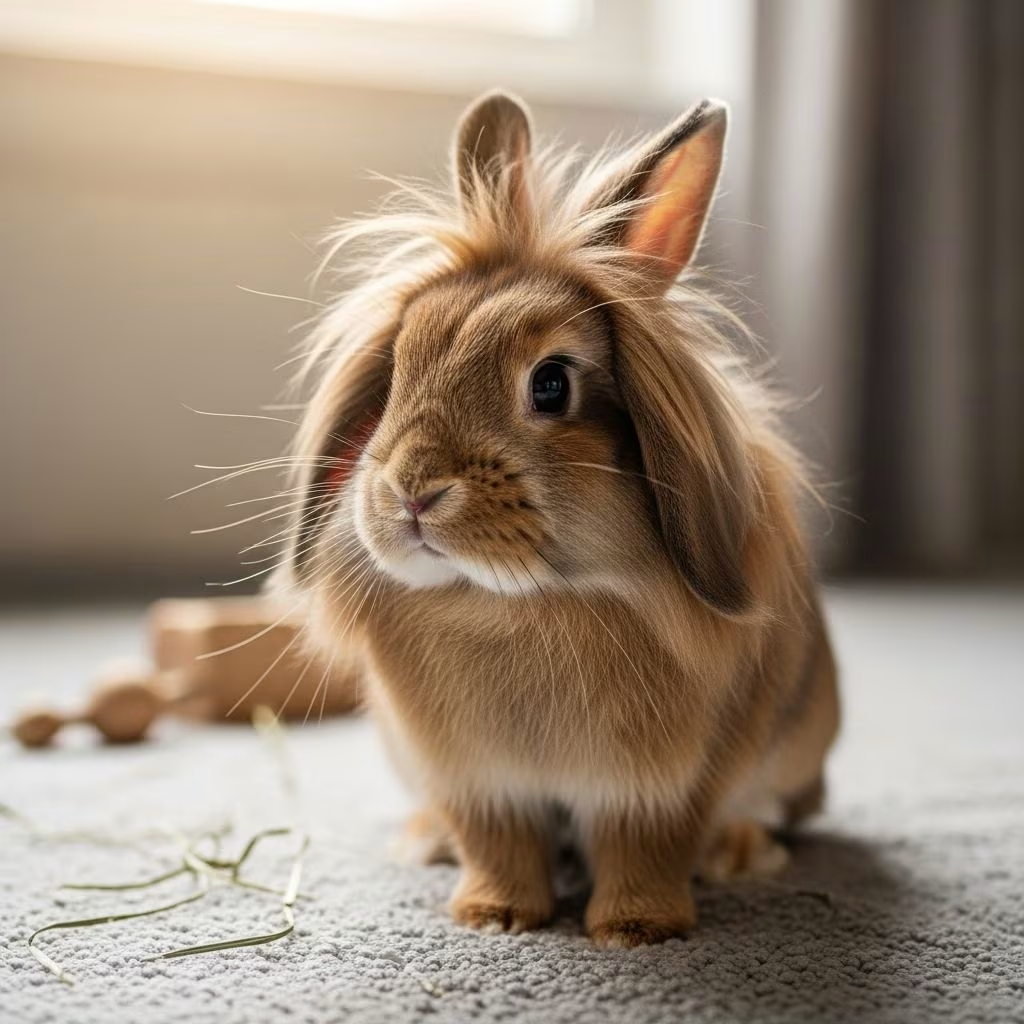
Lionhead rabbits are one of the most distinctive and captivating rabbit breeds available today. Named for their distinctive woolly mane that encircles their head and neck like a lion’s mane, these small rabbits have become increasingly popular among rabbit enthusiasts and pet owners. Understanding their unique characteristics, care requirements, and potential health considerations is essential before bringing one into your home.
Breed Overview and History
The Lionhead rabbit is a relatively new breed with a fascinating origin story. First developed in Belgium during the 1990s, breeders initially aimed to create a small rabbit with a soft, long coat by crossing the Swiss Fox, a long-coated breed, with the Netherland Dwarf rabbit. However, an unexpected genetic mutation emerged during this breeding process—a dominant mane gene that caused woolly fur to grow around the head, neck, and sometimes extending down the sides and hindquarters. This accidental characteristic proved so appealing that breeders deliberately refined and established it as the breed’s defining feature.
The breed received official recognition relatively recently. The British Rabbit Council recognized the Lionhead as an official breed in 2002, while the American Rabbit Breeders Association didn’t formally recognize them until 2014. This recent establishment means the genetic pool remains somewhat limited compared to older breeds, which can influence the prevalence of certain inherited health conditions.
Physical Characteristics
Size and Build
Lionhead rabbits are classified as small rabbits, though they are not technically considered dwarf rabbits. These compact animals typically weigh between 2.5 to 3.5 pounds (approximately 1.5 kilograms) and measure about 8 to 10 inches in length. Despite their diminutive size, they possess a somewhat muscular build for a rabbit, giving them a sturdy appearance.
The Distinctive Mane
The most recognizable feature of Lionhead rabbits is their characteristic woolly mane. This mane comes in two distinct types:
Single Mane: Forms a circle of wool specifically around the head and neck area.
Double Mane: Includes additional woolly fur on the chest, flanks, and sometimes extending to the hindquarters, creating a fuller, more luxurious appearance.
The mane gene is dominant, meaning that if a Lionhead rabbit reproduces with a rabbit of a different breed, the offspring will still display the characteristic mane.
Additional Physical Features
Lionheads possess upright ears that typically do not exceed three inches in length. They come in virtually every color and pattern imaginable, including white, gray, black, tan, and various combinations thereof. Their entire body is covered in soft fur, with the mane area featuring particularly thick, woolly hair that requires regular maintenance.
Personality and Temperament
Despite their small stature, Lionhead rabbits are known for their outsized personalities. These curious and playful animals often exhibit bold behavior and a hint of sassiness that some compare to terrier dogs. Their intelligence and social nature make them engaging companions that genuinely enjoy interacting with their human caregivers.
Lionheads are inherently social animals and typically do well living in pairs with compatible rabbit companions. However, they usually prefer to show affection on their own terms rather than being handled frequently. Most Lionheads do not particularly enjoy being picked up, but they will demonstrate their fondness in unique ways: following their humans around the house, nudging for attention, or performing dramatic “flops” when they feel comfortable and content.
Given their naturally friendly and bonded nature, these rabbits thrive on human interaction and environmental enrichment. They love to play, chase around their humans, and will enthusiastically engage with toys and tunnels provided for their entertainment.
Care Requirements and Housing
Environmental Needs
Lionhead rabbits have high environmental needs and require more attention from their human companions than many other rabbit breeds. They are sensitive to extreme temperatures and should be kept in moderate climates ranging between 50 to 75 degrees Fahrenheit. This makes indoor housing significantly preferable to outdoor setups, as indoor environments provide better protection against predators, extreme weather, and temperature fluctuations.
Despite their small size, Lionheads require plenty of space to move, exercise, and explore. They need daily free-roam time and benefit tremendously from access to tunnels, toys, chew items, and other enrichment activities. A bored Lionhead can quickly become destructive, turning to carpet digging and baseboard chewing as outlets for their energy.
Litter Training and Enclosure Setup
Lionhead rabbits can be successfully litter trained, which makes managing their enclosure more convenient. A litter box should be placed within their living space and cleaned regularly to maintain hygiene. Paper-based or hay-based bedding is recommended as the safest option, avoiding materials that could cause digestive issues if ingested.
Grooming and Coat Maintenance
The thick, woolly mane that makes Lionheads so visually appealing requires significant grooming commitment. Regular brushing is essential to prevent matting and reduce the ingestion of loose hair, which can cause digestive problems.
Grooming Schedule:
– Brush 2 to 3 times per week during normal periods to prevent matting and tangles
– Increase grooming frequency during warmer months when Lionheads shed more heavily
– Some owners opt to take their rabbits to professional groomers for mane maintenance and trimming
Regular grooming not only keeps their coat healthy and prevents matting but also allows owners to inspect their rabbits for any signs of health problems, including fly strike or skin issues.
Nutrition and Diet
Proper nutrition is fundamental to maintaining Lionhead rabbit health and longevity.
Dietary Composition:
– Hay (80-90% of diet): High-quality hay such as Timothy hay should form the foundation of their diet, supporting digestive health and providing essential fiber
– Leafy Greens: Offer rabbit-safe greens daily, including romaine lettuce, parsley, and cilantro
– Fresh Water: Ensure constant access to clean, fresh water
Foods to Avoid:
– Iceberg lettuce, which lacks nutritional value and can cause digestive issues
– Processed foods such as bread, crackers, and cereals
– Any foods toxic to rabbits
Health Considerations and Common Issues
The Lionhead breed’s relatively recent development and limited genetic diversity have resulted in certain inherited health conditions that prospective owners should understand.
Dental Problems
Lionheads inherit their dwarf ancestry from the Netherland Dwarf parent breed, which has resulted in short, rounded skulls that often lead to dental misalignment or malocclusion. Since rabbit teeth grow continuously throughout their lives, this can necessitate frequent veterinary visits for tooth trimming or even extractions to maintain oral health.
Brachycephalic Syndrome
Related to their facial structure, some Lionheads may experience brachycephalic-type issues affecting their breathing and comfort.
Fly Strike
Lionheads are particularly susceptible to fly strike due to their thick coat and genetic predisposition. Moisture or waste can become trapped in the fur around their rear end, attracting flies that lay eggs. Within hours, maggots can hatch and cause life-threatening infections. Regular grooming, daily health checks, and maintaining proper hygiene are essential preventive measures.
Preventive Health Care
Regular grooming, a hay-based diet, and consistent veterinary visits make the biggest difference in extending a Lionhead’s lifespan and maintaining quality of life.
Lifespan and Longevity
On average, Lionhead rabbits live between 7 to 10 years, though some individuals with excellent care may exceed this range and live even longer. Factors that positively influence lifespan include regular grooming, appropriate diet, daily health monitoring, and ongoing veterinary care.
Is a Lionhead Rabbit Right for You?
Lionhead rabbits make excellent companions for the right owner or family, but they are not necessarily low-maintenance pets. Consider whether you can meet their specific needs:
Lionheads are a good match if you:
– Want an energetic, social, and playful rabbit companion
– Are willing to commit to regular grooming and maintenance
– Can provide daily monitoring for potential health issues such as fly strike or matting
– Enjoy an interactive pet that makes you laugh and keeps you engaged
– Are prepared for the ongoing costs of veterinary care
Lionheads may not be ideal if you:
– Prefer a low-maintenance pet
– Expect your rabbit to enjoy frequent handling and cuddles
– Are unable to commit to regular grooming
– Cannot afford regular veterinary visits for dental care and health monitoring
– Want a rabbit that is comfortable with being picked up and carried
Frequently Asked Questions
Q: How often should I groom my Lionhead rabbit?
A: Brush your Lionhead 2 to 3 times per week to prevent matting and reduce loose hair ingestion. Increase grooming frequency during shedding season in warmer months.
Q: Are Lionhead rabbits good family pets?
A: Yes, Lionheads are good family rabbits with pleasant and curious personalities, though they are easily frightened like most small rabbits. They enjoy interacting with humans but prefer affection on their own terms.
Q: What is the biggest health concern for Lionhead rabbits?
A: Fly strike is a significant health concern due to their thick manes. Additionally, their dwarf ancestry can lead to dental problems requiring frequent veterinary attention.
Q: How long do Lionhead rabbits typically live?
A: Lionheads typically live 7 to 10 years, with some living longer with excellent care including proper grooming, diet, and veterinary attention.
Q: Can Lionhead rabbits be litter trained?
A: Yes, Lionhead rabbits can be successfully litter trained. Place a litter box in their enclosure and use paper-based or hay-based bedding for safety.
Q: Do Lionheads need to live alone or can they have rabbit companions?
A: Lionheads are social animals and typically do well living in pairs with compatible rabbit companions. They thrive with companionship and interaction.
Q: What should form the basis of a Lionhead’s diet?
A: High-quality hay like Timothy hay should comprise 80-90% of their diet, supplemented with fresh rabbit-safe greens and constant access to water.
References
- March Breed of the Month: Lionhead Rabbit — The Mill Stores. 2023. https://www.themillstores.com/blogs/pet-blog/march-breed-of-the-month-lionhead-rabbit
- 5 Most Popular Rabbit Breeds — PetMD. 2024. https://www.petmd.com/rabbit/slideshows/5-most-popular-rabbit-breeds
- Everything You Need to Know About Lionhead Rabbit Care — The Wiegands. 2021. https://thewiegands.com/2021/06/lionhead-bunny.html
- The Truth about Lionhead Rabbits — YouTube. 2024. https://www.youtube.com/watch?v=-t4fYFeMtHs



