

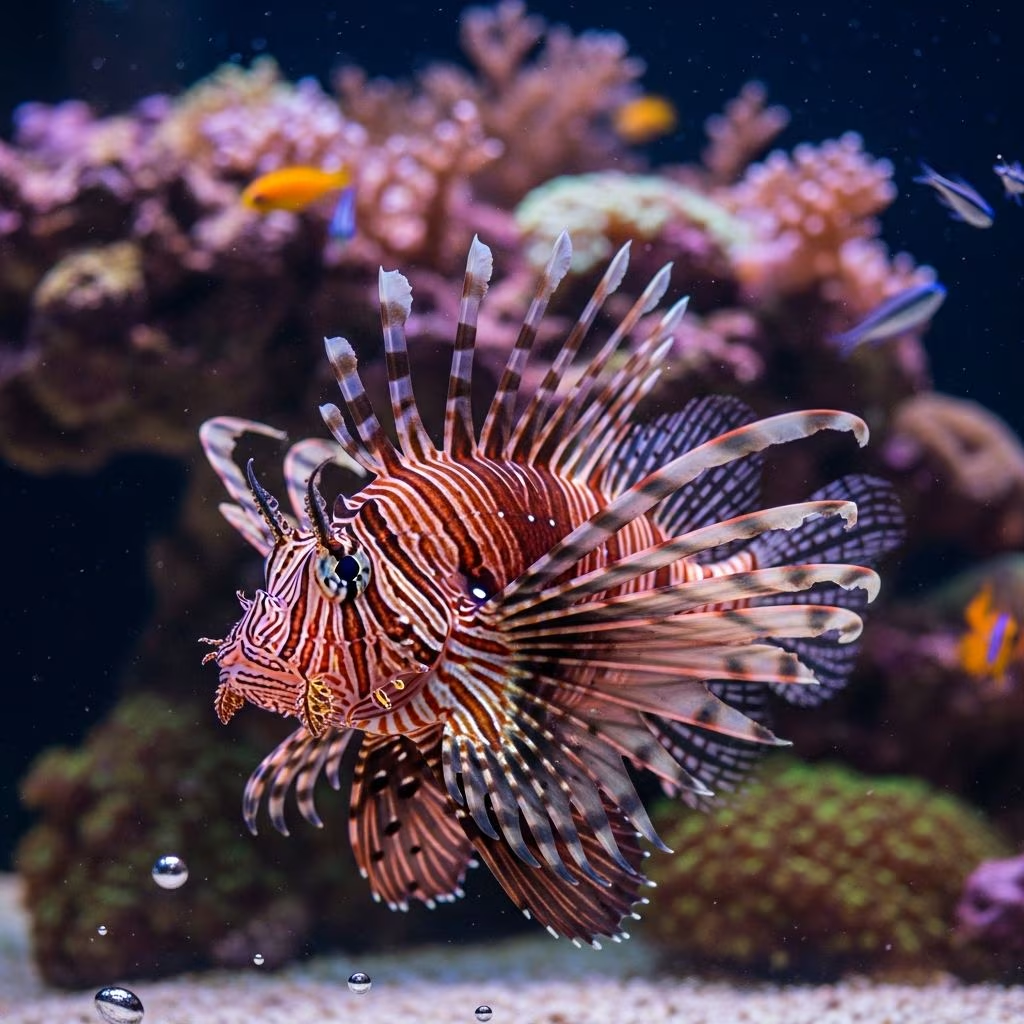
Lionfish: Risky But Rewarding Aquarium Fish
Lionfish represent one of the most captivating yet challenging additions to the saltwater aquarium hobby. With their dramatic flowing fins, striking coloration, and mesmerizing swimming patterns, lionfish have captivated aquarists for decades. However, their beauty comes with significant responsibilities and risks that make them suitable only for experienced aquarium keepers. Understanding both the rewards and the challenges of lionfish ownership is essential before bringing one of these magnificent creatures into your home.
Why Lionfish Are Both Risky and Rewarding
Lionfish occupy a unique position in the aquarium hobby—they are simultaneously one of the most sought-after and most challenging fish to keep successfully. Their appeal lies in their extraordinary visual presence and unique personality traits that rival many traditional pets. Yet their venomous spines, predatory nature, and specific care requirements demand respect and expertise from anyone considering their ownership.
The reward of keeping a lionfish extends beyond aesthetics. These fish develop distinct personalities, displaying curious and sometimes playful behavior that engages their keepers in meaningful ways. Many experienced aquarists describe their lionfish as having dog-like personalities, showing recognition of their owners and responding to feeding routines. This interactive element, combined with the prestige of successfully maintaining such a challenging species, makes lionfish keeping deeply rewarding for dedicated hobbyists.
Understanding the Risks
Venomous Spines and Safety Concerns
The most significant risk associated with lionfish ownership is their venomous spines. All lionfish species possess venomous spines distributed along their dorsal, anal, and pelvic fins. These spines serve as a defense mechanism in their natural habitat and pose a genuine hazard during tank maintenance, feeding, and handling. A sting from a lionfish spine can cause intense pain, swelling, and potentially serious medical complications, particularly for individuals with compromised immune systems or those who experience allergic reactions.
Safety protocols must be established and maintained at all times when working with lionfish tanks. This includes using long-sleeved rubber gloves during any tank maintenance, being extremely cautious during water changes and cleaning, and ensuring that all household members understand the danger posed by the fish. Visitors, particularly children, should never be allowed unsupervised access to the lionfish tank, and the aquarium should be equipped with a secure lid to prevent any accidental contact.
Predatory Nature and Tank Compatibility
Lionfish are obligate carnivores with a strong predatory instinct. They will consume any fish small enough to fit into their mouths, including popular aquarium species like small tangs, anthias, and gobies. This severely limits compatible tank mates and complicates the possibility of creating a diverse, mixed-species aquarium. Lionfish must be housed either alone or exclusively with other large, similarly-sized predatory fish such as groupers, puffers, large eels, and certain trigger fish.
Even when housed with appropriate tank mates, conflicts can occur, and lionfish may still attempt to consume smaller companions. Their feeding response is instantaneous and often irresistible—they will strike at anything that resembles prey, making careful species selection and continuous observation essential components of lionfish care.
Specialized Care Requirements
Lionfish are not forgiving of poor water conditions or improper care. They are easily stressed by ammonia and nitrite, even in small quantities, which can quickly lead to disease development. This sensitivity requires consistent, meticulous water quality management and advanced aquarium husbandry skills. Additionally, their size and waste production necessitate substantial aquarium volumes and powerful filtration systems, making them an expensive commitment in terms of both equipment and ongoing maintenance.
Tank Size and Setup Requirements
Minimum Tank Specifications
Lionfish are not appropriate for small aquariums. The minimum tank size depends on the species being kept. Dwarf lionfish species require at least 55 gallons, while large species demand 100 gallons or more. Juvenile lionfish can begin in smaller 29-gallon tanks but will require upgrading as they mature. Some larger species may ultimately need 120+ gallons to thrive comfortably and express natural behaviors.
Tank dimensions matter as much as volume. Lionfish benefit from rectangular tanks rather than tall, narrow designs, as they utilize horizontal swimming space and appreciate room to patrol territories. The additional surface area provided by a longer tank also improves gas exchange and supports better water quality management.
Substrate and Decor Considerations
Substrate selection is important when setting up a lionfish tank. Use 1 to 2 inches of soft, deep sand or crushed coral rather than traditional gravel, as sharp gravel particles can injure the lionfish’s delicate underbelly and sensory organs. The soft substrate also allows the fish to exhibit natural burrowing behaviors and provides a more aesthetically pleasing natural environment.
Incorporate plenty of hiding places using live rock, caves, and crevices. Lionfish feel more secure with adequate shelter and are less prone to stress-related illness when they can retreat to dark, protected areas. A thin layer of coral sand (approximately 2 centimeters) is particularly useful for making lionfish feel secure while maintaining carbonate hardness levels.
Water Flow and Circulation
Maintain slow to medium water circulation in the lionfish aquarium. While adequate flow is necessary to prevent detritus accumulation and maintain oxygen levels, excessive current can stress the fish and disrupt their natural feeding behavior. Moderate water movement also helps support surface agitation for proper gas exchange without overwhelming the fish’s sensory systems.
Water circulation should provide good surface movement while allowing quieter areas where the lionfish can rest comfortably. Consider the fish’s natural habitat when designing flow patterns—lionfish typically inhabit reef environments with gentle to moderate current.
Water Parameters and Quality Management
Essential Water Parameters
Lionfish require precise water conditions to thrive. Maintain the following parameters within established ranges:
| Parameter | Recommended Range |
|---|---|
| Temperature | 74-80°F (23-27°C) |
| pH | 7.9-8.3 |
| Salinity | 1.020-1.025 |
| Nitrate | Less than 50 mg/L |
| Nitrite and Ammonia | 0 ppm |
| Carbonate Hardness | 8-12 dKH |
| Calcium | 380-450 ppm |
| Magnesium | 1250-1350 ppm |
These narrow parameter ranges reflect the lionfish’s sensitivity to water quality fluctuations. Ammonia and nitrite must remain at zero at all times—even trace amounts can trigger disease and stress responses.
Temperature Stability
Temperature fluctuations greater than 2 degrees Fahrenheit per day can stress lionfish significantly. Install a reliable aquarium heater to maintain consistent temperatures year-round, and position the tank away from windows, heat sources, drafts, and areas subject to sudden temperature changes. A thermostat-controlled heater is essential for preventing dangerous fluctuations.
Filtration System Requirements
Implement a powerful filtration system capable of processing the aquarium’s entire volume at least four times per hour. For a 100-gallon tank, this requires filtration rated for at least 400 gallons per hour. Canister filters or power filters are ideal for lionfish tanks due to their capacity and reliability.
Complement the main filter with a protein skimmer to maintain water quality and remove organic compounds before they break down into harmful byproducts. Regular filter maintenance is crucial—clean filters monthly for optimal performance, rinsing filter media in tank water rather than tap water to preserve beneficial bacterial colonies.
Water Testing and Monitoring
Test water parameters at least weekly, and more frequently during initial setup and after adding new inhabitants. Record all results to identify gradual trends that might indicate developing problems. Monitor ammonia, nitrite, nitrate, pH, salinity, and carbonate hardness consistently. Use a hydrometer or refractometer for regular salinity checks—maintaining proper salinity is essential for lionfish health.
Feeding and Nutrition
Appropriate Food Options
Feed lionfish high-quality carnivorous foods including frozen silversides, krill, squid, and other marine proteins. While lionfish are naturally live-food hunters, they can be trained to accept quality frozen offerings and even some prepared pellet or flake foods due to their aggressive feeding response. The key is providing variety and nutritional balance.
Feeding Guidelines
Provide food once or twice daily, offering only the amount the lionfish can consume within 1 to 2 minutes. Remove all uneaten food promptly using a fine mesh net to maintain water quality. Leftover food decomposes rapidly, spiking ammonia and nitrate levels—a particular problem given lionfish sensitivity to water quality fluctuations.
Never feed exclusively frozen food, and avoid microwaved or refrozen items. A hybrid diet combining quality frozen foods with occasional live offerings appears optimal for long-term health. Feed in a manner consistent with the lionfish’s natural predatory behavior, allowing it to hunt and strike at prey items rather than simply consuming passive food sources.
Tank Maintenance and Water Changes
Partial Water Change Schedule
Perform partial water changes of 10-25% every 2-4 weeks, depending on bioload and tank conditions. Never conduct complete water changes, as this removes beneficial bacterial colonies essential for biological filtration and can cause dangerous parameter swings. Partial water changes maintain water quality while preserving the established microbial ecosystem.
Cleaning and Maintenance Protocols
Use a siphon device to remove solid waste and detritus during water changes. When refilling the tank, use quality water—ideally reverse osmosis or properly conditioned tap water, as untreated tap water may contain chlorine and chloramine harmful to lionfish. Always use a water conditioner when tap water is necessary, allowing it to bind harmful chemicals before the water enters the tank.
Maintain equipment regularly, keeping heaters, filters, and protein skimmers functioning optimally. Clean the protein skimmer regularly to maintain performance, and inspect all equipment weekly for signs of malfunction or deterioration.
Acclimation and Introduction
The Floating Bag Method
When first introducing a lionfish to its new aquarium, use the floating bag method to allow gradual acclimation. Switch off aquarium lights and carefully remove the fish’s bag from outer wrappings, avoiding bright light exposure. Float the sealed bag in the aquarium for 15-20 minutes to equalize temperature, then gradually add small amounts of aquarium water to the bag over the next hour, allowing the fish to adjust to new water parameters before release.
Minimizing Stress During Introduction
Lionfish are easily stressed by bright lights, extreme temperatures, noise, and sudden movements. Maintain reduced lighting and minimal household activity for several days after introduction. This adjustment period helps the lionfish acclimate to its new environment and establish normal feeding and behavioral patterns.
Health Monitoring and Common Issues
Signs of Good Health
A healthy lionfish displays bright, vibrant coloration, intact fins and spines held in natural position, regular upright swimming behavior, and a robust appetite. Monitor your lionfish daily, noting any changes in appearance or activity that might indicate developing health issues.
Common Diseases and Conditions
Despite proper care, lionfish can develop various conditions including fin rot, saltwater ich (marine white spot disease), bacterial infections, fungal infections, and swim bladder disorder. These conditions typically develop in response to poor water quality, stress, or inadequate nutrition. Maintain optimal water parameters and proper feeding to minimize disease risk, and consult a veterinarian experienced with marine fish if health issues develop.
Frequently Asked Questions
Q: Are lionfish legal to keep in my area?
A: Lionfish are banned in some jurisdictions due to their potential invasiveness if released into natural waters. Always check local regulations before purchasing a lionfish to ensure legality in your area.
Q: Can I keep multiple lionfish together?
A: Most lionfish species prefer solitary existence and may fight with conspecifics. Research your specific species before considering group housing, and provide significantly increased tank volume if attempting to house multiple individuals.
Q: What should I do if I get stung by a lionfish?
A: Immediately soak the affected area in hot water (as hot as you can tolerate) for 20-45 minutes to denature the venom. Seek medical attention, particularly if you experience severe pain, swelling, or allergic reactions. Always inform medical personnel that the injury resulted from a lionfish sting.
Q: How long do lionfish live?
A: With proper care, lionfish can live 5-15 years or longer in captivity, making them a long-term commitment. Consider your ability to provide appropriate care for a decade or more before acquiring one.
Q: Can lionfish be kept with corals?
A: Most lionfish do not harm corals directly, though they may consume mobile invertebrates and small fish attracted to coral colonies. Research your specific species and exercise caution when combining lionfish with reef systems.
Is a Lionfish Right for You?
Keeping a lionfish represents a significant undertaking requiring advanced aquarium skills, substantial financial investment, and unwavering commitment to proper husbandry. Before pursuing lionfish ownership, honestly assess your experience level, available resources, and long-term dedication to this challenging yet rewarding hobby.
If you possess advanced aquarium experience, understand the risks associated with venomous fish, can afford appropriate equipment and ongoing care, and are prepared to maintain rigorous standards of water quality management and safety, then lionfish ownership may be an exceptionally rewarding experience. The opportunity to maintain and observe one of the ocean’s most magnificent creatures in a properly established captive environment represents the culmination of dedicated aquarium keeping.
However, if you are still developing your aquarium skills, lack resources for proper tank setup, or underestimate the commitment required, pursuing other marine fish species first will lead to greater success and satisfaction. The lionfish will still be there when you are truly ready for this advanced challenge.
References
- Lionfish Aquarium Care Guide — Hygger. 2024. https://www.hygger-online.com/how-to-take-care-of-a-lionfish-in-an-aquarium/
- How to Care for Lionfish & Scorpionfish — Ornamental Aquatic Trade Association (OATA). 2022. https://ornamentalfish.org/
- Keeping Lionfish in the Home Aquarium — RateMyFishTank. 2024. https://www.ratemyfishtank.com/blog/keeping-lionfish-in-the-home-aquarium
- Lionfish Care and Diet — Reef2Reef Aquarium Forum. 2024. https://www.reef2reef.com/threads/lionfish-care-and-diet.770151/
- The Lionfish and Responsible Aquarium Keeping — Algae Barn. 2024. https://www.algaebarn.com/blog/beginners/the-lionfish-and-responsible-aquarium-keeping/



