

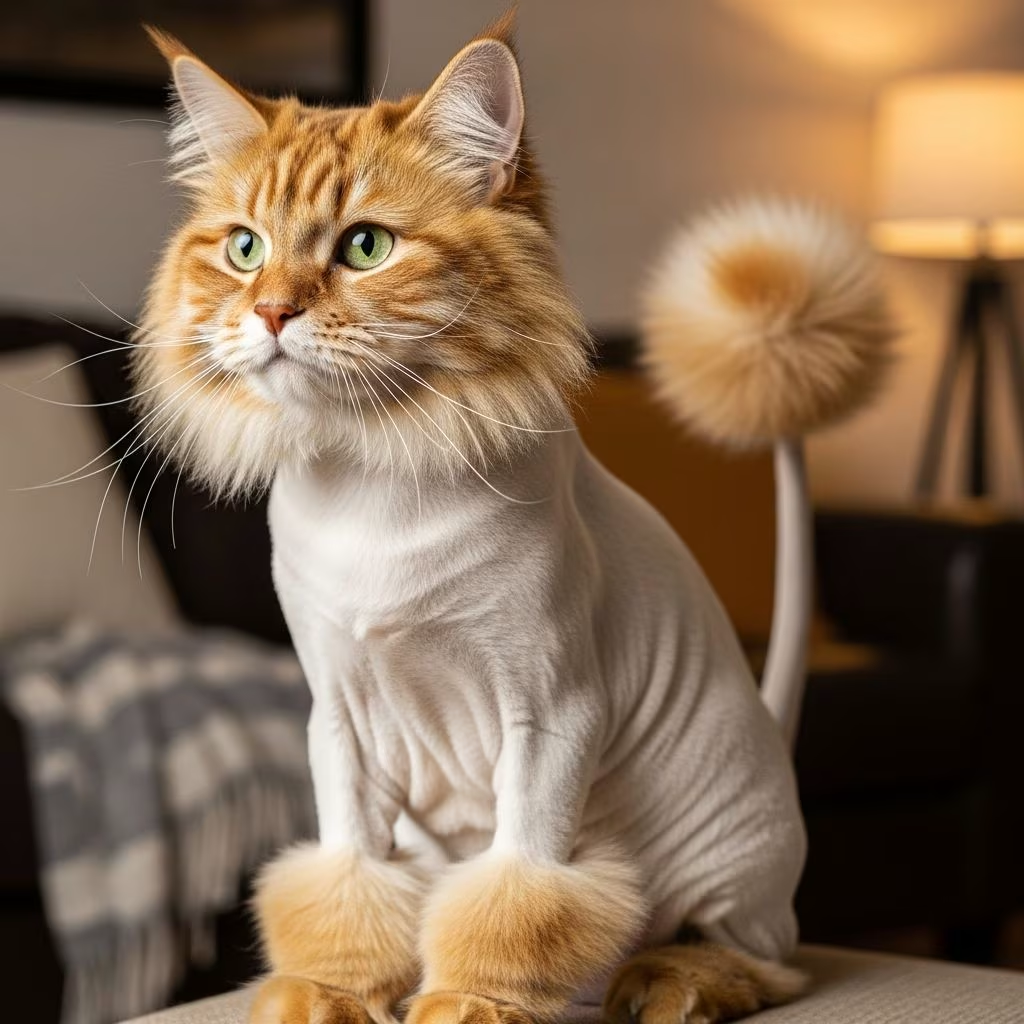
Understanding the Lion Cut: What Is It?
The lion cut is one of the most recognizable and popular grooming styles for pet cats. This distinctive trim involves cutting the fur very short from the shoulder blades down the back, sides, thighs, and underbelly. The tail is typically clipped close as well, though many owners choose to leave a fluffy tuft at the end for aesthetic appeal. The legs are usually clipped about halfway down, creating the appearance of the cat wearing fluffy boots. Meanwhile, the fur on the neck, head, and chest remains full and long, resembling a lion’s distinctive mane.
Pet owners have the flexibility to customize their lion cut based on their preferences and their cat’s needs. Some choose not to have the tail clipped at all, while others prefer to clip more of the neck and chest area to reduce the amount of mane. This versatility makes the lion cut an adaptable option for various situations and cat types.
Many pet owners report that their cats seem noticeably happier and more playful after receiving a lion cut, which is a significant reason why they continue scheduling regular grooming appointments. If you’re considering this trendy trim for your feline companion, understanding both the advantages and disadvantages is essential for making an informed decision.
The Benefits of a Lion Cut for Cats
A lion cut offers several compelling advantages that make it an excellent choice for many cat owners and their furry companions.
1. Removes Matted Fur
One of the most practical benefits of a lion cut is its ability to remove matted and tangled fur effectively. When a cat’s coat becomes severely matted, especially in longer-haired breeds, the kindest and safest approach to remove the tangles is through close clipping. Mats and tangles cause significant discomfort for cats, as they pull on the skin and can potentially damage it. By removing these troublesome mats, you’re not only improving your cat’s appearance but also eliminating a source of ongoing discomfort and potential skin damage.
2. Helps Reduce Hairballs
Hairballs are more than just an inconvenient household mess; they can pose serious health risks to your feline companion. By removing much of the body coat’s length, a lion cut dramatically reduces the amount of hair your cat can ingest during self-grooming. In severe cases, hairballs can cause life-threatening intestinal blockages. Some veterinarians specifically recommend shortening a cat’s coat if the pet is prone to experiencing repetitive hairball issues, making the lion cut a potentially valuable health intervention.
3. Keeps Poor Self-Groomers Looking Sharp
Interestingly, not all cats possess the natural grooming instincts that define feline behavior. Some cats seem to be missing the genetic programming that makes cats fastidious about maintaining their fur. These unusual felines often appear scruffy and unkempt. A lion cut helps these poor self-groomers maintain a neat and tidy appearance between professional grooming appointments, ensuring they always look their best regardless of their grooming habits.
4. Low Maintenance Between Appointments
The lion trim is remarkably easy to maintain between professional grooming visits. For cat owners who dislike the process of combing and brushing, or for cats who resist these grooming sessions, the lion cut offers a practical solution. With significantly less hair to manage, the maintenance burden drops dramatically, making it an attractive option for busy households.
5. Easier for Senior Cats to Groom
As cats age, they often experience stiffness and reduced flexibility, which can prevent them from maintaining their fur as effectively as they did in their younger years. This is where a short trim becomes invaluable. A lion cut helps senior cats maintain a clean and tidy appearance during their golden years without requiring them to perform extensive grooming routines that their aging bodies may struggle with.
6. Reduces Household Shedding
While a lion cut doesn’t eliminate shedding entirely, it does significantly reduce the amount of loose hair around your home. Since cats with a lion cut shed shorter hairs rather than long strands, you’ll notice fewer fuzzy tumbleweeds rolling across your floors. This benefit is particularly appealing for owners who are tired of constantly vacuuming up long cat hair.
7. Makes a Style Statement
A well-executed lion trim transforms your cat into a stylish feline with undeniable panache. If you appreciate a distinctive look and want your cat to stand out, the lion cut delivers both personality and visual appeal. It’s a grooming choice that makes a bold fashion statement while serving practical purposes.
The Drawbacks of a Lion Cut for Cats
While the lion cut offers numerous benefits, it’s not suitable for every cat or every situation. Pet owners should carefully consider these potential disadvantages before committing to this grooming style.
1. Increased Sunburn Risk
One of the most significant concerns with a lion cut is the increased vulnerability to sunburn. Clipping the hair very short exposes your cat’s skin directly to ultraviolet rays from the sun. Without the protective barrier of a dense fur coat, cats become susceptible to sunburn, particularly white or light-colored felines whose skin provides minimal natural sun protection. This is an especially important consideration for outdoor or indoor-outdoor cats.
2. Thermoregulation Difficulties
Cats rely on their fur as an insulating layer to regulate body temperature effectively. Very short hair can significantly impair your cat’s ability to thermoregulate, causing them to become chilled in cool environments or overheated in warm ones. If your cat has a chronic illness or is elderly, consulting with your veterinarian before scheduling a lion cut is highly recommended. The stress of temperature regulation problems could potentially exacerbate existing health conditions.
3. Reduced Skin Protection
A cat’s fur serves as protective armor against various environmental hazards. It shields the skin from scratches during territorial disputes with other cats and from scrapes caused by thorns, branches, and other outdoor obstacles. Removing this protective layer leaves your cat’s delicate skin exposed and vulnerable, particularly if your cat spends time outdoors.
4. Negative Behavioral Reactions
Some cats experience psychological distress after receiving a lion cut. If your cat hides for extended periods, hisses when touched, exhibits changes in eating habits, or displays other signs of unhappiness after grooming, this signals that the lion cut may not be appropriate for that particular animal. In such cases, it’s best to avoid future lion cuts and explore alternative grooming options that your cat will tolerate better.
5. Potential Coat Regrowth Issues
While professional groomers with extensive experience report that properly clipped coats typically grow back normally in healthy cats, some pet owners worry about potential regrowth problems. The fur should be clipped using a blade no shorter than a #10 size, and should always be clipped in the direction of hair growth rather than against it. Following these guidelines minimizes the risk of complications.
Important Safety Considerations
When considering a lion cut for your cat, several safety factors deserve careful attention. Cats have remarkably sensitive and thin skin, which can be easily irritated by electric clippers if they’re set too short or used carelessly. Professional groomers recommend using very long guards or comb attachments that prevent direct skin irritation.
The clipping process can be stressful or even frightening for cats, and if an injury occurs during grooming, it may create lasting negative associations with the grooming process. This could make future grooming attempts significantly more difficult. It’s crucial to select a skilled and experienced groomer who understands feline physiology and behavior.
Additionally, be cautious about the common misconception that a lion cut will cool your cat down in summer. Cats don’t sweat through their skin like humans do; instead, they sweat through their paw pads and slightly through their noses. A more appropriate solution for overheated cats is a tummy trim, which allows cats to absorb coolness from floors without exposing the skin to sunburn risk.
Making the Right Decision for Your Cat
Deciding whether a lion cut is appropriate for your cat requires careful consideration of your individual pet’s needs, lifestyle, and personality. Before scheduling an appointment, evaluate whether your cat spends significant time outdoors, as outdoor exposure increases sunburn risk considerably. Consider your cat’s age and health status, consulting with your veterinarian if your cat has chronic conditions or mobility issues.
Observe your cat’s reaction to grooming in general. If your cat becomes extremely stressed or frightened during regular brushing sessions, a lion cut might cause undue anxiety. Conversely, if your cat struggles with matting, experiences frequent hairballs, or has poor self-grooming habits, a lion cut could genuinely improve their quality of life.
Communication with your groomer is essential. Discuss your expectations clearly, specify the blade length you want used, and express any concerns you have about your cat’s specific situation. A professional groomer can provide valuable insights based on examining your cat and discussing your goals.
Frequently Asked Questions About Lion Cuts
Q: Will my cat’s fur grow back after a lion cut?
A: Yes, in healthy cats, fur typically grows back normally after a lion cut. The key is ensuring the groomer uses a blade no shorter than a #10 size and clips in the direction of hair growth rather than against it. Following these guidelines minimizes the risk of complications.
Q: How often should my cat get a lion cut?
A: The frequency depends on your cat’s individual coat growth rate and your preferences. Many cat owners schedule appointments every 4-8 weeks, though this can vary. Your groomer can recommend an appropriate schedule based on how quickly your cat’s fur grows and how the coat looks between appointments.
Q: Is a lion cut painful for cats?
A: The grooming process itself shouldn’t be painful when performed by an experienced professional. However, cats may find the experience stressful or uncomfortable due to the noise, vibration, and sensation of the clippers. Some cats tolerate it well, while others find it distressing.
Q: Can I give my cat a lion cut at home?
A: While possible, home lion cuts are generally not recommended unless you have professional grooming experience. Cat skin is very thin and easily injured by clippers, and cats can move unpredictably during grooming. Professional groomers have the expertise and proper equipment to do this safely.
Q: Is a lion cut good for indoor cats?
A: Yes, a lion cut can be excellent for indoor cats, particularly those prone to matting, hairballs, or poor self-grooming. Indoor cats don’t face sunburn risks like outdoor cats do, making them better candidates for this grooming style.
Q: Will a lion cut make my cat uncomfortable?
A: Some cats adapt well to the new look and even seem more comfortable, while others may feel vulnerable or stressed initially. Observe your cat’s behavior after grooming. Most cats adjust within a few days, but if your cat shows sustained signs of distress, future lion cuts may not be appropriate.
References
- Lion Cut For Cats: Pros and Cons — Chewy. Accessed 2025. https://www.chewy.com/education/cat/grooming/lion-cut-for-cats-pros-and-cons
- The Lion Cut – pros and cons — Total Grooming Magazine. Accessed 2025. https://totalgroomingmagazine.co.uk/the-lion-cut-pros-and-cons/
- Pros and Cons of a Lion Cut for Cats — Dragon Pet Door. Accessed 2025. https://dragonpetdoor.com/blogs/news/pros-and-cons-of-a-lion-cut-for-cats
- Recommendations For Summer: Say NO to the Lion Cut — Felinity Cat Care. Accessed 2025. https://www.felinitycatcare.com/post/recommendations-for-summer-say-no-to-the-lion-cut
- Lion Cuts For Cats: Pros & Cons — Dutch. Accessed 2025. https://www.dutch.com/blogs/cats/lion-cuts-for-cats



