

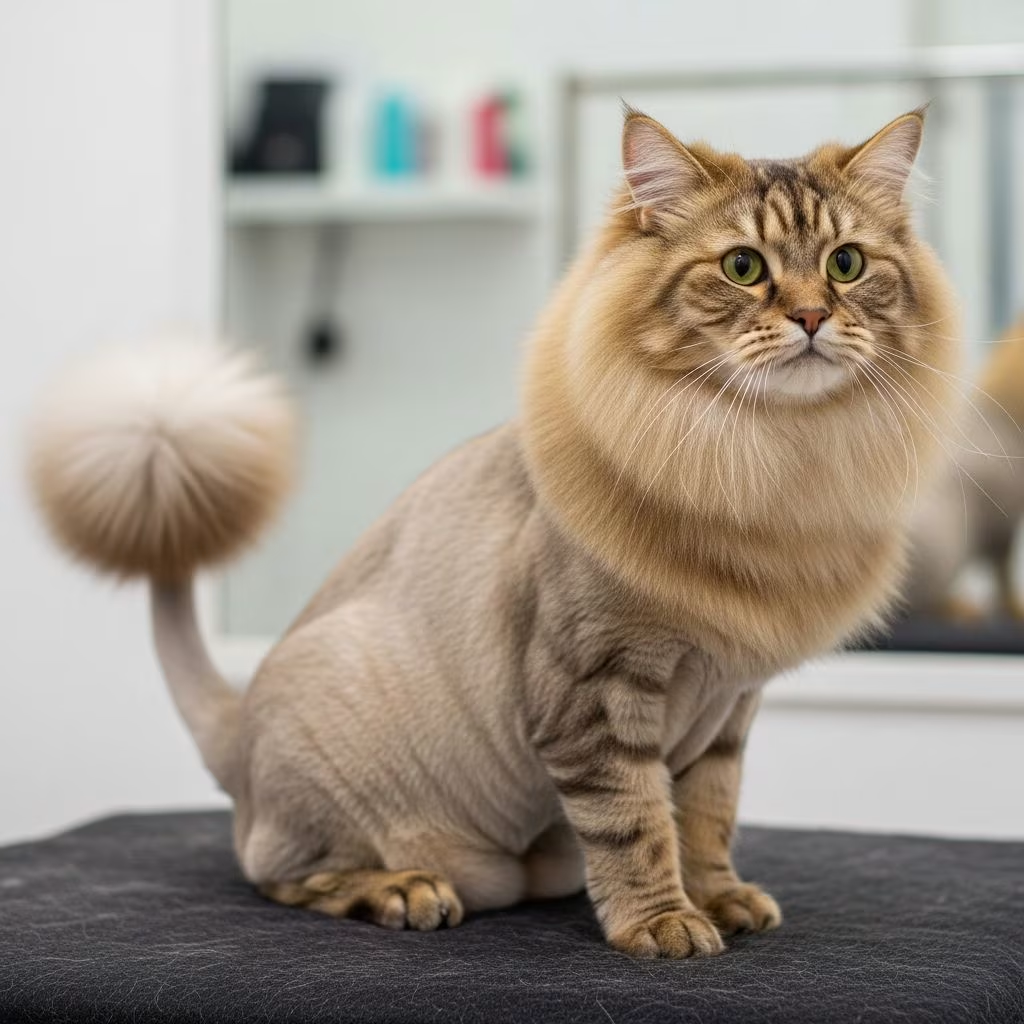
Understanding the Lion Cut for Cats
The lion cut represents one of the most recognizable and popular grooming styles for domestic cats, combining aesthetic appeal with substantial functional benefits. When visitors encounter cats sporting this distinctive look, they often assume the style exists purely for visual charm. However, the reality extends far beyond appearance. The lion cut serves multiple practical purposes that genuinely enhance a cat’s quality of life, making it much more than a fashionable grooming choice.
Cat caregivers and professional groomers consistently report that the lion cut delivers tangible improvements in feline comfort and behavior. The style works by creating a dramatic contrast between closely shaved body fur and fuller head and tail fur, resulting in a striking mane-like appearance. More importantly, the grooming technique allows cats to feel cooler, cleaner, and noticeably more comfortable, particularly during warmer months.
What Is a Lion Cut?
A lion cut involves shaving the cat’s body hair very short—typically from the shoulder blades down the back, sides, thighs, and underbelly. The tail receives similar treatment, with groomers usually leaving a characteristic tuft at the end, creating a pompom effect. The distinctive feature that gives this style its name involves leaving the fur on the neck, head, and chest full and luxuriant, resembling a lion’s magnificent mane.
The legs typically receive a partial clip approximately halfway down, leaving the lower portions fuller and creating the appearance of the cat wearing fluffy boots. Groomers can customize the lion cut based on individual preferences and cat needs. Some owners request variations such as leaving the tail unclipped or reducing the neck and chest mane for a less dramatic look. The flexibility of this style makes it adaptable to different coat types, personal preferences, and specific grooming challenges.
Functional Benefits of the Lion Cut
Comfort and Temperature Regulation
The primary functional advantage of the lion cut involves enhancing comfort through improved temperature regulation. Long-haired cats, particularly those with matted or shed hair trapped in their undercoat, experience genuine discomfort that restricts their movement and overall wellbeing. Professional groomers note that cats receiving lion cuts often display dramatically improved behavior patterns. They become noticeably more playful, active, and energetic—almost appearing to regain their youthful vigor. Cat caregivers frequently report that their feline companions “act like a kitten again” following the grooming session, with visible relief in their demeanor and movement.
Addressing Matting and Shedding Issues
Long-haired cats represent ideal candidates for lion cut grooming, especially when their fur has become matted or tangled. The procedure provides an effective solution for removing accumulated shed hair trapped within the undercoat—a problem that proves particularly challenging for cats with poor self-grooming habits or physical limitations. Even short-haired cats benefit from professional lion cut grooming when they struggle with coat maintenance. A common misconception suggests that short-coat cats don’t require professional grooming services; however, cats with reduced grooming ability still develop matting issues that necessitate professional intervention.
Reducing Hairball Formation
Removing substantial body coat length dramatically reduces the quantity of hair cats ingest during self-grooming sessions. This benefit carries serious health implications, as hairballs extend beyond being mere nuisances. Cats prone to repetitive hairball issues face potential risks of life-threatening intestinal blockages. Veterinarians frequently recommend shortening a cat’s coat when medical professionals identify hairball problems as recurring health concerns. The lion cut provides an effective preventative measure against this serious condition.
Who Benefits Most From Lion Cuts?
Long-haired cats, particularly those experiencing matting or shedding challenges, represent the primary beneficiaries of lion cut grooming. However, the benefits extend to various feline populations with specific needs.
Senior Cats
As cats advance in age, many experience stiffness and reduced flexibility that impairs their ability to maintain their fur as effectively as during their younger years. A lion cut helps senior cats maintain a neat, tidy appearance throughout their golden years, reducing the physical demands of self-grooming while keeping them comfortable and well-groomed.
Cats with Poor Self-Grooming Habits
Some cats appear to lack the genetic programming that typically drives feline fastidiousness about coat maintenance. These unusual cats tend to look scruffy and unkempt. The lion cut enables such cats to maintain a polished, neat appearance between professional grooming appointments, significantly improving their overall presentation and hygiene.
Overweight or Mobility-Challenged Cats
Cats experiencing difficulty grooming themselves completely—whether due to obesity, age-related mobility issues, or other physical limitations—benefit substantially from lion cut grooming. Even with dedicated caregiver assistance through regular brushing, these cats may continue shedding excessive fur that requires professional removal. A single professional grooming session can resolve ongoing shedding issues and dramatically improve comfort levels.
Seasonal Grooming Considerations
Spring and Summer Shave-Athon
Professional groomers refer to the spring shaving season as the great “spring shave-athon,” which typically extends well into summer months. The extended timeframe exists partly because some cats refuse to tolerate grooming while fully awake. These cats require sedation to safely complete the grooming process. The sedation requirement, however, provides an additional benefit—it allows veterinary medical teams to conduct thorough medical examinations simultaneously, creating an opportunity for comprehensive health assessments while the cat undergoes grooming.
Benefits During Warm Weather
The lion cut proves particularly valuable during warm weather months. The shaved body areas allow improved air circulation around the cat’s skin, providing natural cooling benefits without stressing the animal. This becomes especially important for long-haired cats and breeds with dense coats that trap heat. The seasonal nature of lion cuts makes them ideal temporary grooming solutions that align with weather patterns and feline comfort needs.
The Professional Grooming Process
Proper Techniques and Tools
Professional lion cut grooming requires specialized knowledge and proper techniques to ensure feline safety and comfort. Certified Feline Master Groomers follow established protocols when performing this intricate style. The process typically involves using appropriate clipper blades—with professionals recommending not clipping shorter than a #10 blade—and directing the clippers with the lay of the hair rather than against it. This approach prevents skin irritation and ensures proper coat regrowth.
Handling and Assessment
Successful lion cut grooming depends critically on proper cat handling and initial temperament assessment. Professional groomers evaluate each cat’s behavior and stress levels before beginning work, allowing them to adjust techniques accordingly. Skilled Certified Feline Master Groomers can complete an entire grooming session—from initial assessment through finished product—in approximately 45 minutes, achieving exquisite results while maintaining the cat’s wellbeing and minimizing stress.
Low Maintenance Between Appointments
One significant advantage of the lion cut involves its ease of maintenance between professional grooming sessions. Unlike longer coat styles requiring regular brushing and combing, the lion cut remains manageable even for cat owners who dislike the grooming process. The short body fur resists matting and tangling, and the fuller mane requires minimal day-to-day maintenance. This makes the lion cut particularly attractive for busy cat owners seeking practical grooming solutions that don’t demand constant attention.
Potential Concerns and Considerations
Skin Protection
While the lion cut offers numerous benefits, cat owners should recognize that shortened fur provides less protection for the skin. A cat’s fur naturally shields the skin from damage during altercations with other cats or scraping from thorns and branches. Outdoor and indoor-outdoor cats with short fur require additional care and supervision to prevent skin injuries.
Individual Cat Preferences
Some cats react negatively to the lion cut styling. If a cat displays concerning behavioral changes following grooming—such as prolonged hiding, hissing when touched, altered eating habits, or general unhappiness—the owner should avoid future lion cuts for that particular cat. Respecting individual cat personalities and preferences remains essential for maintaining their emotional wellbeing.
Addressing Coat Regrowth Concerns
Some people express concerns about whether clipped coats will regrow properly. Professional groomers with extensive experience—having worked with thousands of cats over their careers—consistently report that healthy cats’ coats grow back completely and fully. Proper technique, including using appropriate clipper blade lengths and clipping with the hair’s natural growth direction, ensures optimal regrowth outcomes.
Finding a Professional Cat Groomer
Selecting an experienced professional groomer proves essential when considering the lion cut for your cat. Cats require specialized handling techniques distinct from dog grooming to maintain their safety, health, and psychological wellbeing during the grooming process. Veterinarians can provide valuable referrals to experienced cat groomers in your area. Additionally, recommendations from other cat-owning friends offer practical insights into groomer quality and expertise.
The Professional Cat Groomers Association of America maintains a directory listing affiliated groomers organized by state, providing a reliable resource for locating qualified professionals in your region. When evaluating potential groomers, inquire about their specific experience with cat grooming and feline handling techniques. Choosing a groomer familiar with cats’ unique needs and temperaments significantly improves the grooming experience for both you and your feline companion.
Frequently Asked Questions About Lion Cuts
Q: Will a lion cut hurt my cat?
A: When performed by a certified professional using proper techniques and appropriate blade lengths, lion cuts should not hurt your cat. However, if a cat’s coat is severely matted, the process may be uncomfortable since matting pulls on the skin. Professional groomers work carefully to minimize discomfort while removing mats safely.
Q: How long does a lion cut last?
A: Lion cuts typically remain neat and well-maintained for 6-8 weeks, depending on your individual cat’s hair growth rate and texture. Regular grooming appointments help maintain the style and keep your cat comfortable.
Q: Can indoor cats get lion cuts?
A: Yes, indoor cats absolutely benefit from lion cuts, especially if they struggle with self-grooming, have long coats prone to matting, or experience hairball issues. The style provides the same functional and comfort benefits regardless of whether your cat lives indoors or spends time outdoors.
Q: Does a lion cut affect my cat’s ability to regulate body temperature?
A: While shortened fur provides less insulation in cold weather, indoor cats typically remain comfortable year-round. However, outdoor or indoor-outdoor cats should receive lion cuts primarily during warmer months and have shelter access during cooler seasons.
Q: What if my cat doesn’t like the lion cut?
A: Some cats exhibit stress or behavioral changes after grooming. If your cat displays significant negative reactions, avoid future lion cuts and discuss alternative grooming options with your veterinarian or professional groomer.
References
- Lion Cut For Cats: Pros and Cons — Chewy. 2024. https://www.chewy.com/education/cat/grooming/lion-cut-for-cats-pros-and-cons
- The Lion Cut for Cats — Best Friends Animal Society. 2024. https://bestfriends.org/stories/features/lion-cut-cats
- Standard Lion Cut on a Cat — National Board of Certification for Animal Acupressure & Massage (NBCAAM). 2024. https://e6a550b6747e2774b3b2-cf07c0645bd6f4c9cd434eaa06704be8.ssl.cf5.rackcdn.com/assets/images/_special/Wahl/StandardLionCut.pdf
- Lion Trim Styles and Variations — Cat’s Pajamas Grooming Studio. 2024. https://catspajamasgrooming.ca/lion-trims-for-cats/
- Shaving Front Leg Lines of the Lion Cut — National Cat Groomers Institute. January 18, 2025. https://www.youtube.com/watch?v=khrwetvKGqw



