
Lineolated Parakeet: Personality, Food & Care Guide
Complete guide to lineolated parakeet care: personality traits, diet, housing, and breeding tips.
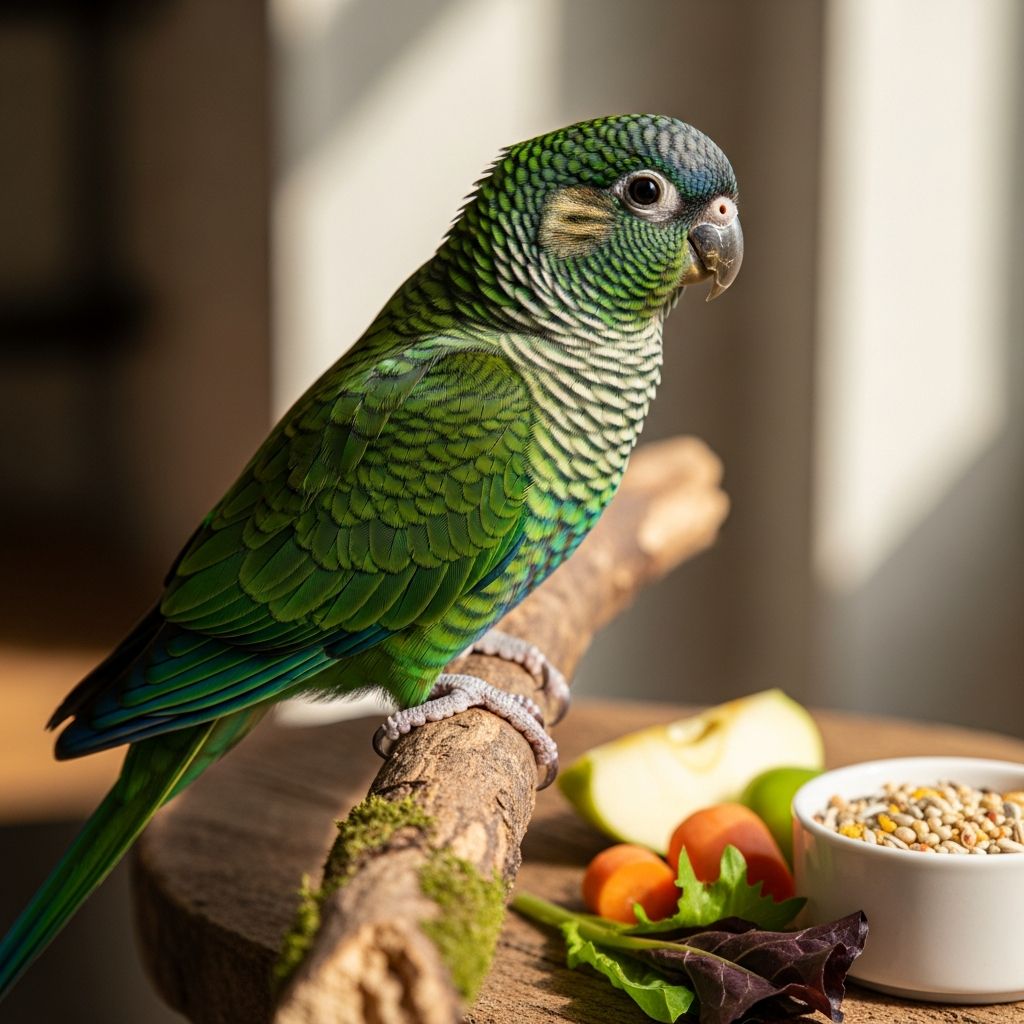
The lineolated parakeet, scientifically known as Bolborhynchus lineola, stands out as one of the most charming and easygoing small parrot species available to bird enthusiasts. With their gentle nature and comparably quieter vocalizations, lineolated parakeets have earned a reputation as ideal companions for those seeking a more peaceful feathered friend. Whether you’re a first-time bird owner or an experienced aviculturist, understanding the unique characteristics, dietary needs, and care requirements of these delightful birds is essential for providing them with a fulfilling life.
What Is A Lineolated Parakeet?
The lineolated parakeet, also referred to as the “linnie” or “barred parakeet,” belongs to the small parrot family and originates from Central and South America. These birds are native to the canopies of dense montane rainforests and cloud forests, where they breed at elevations of 1,500 meters or higher. The name “lineolated” derives from the distinctive black and dark green stripes adorning their green plumage, creating a beautifully barred appearance across their backs, wings, and sides.
Similar in size to budgerigars, lineolated parakeets have a notably stockier build that distinguishes them from their budgie cousins. What makes these birds particularly special is that their barring pattern intensifies with age—unlike budgerigars, the black markings become more pronounced as the birds mature. This characteristic means that juveniles appear duller and less heavily marked than their adult counterparts.
Physical Characteristics
Adult lineolated parakeets measure approximately 16 centimeters (6.5 inches) in length and typically weigh between 42 to 52 grams. The species exhibits sexual dimorphism, with males often displaying more pronounced black stripes than females, though this distinction is not always reliable for sexing purposes. To accurately determine sex, DNA testing is recommended, as visual assessment can be misleading.
These birds display remarkable coloration that extends beyond their base green plumage. The pale-horn colored beak contrasts beautifully with their dark green tail and black wing shoulders. Upon closer inspection, the underside of their wings reveals a subtle hint of blue, while their delicate pink legs and deep dark brown irises complete their distinctive appearance. The cere, located at the base of the beak, is whitish in color.
Color Mutations
Lineolated parakeets exist in various color mutations beyond the standard green wildtype. These mutations are commonly organized into two color series: the green series and the blue series. Breeders have developed mutations including turquoise, olive, and numerous other color variations. The inheritance patterns of these mutations follow specific genetic rules, with some being dominant, recessive, or sex-linked, making lineolated parakeet breeding an intellectually engaging pursuit for dedicated aviculturists.
Personality & Behavior
One of the most appealing characteristics of lineolated parakeets is their remarkably calm temperament and gentle disposition. At rest, these birds strike a distinctive and unusual posture—they adopt a near-horizontal position with their heads aligned almost to their tails, a posture rarely seen in other parrot species. This unique resting position perfectly encapsulates their laid-back nature and relaxed approach to life.
Lineolated parakeets are exceptionally social birds that thrive on interaction and companionship. Their vocalizations are notably milder compared to other parrot species, consisting primarily of soft mumbles and murmurs rather than the ear-piercing screeches characteristic of larger parrots. This quiet demeanor makes them suitable for apartment living and households where noise is a consideration. A hand-fed, single pet lineolated parakeet often bonds very tightly to its owner and can display protective behaviors toward its human companion.
These birds are playful and fun-loving, demonstrating comical antics that endear them to their caretakers. Despite their small size, lineolated parakeets exhibit personalities far larger than their physical frames, making them delightful and entertaining pets that bring joy to their families.
Housing Requirements
Providing appropriate housing is fundamental to the health and happiness of lineolated parakeets. These birds require spacious cages that allow for adequate movement and flight. The cage should be large enough to accommodate multiple perches at varying heights, providing natural-style roosting options similar to their wild canopy habitat.
The ideal cage setup includes:
- Multiple natural wood perches of varying diameters to promote healthy foot exercise
- Toys for mental stimulation and enrichment, including chewing toys, foraging toys, and swings
- Safe roosting areas where birds can retreat to feel secure
- Adequate ventilation and protection from drafts and temperature fluctuations
- Placement away from kitchen areas due to fumes and smoke hazards
Temperature control is important, as lineolated parakeets prefer moderate conditions between 65-75 degrees Fahrenheit. These birds thrive in environments with natural light cycles, making a location near windows beneficial—though direct sunlight should be balanced with shaded areas to prevent overheating.
Nutrition & Feeding
A well-balanced diet is critical for maintaining the health, vitality, and longevity of lineolated parakeets. These birds require a varied diet comprising high-quality pellets, fresh fruits, vegetables, and occasional nuts and seeds. A diet rich in antioxidants, vitamins, and minerals supports their immune system and promotes vibrant plumage.
Recommended dietary components include:
- High-quality pellets as the primary staple food
- Fresh dark leafy greens such as kale, spinach, and chard
- Colorful vegetables including carrots, bell peppers, and broccoli
- Fresh fruits in moderation, including apples, berries, and papaya
- Limited nuts and seeds as treats to prevent obesity
- Clean, fresh water available daily
Lineolated parakeets should not be given avocado, chocolate, caffeine, or salty foods, as these are toxic to parrots. Additionally, any foods treated with pesticides should be washed thoroughly or avoided entirely. The nutritional quality of food directly impacts feather condition, behavioral patterns, and overall longevity.
Bathing & Hygiene
Lineolated parakeets tend to love spray baths and actively enjoy regular water contact. Providing daily or regular bathing opportunities through misting with clean water or offering shallow water dishes promotes healthy feather maintenance and psychological well-being. During the molting season—when new feathers are coming in—birds typically become more active, stand higher on their perches, and display increased vocalization as they prepare for breeding activities.
Regular bathing helps prevent skin conditions, reduces parasites, and keeps plumage in pristine condition. Many lineolated parakeets respond enthusiastically to spray baths, viewing them as an enjoyable enrichment activity.
Lifespan & Health Considerations
Lineolated parakeets have a lifespan of up to 20 years when provided with proper care, nutrition, and veterinary attention. This relatively long lifespan makes them a long-term commitment requiring dedication and responsibility. Regular veterinary check-ups with an avian veterinarian are essential to detect and address potential health issues early.
Common health considerations include:
- Respiratory infections from poor air quality or drafts
- Nutritional deficiencies from inadequate diet
- Feather plucking related to stress, boredom, or hormonal imbalances
- Fatty liver disease from high-fat diets lacking proper nutrition
- Parasitic infections requiring professional treatment
Maintaining appropriate temperature, humidity, air quality, and providing regular veterinary care significantly contributes to preventing disease and promoting longevity.
Breeding & Reproduction
Lineolated parakeets breed readily in captivity when proper conditions are established. They prefer to raise their chicks in hollow tree trunks or specialized breeding boxes that mimic their natural nesting environment. Successful breeding programs require careful consideration of genetics, particularly regarding color mutations and inheritance patterns.
Males and females that are paired together display strong bonding behaviors, including snuggling, preening each other, and coordinated calling to establish territories within a flight or aviaries. When multiple pairs are housed together, some males may bicker over preferred perching spots. Juveniles resemble adults but appear duller with less pronounced black markings until they reach full maturity.
Size & Physical Specifications
| Characteristic | Measurement |
|---|---|
| Average Length | 15-16 cm (6-6.5 inches) |
| Average Weight | 42-55 grams |
| Lifespan | Up to 20 years |
| Vocalization Level | Relatively quiet with soft mumbles |
| Social Nature | Highly social and interactive |
| Color Variations | Green, Blue, Gray, Multi-colored mutations |
Frequently Asked Questions (FAQs)
Q: Are lineolated parakeets good for first-time bird owners?
A: Yes, lineolated parakeets are excellent for first-time bird owners due to their calm temperament, quiet nature, and relatively manageable size. Their gentle disposition and lower noise level compared to other parrot species make them ideal starter birds.
Q: How can I determine the sex of a lineolated parakeet?
A: While males typically have more pronounced black stripes and a blockier head shape, visual sexing is not entirely reliable. Males are also sometimes slightly larger than females. DNA testing is the most accurate method for determining sex with certainty.
Q: What is the best diet for a lineolated parakeet?
A: A balanced diet consisting of high-quality pellets as the base, supplemented with fresh vegetables, dark leafy greens, and occasional fruits and nuts provides optimal nutrition. Avoid avocado, chocolate, caffeine, and salty foods, which are toxic to parrots.
Q: How often should I bathe my lineolated parakeet?
A: Lineolated parakeets enjoy frequent bathing and benefit from daily or regular spray baths. Many actively seek out water and enjoy the bathing experience, making it an excellent enrichment activity.
Q: Can lineolated parakeets be kept in pairs or groups?
A: Yes, lineolated parakeets are social birds that can be housed in pairs or small groups. However, single birds that are hand-fed can bond very closely with their owners. If housing multiple birds, provide adequate space to minimize territorial disputes.
Q: What makes lineolated parakeets different from budgerigars?
A: While similar in size, lineolated parakeets have a stockier build, distinctive black and dark green stripes that intensify with age, and a unique near-horizontal resting posture. They are also generally quieter and have calmer temperaments than budgies.
Q: How much space does a lineolated parakeet need?
A: A spacious cage large enough to accommodate flight and movement is essential. The cage should contain multiple perches at varying heights, toys for enrichment, and adequate space for the bird to stretch and exercise daily.
Q: Are lineolated parakeets loud birds?
A: No, lineolated parakeets are one of the quieter parrot species. They produce soft mumbles and murmurs rather than loud screeches, making them suitable for apartments and noise-sensitive environments.
References
- Barred Parakeet (Bolborhynchus lineola) identification – Birda — Birda. 2024. https://app.birda.org/species-guide/13038/Barred_Parakeet
- Lineolated Parakeet Personality, Food & Care — Lafeber Company. 2024. https://lafeber.com/pet-birds/species/lineolated-parakeet/
- An Introduction to the Lineolated Parakeet — Peggy’s Parrot Place. 2008. https://zoologica.wordpress.com/2008/10/19/an-introduction-to-the-lineolated-parakeet/
- Barred parakeet — Wikipedia. 2024. https://en.wikipedia.org/wiki/Barred_parakeet
- Lineolated Parakeet — Exotic Wings. 2024. https://www.exoticwings.ca/blogs/americans-bird-breeding-directory/lineolated-parakeet
- Lineolated Parakeet — Full Profile, History, and Care — Dial A Vet. 2024. https://www.dialavet.com/blog/lineolated-parakeet-full-profile-history-and-care
Similar Articles








Read full bio of Sneha Tete


