

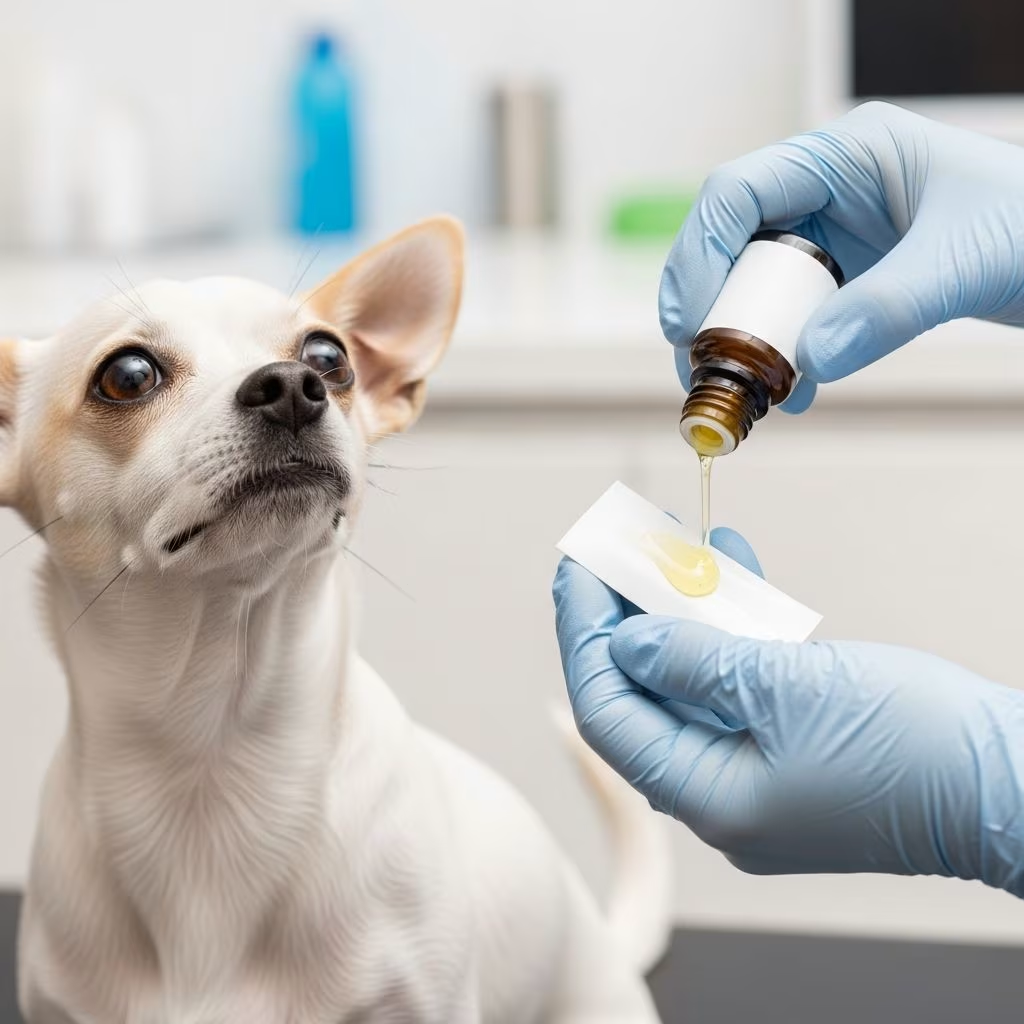
Understanding Lime Sulfur Topical for Pets
Lime sulfur topical is a versatile and effective therapeutic agent used in veterinary medicine to address a variety of skin conditions in companion animals and livestock. As a leave-on treatment, it has become a go-to solution for veterinarians treating fungal infections, parasitic infestations, and bacterial skin conditions. The most common brand name associated with this treatment is LimePlus® Dip, which represents a concentrated formulation that requires proper dilution before application to your pet.
This medication works by leveraging the antimicrobial, antifungal, and antiparasitic properties of sulfur compounds to eliminate pathogens responsible for skin infections. Beyond its infection-fighting capabilities, lime sulfur topical also provides significant relief from the itching and discomfort that often accompanies these conditions, helping your pet return to normal activity levels more quickly.
What Conditions Does Lime Sulfur Treat?
Lime sulfur topical addresses a broad spectrum of dermatological issues affecting dogs, cats, puppies, kittens, and horses. The primary conditions for which veterinarians prescribe this medication include:
Fungal Infections: Ringworm (dermatophytosis) is one of the most common fungal infections treated with lime sulfur topical. This contagious fungal infection affects the outer layers of skin and can spread rapidly among animals in close contact. Lime sulfur works effectively to eliminate the fungus while preventing recurrence when used as directed.
Yeast Infections: Topical yeast infections, specifically Malassezia dermatitis, respond well to lime sulfur treatment. This condition often causes excessive itching, redness, and flaking of the skin. The antifungal properties of lime sulfur target and eliminate the yeast organisms responsible for these uncomfortable symptoms.
Parasitic Infestations: Several species of skin and fur mites, including those causing mange, can be effectively treated with lime sulfur topical. Both sarcoptic and demodectic mange respond to this therapy, making it particularly valuable for pet owners seeking alternatives to other systemic treatments. Additionally, lice infestations can be controlled with regular applications of this medication.
Application Methods and Formats
Lime sulfur topical is available in multiple formulations to suit different treatment preferences and pet needs:
Dip Solution: The most traditional and widely used format is the liquid dip solution. This concentrated formula must be diluted with water according to product label instructions and your veterinarian’s specific recommendations before application to your pet. The dip solution allows for thorough coverage of affected areas and the entire body if systemic treatment is necessary.
Therapeutic Shampoos: Some manufacturers incorporate lime sulfur into therapeutic shampoo formulations, providing an alternative for pet owners who prefer a wash-based application. These shampoos combine the benefits of lime sulfur with cleansing agents to remove debris and promote skin healing.
Creams and Wipes: Localized treatment options include lime sulfur creams and medicated wipes, which are particularly useful for treating specific affected areas rather than the entire body. These formats are convenient for targeted therapy and are often easier to apply to cats or anxious pets.
How to Properly Administer Lime Sulfur Topical
Correct application is essential for both safety and effectiveness. Follow these comprehensive guidelines to ensure optimal results:
Preparation: Begin by reading and carefully following the instructions on the product label, in conjunction with your veterinarian’s specific directions. Never deviate from recommended dilution ratios, as improper dilution can lead to skin irritation or other adverse effects. For the concentrated LimePlus® Dip solution, dilute exactly as instructed, typically at a ratio of 4 ounces of concentrate per gallon of water.
Environmental Considerations: Always apply lime sulfur topical in a well-ventilated area. The medication has a distinctive and strong sulfur odor that can be unpleasant and potentially irritating if inhaled in concentrated amounts. If your home ventilation is limited, consider wearing a respirator-type mask during application to protect yourself from inhalation of fumes. Additionally, wear protective gloves throughout the application process to protect your skin from the solution.
Application Process: After bathing your pet with regular shampoo and rinsing thoroughly, apply the diluted lime sulfur solution generously to the affected areas, massaging it into the skin. For systemic conditions affecting larger areas, apply the solution to the entire body. Allow the solution to dry naturally on your pet’s coat without rinsing or blow drying. This allows the medication to remain in contact with the skin for extended periods, maximizing its therapeutic effect.
Post-Application Care: A critical safety measure involves preventing your pet from grooming or ingesting the product after application. Until the solution is completely dry, keep your pet from licking their coat or skin. Consider using an Elizabethan collar if your pet tends to groom excessively. Additionally, be aware that lime sulfur may cause temporary staining of your animal’s hair coat and skin, as well as some household surfaces and fabrics. This discoloration typically fades over time but is an important consideration when planning your treatment schedule.
Treatment Duration and Effectiveness Timeline
Understanding the expected timeline for improvement is important for maintaining compliance with your veterinarian’s treatment plan. Lime sulfur topical requires patience, as the medication takes several doses before visible effects become apparent. The full therapeutic benefit may not be evident until your animal has received consistent treatment for several weeks.
However, you should expect to see gradual improvement in clinical signs throughout the course of therapy. This may include reduced itching, decreased scaling, improved coat condition, and visible healing of affected skin areas. Continue using this medication for the entire time prescribed by your veterinarian, even if it appears that your pet is feeling significantly better. Premature discontinuation of treatment can result in recurrence of the infection or infestation.
Regular reassessment appointments with your veterinarian will help determine when treatment can be concluded and will also allow monitoring for any concerning side effects that may develop during the course of therapy.
Important Safety Information and Risk Factors
Contraindications: Lime sulfur topical should NOT be used in pets who are allergic to lime sulfur or any component of the formulation. Allergic reactions can range from mild localized irritation to severe systemic responses, so inform your veterinarian of any known allergies before starting treatment.
Cautions: Use this medication with caution in pets who are sick, failing, or geriatric. These animals may have compromised skin barriers or systemic conditions that increase sensitivity to topical treatments. Your veterinarian will weigh the benefits against potential risks in these cases.
Dilution Importance: Toxic effects have been reported when lime sulfur was improperly diluted and applied to a pet’s skin. Always follow dilution instructions precisely to prevent adverse reactions. Improper dilution can result in chemical burns, severe skin irritation, or systemic toxicity.
Developing Sensitivities: Drug sensitivities can develop over time with repeated exposure. Your pet may tolerate the first few doses without any reaction but may develop sensitivity later in the treatment course. It is important to watch for signs of allergic reaction throughout the entire duration of therapy, including redness, swelling, excessive itching, or signs of discomfort during or after application.
Monitoring Your Pet During Treatment
Active monitoring during and after lime sulfur application is essential for ensuring your pet’s safety and the treatment’s effectiveness:
Temperature Monitoring: Monitor pets closely for a drop in body temperature during application and the drying period. While uncommon, hypothermia can occur, particularly in small animals, young pets, or those with compromised health status. If you notice shivering or lethargy, discontinue the treatment and consult your veterinarian.
Ingestion Prevention: Do not allow the pet to lick or ingest the product during or after application. This may require temporary separation from other pets or use of preventive devices like Elizabethan collars during the drying period.
Side Effect Observation: At home, monitor for any side effects such as skin irritation, excessive itching, hair loss, or signs of allergic reaction. If any side effects occur, stop using the medication immediately and contact your veterinarian for guidance.
Veterinary Follow-Up: Your veterinarian will establish a reassessment schedule to evaluate whether the medication is working effectively and not causing unwanted side effects. These check-ins are crucial for adjusting treatment if necessary and ensuring your pet’s overall health during therapy.
Drug Interactions and Additional Medications
Before starting lime sulfur topical treatment, inform your veterinarian about any medications, vitamins, supplements, or herbal therapies your pet is currently taking. While there are no documented drug interactions specifically associated with lime sulfur topical, your veterinarian must review your pet’s complete medication profile to ensure safe concurrent use. This comprehensive review helps prevent potential complications and ensures that your pet receives optimal care.
Frequently Asked Questions
Q: How often should I apply lime sulfur topical to my pet?
A: The frequency of application depends on the specific condition being treated and your veterinarian’s recommendations. Typically, treatments are applied at 5-7 day intervals. For more chronic or resistant cases, your veterinarian may recommend more frequent applications or adjust the concentration of the solution.
Q: Can lime sulfur topical be used on puppies and kittens?
A: Yes, lime sulfur topical is safe for use on puppies, kittens, and foals when properly diluted and applied according to veterinary directions. The gentle yet effective formula makes it suitable for young animals, though your veterinarian should be consulted to ensure appropriate dosing for your specific pet.
Q: Why is lime sulfur effective for mange when other treatments don’t work?
A: Lime sulfur works through multiple mechanisms including direct parasite killing, antimicrobial action, and anti-inflammatory effects. It is particularly valuable for breeds like Australian Shepherds and Collies that have documented sensitivities to ivermectin, making it an excellent alternative treatment option.
Q: Will the yellow staining from lime sulfur be permanent?
A: No, the staining is temporary and typically fades over time as the treated hair grows out and is shed. The staining is a cosmetic consideration rather than a health concern.
Q: What should I do if my pet shows signs of an allergic reaction?
A: Stop the treatment immediately and contact your veterinarian. Signs of allergic reaction include excessive itching, redness, swelling, or any other unusual symptoms. Your veterinarian can determine whether to discontinue treatment or adjust the application method.
Q: Can I use lime sulfur topical alongside bathing?
A: Yes, bathing with regular shampoo before applying lime sulfur is recommended. This helps remove debris and allows better penetration of the medication. However, do not rinse the diluted lime sulfur solution after application, as this reduces its effectiveness.
References
- Lime Sulfur Topical for Pets — VCA Animal Hospitals. 2024. https://vcahospitals.com/know-your-pet/lime-sulfur-topical
- FDA DailyMed: Classic Lime Sulfur Cream — U.S. Food and Drug Administration. 2024. https://dailymed.nlm.nih.gov/dailymed/fda/fdaDrugXsl.cfm?setid=87dea77a-62c5-4012-8e8b-74558c5adc05
- What’s Going On With Lime Sulfur? Updates from Dr. DeTar and the ASV — Cornell Shelter Medicine Program. 2021-09-30. https://blogs.cornell.edu/cornellsheltermedicine/2021/09/30/whats-going-on-with-lime-sulfur-updates-from-dr-detar-and-the-asv/
- Vet Basics Lime Sulfur Dip Product Guide — Revival Animal Health. 2024. https://www.revivalanimal.com/product/vet-basics-lime-sulfur-dip-for-cats-dogs



