

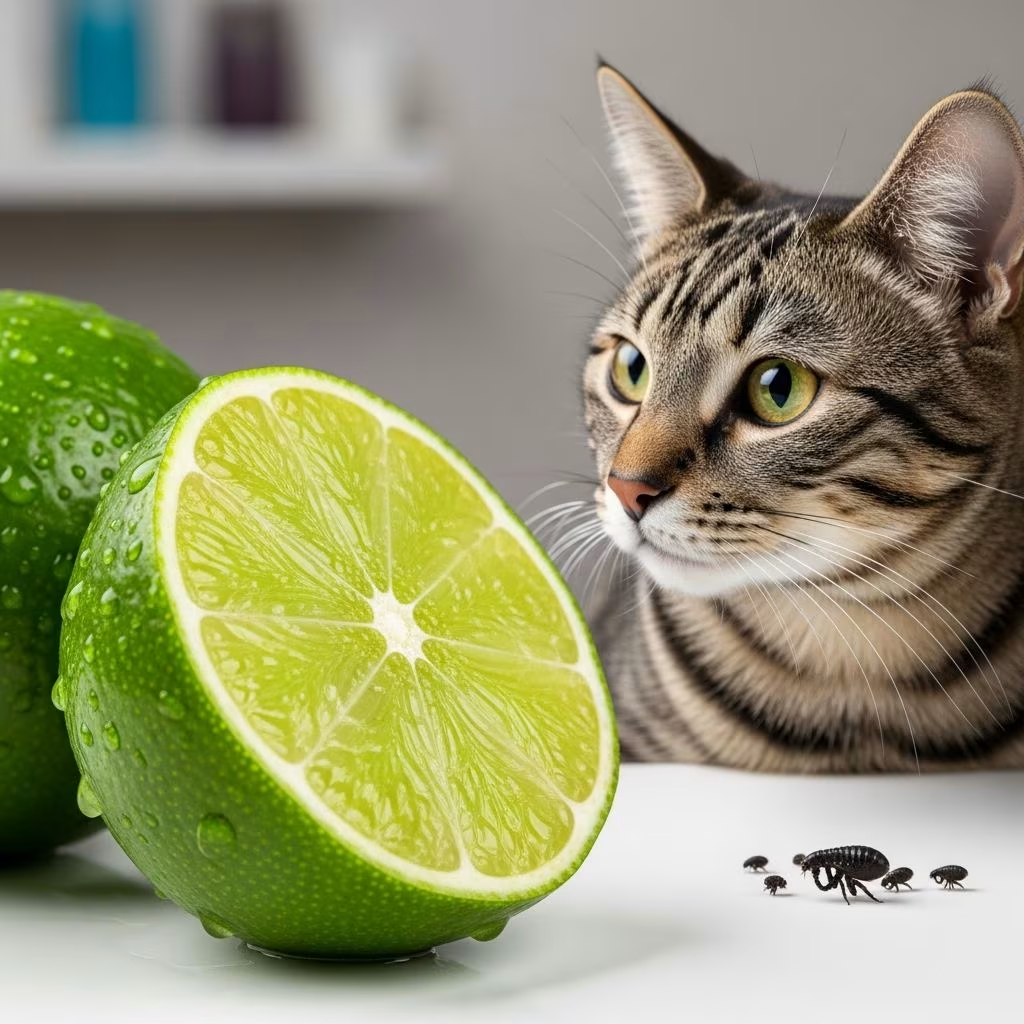
Flea infestations can be a significant source of discomfort for cats and frustration for their owners. When seeking alternatives to conventional pesticide treatments, many pet owners explore natural remedies, including lime-based products. However, the question of whether lime effectively eliminates fleas while remaining safe for cats requires careful examination of both scientific evidence and practical safety considerations.
Understanding Lime-Based Products
Lime encompasses several distinct products derived from limestone processing, each with different chemical compositions and applications. The most common varieties include garden lime, quicklime, hydrated lime, and dolomitic lime. These substances have been utilized historically in agriculture, construction, and pest management due to their alkaline properties and mineral content.
Garden lime and dolomitic lime consist primarily of calcium carbonate, while quicklime and hydrated lime are calcium oxide and calcium hydroxide respectively. These chemical differences significantly impact their potential effectiveness against pests and their safety profiles for household use around animals. Understanding these distinctions is crucial before considering any application for flea management.
The Scientific Evidence on Flea Control
Despite lime’s long history as an agricultural pest management tool, the scientific literature supporting its use against fleas remains remarkably limited. Research examining lime’s effectiveness against various insects has produced mixed and inconsistent results. A 1992 study investigating hydrated lime found it ineffective against certain insect species, particularly aphids, and failed to demonstrate it as a practical alternative to commercial pest control products.
While anecdotal reports from agricultural practitioners and gardeners occasionally cite lime’s effectiveness against various pests, these accounts lack rigorous scientific verification. Agricultural and horticultural communities continue employing lime for insect control, but this widespread use does not necessarily correlate with proven efficacy through controlled scientific studies. The absence of peer-reviewed research specifically examining lime’s impact on flea populations in household settings or on companion animals represents a significant gap in our understanding.
The USDA has documented that lime sulfur dips effectively manage mites and certain other insects in livestock applications. However, this finding does not directly translate to efficacy against fleas, nor does it provide evidence for use on cats. Lime sulfur dips are primarily recognized for treating mange and fungal infections in animals, not for flea elimination, and safer, more effective alternatives now exist for these conditions as well.
Practical Limitations and Environmental Considerations
Beyond the question of effectiveness, applying lime to outdoor environments presents practical challenges that limit its utility as a standalone flea control measure. When used on lawns and gardens, lime may gradually create conditions less favorable for flea development by drying soil and altering environmental pH. However, this effect occurs slowly and inconsistently, making it unreliable as a primary flea management strategy.
Additionally, lime application to yard spaces carries environmental consequences. The substance can damage lawn grass and garden plants, potentially causing defoliation and plant stress. These effects may be counterproductive, as maintaining healthy, well-maintained outdoor spaces is actually beneficial for flea prevention through better visibility and reduced breeding habitats.
Regarding yard treatment for flea prevention, professional pest control services offer more predictable results and appropriate application techniques. If environmental treatment is necessary, consulting with pest control specialists ensures proper handling and optimal outcomes without risking damage to landscaping or creating unintended consequences.
Critical Safety Hazards for Felines
The safety concerns associated with lime products represent perhaps the most important reason veterinarians advise against their use around cats. Different lime varieties present distinct toxicity profiles, ranging from gastrointestinal irritation to severe chemical burns and respiratory damage.
Caustic Chemical Burns
Quicklime and hydrated lime are caustic substances that cause severe chemical burns upon contact with living tissue. These products increase in alkalinity when exposed to moisture, including water and the natural moisture present on an animal’s skin and mucous membranes. A cat’s encounter with wet hydrated lime can result in painful burns to paws, nose, eyes, and any area of exposed skin. The corrosive nature of these substances means that immediate water rinsing, while a standard response to many chemical exposures, can paradoxically worsen the injury by increasing the alkalinity of the lime.
Gastrointestinal Complications
Garden lime and dolomitic lime, composed of calcium carbonate, present digestive system risks. Cats that groom themselves after exposure to lime dust or residue will ingest the substance, leading to gastrointestinal upset, vomiting, and potentially more severe digestive complications. The amount ingested during normal grooming behavior may be sufficient to cause clinical signs.
Respiratory Irritation
Lime dust readily becomes airborne during application and dispersal, creating inhalation hazards for both humans and animals. Cats exposed to lime dust environments experience respiratory tract irritation, coughing, and breathing difficulties. Felines are particularly vulnerable due to their sensitive respiratory systems and grooming habits, which can concentrate inhalable particles on their fur and whiskers.
Paw and Eye Irritation
Even garden lime that is less caustic than quicklime or hydrated lime irritates delicate tissues. Cats walking through lime-treated areas experience irritation to paw pads and between toes. Contact with eyes causes significant discomfort and potential corneal damage. The chronic irritation from repeated exposure can lead to behavioral changes, as cats may avoid certain areas or develop anxiety related to outdoor access.
Why Veterinarian-Recommended Treatments Are Superior
Veterinary professionals recommend specific flea control products based on extensive clinical evidence, controlled testing, and proven safety profiles. These treatments fall into several categories, each offering advantages over unproven natural alternatives.
Topical and Oral Medications
Modern topical flea preventatives and oral flea medications are formulated with active ingredients that target fleas’ nervous systems, causing paralysis and death. These products are administered under veterinary guidance, ensuring appropriate dosing for individual cats’ weight and health status. Topical treatments applied to the skin between shoulder blades prevent ingestion through grooming, while oral medications offer convenience and effectiveness. Both delivery methods have undergone rigorous testing to establish safety profiles and efficacy rates exceeding ninety percent.
Comprehensive Life Cycle Management
A critical advantage of veterinary flea control involves addressing the complete flea life cycle. Effective flea management requires eliminating adult fleas on the animal while simultaneously targeting eggs and immature stages in the environment. Veterinarians provide guidance on treating all household pets, vacuuming techniques targeting flea egg-laying sites, and environmental management strategies. This comprehensive approach addresses fleas at every developmental stage, preventing the reinfestation cycles that often frustrate pet owners.
Environmental Management and Home Treatment
Successful flea eradication extends beyond treating the cat itself. The home environment harbors flea eggs and larvae that mature into adult fleas, perpetuating infestations even when adult fleas are eliminated from the pet.
Laundering and Bedding Replacement
Cat bedding, blankets, and fabric items should be washed in hot water regularly, or replaced if washing proves impractical. Hot water kills flea eggs and larvae, breaking the reproductive cycle. Frequent washing prevents flea population buildup in sleeping areas where cats spend considerable time.
Vacuuming Strategies
Frequent and thorough vacuuming effectively reduces flea populations by removing eggs and larvae from carpeting, upholstered furniture, and flooring. Particular attention to cracks, baseboards, and dark corners where fleas preferentially lay eggs maximizes effectiveness. Immediately emptying vacuum bags or canisters outside prevents flea escape and reinfestation.
Timeline for Complete Eradication
Flea elimination is not instantaneous. Depending on infestation severity and environmental conditions, complete eradication may require several months of consistent treatment and environmental management. Patience and adherence to veterinary recommendations ensure success.
Comparison of Flea Control Approaches
| Treatment Method | Effectiveness | Safety for Cats | Cost | Professional Assistance |
|---|---|---|---|---|
| Veterinary Topical Treatments | Very High (90%+) | Excellent | Moderate | Recommended |
| Veterinary Oral Medications | Very High (90%+) | Excellent | Moderate to High | Required |
| Lime-Based Products | Unproven | Poor | Low | Not Recommended |
| Professional Pest Control | Very High | Good (when properly applied) | Moderate to High | Required |
| Flea Collars | Low to Moderate | Variable | Low to Moderate | Optional |
| Flea Shampoos | Low to Moderate | Moderate | Low | Optional |
Frequently Asked Questions
Can I apply lime directly to my cat to kill fleas?
No. Direct application of lime to a cat is dangerous and should never be attempted. The caustic properties of quicklime and hydrated lime cause chemical burns, while all lime varieties present risks of respiratory irritation, eye damage, and gastrointestinal upset through grooming. Cats are particularly vulnerable due to their grooming instincts, which concentrate particles on their fur and skin.
Is lime sulfur dip safe for flea treatment on cats?
While lime sulfur dips are recognized for treating certain fungal infections and mange in animals, they are not standard flea treatments. More advanced, safer alternatives specifically designed for flea elimination now exist. Consultation with a veterinarian ensures selection of appropriate treatments for your cat’s specific condition.
If I treat my yard with lime, will it prevent fleas from infesting my cat?
Yard treatment with lime may gradually create less hospitable conditions for fleas, but the effect is inconsistent and slow. Lime alone is insufficient for reliable flea prevention. Combining environmental management with veterinary flea prevention on the cat provides far superior protection.
What should I do if my cat is exposed to lime?
If your cat contacts lime, avoid rinsing with water initially, as this increases the caustic properties of hydrated or quicklime. Instead, use a dry cloth or towel to carefully remove lime dust, paying particular attention to paw pads and areas between toes. Contact your veterinarian immediately for evaluation and treatment of any burns or irritation. For suspected ingestion, emergency veterinary care is necessary.
How long does flea treatment take to work?
Veterinary flea treatments typically kill adult fleas within 24 to 48 hours, with full environmental control requiring weeks to months depending on infestation severity. Your veterinarian will recommend treatment duration and follow-up protocols specific to your situation.
Conclusion and Recommendations
While the search for natural alternatives to conventional pesticides is understandable, lime does not represent a safe or proven solution for flea control in cats. The scientific evidence supporting lime’s effectiveness against fleas remains negligible, while the documented safety risks are substantial and well-established.
Pet owners concerned about flea infestations should prioritize consultation with their veterinarian, who can recommend evidence-based treatments tailored to individual cats’ needs and health status. Modern veterinary flea control products offer superior efficacy, established safety profiles, and the professional guidance necessary for comprehensive flea management. When combined with environmental treatment and household management strategies, these approaches provide reliable protection for cats and their families without exposing animals to unnecessary chemical or physical hazards.
Flea prevention is significantly more achievable than flea eradication, making early intervention and appropriate treatment essential components of responsible cat care. By choosing veterinarian-approved methods over unproven natural remedies, cat owners invest in their pets’ health, comfort, and wellbeing while avoiding the frustration and complications associated with treatment failure.
References
- Does Lime Kill Fleas on Cats? Vet Reviewed Effectiveness & Safety — Catster. 2024. https://www.catster.com/cat-health-care/does-lime-kill-fleas-on-cats/
- Does Lime Kill Fleas? Vet Reviewed Facts & Safety Tips — Hepper. 2024. https://articles.hepper.com/does-lime-kill-fleas/
- Does lime sulfur dip effectively kill fleas? — Dial A Vet. 2024. https://www.dialavet.com/vet-answers/lime-sulfur-dip-for-fleas-36904



