

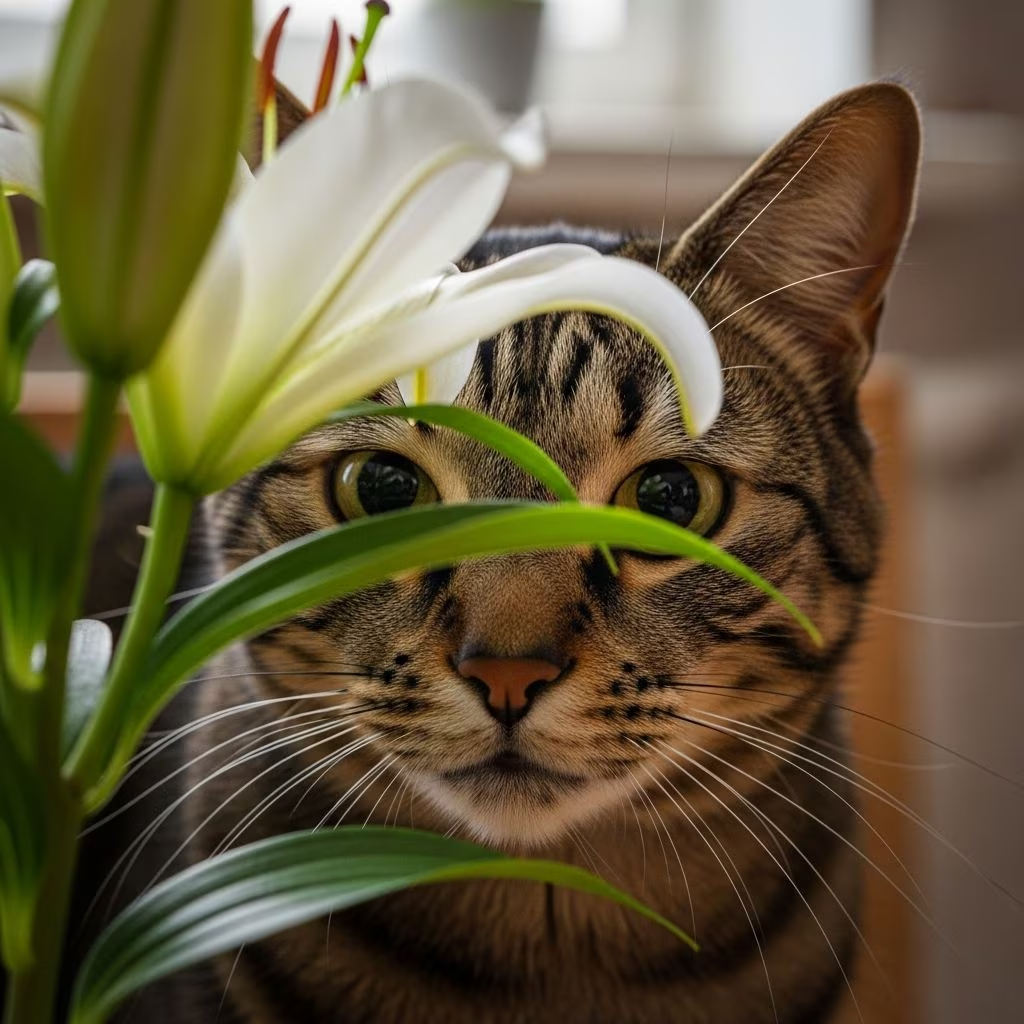
Beautiful lilies brighten homes and gardens, but they represent a hidden peril for cats. Even minimal contact with certain lily species can trigger swift and irreversible kidney damage, often leading to death without prompt intervention. Cat owners must understand this threat to protect their pets effectively.
Why Lilies Are So Hazardous for Felines
The danger stems from unknown toxins in lilies that specifically target feline kidneys. Unlike dogs or humans, cats lack the physiology to process these compounds, resulting in acute renal failure. Ingestion of leaves, flowers, pollen, or vase water suffices to initiate toxicity. All parts of the plant carry the risk, with effects manifesting rapidly.
Research confirms that true lilies (Lilium species) and daylilies (Hemerocallis species) are the primary culprits. Even brushing against pollen and grooming it off can prove fatal. Vase water accumulates concentrated toxins, making it equally hazardous. This specificity to cats underscores the need for vigilance in multi-pet households or areas frequented by neighborhood felines.
Common Toxic Lily Varieties to Avoid
Not all lilies endanger cats equally, but several popular types demand complete avoidance. Key hazardous species include:
- Asiatic lilies (Lilium asiaticum): Frequently used in bouquets, highly nephrotoxic.
- Stargazer lilies: Vibrant pink blooms, deadly upon any exposure.
- Tiger lilies: Orange-spotted flowers, notorious for pollen-related incidents.
- Easter lilies (Lilium longiflorum): Seasonal staples, responsible for many poisoning cases.
- Daylilies (Hemerocallis spp.): Garden perennials, equally dangerous despite the name difference.
Less risky options like Peruvian lilies (Alstroemeria) may cause only mild gastrointestinal upset but should still be approached cautiously. Lily of the valley, though not a true lily, contains cardiac glycosides toxic to the heart and warrants avoidance.
Recognizing the Stages of Lily Toxicity
Symptoms unfold in predictable phases, allowing early detection if owners stay alert. Initial gastrointestinal signs appear within 0-12 hours, potentially misleading owners into thinking the issue resolves.
| Time Frame | Symptoms |
|---|---|
| 0-12 hours (Immediate) | Drooling, vomiting, pawing at mouth, lethargy, inappetence, diarrhea |
| 12-24 hours | Increased thirst/urination, dehydration, depression, ulcers in mouth, rapid heart rate, low blood pressure |
| 24-72 hours | Kidney failure: decreased urination, tremors, seizures, disorientation, coma, death |
Early indicators mimic minor stomach bugs, but progression to renal signs confirms lily involvement. Dehydration manifests as tacky gums, sunken eyes, and poor skin elasticity. Neurologic effects signal advanced damage.
Immediate Actions If Exposure Occurs
Time is critical: survival hinges on treatment within 18 hours. Do not wait for symptoms or attempt home remedies like inducing vomiting, which can worsen outcomes in cats.
- Remove all lily access and prevent grooming if pollen is on fur.
- Contact a veterinarian or pet poison hotline immediately, providing plant details.
- Rush to an emergency clinic without delay.
Vets assess via bloodwork (elevated BUN/creatinine), urinalysis (dilute urine), and possibly ultrasound. Even suspected exposure justifies action.
Veterinary Interventions for Lily Poisoning
No antidote exists, so therapy focuses on decontamination, renal support, and symptom management. Protocols include:
- Decontamination: Induce vomiting if within 2 hours, followed by activated charcoal to bind toxins.
- Fluid Therapy: Intravenous fluids for 48-72 hours flush kidneys, correct electrolytes, and maintain urine output via catheter if needed.
- Monitoring: Serial blood tests track renal values; urine output measurement is vital.
- Supportive Care: Antiemetics (e.g., maropitant), gastrointestinal protectants (sucralfate), and pain relief.
- Advanced Options: Hemodialysis in specialized centers removes toxins directly, improving prognosis if early.
With intervention under 18 hours, survival exceeds 50-90%; delays often yield irreversible failure. Post-discharge requires ongoing renal checks.
Creating a Lily-Free Environment
Prevention trumps treatment. Strategies include:
- Ban lilies from indoors, including gifts and holiday displays.
- Use elevated planters or fences for outdoor gardens.
- Educate neighbors about roaming cats.
- Select non-toxic blooms like roses, sunflowers, or orchids.
Keep cats indoors to minimize risks. Train family members to recognize lilies by sight.
Safe Plant Alternatives for Cat Households
Enhance your space without hazard using these vet-approved options:
| Plant Name | Benefits | Cat Safety |
|---|---|---|
| Spider Plant | Air-purifying, dangling foliage | Non-toxic, though mildly laxative |
| Boston Fern | Lush greenery | Safe if ingested occasionally |
| Catnip or Catmint | Attracts and stimulates cats | Perfectly safe and enjoyable |
| Parlor Palm | Elegant, low-maintenance | Non-toxic |
| Saflower | Bright flowers | Harmless alternative |
These provide aesthetic appeal while prioritizing safety.
FAQs: Lily Toxicity in Cats
What if my cat drinks lily vase water?
It’s toxic and can cause full poisoning. Empty vases immediately and seek vet care.
Can a small lick of lily cause harm?
Yes, even trace amounts trigger renal failure. Assume any contact is dangerous.
How quickly must I get to the vet?
Ideally within 2 hours for decontamination; no later than 18 hours for survival odds.
Are all lilies equally toxic?
True lilies and daylilies are most severe; Peruvian lilies milder but avoid all.
What are long-term effects for survivors?
Potential chronic kidney disease; requires lifelong monitoring.
Is lily pollen on fur dangerous?
Yes, grooming ingests it. Wipe gently with damp cloth and prevent licking.
Broader Implications for Pet Safety
Lily incidents highlight the importance of plant awareness. Thousands of cases occur yearly, many preventable. Educating communities reduces risks. Consult ASPCA toxic plant lists regularly. By choosing wisely, owners ensure harmonious homes.
References
- Lovely Lilies and Curious Cats: A Dangerous Combination — U.S. Food and Drug Administration. 2023-10-24. https://www.fda.gov/animal-veterinary/animal-health-literacy/lovely-lilies-and-curious-cats-dangerous-combination
- Lily Poisoning in Cats: What To Do If Your Cat Ingests a Lily Flower — PetMD. 2024-05-15. https://www.petmd.com/cat/poisoning/lily-poisoning-cats
- Lily Toxicity in Cats — Rhinebeck Animal Hospital. 2023-11-01. https://rhinebeckanimalhospital.com/blog/936263-lily-toxicity-in-cats
- Lily Poisoning in Cats: Everything You Need to Know — MedVet. 2024-02-12. https://www.medvet.com/what-is-lily-toxicity-cats/
- Lily Toxicity: The Potentially Fatal Danger to Cats — MSPCA-Angell. 2023-08-30. https://www.mspca.org/angell_services/lily-toxicity-the-potentially-fatal-danger-to-cats/
- Lily Intoxication in Cats: Information for Cat Owners — National Center for Biotechnology Information (PMC). 2024-01-15. https://pmc.ncbi.nlm.nih.gov/articles/PMC10822363/



