

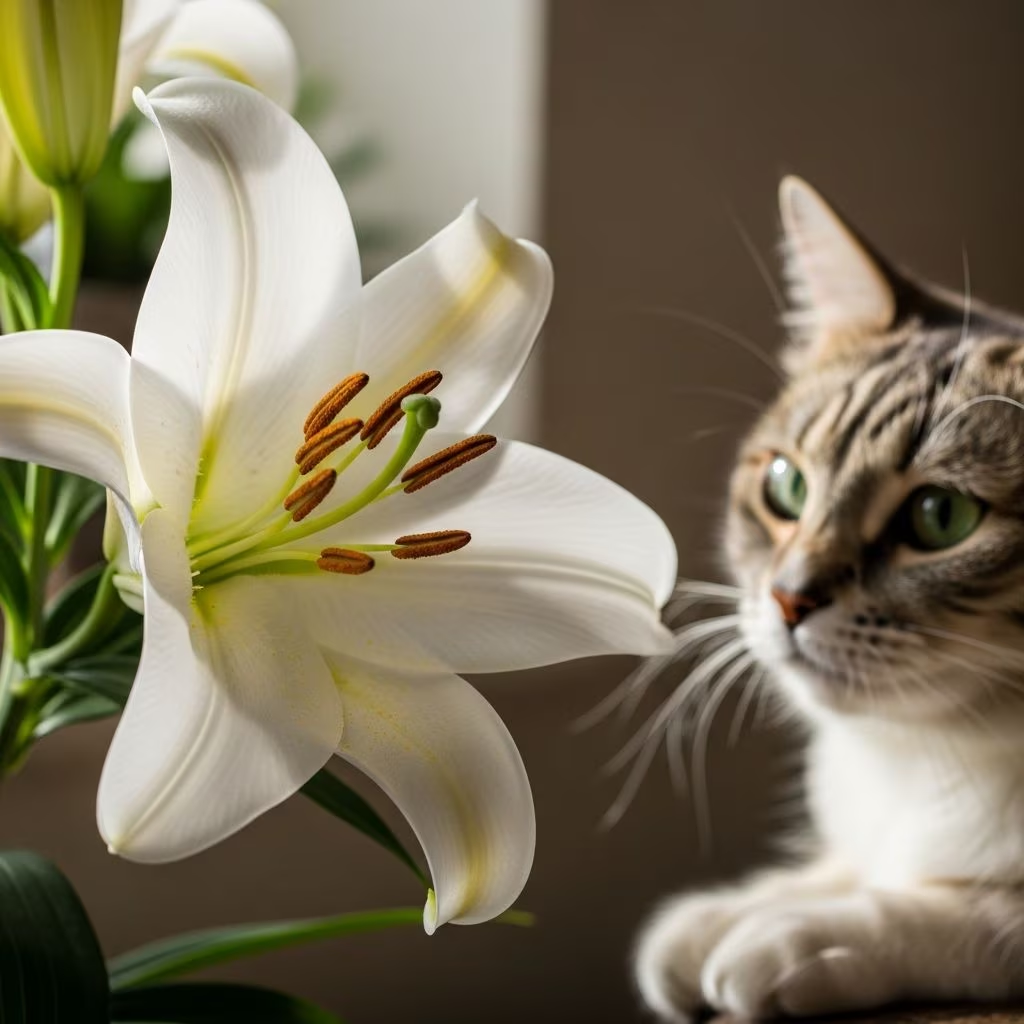
Lilies represent one of the most dangerous plants for cats, capable of causing acute kidney failure and death from even minimal exposure. All parts of certain lily species, including pollen, petals, stems, leaves, and vase water, contain toxins that target the feline kidneys specifically. Cats are uniquely susceptible, with dogs showing far milder effects. Prompt veterinary intervention within hours of exposure is critical for survival, as delays beyond 18-24 hours often lead to irreversible damage.
Why are lilies toxic to cats?
The exact toxin in lilies responsible for feline toxicity remains unidentified, but it rapidly damages kidney cells, leading to acute kidney injury (AKI). True lilies (Lilium species) and daylilies (Hemerocallis species) are the primary culprits. Ingestion of any amount—even licking pollen off fur or drinking contaminated water—triggers gastrointestinal upset within 1-12 hours, followed by renal failure signs by 12-24 hours. Cats metabolize the unknown compound into a nephrotoxic metabolite that destroys proximal renal tubular cells, causing oliguric or anuric kidney failure if untreated. Research from the University of Pennsylvania indicates AKI prevalence around 45% in exposed cats, challenging prior assumptions that all cases require hospitalization. Without decontamination and supportive care, mortality approaches 100%.
Which lilies are toxic to cats?
Not all plants called “lilies” endanger cats, but several common varieties do. Key toxic species include:
- True lilies (Lilium spp.): Includes Easter lily (Lilium longiflorum), Tiger lily (Lilium tigrinum), Stargazer lily, Oriental lily—all highly nephrotoxic.
- Daylilies (Hemerocallis spp.): Such as common daylily; cause similar renal damage despite not being true lilies.
- Other risky plants: Calla lily (Zantedeschia aethiopica) causes oral irritation but not kidney failure; Peace lily (Spathiphyllum) leads to vomiting from calcium oxalate crystals.
Safe alternatives include orchids, sunflowers, and roses (avoid thorns). Always verify plant identity, as mislabeled bouquets from florists pose hidden risks.
Symptoms of lily poisoning in cats
Symptoms appear rapidly, divided into phases for clarity:
Early signs (1-12 hours post-ingestion):
- Vomiting (often first sign, containing plant material)
- Excessive drooling
- Lethargy and decreased activity
- Loss of appetite
- Dehydration
Progressive signs (12-24 hours):
- Increased thirst (polydipsia)
- Increased urination (polyuria, early AKI)
- Abdominal pain
- Persistent vomiting
Late signs (24-72 hours):
- Decreased or absent urination (oliguria/anuria)
- Severe lethargy/depression
- Neurological issues: tremors, seizures, disorientation
- Coma and death
These timelines vary by exposure amount and lily type, but vomiting occurs in nearly all cases progressing to azotemia.
What to do if your cat eats a lily
Act immediately—do not wait for symptoms. Contact a veterinarian or pet poison hotline (e.g., ASPCA at 888-426-4435) right away. Key steps:
- Remove exposure: Wipe pollen from fur with damp cloth; prevent grooming.
- Do not induce vomiting at home: Risks aspiration; vet uses safe emetics like apomorphine.
- Rush to vet: Within 18 hours is critical; ideally under 6 hours for best prognosis.
Vets assess via history, physical exam, bloodwork (BUN, creatinine, SDMA for AKI), urinalysis, and ultrasound. Survival exceeds 90% with early aggressive care.
Treatment for lily toxicity in cats
No specific antidote exists; treatment focuses on decontamination, renal support, and monitoring. Protocols include:
- Decontamination (if <6 hours): Emesis induction, activated charcoal (binds toxin), gastric lavage.
- IV fluids: 48-72 hours minimum to flush kidneys, correct electrolytes/dehydration; urinary catheter monitors output.
- Anti-emetics: Maropitant or ondansetron for vomiting.
- Monitoring: Serial bloodwork, urine output; dialysis (hemodialysis/peritoneal) for severe cases.
- Supportive care: Pain relief, nutrition via feeding tube if needed.
A 2023 AVMA study found outpatient management viable for stable cats (87.5% survival vs. 100% inpatient), though hospitalization remains standard. Post-discharge: weekly bloodwork to track recovery.
Lily toxicity prognosis in cats
Prognosis hinges on time to treatment:
| Time to Treatment | Survival Rate | Notes |
|---|---|---|
| <18 hours | >90% | Excellent with aggressive fluids/dialysis |
| 18-48 hours | Guarded (50-80%) | AKI common; some recover |
| >48 hours | Poor (<20%) | Irreversible failure likely |
Even survivors require lifelong kidney monitoring, as subclinical damage may progress to chronic kidney disease.
How to prevent lily poisoning in cats
Prevention is straightforward and 100% effective:
- Avoid lilies entirely: No indoor plants, bouquets, or garden lilies.
- Cat-proof gardens: Fencing or indoor-only policy.
- Florist awareness: Specify “cat-free” arrangements.
- Safe plants: African violets, Boston ferns, cat grass.
- Supervise outdoors: Neighbors’ lilies pose risks.
Educate family/houseguests; use apps like PictureThis for plant ID.
FAQs
Are all lilies toxic to cats?
No, but true lilies (Lilium) and daylilies (Hemerocallis) are deadly. Calla/peace lilies cause milder GI upset.
Can cats get lily poisoning from vase water?
Yes, vase water absorbs toxins; even sips can kill.
Is lily pollen toxic to cats?
Absolutely—licking pollen off fur causes full toxicity.
How long do lily poisoning symptoms take to appear in cats?
GI signs: 1-12 hours; kidney failure: 12-24 hours.
Can cats recover from lily poisoning?
Yes, if treated early (<18 hours); survival >90% with IV fluids.
What should I do if I suspect lily exposure?
Call vet/poison hotline immediately; do not delay.
References
- Pet Poison Prevention: Understanding Lily Toxicity in Pets — Animal Emergency Care. 2023. https://animalemergencycare.net/aecprevents/pet-poison-prevention-understanding-lily-toxicity-in-pets/
- New Study: Lily Toxicity in Cats; Outpatient Treatment Viable — American Veterinary Medical Association (AVMA). 2023-10-10. https://www.avma.org/news/press-releases/new-study-sheds-light-lily-toxicity-cats-outpatient-treatment-may-be-viable
- Lily Poisoning in Cats – Causes, Treatment and Associated Conditions — Vetster. 2024. https://vetster.com/en/conditions/cat/lily-poisoning
- Treating cats poisoned by lilies — dvm360. 2023. https://www.dvm360.com/view/treating-cats-poisoned-by-lilies
- Lily Toxicity: The Potentially Fatal Danger to Cats — MSPCA-Angell. 2023. https://www.mspca.org/angell_services/lily-toxicity-the-potentially-fatal-danger-to-cats/
- Lily Poisoning in Cats: Hidden Dangers Every Owner Must Know — CVC Boca. 2024. https://www.cvcboca.com/lilies-and-cats-the-dangers-of-lily-poisoning-every-cat-owner-should-know-about/
- Lily Poisoning in Cats: What To Do If Your Cat Ingests a Lily Flower — PetMD. 2024-05-15. https://www.petmd.com/cat/poisoning/lily-poisoning-cats



