

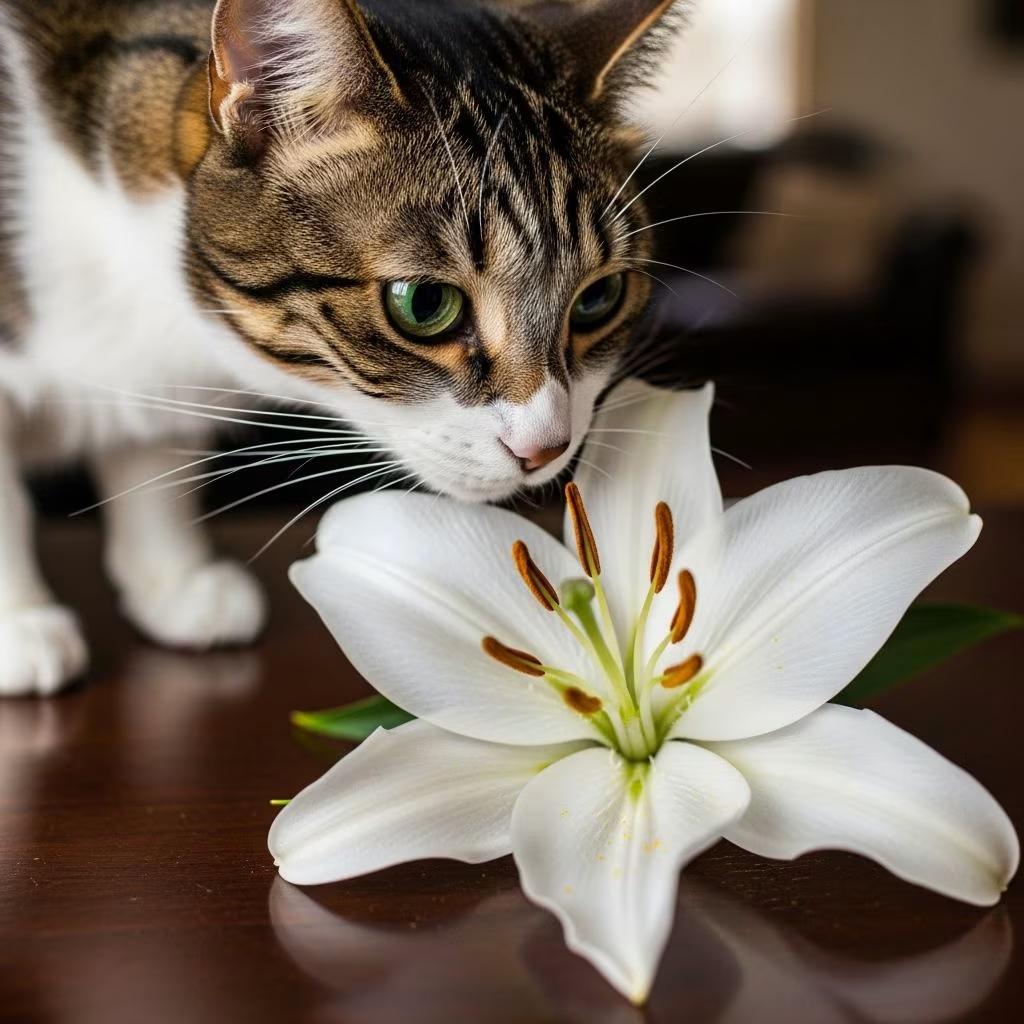
Lilies represent one of the most dangerous plants for cats, capable of causing acute kidney failure and death from even the smallest ingestion. All parts of certain lily species, including petals, pollen, leaves, stems, and vase water, contain toxins that target feline kidneys specifically. Cats are uniquely susceptible, while dogs experience only mild gastrointestinal upset from the same plants. Prompt veterinary intervention within hours of exposure is critical for survival, as delays beyond 18-24 hours often lead to irreversible damage.
Which Lilies Are Toxic to Cats?
Not all plants called “lilies” pose the same risk, but several common varieties are deadly to cats. True lilies from the Lilium genus and daylilies from the Hemerocallis genus top the list of hazards frequently found in floral arrangements, gardens, and holiday bouquets like Easter lilies.
- Easter Lily (Lilium longiflorum): Extremely toxic; ingestion of any part can cause full kidney shutdown within 72 hours.
- Tiger Lily (Lilium tigrinum or lancifolium): Similarly lethal, often hybridized and sold in bouquets.
- Stargazer Lily (Lilium ‘Stargazer’): A popular fragrant variety with high toxin concentration in pollen and flowers.
- Daylily (Hemerocallis species): Causes identical kidney damage despite not being a true lily; common in landscapes.
- Asiatic Lily (Lilium asiaticum): Toxic like other Lilium species, frequently used in arrangements.
Other lilies like calla lilies, peace lilies, Peruvian lilies (Alstroemeria), and lily of the valley are not true lilies but still cause vomiting, irritation, or cardiac issues—though less severe than true lily kidney failure. Even licking pollen off fur or drinking water from a vase can deliver a fatal dose, as toxins absorb rapidly through the gastrointestinal tract.
Why Are Lilies So Dangerous for Cats?
The exact toxin in lilies remains unidentified, but it specifically attacks feline kidneys, leading to acute kidney injury (AKI) within 12-24 hours of exposure. Cats metabolize the compound into a nephrotoxic metabolite that destroys renal tubular cells, causing oliguric or anuric renal failure. Even microscopic amounts—less than a single leaf or pollen grain—trigger this cascade. Research shows no safe threshold; any exposure warrants immediate action.
Pollen is particularly risky, as cats groom it off their fur after brushing against plants, inadvertently ingesting it. Vase water accumulates concentrated toxins from decaying flowers, mimicking direct plant ingestion. Unlike dogs, cats lack the enzymes to safely process these compounds, explaining species-specific severity.
Symptoms of Lily Poisoning in Cats
Signs appear rapidly, often within 2-12 hours of ingestion, starting with gastrointestinal distress and progressing to renal failure. Early detection hinges on recognizing subtle initial cues like drooling or hiding.
| Time After Ingestion | Symptoms |
|---|---|
| 0-12 Hours (Early GI Phase) | Vomiting (often first sign), lethargy, drooling, nausea, decreased appetite, depression |
| 12-24 Hours (Renal Phase Begins) | Increased thirst (polydipsia), increased urination (polyuria), dehydration |
| 24-72 Hours (Advanced Kidney Failure) | Decreased urination (oliguria/anuria), tremors, seizures, disorientation, inability to walk, coma, death |
Additional signs include excess salivation, weakness, and pancreatitis in some cases. Without treatment, fatality approaches 100% as kidneys cease functioning.
What to Do If Your Cat Eats a Lily
Act immediately—do not wait for symptoms. Contact an emergency vet or animal poison control hotline (e.g., ASPCA at 888-426-4435) right away. Provide details: lily type, amount ingested, time elapsed, and any vomiting. Rush to a vet clinic; time is kidneys.
Do NOT induce vomiting at home, as it risks aspiration. Clean pollen from fur with damp cloths to prevent grooming ingestion. Avoid home remedies; professional decontamination is essential.
Treatment for Lily Poisoning in Cats
No antidote exists, so treatment focuses on decontamination, toxin elimination, and kidney support. Success depends on speed: within 2-6 hours offers the best prognosis; beyond 18 hours, survival drops sharply.
- Decontamination (If <2 Hours Post-Ingestion): Vet-induced emesis, followed by activated charcoal to bind gut toxins.
- IV Fluids: Aggressive fluid therapy (48-72 hours minimum) flushes kidneys, corrects dehydration, and maintains electrolyte balance. Urinary catheterization monitors output.
- Monitoring: Serial bloodwork (CBC, chemistry panel, urinalysis) tracks creatinine, BUN, and kidney enzymes. Frequent draws assess progress.
- Supportive Care: Antiemetics (e.g., Cerenia), GI protectants (sucralfate), pain relief. In severe cases, hemodialysis or peritoneal dialysis clears metabolites.
A recent University of Pennsylvania study (published via AVMA) found outpatient management viable for stable cats with owner compliance, achieving 87.5% survival vs. 100% inpatient—though inpatient remains gold standard. AKI prevalence was higher than prior reports, but many cats stabilized.
Post-discharge: Weekly bloodwork for months ensures kidney recovery. Survivors may have chronic kidney disease requiring lifelong management.
Prognosis for Cats with Lily Poisoning
Early treatment (under 48 hours) yields 80-100% survival with full recovery possible. Delays past 18 hours risk permanent damage; untreated cases are fatal. Guarded prognosis overall, but aggressive care improves odds. Factors: ingestion amount, lily type, treatment speed.
How to Prevent Lily Poisoning in Cats
Prevention is simplest: Eliminate lilies entirely from cat-accessible areas.
- Never bring lilies into homes with cats; inspect bouquets and discard them.
- Avoid planting toxic lilies in yards; choose cat-safe alternatives like sunflowers or orchids.
- Keep cats indoors to prevent garden exposure; supervise outdoor time.
- Secure vases out of reach; empty water promptly and rinse containers.
- Educate family/neighbors about risks, especially holidays (Easter, Mother’s Day).
Cat-safe plants: Spider plants, Boston ferns, cat grass. Use virtual flowers or non-toxic decor.
FAQs
Are all lilies toxic to cats?
True lilies (Lilium) and daylilies (Hemerocallis) are; others like peace lilies cause milder issues.
Can cats die from lily pollen alone?
Yes, grooming pollen leads to ingestion and kidney failure.
Is lily vase water dangerous?
Absolutely—it’s concentrated toxin; even sips can kill.
How fast does lily poisoning progress?
Symptoms in 2-12 hours; fatal kidney failure by 72 hours untreated.
Can lily poisoning be treated at home?
No—rush to a vet for IV fluids and monitoring.
Cat-Safe Plant Alternatives
- Parlor palm
- Bamboo palm
- Areca palm
- Echeveria succulents
- Catnip or cat thyme (in moderation)
Always verify plants via ASPCA toxic/non-toxic list before introducing.
References
- Pet Poison Prevention: Understanding Lily Toxicity in Pets — Animal Emergency Care. 2023. https://animalemergencycare.net/aecprevents/pet-poison-prevention-understanding-lily-toxicity-in-pets/
- Lily Poisoning in Cats: What To Do If Your Cat Ingests a Lily Flower — PetMD. 2024-01-15. https://www.petmd.com/cat/poisoning/lily-poisoning-cats
- New study sheds light on lily toxicity in cats; outpatient treatment may be viable — AVMA. 2024-05-20. https://www.avma.org/news/press-releases/new-study-sheds-light-lily-toxicity-cats-outpatient-treatment-may-be-viable
- Lily Poisoning in Cats – Causes, Treatment and Associated Conditions — Vetster. 2024. https://vetster.com/en/conditions/cat/lily-poisoning
- Treating cats poisoned by lilies — dvm360. 2023-06-12. https://www.dvm360.com/view/treating-cats-poisoned-by-lilies
- Lily Toxicity: The Potentially Fatal Danger to Cats — MSPCA-Angell. 2023. https://www.mspca.org/angell_services/lily-toxicity-the-potentially-fatal-danger-to-cats/



