

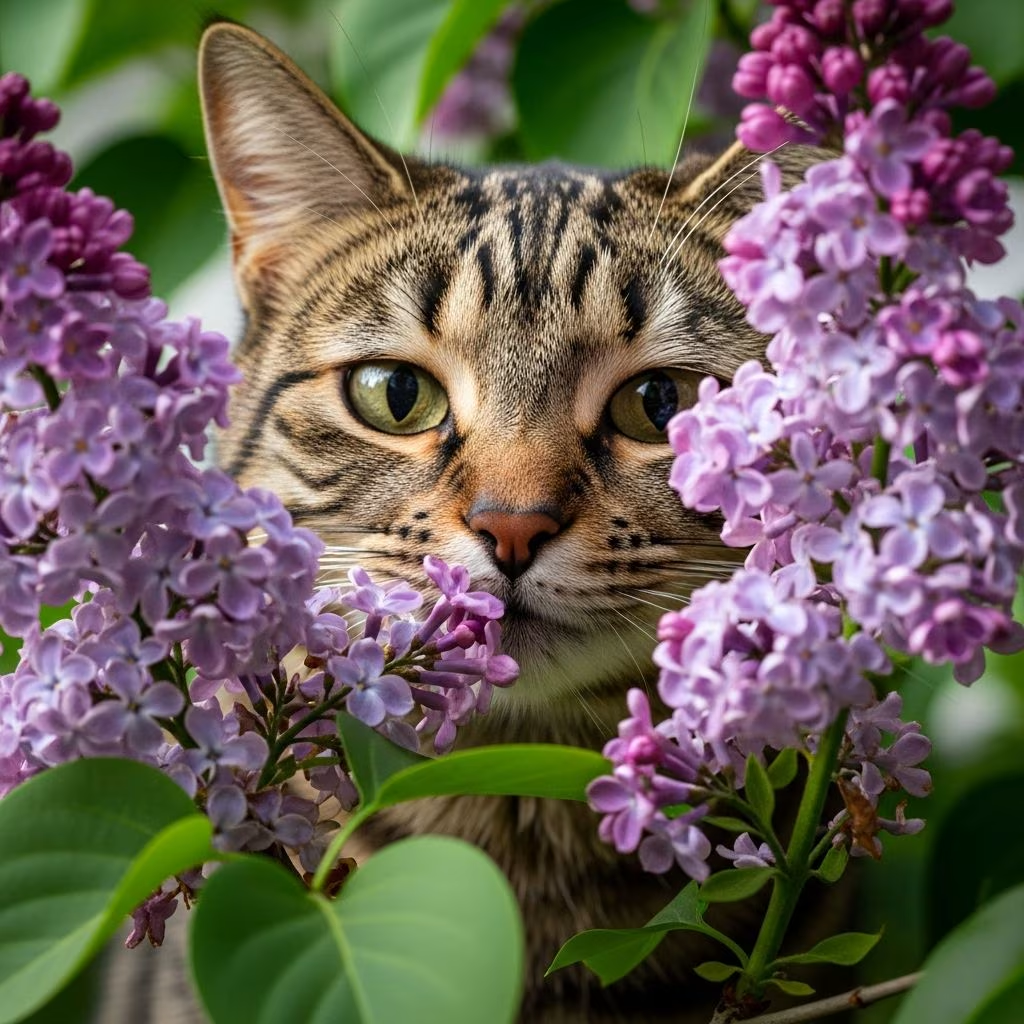
Cat owners often enjoy vibrant gardens filled with flowering shrubs, but ensuring these plants don’t harm curious felines is crucial. Lilacs, prized for their lush blooms and sweet aroma, spark frequent questions about safety for cats. While most lilac types present minimal danger, certain varieties can lead to severe health issues if ingested. This comprehensive guide differentiates safe from hazardous lilacs, outlines potential symptoms, provides immediate response protocols, and offers strategies to safeguard your pet.
Understanding Lilac Varieties and Their Impact on Feline Health
Lilacs belong to the Oleaceae family, with Syringa vulgaris (common lilac) being the most widespread in home landscapes. These deciduous shrubs produce clusters of purple, pink, or white flowers in spring, attracting pollinators and gardeners alike. Veterinary resources confirm that common lilacs rank as non-toxic to cats, meaning ingestion of leaves, flowers, or stems rarely causes more than temporary digestive discomfort in sensitive individuals.
In contrast, the Persian lilac (Melia azedarach), sometimes misidentified as a true lilac, originates from Asia and features similar fragrant blooms but harbors potent toxins like meliatoxins. This tree-like plant can trigger gastrointestinal distress, neurological effects, and even organ damage in cats. Botanists and pet safety experts emphasize correct identification, as its berries and seeds amplify toxicity risks.
| Lilac Type | Scientific Name | Toxicity to Cats | Key Risks |
|---|---|---|---|
| Common Lilac | Syringa vulgaris | Non-toxic | Mild GI upset if large amounts eaten |
| Persian Lilac | Melia azedarach | Highly toxic | Vomiting, seizures, organ failure |
| Other Syringa spp. | Various | Generally safe | Monitor for individual sensitivities |
Distinguishing features aid identification: true lilacs have opposite leaves and heart-shaped blooms, while Persian lilac displays pinnate leaves and yellow berries. Always verify plants via reliable botanical databases before planting near feline zones.
Recognizing Adverse Reactions from Lilac Exposure
Even non-toxic plants can provoke mild responses in cats prone to nibbling. For common lilacs, excessive consumption might yield vomiting, diarrhea, or reduced appetite within hours. These symptoms typically resolve without intervention, but vigilance prevents escalation.
Persian lilac ingestion unleashes graver signs, often emerging 2-4 hours post-exposure but potentially delayed up to days. Initial indicators include profuse drooling and oral irritation from plant irritants. Progression involves:
- Persistent vomiting, sometimes bloody
- Uncontrolled diarrhea
- Lethargy and coordination loss
- Pale or jaundiced gums signaling toxicity spread
- Heightened thirst and urination
Severe cases manifest tremors, hyperactivity followed by depression, labored breathing, and seizures—hallmarks of neurotoxic assault. The ASPCA and similar bodies list these under plant poisoning profiles, stressing rapid veterinary involvement.
Immediate Steps for Suspected Lilac Ingestion
Swift action minimizes harm. Upon discovering plant material in your cat’s mouth or yard debris:
- Secure the area: Relocate the cat away from the plant and discard accessible parts.
- Assess intake: Note quantity and variety consumed; photograph the plant if feasible.
- Hydrate: Provide fresh water to dilute potential irritants, avoiding forced feeding.
- Monitor closely: Track behavior, appetite, and elimination for 24-48 hours.
- Seek professional help: Contact your veterinarian or pet poison hotline (e.g., ASPCA at 888-426-4435) immediately for Persian lilac suspicions. Bring a sample for accurate diagnosis.
Treatment varies by severity: mild cases receive supportive care like fluids and anti-nausea meds, while toxic exposures demand decontamination, activated charcoal, and hospitalization for IV support or anti-seizure drugs. Early intervention boasts high recovery rates.
Safe Garden Alternatives for Cat-Friendly Landscapes
Opting for verified non-toxic flora maintains beauty without peril. Pet-safe options include:
- Catnip (Nepeta cataria): Invigorates cats safely, repels pests.
- Spider Plant (Chlorophytum comosum): Hardy, air-purifying, ignored by most cats.
- Cat Thyme (Calamintha nepeta): Mildly stimulating, deer-resistant.
- Ornamental Grasses: Like fescue varieties, provide texture sans toxins.
- Sunflowers (Helianthus annuus): Seeds offer treats if supervised.
Consult ASPCA’s toxic plant list before additions. Elevate pots, use deterrents like citrus peels, or install fencing to curb access.
Preventive Measures to Deter Cats from Garden Plants
Proactive strategies reduce nibbling risks:
- Train with redirection: Offer cat grass or toys during garden time.
- Physical barriers: Mesh netting or bitter sprays on foliage.
- Indoor enrichment: Vertical gardens or window perches satisfy curiosity.
- Regular yard audits: Remove fallen leaves/berries promptly.
- Essential oil avoidance: Lilac fragrances in diffusers or cleaners pose inhalation risks, irritating airways.
Multi-cat homes amplify needs for zoned play areas. Annual vet check-ups catch sensitivities early.
Beyond Lilacs: Common Toxic Garden Threats to Cats
Gardens harbor numerous dangers. High-risk plants include lilies (renal failure from mere pollen), azaleas (cardiac arrhythmias), and tulips (GI hemorrhage). A partial list:
| Plant | Toxins | Symptoms |
|---|---|---|
| Lilies | Unknown | Kidney failure, vomiting |
| Azaleas | Grayanotoxins | Heart issues, coma |
| Tulips | Tulipalin A | Salivation, seizures |
| Ivy | Hederagenin | GI upset, ataxia |
Holistic awareness fosters safer environments. Apps like PictureThis aid instant identification.
Frequently Asked Questions About Lilacs and Cat Safety
Can cats safely inhale lilac scents?
Yes, natural lilac aromas pose no toxicity risk via sniffing alone. Chewing remains the primary concern.
How quickly do Persian lilac symptoms appear?
Typically 2-4 hours, though delayed onset up to 3-4 days occurs with certain toxins.
Are lilac bushes safe for outdoor cats?
Common varieties yes, but supervise and identify precisely to avoid Persian lilac confusion.
What household items mimic lilac risks?
Lilac-scented candles, oils, or cleaners—cats’ poor liver metabolism heightens essential oil dangers.
Should I remove lilacs if I own a cat?
Not necessary for safe types; focus on monitoring and education.
References
- Are Lilacs Toxic to Cats? Safety & Symptoms Guide — Zoorithm. 2023. https://www.zoorithm.com/cats/are-lilacs-toxic-to-cats
- Are Lilacs Poisonous to Cats? Vet-Verified Facts & Info — Catster. 2023. https://www.catster.com/cat-health-care/are-lilacs-poisonous-to-cats/
- Are Lilacs Poisonous — Plant Addicts. 2023. https://plantaddicts.com/are-lilacs-poisonous/
- Full Toxin List — Cat Haven. 2023. https://www.cathaven.org/full-toxin-list
- Are Lilacs Poisonous to Cats? Vet Approved Facts — Hepper. 2023. https://articles.hepper.com/are-lilacs-poisonous-to-cats/
- Is Common lilac Safe for Pets? — PictureThis. 2023. https://www.picturethisai.com/toxic-to-pets/Syringa_vulgaris.html



