

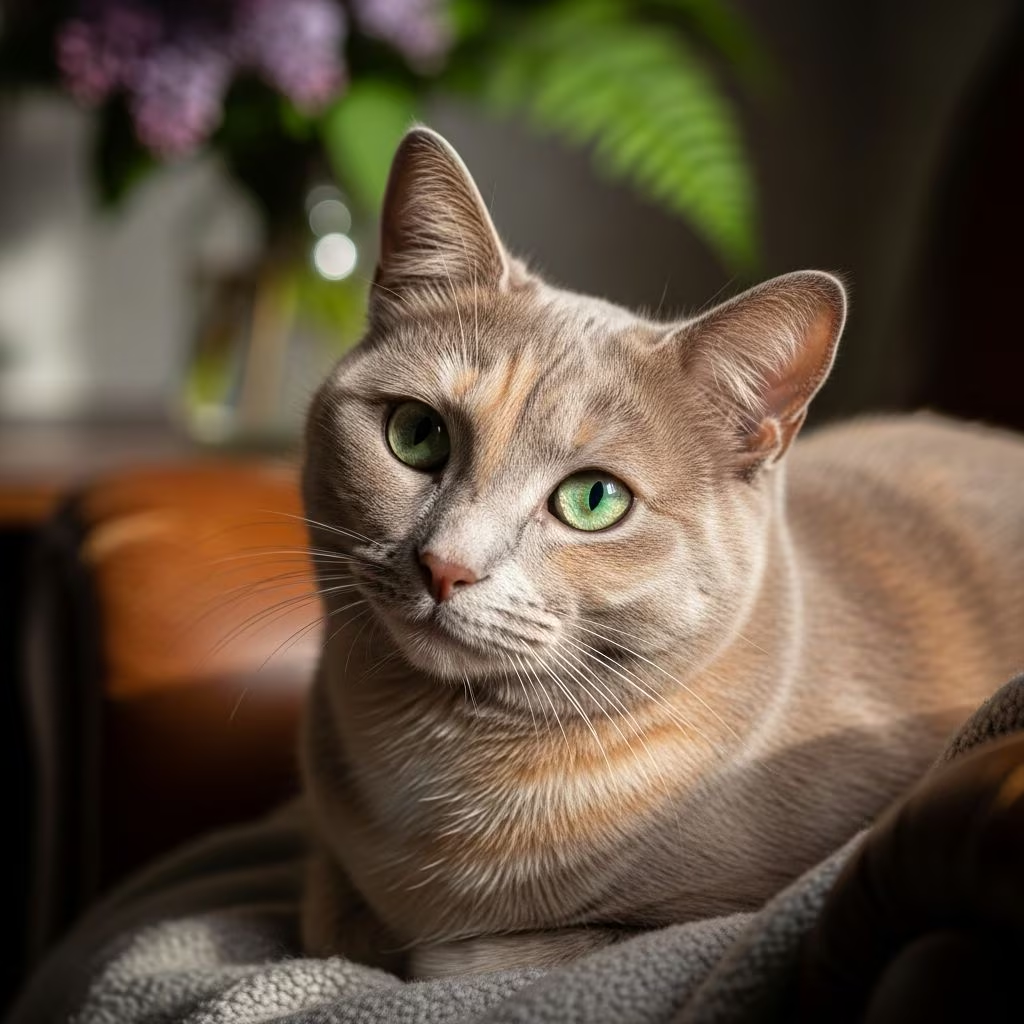
Lilac tortoiseshell cats captivate with their soft, mottled coats blending pale purple-gray and cream tones, a diluted version of the classic black-and-orange tortoiseshell pattern. These enchanting felines arise from specific genetic combinations and appear across multiple breeds, offering diverse personalities and lifestyles.
The Enchanting Coat of Lilac Tortoiseshells
The hallmark of a lilac tortoiseshell lies in its fur: a delicate mix of **lilac** (a pale bluish-purple from diluted black) and cream (diluted orange or red). Unlike bolder torties, this dilute tortie variant softens colors through recessive dilution genes like OCA2 and TYRP1, creating an ethereal, pastel appearance.
Coat patterns vary from fine speckles to bold patches, often asymmetrical. More white fur can make patches appear more defined, though traditional torties minimize white. This rarity stems from the need for both tortoiseshell genetics and dilution modifiers.
Genetics Behind the Lilac Magic
Tortoiseshell coloring ties directly to sex chromosomes. The orange gene (O) and non-orange (o) alleles reside on the X chromosome. Females (XX) can inherit one of each, enabling random X-inactivation (Lyonization) that produces the patchwork coat. Males (XY), with one X, typically show uniform color.
Dilution genes further pale these: black to blue-gray/lilac, orange to cream. Lilac torties require the tortoiseshell combo plus dilution, amplifying rarity. About **99.9% are female**; males need XXY (Klinefelter-like syndrome), occurring in 1 in 3,000, often rendering them sterile.
- Female genetics: XOXo + dilution = classic or lilac tortie.
- Male rarity: XXY + dilution = fertile challenges.
- Dilution effect: Recessive ‘d’ gene lightens pigments.
Historical Roots and Breed Connections
Not a standalone breed, lilac tortoiseshell appears in pedigrees like British Shorthair, Persian, Siamese, and American Shorthair. Ancient Egyptians revered torties as symbols of grace; modern breeding refined dilutions.
Selective breeding in the 20th century popularized dilute variants, with lilac emerging as a prized mutation. Today, registries like CFA recognize tortie patterns in purebreds, boosting visibility.
| Breed | Common Lilac Tortie Traits | Coat Length |
|---|---|---|
| British Shorthair | Stocky, calm | Short |
| Persian | Long-haired, relaxed | Long |
| Siamese | Sleek, vocal | Short |
| American Shorthair | Versatile, sturdy | Short |
Unraveling the Myth of Tortitude
“Tortitude” describes torties as sassy, bold, and spirited. A 2016 UC-Davis study of 1,200 owners found torties rated higher in aggression and skittishness than other colors. Yet, no genetic temperament link exists; breed and environment shape behavior more.
Lilac torties mirror their breed: Siamese variants are social and chatty, Persians cuddly and mellow. Owners report playfulness, loyalty, and occasional feistiness, but variability rules.
Health Insights for Lilac Tortoiseshells
Generally healthy, lilac torties inherit breed-specific risks. XXY males face fertility issues and potential kidney problems. Common concerns include:
- Dental disease from dense coats.
- Obesity in sedentary breeds like Persians.
- Hypertrophic cardiomyopathy in some lines.
Regular vet checks, balanced diet, and dental care promote longevity (12-15+ years). Dilution genes pose no unique health burdens.
Caring for Your Lilac Tortoiseshell Companion
Daily Nutrition
Feed high-quality, breed-appropriate food: proteins for actives like Siamese, controlled calories for Persians. Wet food aids hydration; supplements for coat shine.
Grooming Routines
Short-haired lilac torties need weekly brushing; long-haired daily to prevent mats. Bathe sparingly; focus on paw and ear cleaning.
Exercise and Environment
Enrich with toys, scratching posts, and vertical space. Interactive play curbs boredom-induced mischief.
Veterinary Wellness
Annual exams, vaccinations, spay/neuter (males if fertile). Monitor for urinary issues common in torties.
Top Fascinating Traits of Lilac Tortoiseshells
- Exclusively Female Dominance: Chromosomal lottery makes males exceptional.
- Dilute Distinction: Pastel hues set them apart from vivid torties.
- Breed Versatility: From lap cats to adventurers.
- No Temper Link: Personality defies coat myths.
- Visual Uniqueness: Each cat’s pattern is a genetic fingerprint.
Bringing Home a Lilac Tortoiseshell
Adopt from shelters or ethical breeders; rescues often house mixed-breed gems. Expect $500-$2,000 for pedigreed kittens. Prepare for a vibrant, loving addition.
Compatibility shines in homes valuing independence with affection. Families, singles, or multi-pet households thrive with proper intros.
Frequently Asked Questions
Are lilac tortoiseshell cats rare?
Yes, combining tortoiseshell, dilution, and lilac shade is uncommon, especially males.
Do lilac torties have special personalities?
Traits align with breed, not color; expect energy and sass variably.
Can male lilac tortoiseshells reproduce?
Rarely; most are sterile due to XXY genetics.
How do lilac torties differ from calicos?
No required white patches; torties are bicolor, calicos tricolor.
What breeds commonly show lilac tortie?
British Shorthair, Persian, Siamese, American Shorthair.
Why Choose a Lilac Tortoiseshell?
These cats blend rarity, beauty, and adaptability. Their soft coats mesmerize, personalities engage, and genetics intrigue. Ideal for feline enthusiasts seeking uniqueness without breed-specific extremes.
References
- Lilac Tortoiseshell Cat: Info, Pictures, Facts & History — Catster. 2023. https://www.catster.com/cat-breeds/lilac-tortoiseshell-cat/
- Tortoiseshell cat — Wikipedia. 2024-01-15. https://en.wikipedia.org/wiki/Tortoiseshell_cat
- Lilac Tortoiseshell Cat: Info, Pictures, Origin & History — Hepper. 2023. https://articles.hepper.com/lilac-tortoiseshell-cat/
- Tortoiseshell Cat: Breeds, Personality & Lifespan — Litter-Robot. 2023. https://www.litter-robot.com/blog/tortie-cat-6-facts/
- “Tortitude” – The Unique Personality of Tortoiseshell Cats: Fact or Fiction? — The Conscious Cat. 2014-09-30. https://ingridking.com/2014/09/30/tortitude-unique-personality-tortoiseshell-cats-fact-fiction/



