

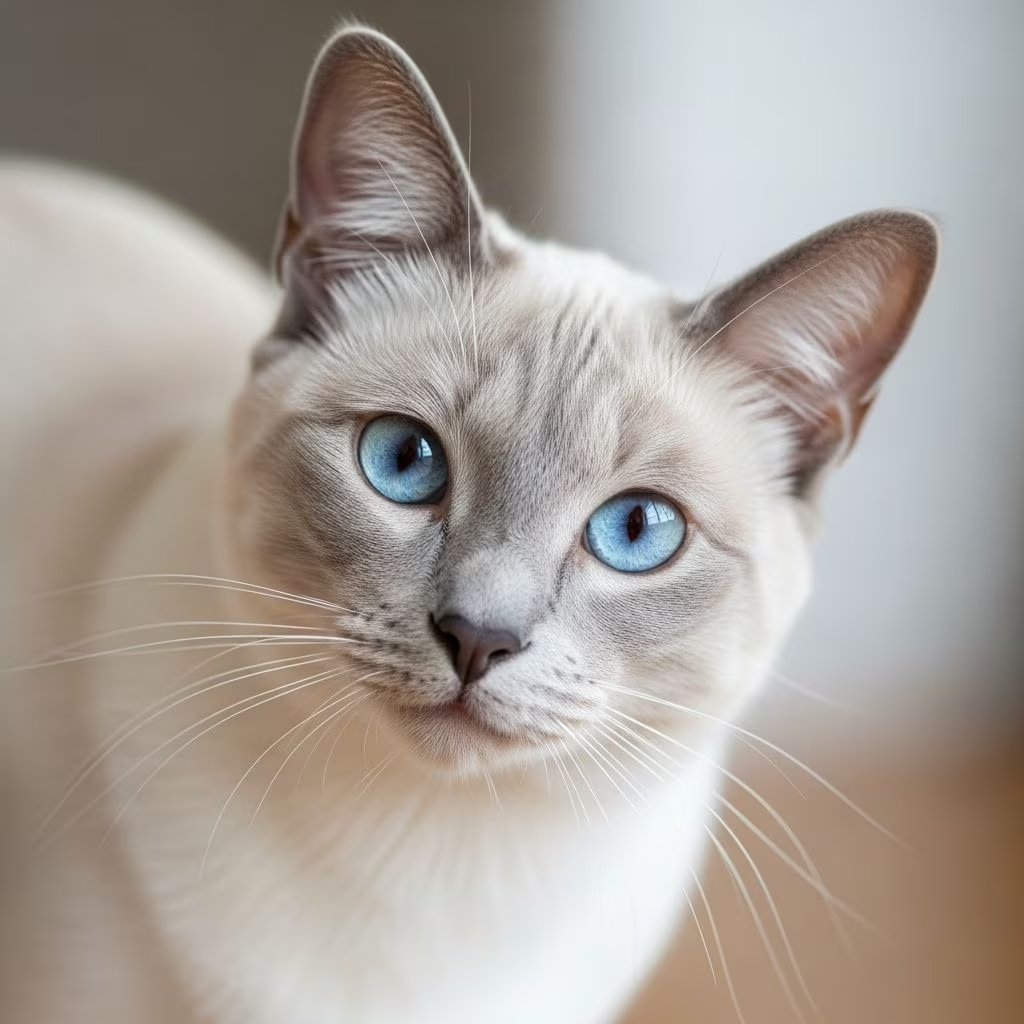
The Lilac Point Siamese stands out as a captivating member of the Siamese family, renowned for its delicate, frosty-gray points on a creamy white body and striking pale blue eyes. This rare color variation combines the breed’s signature elegance with a softer, more subtle palette that has enchanted cat enthusiasts for generations.
Origins and Development of the Lilac Point Siamese
The story of the Lilac Point Siamese traces back to the ancient roots of the Siamese breed itself, originating from Thailand where these cats were revered in royal temples. Traditional Siamese featured darker seal points, but selective breeding in the West during the early 20th century introduced dilute colors like lilac through genetic dilution of chocolate points.
Initially met with skepticism in cat shows, Lilac Points were once dismissed as too pale compared to bolder Blue Points. Over time, their unique charm won over breeders and judges, establishing them as one of four primary Siamese colorpoints: seal, chocolate, blue, and lilac. The lilac hue results from a double dilution gene applied to chocolate, creating a light, silvery-gray effect with pinkish undertones on cooler body areas like ears, tail, face, and paws.
Today, Lilac Points maintain a rarer status than more common seal or chocolate varieties, prized for their ballerina-like grace reminiscent of Russian Blue influences in their lineage. Their development highlights breeders’ dedication to preserving the Siamese standard while celebrating genetic diversity.
Distinctive Physical Features
Lilac Point Siamese embody the breed’s iconic slender, muscular build, with a height of 8-10 inches at the shoulder and weights ranging from 8-12 pounds for adults. Their bodies are long and lithe, supported by elegant legs and a whip-like tail that accentuates their athletic poise.
The coat is short, fine, and glossy, requiring minimal grooming. The hallmark is the colorpoint pattern: a pale cream or ivory body contrasts sharply with frosty lilac-gray points. These points appear pinkish-gray, lighter than the slate-blue of Blue Points, with pale pink nose leather and paw pads adding a soft glow.
| Feature | Description |
|---|---|
| Body Type | Slender, elongated, muscular |
| Coat Color | Creamy white body, lilac-gray points |
| Eyes | Pale china blue, almond-shaped |
| Ears | Large, pointed, wide-set |
| Paw Pads/Nose | Cinnamon-pink |
Unlike uniform-coated breeds, their points darken slightly with age but remain paler than other Siamese types. Vivid blue eyes remain a constant, piercing feature that conveys intelligence and curiosity.
Personality and Behavioral Traits
Lilac Point Siamese are extroverted dynamos, blending dog-like loyalty with feline independence. Highly social, they crave human interaction, often shadowing owners from room to room while engaging in lengthy “conversations” via their loud, raspy meows.
Playful and energetic, they excel at interactive games, leaping to astonishing heights and mastering puzzle toys. Their intelligence shines in trainability, though stubborn streaks can emerge; positive reinforcement works best. Affectionate to a fault, they demand lap time and gentle petting, making them poor choices for aloof cat preferences.
- Vocal Expressiveness: Constant chirps, trills, and meows to communicate needs or boredom.
- Social Butterfly: Thrives with people, children, and other pets; dislikes solitude.
- Playful Athlete: Needs daily stimulation to prevent mischief like counter-surfing.
- Loyal Companion: Forms deep bonds, often greeting owners at the door.
These traits make them ideal for active households but challenging for frequent travelers—consider adopting in pairs to combat loneliness.
Health and Wellness Considerations
With a lifespan of 15-20 years, Lilac Points benefit from Siamese’s generally robust health, though breed-specific issues warrant vigilance. Common concerns include hypertrophic cardiomyopathy (HCM), a heart condition monitored via genetic testing; dental issues from their wedge-shaped heads; and progressive retinal atrophy (PRA) affecting vision.
Obesity risks arise from their moderate appetites paired with high energy—measure portions to maintain sleek figures. Amyloidosis, a liver protein buildup, occurs less frequently in modern lines due to outcrossing efforts. Routine vet checkups, including annual bloodwork and dental cleanings, promote longevity.
Genetic diversity from responsible breeders reduces hereditary risks. Spaying/neutering prevents cancers and behaviors like yowling.
Daily Care and Grooming Routines
Maintaining a Lilac Point’s pristine coat is effortless: weekly brushing distributes oils and reduces shedding. Bathe only if needed, as they self-groom meticulously. Nail trims every 10-14 days prevent destructive scratching; provide varied scratchers.
Dental hygiene is crucial—daily brushing with feline toothpaste averts gingivitis. Litter box hygiene is non-negotiable for these fastidious cats; scoop daily and use clumping litter. Environmental enrichment via cat trees, window perches, and rotating toys curbs boredom.
Nutrition Essentials
High-quality, protein-rich diets support their lean muscles. Feed age-appropriate kibble or wet food twice daily, avoiding free-feeding to prevent pickiness. Fresh water via fountains encourages hydration, vital for urinary health.
Ideal Living Environments and Family Fit
Lilac Points flourish in homes with ample play space, not cramped apartments unless supplemented with vertical climbers. They’re excellent with respectful children, teaching kids gentle handling through their tolerant nature. Multi-pet households work well if introductions are gradual; they befriend dogs and fellow felines.
Seniors appreciate their lap-warming companionship, while singles gain a devoted sidekick. Avoid isolating them during long workdays—interactive cams or companions help.
Bringing Home a Lilac Point Kitten
Selecting a breeder? Prioritize those health-testing for HCM, PRA, and PKD. Kittens display points from 6-8 weeks, with full color maturing by 2 years. Early socialization fosters confident adults; expect bundles of energy demanding play from day one.
Adoption from rescues yields purebreds occasionally. Budget $800-$2000 for pedigreed kittens, plus startup costs.
Frequently Asked Questions (FAQs)
Are Lilac Point Siamese hypoallergenic?
No, but their short coats shed less than longhaired breeds, easing allergy management with grooming.
How vocal are Lilac Point Siamese?
Extremely—they’re among the chattiest breeds, using meows to narrate their world.
Do they get along with children?
Yes, their playful demeanor makes them superb kid companions under supervision.
What’s the difference between Lilac and Blue Point Siamese?
Lilac is paler, frosty pinkish-gray; Blue is darker slate-gray.
Can they be left alone all day?
Not ideally; they need company or stimulation to avoid destructive behaviors.
Why Choose a Lilac Point Siamese?
This breed offers unmatched devotion, beauty, and vivacity. Their softer coloration belies a bold spirit, perfect for those seeking a talkative, loving partner in pet ownership. With proper care, they reward with decades of joy.
References
- Lilac Point Siamese Cat Breed: Info, Pictures, Temperament & Traits — Catster. 2023. https://www.catster.com/cat-breeds/lilac-point-siamese-cat/
- Lilac Point Siamese Cats — Life With Siamese Cats. N/A. https://www.life-with-siamese-cats.com/lilac-point-siamese.html
- Lilac Point Siamese Cats – Everything You Need to Know — YouTube (The Ideal Cat). 2022-07-26. https://www.youtube.com/watch?v=7wkeBNqpjy0
- Siamese Cat Facts — ASPCA Pet Health Insurance. N/A. https://www.aspcapetinsurance.com/resources/siamese-cat-facts/
- Siamese Cat Breed: Facts, Temperament & Care Info — Chewy. N/A. https://www.chewy.com/education/cat/general/siamese-cat-breed-facts-temperament-care-info



