

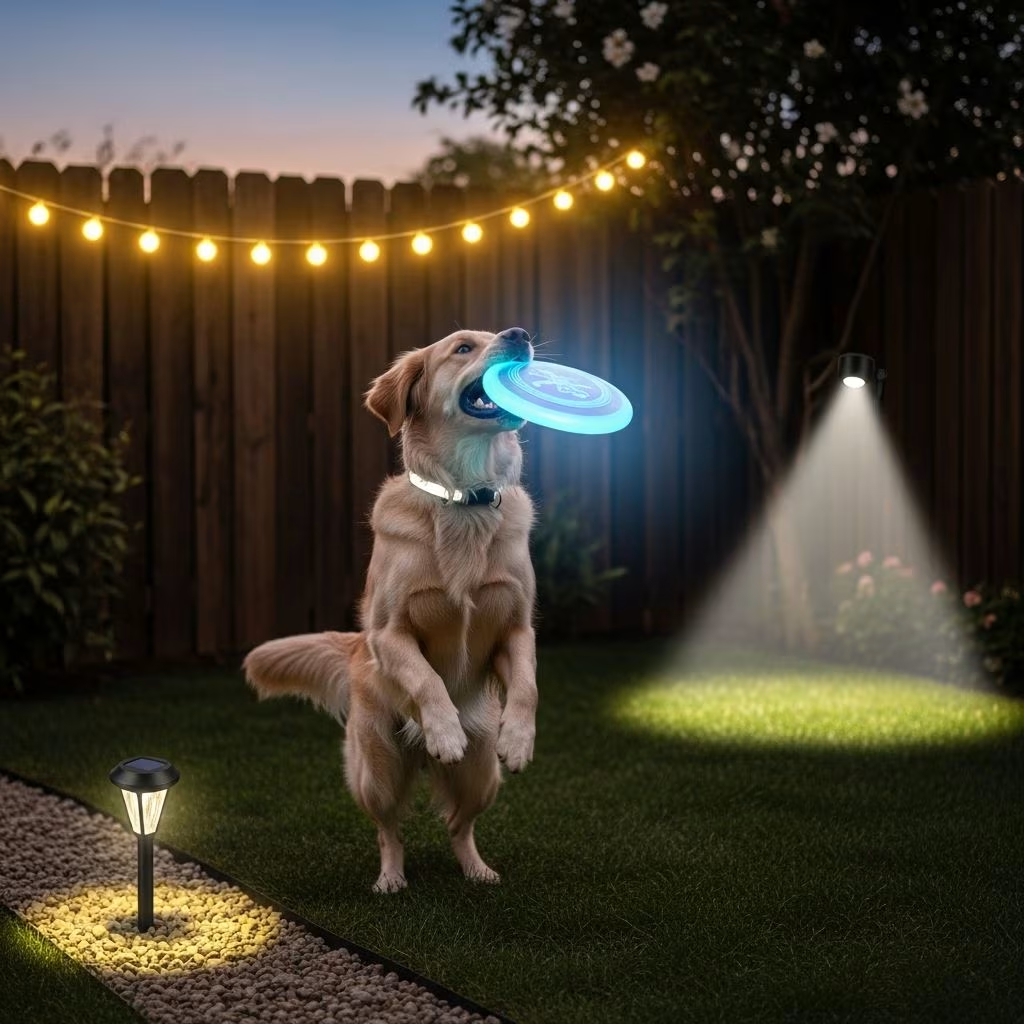
As pet owners, we naturally want to ensure our canine companions are protected around the clock. When evening arrives and daylight fades, questions about how to best care for our dogs during darker hours become increasingly important. One common concern many dog owners face is whether to provide lighting for their pets at night, and if so, what type of illumination works best. This guide explores the multifaceted considerations surrounding nighttime lighting for dogs, helping you make informed decisions that prioritize both safety and comfort.
Understanding Your Dog’s Natural Vision in Low-Light Settings
Before addressing lighting solutions, it’s valuable to understand how your dog’s vision functions differently from yours, especially in darkness. Dogs possess a biological advantage when it comes to low-light environments compared to humans. Their retinas contain a higher concentration of rod cells, which are specialized photoreceptor cells that enable vision in dim conditions. This physiological advantage means dogs naturally navigate nighttime environments more effectively than we do, experiencing the world in a way that’s fundamentally different from human night vision.
Additionally, dogs possess a specialized reflective layer behind their retinas called the tapetum lucidum. This structure acts similarly to a mirror, reflecting light back through the photoreceptors and amplifying their sensitivity to low-light conditions. This is why your dog’s eyes appear to glow or shine when light hits them at certain angles. Despite these natural adaptations, dogs still benefit from external lighting solutions, particularly when navigating unfamiliar environments or during active nighttime activities.
Identifying Genuine Risks During Evening Hours
Understanding potential hazards is the first step toward creating a safer nighttime routine for your dog. The risks associated with low-visibility conditions are substantial and well-documented. According to traffic safety reports, over 70% of pet-related vehicle accidents occur in low-light conditions. This alarming statistic highlights why visibility measures deserve serious consideration, even for dogs that spend time primarily in residential yards or quiet neighborhoods.
Beyond vehicle-related dangers, nighttime presents other challenges. Dogs may encounter wildlife they don’t recognize, become disoriented in unfamiliar terrain, or experience anxiety in darkness. Temperature fluctuations can also pose concerns during evening hours, particularly in certain seasons. Additionally, the reduced visibility makes it harder for owners to monitor their pets’ behavior and spot potential hazards like open gates, toxic substances, or other environmental dangers.
Exploring Indoor Lighting Considerations
When considering whether to leave lights on inside your home for your dog at night, several factors come into play. Dogs don’t require continuous lighting the way humans do; however, some lighting can provide comfort and help prevent accidents within the home. A dim, ambient light source—rather than bright overhead illumination—can help your dog navigate familiar spaces more confidently while still allowing their natural circadian rhythms to function properly.
The type of lighting matters significantly. LED bulbs that emit warm tones are generally preferable to harsh, bright white lights, as they’re less likely to disrupt your dog’s sleep patterns or create unnecessary stress. Motion-activated lights can be particularly useful, activating only when your dog moves through different areas of your home. This approach balances safety and comfort without forcing your dog to sleep in a fully illuminated environment.
It’s important to consider your dog’s individual personality and needs. Some dogs experience anxiety in darkness and may sleep better with subtle lighting, while others may find continuous light disruptive to their rest. Observing your dog’s behavior will help you determine whether indoor lighting is genuinely beneficial or simply unnecessary.
LED Collars and Outdoor Visibility Solutions
When venturing outside with your dog during evening or early morning hours, LED collars represent a practical safety innovation. These accessories have become increasingly popular among pet owners seeking to enhance their dogs’ visibility to drivers, cyclists, and pedestrians. LED dog collars provide constant illumination that makes your dog stand out in low-light conditions, effectively reducing the risk of accidents by ensuring others can see your pet from considerable distances.
The technology behind these collars is straightforward and safe. LED lights don’t generate heat, eliminating concerns about burns or discomfort from thermal exposure. They come in various styles, from collar attachments to fully integrated LED collars, and are typically powered by either rechargeable USB batteries or standard replaceable batteries. The lights are encased in durable, pet-safe materials such as silicone or plastic, protecting your dog from any electrical hazards.
A key advantage of LED collars is their ease of use and generally comfortable fit. These accessories are designed with adjustable straps and lightweight materials that prevent irritation during extended wear. Most models feature simple on/off switches or buttons to control lighting modes, making them user-friendly for pet owners of all technical abilities.
Comparing Lighting Modes: Steady Light Versus Flashing Options
Not all LED collars function identically, and the distinction between lighting modes carries significant implications for your dog’s safety and wellbeing. Many collars offer both steady illumination and flashing light modes, but research and veterinary guidance strongly recommend steady light options whenever possible.
Flashing lights, while eye-catching, pose specific risks for certain dogs. Most concerningly, flashing lights can trigger seizures in dogs with photosensitive epilepsy. The exact mechanism involves how dogs’ brains respond to rapid visual stimuli; in susceptible individuals, flashing lights can cause abnormal electrical surges within the brain, potentially precipitating seizure activity. This risk makes steady illumination the safer choice, particularly if your dog has any history of epilepsy or light sensitivity.
Beyond seizure risks, flashing lights may cause temporary discomfort, disorientation, or anxiety in some dogs. While these effects aren’t typically permanent, they can create unnecessary stress for your pet. Steady light modes eliminate these concerns while still providing excellent visibility to others, making them the optimal choice for most situations.
Features to Consider When Selecting Lighting Equipment
| Feature | Recommendation | Why It Matters |
|---|---|---|
| Light Mode | Steady/Constant illumination | Minimizes seizure risk and discomfort |
| Material Quality | Durable, pet-safe plastics or silicone | Ensures longevity and safety |
| Water Resistance | Water-resistant or waterproof rating | Enables use in various weather conditions |
| Battery Type | USB rechargeable or reliable battery-operated | Convenient maintenance and consistent performance |
| Reflective Elements | Included alongside LED components | Provides backup visibility if batteries die |
It’s worth noting that not all LED collars marketed as waterproof are equally protective. Some products are merely water-resistant rather than fully waterproof, so checking product specifications before purchasing is essential.
Reflective Alternatives and Complementary Safety Gear
While LED solutions offer active illumination, reflective gear provides passive visibility through light reflection. Reflective dog collars, harnesses, and even booties contain specialized materials that bounce light from vehicles, street lamps, and other light sources back toward their origin. This technology can reflect light up to 500 feet away, making it a valuable tool for nighttime visibility.
One significant advantage of reflective gear is that it requires no batteries, moving parts, or charging. This makes it a low-maintenance, always-ready safety tool. Many pet owners find that combining both LED and reflective options provides comprehensive protection, ensuring visibility through multiple mechanisms.
Reflective booties specifically can enhance safety during nighttime walks by making your dog’s feet and lower body more visible, helping drivers and pedestrians detect your pet’s movement patterns. These products are particularly beneficial for dark-colored dogs that might otherwise blend into evening environments.
Monitoring Your Dog’s Response to Lighting
Regardless of which lighting solution you choose, observing your dog’s behavioral response is crucial. Each dog responds differently to new equipment and environmental conditions. Watch for signs of discomfort such as pawing at the collar, attempts to remove the collar, or behavioral changes like anxiety or aggression. These reactions may indicate that your chosen solution isn’t working for your individual dog.
Conversely, some dogs quickly adapt to wearing illuminated collars and show no adverse reactions. Positive indicators include normal activity levels, comfortable wearing of the device, and relaxed body language during evening outdoor time. Taking time to notice these patterns allows you to make adjustments that genuinely improve your dog’s experience rather than simply implementing solutions that seem theoretically sound.
Practical Implementation Strategies
Successfully implementing nighttime lighting solutions requires thoughtful planning. Begin by introducing any new collar or gear gradually, allowing your dog time to adjust without pressure. Practice short, positive interactions with the equipment indoors before venturing outside, using treats and encouragement to build positive associations.
Consider your dog’s activity level and the specific environments where they’ll be most active during evening hours. Dogs with high energy may benefit more from constant visibility through LED collars, while less active pets might need lighting only during specific situations. Likewise, dogs that primarily spend time in well-lit residential areas may need less intensive lighting solutions than those navigating dimly-lit trails or unfamiliar neighborhoods.
Special Considerations for Dogs with Health Sensitivities
Dogs with existing health conditions warrant extra consideration when selecting nighttime lighting solutions. For dogs with epilepsy or known light sensitivities, steady LED illumination or reflective gear should be prioritized over any flashing options. Consulting with your veterinarian about your dog’s specific condition and recommended equipment can provide personalized guidance aligned with their medical history.
Older dogs with declining vision may actually benefit more from subtle indoor lighting at night, as it helps them navigate familiar spaces more confidently and reduces anxiety. Conversely, young, healthy dogs with normal vision may require less specialized lighting support.
Frequently Asked Questions About Nighttime Lighting for Dogs
Are LED lights safe for dogs’ eyes?
Yes, LED lights used in dog collars are safe for dogs’ eyes. They don’t generate heat and are encased in protective materials. However, flashing LED modes can cause discomfort or trigger seizures in photosensitive dogs, so steady illumination is recommended.
Do dogs need lights on at night indoors?
Dogs don’t inherently require continuous indoor lighting due to their superior low-light vision. However, subtle ambient lighting can provide comfort for anxious dogs or assist in preventing household accidents. Observe your individual dog’s preferences.
What’s better for nighttime outdoor safety: LED collars or reflective gear?
Both serve valuable purposes. LED collars provide active illumination, while reflective gear offers passive visibility without batteries. Many experts recommend combining both for maximum safety.
Can flashing lights hurt my dog?
While flashing lights don’t cause permanent damage to healthy dogs, they can cause temporary discomfort, disorientation, or anxiety. For dogs with epilepsy, flashing lights pose a genuine seizure risk.
How do I know if my dog is bothered by wearing an illuminated collar?
Watch for signs like excessive collar pawing, attempts to remove it, or behavioral changes such as increased anxiety. Positive signs include normal activity levels and relaxed body language.
Conclusion: Creating Personalized Nighttime Safety Plans
The question of whether to use lighting for your dog at night doesn’t have a universal answer. Instead, the best approach involves assessing your individual dog’s needs, health status, and typical evening activities, then selecting solutions that address genuine safety concerns without creating unnecessary stress. Whether you opt for LED collars, reflective gear, subtle indoor lighting, or combinations thereof, the goal remains the same: ensuring your cherished pet remains safe, comfortable, and happy during all hours of the day.
References
- Flashing Dog Collars and Seizure Risk — Wedogy. 2025. https://wedogy.com/flashing-dog-collars-safety/
- Traffic Safety Reports on Pet-Related Accidents — Gaugau Pet. 2025. https://gaugaupet.com/blogs/dog-collars/reflective-collars-for-nighttime-walks
- LED Dog Collar Safety and Functionality — One Paw Dog Company. 2025. https://onepawdogcompany.com/blogs/resources-and-blog/why-should-you-consider-an-led-collar-for-your-dog



