

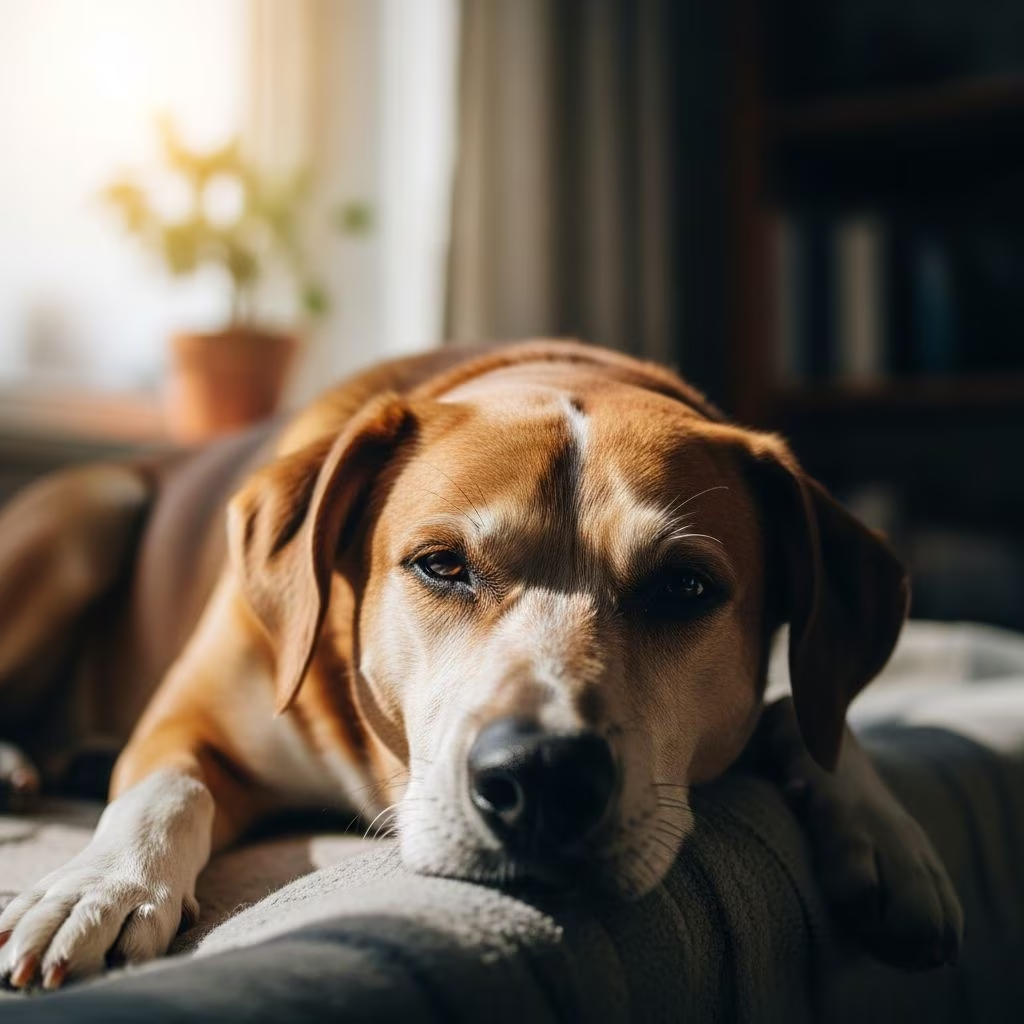
Light sensitivity, known as photophobia in veterinary terms, affects dogs when they exhibit discomfort or pain in response to normal light levels. This condition often points to underlying eye disorders, infections, or systemic issues requiring prompt veterinary intervention to preserve vision.
Defining Photophobia in Canines
Photophobia differs from a dog’s natural adjustment to bright environments. Healthy dogs may briefly squint in intense sunlight, but those with photophobia display persistent distress, such as repeated blinking or seeking shade. This reaction stems from heightened ocular nerve sensitivity or inflammation, signaling potential serious pathology.
Veterinarians classify photophobia as a symptom rather than a standalone disease. It arises when light exacerbates pain in the eyes or related neural pathways, prompting avoidance behaviors that impact daily activities like walking or playing outdoors.
Common Manifestations of Light Aversion
Dogs with light sensitivity often show observable changes in behavior and eye appearance. Key indicators include:
- Excessive squinting or partial eye closure to block light.
- Frequent blinking or tearing as protective reflexes.
- Avoiding well-lit areas, preferring dim corners or hiding under furniture.
- Pawing at the face or rubbing eyes against surfaces.
- Visible redness, cloudiness, or swelling around the eyes.
- Third eyelid protrusion, covering part of the eyeball.
These signs can appear suddenly after trauma or develop gradually with chronic conditions. Owners might notice lethargy or reduced appetite alongside ocular symptoms, as discomfort affects overall demeanor. Differentiating photophobia from normal responses involves testing: shine a flashlight gently; affected dogs react with pain or evasion, unlike unaffected ones.
Primary Causes Behind Ocular Light Sensitivity
Multiple factors contribute to photophobia, spanning ocular, infectious, toxic, and neurological origins. Understanding these aids in swift diagnosis.
| Category | Examples | Key Features |
|---|---|---|
| Ocular Issues | Corneal ulcers, uveitis, cataracts, conjunctivitis | Surface damage or internal inflammation causes pain amplified by light. |
| Infections | Distemper, rabies, respiratory viruses | Systemic spread affects eyes; unvaccinated dogs at higher risk. |
| Neurological | Nerve damage, meningitis, oculomotor issues | Impaired pupil response leads to uncontrolled light entry. |
| Toxicity | Chemicals, plants like St. John’s wort, medications | Ingestion or absorption heightens skin/eye reactions to UV. |
| Trauma/Shock | Injuries, abscesses | Sudden onset post-event; may involve bleeding or pressure buildup. |
Primary hyperphotosensitivity involves skin reactions to sunlight due to photodynamic agents, causing redness, edema, and ulcers on light-exposed areas like ears or muzzle. Secondary forms link to liver dysfunction failing to neutralize toxins. Breed predispositions exist, with herding dogs prone to certain retinal degenerations.
Step-by-Step Veterinary Diagnostic Approach
Diagnosis begins with a detailed history from the owner, noting symptom onset, recent exposures, vaccination status, and breed. Physical exams focus on ocular structures.
- Initial Visual Inspection: Check eyelids, conjunctiva, cornea for scratches, foreign bodies, or discharge.
- Ophthalmoscopy/Slit-Lamp Exam: Magnifies internal eye components to detect ulcers, inflammation, or lens opacities.
- Pupillary Light Reflex Test: Swinging flashlight assesses nerve function; unequal responses indicate neurological involvement.
- Intraocular Pressure Measurement: Tonometry rules out glaucoma, where elevated pressure causes pain.
- Sample Analysis: Swabs of discharge for bacterial/fungal cultures if infection suspected.
- Blood Work/Imaging: Screens for toxins, infections, or abscesses; advanced cases may need MRI/CT for brain involvement.
Specialists like veterinary ophthalmologists use fluorescein staining to highlight corneal defects, glowing green under blue light. Early detection prevents complications like permanent blindness.
Treatment Strategies for Resolution
Treatment targets the root cause while providing symptomatic relief. Supportive care minimizes light exposure using shaded environments or dog goggles.
- For Infections/Inflammation: Topical antibiotics, anti-inflammatories (e.g., NSAIDs), or steroids; oral meds for systemic issues.
- Ulcers/Trauma: Protective collars, collagen implants to promote healing; surgery for deep lesions.
- Glaucoma/Cataracts: Pressure-lowering drops or surgical lens removal.
- Toxicity: Decontamination, IV fluids, specific antidotes if available.
- Neurological: Anti-convulsants or referral to neurologists.
Prognosis varies: acute issues like conjunctivitis resolve quickly, while chronic retinal diseases require lifelong management. Regular follow-ups monitor progress.
Prevention Tips for Proactive Owners
Minimize risks through routine care:
- Vaccinate against distemper, rabies.
- Secure toxic plants/chemicals away from pets.
- Protect eyes during outdoor activities with UV-blocking eyewear.
- Annual vet eye screenings, especially for at-risk breeds.
- Monitor post-trauma or medication starts for new symptoms.
Avoid self-treatment; over-the-counter drops can worsen conditions. Prompt vet visits at sign onset improve outcomes.
Frequently Asked Questions (FAQs)
Is light sensitivity always an emergency in dogs?
Not always, but sudden onset with pain warrants immediate care to rule out ulcers or glaucoma, which can blind quickly.
Can home remedies help photophobia?
Limited; dim lighting aids comfort, but professional diagnosis is essential. Never use human eye drops.
Are certain breeds more prone?
Yes, breeds like Collies or Australian Shepherds face higher risks from genetic eye conditions.
How long does recovery take?
Varies from days for mild infections to months for surgical cases; follow vet protocols.
Does photophobia affect vision permanently?
Not if treated early; delays risk scarring or detachment.
Long-Term Management and Monitoring
Post-treatment, track for recurrence with home light tests and behavior logs. Integrate eye-healthy nutrition rich in antioxidants (e.g., lutein from carrots). Collaborate with vets for tailored plans, ensuring your dog’s quality of life remains high.
This comprehensive approach empowers owners to act decisively, turning a distressing symptom into a manageable health event.
References
- Photophobia in Dogs: Causes, Symptoms & Vet Care — Pets4Homes. 2023. https://www.pets4homes.co.uk/pet-advice/photophobia-or-light-sensitivity-in-dogs.html
- Photosensitization in Dogs – Dog Owners — MSD Veterinary Manual. 2024-10-15. https://www.msdvetmanual.com/dog-owners/skin-disorders-of-dogs/photosensitization-in-dogs
- Photosensitization in Dogs – Symptoms, Causes, Diagnosis — WagWalking. 2024. https://wagwalking.com/condition/photosensitization
- Diagnosing Light Sensitivity in Dogs — Vetinfo.com. 2023. https://www.vetinfo.com/diagnosing-light-sensitivity-dogs.html
- Signs of Eye Pain or Discomfort in Dogs — Northwest Animal Eye Specialists. 2024-02-22. https://www.northwestanimaleye.com/site/blog/2024/02/22/signs-eye-pain-discomfort-dogs



