

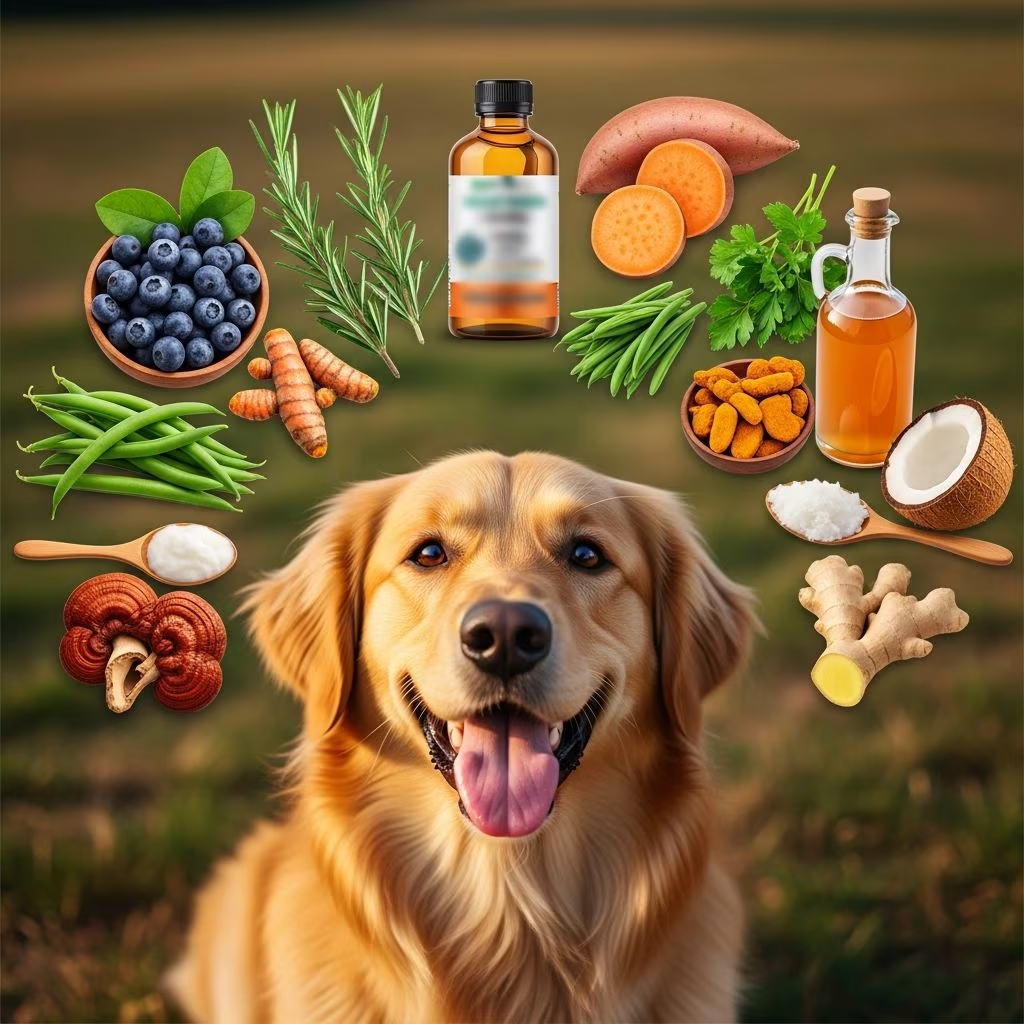
Dogs bring immeasurable joy to our lives, but watching them age can be heartbreaking. While genetics play a role in lifespan, nutrition and supplementation can significantly influence healthspan and longevity. Veterinary experts like Dr. Wendt emphasize proactive strategies using natural products to combat age-related decline. These include antioxidants to fight oxidative stress, omega-3 fatty acids for inflammation reduction, joint support for mobility, adaptogens for stress resilience, functional mushrooms for immune boosting, and NAD+ boosters for cellular repair. Incorporating these throughout your dog’s life—from puppyhood onward—can promote vitality, reduce disease risk, and potentially extend years of quality time together.
Recent advancements, such as Loyal’s LOY-002 beef-flavored pill entering clinical trials for senior dogs over 10 years and 14 pounds, highlight growing interest in longevity solutions. This daily tablet targets metabolic inefficiencies in aging dogs, with studies involving over 1,000 participants across 50 vet clinics potentially leading to market availability by early 2025. Meanwhile, natural products offer accessible, complementary support without waiting for pharmaceuticals.
Why Focus on Longevity for Dogs?
Large breeds like Saint Bernards often live only 5-8 years, while small ones like Chihuahuas reach 15-20. Factors like metabolic dysfunction accelerate aging in seniors, affecting over 15 million U.S. dogs. Natural products address root causes: oxidative damage, inflammation, joint degeneration, and cellular energy decline. Dr. Wendt, a physical therapist and acupuncturist, recommends lifelong use, inspired by her tripod dog’s needs. Pairing these with diet, exercise, and vet check-ups maximizes benefits.
Antioxidants
Antioxidants neutralize free radicals, which accumulate with age and contribute to cellular damage, cancer, and cognitive decline. Foods rich in vitamins C and E, beta-carotene, and polyphenols—like blueberries, spinach, and sweet potatoes—support this. Supplements such as grape seed extract or green tea polyphenols provide concentrated doses. A study on oxidative stress in aging dogs shows antioxidants improve skin health, immunity, and lifespan markers. Start with dog-safe formulations to avoid gastrointestinal upset.
- Blueberries: Packed with anthocyanins; add 1/4 cup daily to meals for small dogs.
- Vitamin E: From wheat germ oil; aids fat-soluble antioxidant protection.
- CoQ10: Supports heart health in seniors.
Omega-3 Fatty Acids
Omega-3s, particularly EPA and DHA from fish oil, reduce inflammation linked to arthritis, heart disease, and kidney issues. They promote brain health, shiny coats, and joint lubrication. The National Institutes of Health notes omega-3s extend lifespan in animal models by modulating immune responses. Dose based on weight: 20-55 mg EPA/DHA per pound daily. Choose purified sources to avoid mercury.
- Fish Oil: Wild-caught salmon or krill oil capsules.
- Algal Oil: Vegan alternative for allergic dogs.
- Benefits: Improved mobility, reduced allergies, cognitive support.
Joint Support
Joint degeneration affects 20% of dogs over 8 years, per veterinary data. Glucosamine, chondroitin, MSM, and hyaluronic acid rebuild cartilage, reduce pain, and enhance mobility. Dr. Wendt’s personal experience with her tripod dog underscores their efficacy alongside acupuncture. Undenatured type II collagen shows promise in trials for osteoarthritis relief. Combine with weight management for best results.
| Ingredient | Key Benefit | Daily Dose (per 10 lbs) |
|---|---|---|
| Glucosamine | Cartilage repair | 100-200 mg |
| Chondroitin | Joint lubrication | 50-100 mg |
| MSM | Anti-inflammatory | 50 mg |
Adaptogens
Adaptogens like ashwagandha, rhodiola, and holy basil help dogs cope with stress, balancing cortisol levels and boosting resilience. Chronic stress accelerates aging; adaptogens support adrenal function, immunity, and energy. Used in traditional medicine, they’re safe for long-term use in dogs. Start low to monitor tolerance.
- Ashwagandha: Reduces anxiety, supports thyroid.
- Reishi: Calms without sedation.
- Evidence: Improves endurance in athletic dogs.
Functional Mushrooms
Mushrooms such as turkey tail, reishi, lion’s mane, and chaga offer beta-glucans for immune modulation, anti-cancer properties, and neuroprotection. Turkey tail’s PSK compound has FDA approval for adjunct cancer therapy in humans; veterinary studies show similar benefits in dogs. They’re prebiotic, aiding gut health crucial for 70% of immunity.
- Lion’s Mane: Cognitive enhancement for senior dementia.
- Turkey Tail: Tumor support.
- Dosage: 10-30 mg/kg body weight.
NAD+ Boosters
Nicotinamide adenine dinucleotide (NAD+) declines with age, impairing energy production, DNA repair, and sirtuin activation. Boosters like NMN (nicotinamide mononucleotide) and NR (nicotinamide riboside) restore levels, mimicking youthful metabolism. Dr. Wendt notes benefits for vitality, cognition, and disease resistance. Early canine trials parallel human anti-aging research from NIH-funded studies.
Administer sublingually or in treats; consult vets for dosing, as human formulations need adjustment.
Other Longevity Strategies
Beyond products, probiotics for gut microbiome health, turmeric (curcumin) for potent anti-inflammation, and milk thistle for liver detox round out protocols. Caloric restriction mimetics like resveratrol activate longevity genes. Alternative therapies—acupuncture, Reiki, sound baths—enhance wellness, as per holistic vets.
Emerging Pharmaceutical Options
While natural products form the foundation, biotech innovations like Loyal’s LOY-001 (injectable for large dogs) and LOY-002 (oral for dogs 14+ lbs, 10+ years) target IGF-1 pathways for metabolic health. FDA granted “reasonable expectation of effectiveness” for both. The STAY study enrolls 1,000+ dogs for up to 4 years, potentially adding healthy years.
Practical Tips for Implementation
Introduce supplements gradually, vet-approved. Monitor via bloodwork. Combine with raw or balanced diets, daily exercise (30-60 min walks), and mental stimulation. Track progress with mobility scores and energy levels.
Frequently Asked Questions (FAQs)
What is the best age to start longevity supplements?
Middle age (5-7 years), but benefits accrue lifelong. Puppies gain preventive advantages.
Are these products safe for all dogs?
Generally yes, but consult vets for breed-specific issues, medications, or conditions like bleeding disorders (avoid high omega-3s).
Can supplements replace vet care?
No; they’re complementary. Regular check-ups detect issues early.
How soon do results show?
4-12 weeks for joint/coat improvements; longevity effects are long-term.
What’s the evidence for dog lifespan extension?
Observational studies and trials show 10-20% healthspan gains; pharma trials like Loyal’s aim for 1+ year extension.
References
- Second drug for canine healthy lifespan extension receives FDA support — dvm360. 2024-01-15. https://www.dvm360.com/view/second-drug-for-canine-healthy-lifespan-extension-receives-fda-support
- A New Drug Could Make Your Dog Live Longer — Kinship. 2024-11-01. https://www.kinship.com/dog-health/loyal-life-extending-drug-dogs-all-sizes-news
- A New Drug Aims to Extend the Life Expectancy of Large Dogs — Kinship. 2024-01-01. https://www.kinship.com/dog-health/loyal-drug-increases-lifespan-large-dogs
- LOYAL’s LOY-002 Clinical Trial for Dog Longevity — Kinship. 2024-01-01. https://www.kinship.com/news/loyal-dog-trial
- Omega-3 Fatty Acids and Health — National Institutes of Health (NIH). 2023-07-01. https://ods.od.nih.gov/factsheets/Omega3FattyAcids-HealthProfessional/
- Drug that could extend your dog’s life is one step closer — KIRO 7 News. 2024-01-01. https://www.kiro7.com/news/local/drug-that-could-extend-your-dogs-life-is-one-step-closer-becoming-reality/Y643NOXH7FBWNKZDTO7LKCQFPU/



