

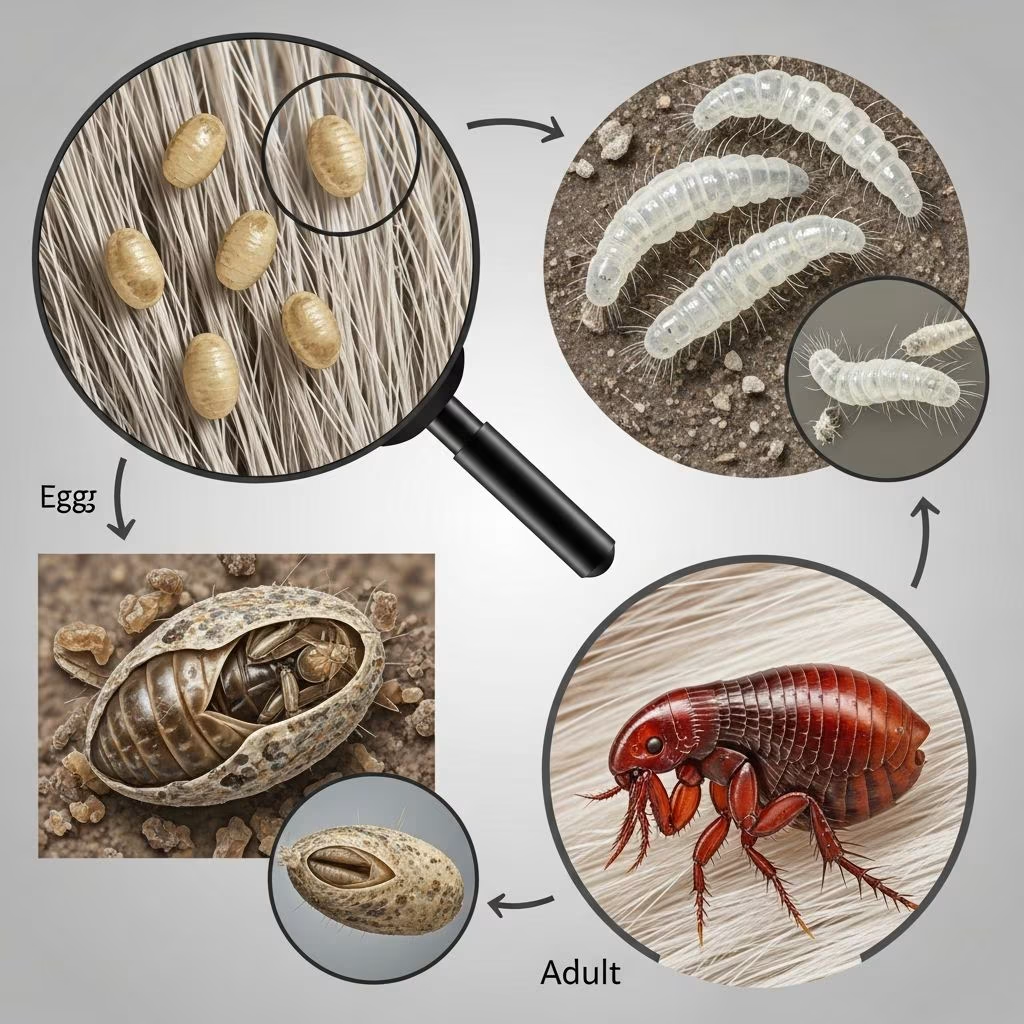
Understanding the Life Cycle of Fleas
Fleas are among the most common parasites affecting pets, and understanding their life cycle is crucial for effective pest management. These tiny insects go through four distinct stages of development, each with unique characteristics and vulnerabilities. By learning how fleas develop and reproduce, pet owners can implement targeted prevention strategies and break the cycle of infestation before it becomes a serious problem.
The flea life cycle is remarkably efficient, allowing populations to explode rapidly under favorable conditions. What many pet owners don’t realize is that the fleas visible on their pets represent only a small fraction of the total infestation. The majority of fleas exist in the environment as eggs, larvae, and pupae, making comprehensive treatment essential for successful flea control.
The Four Stages of Flea Development
Fleas progress through four distinct life stages: egg, larva, pupa, and adult. Each stage has different environmental requirements, feeding behaviors, and resistance to treatments. Understanding these stages helps explain why flea infestations can be persistent and why a multi-pronged approach to treatment is necessary.
Stage 1: Egg
The flea life cycle begins when adult female fleas lay eggs on a host animal. Adult fleas can begin reproducing remarkably quickly—within 24 to 48 hours of their first blood meal, female fleas start producing eggs. A single female flea can lay approximately 24 to 28 eggs per day, with some sources indicating up to 40 to 50 eggs daily under optimal conditions. These eggs are typically laid during nighttime hours and are not sticky, meaning they easily fall off the host animal as it moves, grooms, or scratches.
Flea eggs are whitish in color and measure about 0.5 millimeters (1/32 inch) in length, making them difficult to spot with the naked eye. Once laid, the eggs fall into the pet’s bedding, furniture, carpeting, and other areas where the pet spends time. This dispersal throughout the home environment is why treating both the pet and the living space is essential for flea control.
The egg stage typically lasts between 1 to 10 days, depending on environmental conditions. Temperature and humidity are critical factors affecting egg development. Warmer, more humid environments accelerate hatching, while cooler, drier conditions slow the process significantly. Eggs require at least 50% humidity to develop properly and cannot survive long below freezing temperatures, which is why flea infestations are more common during warmer months.
Stage 2: Larva
After 1 to 10 days, flea eggs hatch into larvae. Newly hatched flea larvae are free-living organisms that do not require a host to survive initially. Instead, they feed on organic debris and, most importantly, on flea feces (also called flea dirt), which contains large amounts of incompletely digested blood from adult fleas. This reliance on flea feces for nutrition makes the presence of adult fleas critical for larval development and survival.
Flea larvae are also attracted to dark, moist environments, so they typically migrate away from light and burrow into pet bedding, carpets, furniture crevices, and soil outdoors. This behavior makes them difficult to reach with typical cleaning methods. The larval stage typically lasts 5 to 20 days, during which the larvae undergo two molts before progressing to the next stage.
During this period, larvae feed continuously on available organic matter and flea feces. The quality of their nutrition and environmental conditions directly affect their development rate. In warm, humid homes with plenty of available food sources, larvae develop more rapidly, accelerating the overall flea life cycle.
Stage 3: Pupa
After the larval stage, fleas enter the pupal stage, which is perhaps the most challenging phase for pest control professionals and pet owners. During this stage, the developing flea spins a silk-like cocoon for protection and enters a resting phase before becoming an adult. This cocoon is sticky, allowing debris from the environment—such as dirt, hair, and dust—to adhere to its surface, providing natural camouflage and additional protection.
The cocoon serves multiple protective functions. It shields the developing pupa from environmental stressors such as temperature fluctuations, low humidity, and most importantly, from insecticides and topical treatments applied to the pet or home environment. This protective barrier is a major reason why flea infestations can persist even after treatment, as pre-emergent fleas remain protected inside their cocoons.
Under ideal conditions with warmth and humidity, the pupal stage lasts 1 to 2 weeks, with pupae becoming adult fleas within 5 to 10 days in warm, moist environments. However, this stage can be dramatically extended under less favorable conditions. Pre-emergent adult fleas can remain dormant within their cocoons for extended periods—potentially up to 9 months or even 18 months—waiting for the right signals to emerge.
Adult fleas will only emerge from their cocoons when they detect specific environmental stimuli indicating that a suitable host is nearby. These signals include physical vibrations or pressure, elevated carbon dioxide levels from a breathing animal, and body heat. This behavioral adaptation allows fleas to remain viable in an empty home and quickly establish an infestation when a new host becomes available.
Stage 4: Adult
Once fleas emerge from their cocoons as fully developed adults, they become the parasites we typically recognize on our pets. Adult fleas are attracted to light and will actively seek a host to feed on. They can only survive a few days without a blood meal, making host-seeking behavior urgent once they emerge.
Upon finding a host, adult fleas begin feeding within seconds or minutes. They feed by piercing the skin and drawing blood directly into their digestive systems. Within 8 to 24 hours of their first blood meal, fleas mate, beginning the reproductive cycle anew. Female fleas typically live 2 to 3 weeks under normal household conditions and can produce hundreds of eggs during their lifetime.
Adult female fleas begin laying eggs within 24 to 48 hours of their first meal and continue producing eggs at a rapid rate until the end of their lives. This prolific reproduction is why flea infestations escalate so quickly and why consistent, long-term prevention is essential.
Timeline and Duration of the Flea Life Cycle
The complete flea life cycle—from egg to reproductive adult—typically takes between 14 to 28 days under optimal conditions. However, this timeline can vary significantly based on environmental factors. Under most household conditions, the cycle completes in 3 to 8 weeks. In laboratory or ideal settings, the cycle can be completed in as little as 12 days.
The most variable stage is the pupal phase, which can extend from as little as 5 to 10 days to several months depending on conditions. This variability means that even after treatment, fleas can continue to emerge from pupae for several weeks, which is why ongoing prevention and repeated treatments are necessary.
Environmental Factors Affecting Flea Development
Several environmental conditions significantly influence how quickly fleas develop and reproduce:
Temperature
Fleas develop most rapidly in warm environments between 65°F and 80°F (approximately 18°C to 27°C). Cold temperatures slow development dramatically, while freezing temperatures can kill eggs and exposed fleas. This is why flea infestations are more prevalent during warmer months and why indoor heating in winter can maintain year-round flea activity in homes.
Humidity
Humidity levels significantly impact flea egg survival and development. Eggs require at least 50% humidity to develop successfully and cannot survive in dry environments. The combination of warmth and humidity creates ideal conditions for rapid flea reproduction, which is why humid climates and air-conditioned homes with humidifiers can support continuous flea activity.
Host Availability
The presence of a suitable host directly affects flea populations. Homes with multiple pets support larger flea populations than those with single pets. Additionally, outdoor flea populations depend on wildlife populations, as raccoons, opossums, and feral cats serve as common hosts.
Breaking the Flea Life Cycle
Effective flea control requires targeting multiple stages of the life cycle simultaneously. Relying on a single treatment method often fails because different stages respond differently to various interventions.
Treating Adult Fleas on Pets
Monthly flea preventatives containing ingredients like pyrethrins, imidacloprid, or selamectin effectively kill adult fleas on pets. These treatments must be applied consistently year-round, as even a single missed month can allow flea populations to reestablish.
Environmental Treatment
Vacuuming carpets, furniture, and pet bedding removes eggs, larvae, and pupae before they develop into adults. Disposing of vacuum bags immediately prevents developing fleas from escaping. Washing pet bedding in hot water kills all flea life stages.
Growth Regulators
Products containing insect growth regulators (IGRs) like pyrethrins prevent eggs and larvae from developing into adult fleas, effectively breaking the reproductive cycle without directly killing existing adults.
Consistency and Duration
Flea control requires consistent treatment for at least 3 to 8 weeks to eliminate multiple generations and address pupae emerging from existing cocoons. Inconsistent treatment allows the cycle to restart.
Why Flea Infestations Persist
Flea infestations are notoriously difficult to eliminate completely because:
- Adult fleas represent only 5% of the total infestation; the remaining 95% exists as eggs, larvae, and pupae in the environment
- Pupae protected in cocoons are resistant to most treatments and can remain viable for months
- Rapid reproduction allows populations to quickly rebound if any stage is left untreated
- Inconsistent treatment or missed doses allow the cycle to continue
Comparison of Environmental Factors Impact on Development
| Factor | Optimal Conditions | Effect on Development |
|---|---|---|
| Temperature | 65–80°F (18–27°C) | Fastest development; below 50°F development slows or stops |
| Humidity | 50–80% relative humidity | Eggs require minimum 50%; lower humidity prevents development |
| Host Availability | Continuous proximity | Signals pupae to emerge; supports large populations |
| Shelter | Dark, protected areas | Larvae survive better; cocoons gain protection from debris |
Frequently Asked Questions About the Flea Life Cycle
Q: How long does the flea life cycle take?
A: Under optimal household conditions, the complete flea life cycle takes 3 to 8 weeks. In ideal laboratory conditions, it can occur in as little as 12 days, while in cooler environments, it may extend several months.
Q: Can flea pupae survive insecticide treatments?
A: Yes, flea pupae inside cocoons are highly resistant to most insecticides because the silk cocoon and accumulated debris provide a protective barrier. This is why multiple treatments over several weeks are necessary for complete control.
Q: Why do fleas keep appearing after I treat my pet?
A: Fleas continue appearing because pupae emerge as adults after initial treatment, and treatment only kills adult fleas on the pet at the moment of application. Consistent monthly preventatives are necessary to eliminate each new generation as it emerges.
Q: How many eggs can a female flea lay?
A: Female fleas lay 24 to 50 eggs per day depending on conditions, meaning a single female can produce hundreds of eggs over her 2 to 3-week lifespan.
Q: Can fleas survive without a host?
A: Adult fleas can survive only a few days without a blood meal, but pupae can remain dormant in their cocoons for up to 9 to 18 months, waiting for a host to become available.
Q: What’s the best way to eliminate fleas from my home?
A: Effective flea elimination requires a multi-pronged approach: applying monthly preventatives to pets, vacuuming frequently, washing pet bedding in hot water, treating the home environment with flea sprays if necessary, and maintaining consistent prevention for at least 8 weeks to address multiple generations.
Q: Are outdoor fleas different from indoor fleas?
A: The flea species and life cycle are similar, but outdoor fleas face greater environmental challenges from temperature fluctuations and moisture variations. However, they can easily be brought indoors on pets or clothing, making year-round prevention essential.
References
- Flea Lifecycles — Centers for Disease Control and Prevention (CDC). 2024. https://www.cdc.gov/fleas/about/flea-lifecycles.html
- The Life Cycle of a Flea Explained — Veterinary Prescriber. https://www.veterinaryprescriber.org/free-articles/the-life-cycle-of-a-flea-explained
- How the Flea and Tick Life Cycle Can Affect You and Your Pet — Elanco (Your Pet and You). https://yourpetandyou.elanco.com/us/parasites/fleas/ticks/understanding-flea-and-tick-life-cycle
- The Fleas and Ticks Life Cycle — Blackman Animal Clinic. https://www.blackmananimalclinic.com/fleas-and-ticks.html
- Breaking the Flea Life Cycle — Merck Animal Health USA. https://www.merck-animal-health-usa.com/pet-owners/pet-health/fleas-ticks/breaking-the-flea-life-cycle/



