

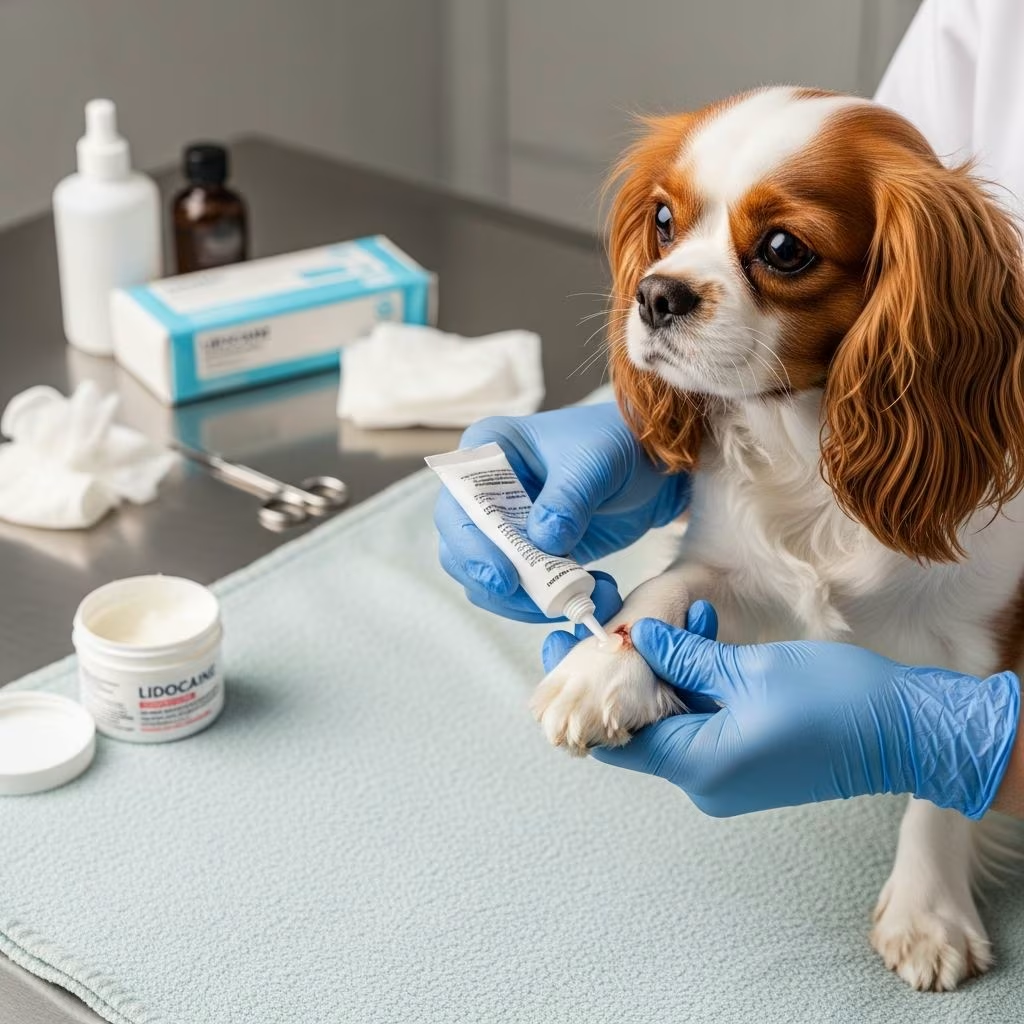
Understanding Lidocaine and Lidocaine Combinations Topical for Pets
Lidocaine and lidocaine combination topical medications are essential pain management tools in veterinary medicine. These local anesthetics work by providing a numbing effect directly to the skin surface of cats, dogs, and other animals. As an aminoamide local anesthetic, lidocaine represents one of the most commonly used and effective topical pain relief solutions available in modern veterinary practice. Whether your pet requires relief from minor skin irritations, pre-procedural pain management, or localized wound care, understanding how these medications work is crucial for responsible pet ownership.
What Is Lidocaine and Lidocaine Combinations Topical?
Lidocaine topical formulations are local anesthetics specifically designed to provide rapid anesthesia to the skin surface. These medications work by reversibly inhibiting nerve impulse conduction, producing localized desensitization through direct tissue contact. Lidocaine is classified as an aminoamide local anesthetic and is available in multiple formulations to suit different therapeutic needs.
Composition and Combination Products
While pure lidocaine formulations provide effective anesthesia on their own, many veterinary products combine lidocaine with additional active ingredients to enhance therapeutic benefits. Combination products may contain:
- Other local anesthetics such as prilocaine
- Antibiotics or antimicrobial agents to prevent infection
- Steroids to reduce inflammation
- Antihistamines to minimize allergic responses
- Cleansing agents to promote wound hygiene
The most commonly used combination in veterinary practice is a eutectic 2.5% lidocaine and 2.5% prilocaine cream, which has demonstrated significant effectiveness in reducing pain associated with venipuncture in both cats and dogs. Many combination products may be specially compounded by veterinary pharmacies to meet specific treatment needs for individual patients.
FDA Approval and Off-Label Use
It is important to note that lidocaine use in veterinary medicine may be off-label depending on the specific formulation, condition being treated, and the animal species involved. Off-label use means the medication is being used in a way that has not been specifically reviewed or approved by the U.S. Food and Drug Administration (FDA) or Health Canada. This is a common and legal practice in veterinary medicine when a veterinarian determines that the benefits justify the use. Always follow your veterinarian’s specific directions and cautions carefully, as they may differ significantly from those printed on the medication label.
Available Forms and Formulations
Lidocaine and lidocaine combination topical medications are available in multiple convenient forms, allowing veterinarians to select the most appropriate delivery method for each patient’s specific condition. The diverse range of formulations ensures that treatment can be tailored to the precise location and nature of the injury or condition requiring pain management.
Common Formulation Types
- Topical creams: Easy to apply and ideal for localized skin conditions
- Gels: Provide smooth application and good adherence to affected areas
- Ointments: Offer prolonged contact and protection for wounds
- Liquid solutions: Suitable for spray or direct application to specific sites
- Spray formulations: Allow for rapid, even application over larger areas
- Transdermal patches: Provide sustained release for extended pain relief
Many veterinary practices can access specially compounded formulations customized to meet unique patient needs or specific medical conditions that standard commercial products may not adequately address.
How to Administer Lidocaine Topical to Your Pet
Proper application technique is essential for ensuring both safety and efficacy. Following your veterinarian’s specific instructions carefully will maximize the therapeutic benefits while minimizing any potential risks.
Step-by-Step Application Guidelines
Preparation: Begin by cleaning the affected area thoroughly as directed by your veterinarian. This removes any debris, dirt, or discharge that could interfere with medication absorption or harbor bacteria.
Personal Protection: Always wear gloves when applying lidocaine topical medications to your pet. This protects both you and your pet from unnecessary exposure and potential irritation.
Application: Apply the medication directly to the skin as instructed. The specific amount and frequency will depend on the formulation, the size of the affected area, and your pet’s individual condition.
Post-Application Care: Avoid contact with the eyes, as lidocaine can cause irritation to ocular tissues. Wash your hands thoroughly after application, even though you wore gloves during the procedure.
Prevent Self-Trauma: Do not allow your pet to groom, lick, or otherwise disturb the application site for at least 30 minutes after applying the medication. Many veterinarians recommend using an Elizabethan collar or similar protective device if your pet tends to lick treated areas.
Compliance: Complete the full course of treatment prescribed by your veterinarian, even if your pet appears to be feeling better. Stopping treatment prematurely may result in inadequate healing or return of pain symptoms.
Timeline for Effectiveness
Lidocaine topical medications work quickly, typically taking effect within one hour of application. However, outward signs of improvement may not be immediately noticeable to the pet owner. The numbing effect begins at the cellular level before visible healing occurs. Depending on the condition being treated, full therapeutic benefits may take several days of consistent treatment.
Potential Side Effects and Safety Considerations
While lidocaine topical medications are generally safe and well-tolerated when used as directed, pet owners should be aware of potential side effects and when to seek veterinary attention.
Common Side Effects
Most pets experience minimal side effects from topical lidocaine application. The most frequently reported adverse effect is mild irritation at the application site, which typically resolves with continued treatment or may require a brief interruption in therapy.
Combination products may produce additional side effects depending on the specific medications included in the formulation. For example, products containing steroids may cause skin thinning with prolonged use, while antibiotic combinations may rarely cause contact dermatitis in sensitive individuals.
Rare but Serious Allergic Reactions
Although uncommon, serious allergic reactions can occur and require immediate veterinary attention. Contact your veterinarian immediately if your pet experiences any of the following symptoms:
- Irregular breathing or difficulty breathing
- Rash or hives on the skin
- Fever
- Puffiness and swelling around the face, lips, or throat
- Severe lethargy or collapse
Developing Sensitivities Over Time
An important consideration is that drug sensitivities can develop over time with repeated exposure to lidocaine or combination products. Your pet may tolerate the medication perfectly well after the first few doses but may develop a sensitivity or allergic reaction later in the treatment course. This is why it is critical to watch carefully for signs of an allergic reaction throughout the entire duration of treatment, not just during initial applications.
Duration of Action and Special Populations
Lidocaine’s short-acting nature means the numbing effect typically wears off within a few hours after application. However, in pets with compromised kidney or liver function, effects may be significantly prolonged as these organs are responsible for metabolizing the medication. Additionally, combination products may have extended durations of action depending on the formulation ingredients used.
Drug Interactions and Medication Safety
Certain medications should be used with caution when administered concurrently with lidocaine or lidocaine combination topical products. Understanding potential interactions helps ensure your pet receives safe, effective treatment without adverse complications.
Medications Requiring Caution
Specific drug classes warrant careful consideration when your pet is being treated with topical lidocaine:
- Oral antiarrhythmic drugs: Medications like oral lidocaine used to treat heart rhythm problems may have additive effects
- Other topical anesthetics: Using multiple local anesthetic agents simultaneously, such as prilocaine, may increase toxicity risk
- Cardiovascular medications: Certain blood pressure and heart medications may interact with lidocaine
- Hepatic and renal medications: Drugs affecting liver or kidney function may alter lidocaine metabolism
Important Communication with Your Veterinarian
Before starting any new topical lidocaine treatment, provide your veterinarian with a complete medication history. Be sure to mention:
- All prescription medications your pet is currently taking
- Over-the-counter medications and pain relievers
- Vitamins and nutritional supplements
- Herbal therapies or natural remedies
- Any previous adverse reactions to anesthetic medications
This comprehensive approach to medication management ensures your veterinarian can make informed decisions about whether lidocaine topical is appropriate for your pet and whether any dosage adjustments or precautions are necessary.
Clinical Applications and Therapeutic Benefits
Lidocaine and its combinations are utilized in veterinary medicine for numerous therapeutic purposes beyond simple pain relief. These versatile medications offer multiple benefits in different clinical scenarios.
Pain Management Applications
The primary use of topical lidocaine is localized pain management for minor wounds, surgical sites, skin irritations, and procedural pain. The medication’s rapid onset makes it particularly valuable for pre-procedure anesthesia, such as numbing the skin before blood draws or injections in anxious pets.
Multimodal Analgesia
Topical lidocaine plays an important role in multimodal pain management protocols, which combine multiple pain-relief strategies for enhanced effectiveness. This approach reduces the need for higher doses of systemic pain medications and helps minimize side effects associated with oral pain relievers.
Wound Care and Healing
Evidence indicates that topical application of lidocaine does not negatively influence skin healing processes, making it safe for use on wounds that require closure or long-term care. The anesthetic properties help reduce pain-related behaviors that could otherwise delay healing through excessive licking or movement.
Frequently Asked Questions About Lidocaine Topical for Pets
Q: Can I use human lidocaine products on my pet?
A: No, you should only use veterinary-formulated lidocaine products on your pet. Always consult with your veterinarian before applying any medication to your pet, as formulation strengths and inactive ingredients may differ between human and veterinary products.
Q: How long does lidocaine take to work?
A: Topical lidocaine typically takes effect within one hour of application. However, visible signs of improvement may take several days of consistent treatment depending on the condition being treated.
Q: Can lidocaine be absorbed through the skin and cause systemic effects?
A: While topical lidocaine primarily acts locally, some absorption can occur, particularly if applied to large areas or if your pet has compromised skin barriers. This is why proper application technique and preventing your pet from licking the site are important safety measures.
Q: What should I do if my pet licks the lidocaine?
A: If accidental ingestion occurs, contact your veterinarian immediately. This is why preventing your pet from licking the application site for at least 30 minutes is so important. Consider using protective devices like Elizabethan collars for pets prone to licking wounds.
Q: Are combination products better than pure lidocaine?
A: The best choice depends on your pet’s specific condition. Pure lidocaine works well for simple pain relief, while combinations may be preferable if your pet has concurrent infection, inflammation, or allergy concerns. Your veterinarian can recommend the most appropriate formulation.
Q: Can I use lidocaine topical on my cat?
A: Yes, lidocaine topical can be safely used on cats. However, cats are more sensitive to certain medications than dogs, so follow your veterinarian’s specific instructions carefully. Prevent your cat from licking the application site by using protective devices if necessary.
References
- Local Anesthetic Agents in Companion Animal Veterinary Practice — Today’s Veterinary Practice. 2024. https://todaysveterinarypractice.com/pharmacology/local-anesthetic-agents-in-companion-animal-veterinary-practice/
- Local and Regional Analgesic Techniques in Animals — Merck Veterinary Manual. 2024. https://www.merckvetmanual.com/therapeutics/pain-assessment-and-management/local-and-regional-analgesic-techniques-in-animals
- Topical application of lidocaine or bupivacaine in the healing of surgical wounds — National Center for Biotechnology Information (NCBI). 2020. https://pmc.ncbi.nlm.nih.gov/articles/PMC7433664/
- Lidocaine for Dogs and Cats — PetPlace. 2024. https://www.petplace.com/article/drug-library/drug-library/library/lidocaine-for-dogs-and-cats
- Lidocaine/Lidocaine Combinations Topical — VCA Animal Hospitals. 2024. https://vcahospitals.com/know-your-pet/lidocainelidocaine-combinations-topical



