

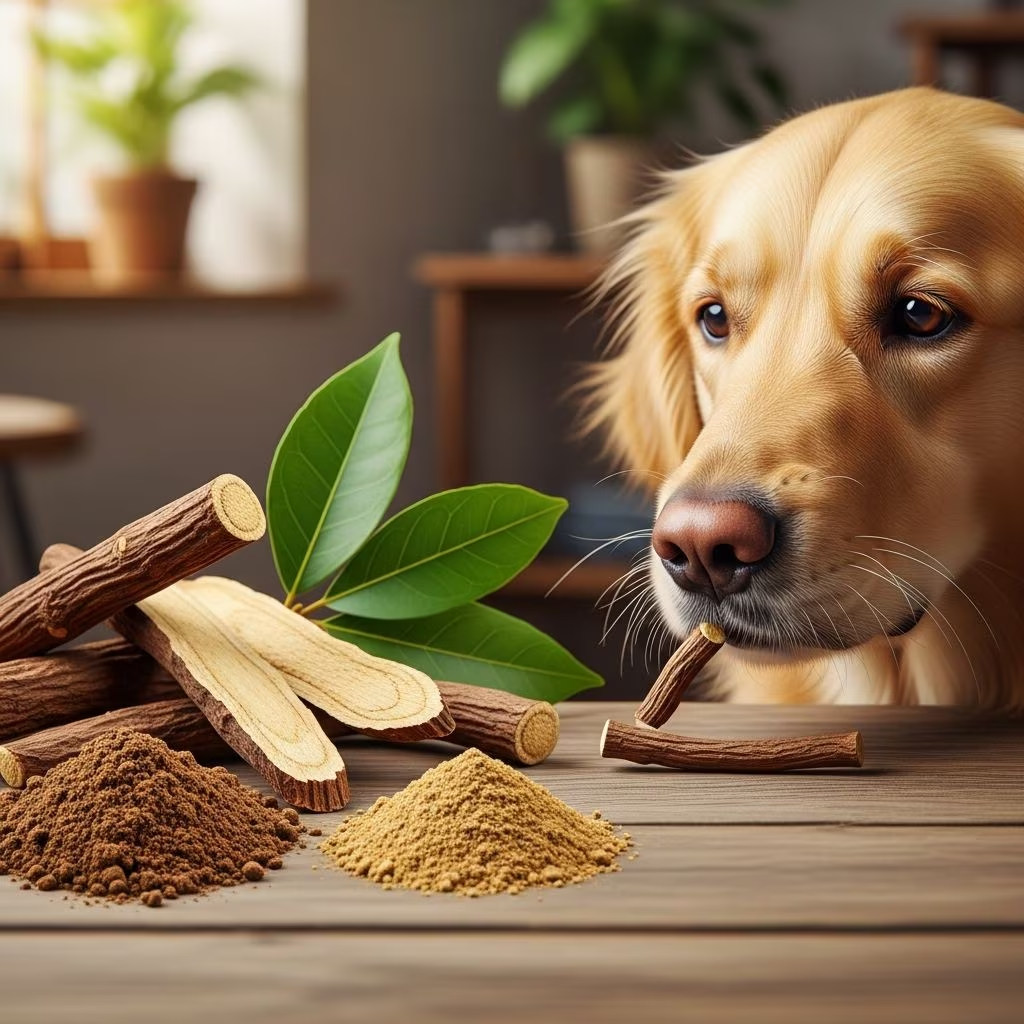
Pet owners seeking natural therapeutic options for their dogs increasingly turn to herbal remedies with established safety profiles and scientific validation. Among these, licorice root stands out as a versatile botanical that addresses multiple physiological systems without the immunosuppressive effects associated with conventional corticosteroids. Derived from the Glycyrrhiza glabra plant, this herb contains active compounds including flavonoids, saponins, and glycosides that work synergistically to promote canine wellness.
Understanding the Botanical Foundation of Licorice Root
The medicinal properties of licorice root concentrate in the underground portion of the plant, where active constituents accumulate over time. The primary active compound, glycyrrhizin, functions as a natural corticosteroid mimic, providing anti-inflammatory effects without suppressing immune function—a critical distinction when managing chronic conditions in dogs.
Research demonstrates that licorice root’s active compounds work through multiple mechanisms. Beyond glycyrrhizin, the plant contains compounds that modulate inflammatory pathways, support mucous membrane integrity, and enhance the body’s natural healing processes. This multifaceted mechanism explains why practitioners recommend licorice root for diverse conditions spanning multiple organ systems.
Gastrointestinal Applications and Digestive Support
One of the most well-documented applications of licorice root involves supporting digestive health. The herb’s anti-inflammatory and demulcent properties directly soothe irritated mucosal linings throughout the gastrointestinal tract.
For dogs experiencing acid reflux, gastritis, or general digestive upset, licorice root reduces gastric acid activity while simultaneously protecting the stomach lining from ongoing irritation. The herb’s antimicrobial properties contribute to healthy gut microbiota balance, which many practitioners view as foundational to overall digestive wellness.
Leaky Gut Syndrome and Intestinal Integrity
Dogs suffering from leaky gut syndrome face a particular challenge: their compromised intestinal barrier allows toxins and undigested food particles to enter systemic circulation, triggering chronic inflammation and potentially contributing to arthritis, autoimmune conditions, allergies, and liver dysfunction. Licorice root addresses this condition through multiple pathways. The herb reduces inflammation of the compromised intestinal lining while simultaneously supporting mucus production that protects the gut barrier. This dual-action approach supports long-term intestinal healing rather than merely masking symptoms.
Anti-Inflammatory Mechanisms Across Multiple Systems
The anti-inflammatory capacity of licorice root extends throughout the body, making it valuable for dogs with conditions affecting various organ systems. Research indicates that compounds within licorice root reduce pain and inflammation while protecting against cartilage degeneration—particularly relevant for aging dogs or those with degenerative joint conditions.
Dogs experiencing inflammation-related conditions benefit from licorice root’s ability to enhance the body’s natural anti-inflammatory processes. Specific applications include:
- Itching and burning sensations associated with allergic reactions
- Eczema and atopic dermatitis manifestations
- Respiratory complications involving mucous membrane inflammation (bronchitis, asthma)
- Liver toxicity and hepatic disease
- Urinary tract infection-related inflammation
The advantage of licorice root over pharmaceutical corticosteroids lies in its immune-neutral profile. While conventional steroids can weaken immune function with long-term use, licorice root functions as a natural anti-inflammatory without compromising immune competency.
Respiratory Health and Expectorant Properties
Beyond gastrointestinal applications, licorice root demonstrates significant value for respiratory system support. The herb’s expectorant properties help dogs with coughing by loosening accumulated mucus in the lungs, facilitating clearance of respiratory secretions. For dogs with allergies manifesting as respiratory symptoms or those experiencing bronchial inflammation, licorice root provides multi-system support through both anti-inflammatory and mucus-mobilizing mechanisms.
Comparing Full-Spectrum and Deglycyrrhizinated Forms
Two primary forms of licorice root exist in veterinary practice: conventional licorice root containing full glycyrrhizin content and deglycyrrhizinated licorice (DGL), where glycyrrhizin has been removed through processing.
| Characteristic | Full-Spectrum Licorice | Deglycyrrhizinated Licorice (DGL) |
|---|---|---|
| Glycyrrhizin Content | Complete | Removed |
| Duration of Use | Short-term optimal | Safe for extended use |
| Blood Pressure Effects | May increase | Minimal risk |
| Potassium Impact | May deplete | Minimal impact |
| Ideal Applications | Acute conditions, adjunct therapy | Chronic digestive support, leaky gut |
For managing leaky gut and chronic digestive issues, practitioners generally recommend DGL as the safer option for extended use. DGL tinctures typically dose at 12 to 20 drops per 20 pounds of body weight twice daily, though consultation with a veterinary herbalist optimizes dosing for individual dogs.
Topical Therapeutic Applications
Beyond internal administration, licorice root offers topical healing potential. When prepared as an oil infusion, licorice root can address hot spots, bruises, and mild trauma-related lameness. The preparation process involves placing chopped dried licorice root in a glass jar, covering generously with olive oil, and allowing the mixture to steep in a warm location (avoiding direct sunlight) for 30 days. After straining through cheesecloth, the infused oil stores in the refrigerator for future use on affected skin areas.
Immune System Enhancement and Stress Modulation
Licorice root demonstrates adaptogenic properties that help dogs manage stress and anxiety. These stress-modulating effects contribute to overall immune resilience, as chronic stress suppresses immune competency. By supporting the body’s capacity to manage stressors, licorice root indirectly bolsters immune function and general wellness.
Safety Considerations and Contraindications
While generally safe for most dogs when given appropriately, licorice root demands careful administration and veterinary oversight. Full-spectrum licorice root can increase sodium levels, elevate blood pressure, and promote water retention when used long-term. These effects necessitate veterinary consultation before implementing licorice root into a dog’s daily regimen, particularly for dogs with pre-existing cardiovascular, renal, or metabolic conditions.
Excessive amounts of licorice root can lead to increased blood pressure and potassium depletion. Always follow recommended dosages and adjust based on veterinary guidance rather than self-prescribing doses.
Frequently Asked Questions About Canine Licorice Root Therapy
Is licorice root safe for all dogs?
Licorice root is generally safe for most dogs when administered in appropriate doses and durations. However, dogs with underlying health conditions—particularly those affecting cardiovascular function, kidney health, or electrolyte balance—require veterinary evaluation before supplementation begins.
What delivery methods work best for administering licorice root?
Dogs can receive licorice root through multiple administration routes: powdered form mixed into food, brewed as a tea and cooled, or through commercial supplements. The naturally sweet taste of licorice root typically makes it palatable for most dogs, and practitioners often employ it to mask the bitter flavors of other medicinal herbs.
Can licorice root address allergic responses in dogs?
Yes, licorice root demonstrates significant value for dogs experiencing allergic reactions. The herb soothes allergic manifestations while supporting respiratory health, making it beneficial for dogs with environmental or dietary allergies.
How does licorice root compare to pharmaceutical corticosteroids?
Licorice root provides anti-inflammatory effects comparable to corticosteroids while maintaining immune system integrity—a critical advantage for long-term use. Some practitioners utilize licorice root to safely wean dogs from higher-dose steroid medications that carry immunosuppressive risks.
What timeframe reveals therapeutic benefits?
Studies indicate that licorice root functions as a fast-acting anti-inflammatory agent, with many dogs showing improvement relatively quickly. However, chronic conditions like leaky gut may require extended treatment duration for complete healing of intestinal integrity.
Strategic Implementation in Veterinary Practice
Forward-thinking veterinarians incorporate licorice root into comprehensive treatment protocols addressing inflammatory conditions, gastrointestinal dysfunction, and immune challenges. The herb serves particularly well as an adjunctive therapy alongside conventional treatments, potentially reducing pharmaceutical dosages through synergistic mechanisms.
When considering licorice root for a specific dog, veterinarians evaluate the individual’s complete health profile, current medications, and underlying conditions. Dogs with hypertension, kidney disease, or significant electrolyte imbalances warrant particular caution or complete avoidance of full-spectrum licorice root.
Conclusion
Licorice root represents a valuable botanical option for supporting canine health across multiple physiological systems. From digestive tract healing to respiratory support and immune modulation, this herb addresses root causes of dysfunction rather than merely suppressing symptoms. The key to safe and effective use lies in proper form selection (DGL versus full-spectrum), appropriate dosing, understanding individual dog contraindications, and maintaining veterinary partnership throughout treatment. For dog owners seeking natural therapeutic approaches that complement conventional medicine, licorice root offers evidence-based benefits worthy of discussion with qualified veterinary practitioners.
References
- Licorice Root: A Multi-Beneficial and Safe Herb for Dogs — PetCloud. 2024. https://www.petcloud.com.au/d/blog/licorice-root-a-multi-beneficial-and-safe-herb-for-dogs/
- Health Benefits Of Licorice For Dogs — Dogs Naturally Magazine. 2024. https://www.dogsnaturallymagazine.com/licorice-and-dogs/
- Licorice Root for Dogs — Adored Beast. 2024. https://blog.adoredbeast.com/licorice-root-for-dogs/
- Deglycyrrhizinated Licorice (Glycyrrhiza spp.) — Thorne Veterinary. 2024. https://thornevet.com/glossary/deglycyrrhizinated-licorice-glycyrrhiza-spp/
- Licorice Root: A Multi-Beneficial and Safe Herb for Dogs — Wag Walking. 2024. https://wagwalking.com/wellness/licorice-root-a-multi-beneficial-and-safe-herb-for-dogs
- Glycyrrhizin intake higher than the current international guidelines has — PubMed/NIH. 2024. https://pubmed.ncbi.nlm.nih.gov/39087832/



