

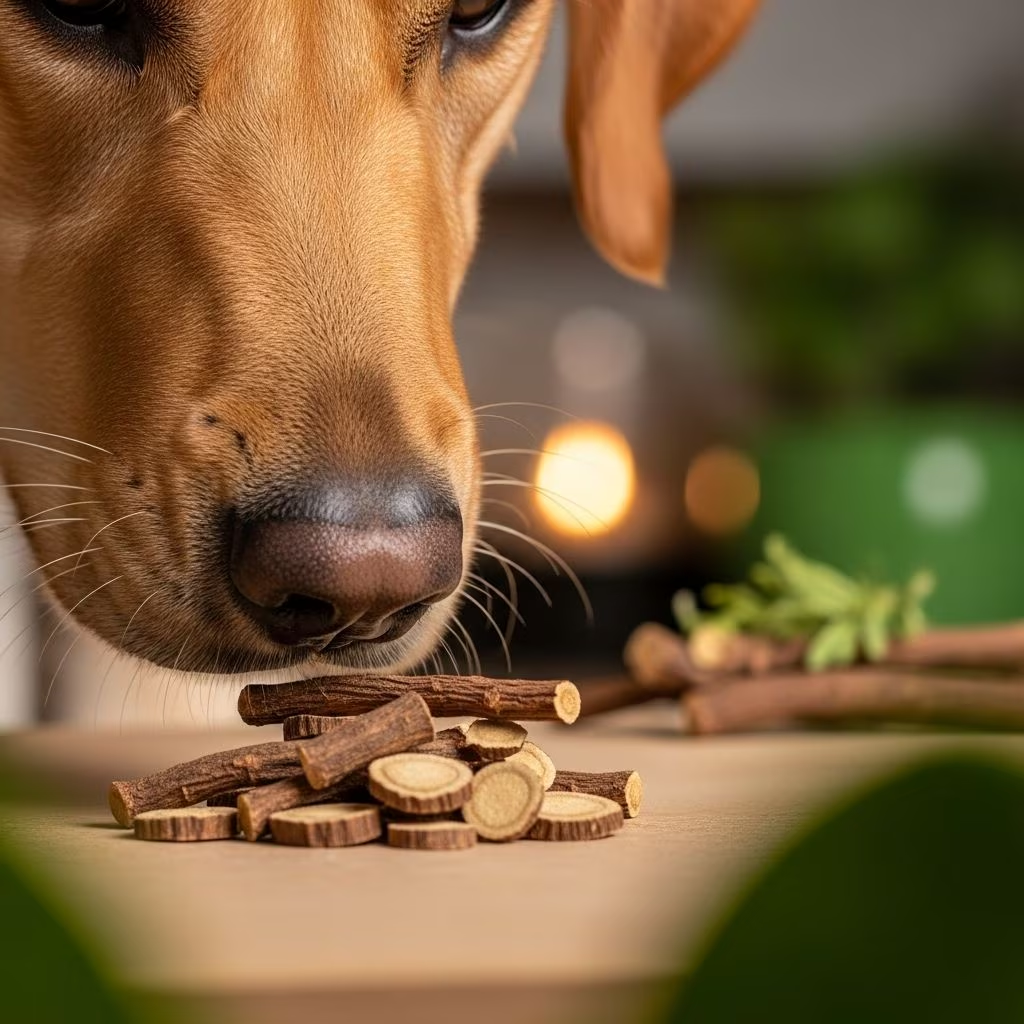
Licorice root, derived from the Glycyrrhiza glabra plant, serves as a potent natural remedy for various canine health concerns. Its primary active compound, glycyrrhizin, mimics the effects of corticosteroids, providing anti-inflammatory, antimicrobial, and immune-modulating benefits without the harsh side effects of synthetic drugs.
Understanding the Power of Glycyrrhizin in Canine Care
Glycyrrhizin, the key glycoside in licorice root, closely resembles the body’s natural cortisone produced by the adrenal glands. This similarity allows it to stimulate adrenal function while delivering its own anti-inflammatory and pain-relieving properties. Unlike pharmaceutical steroids, it supports the immune system rather than suppressing it, making it ideal for long-term use in dogs with chronic conditions.
Flavonoids, saponins, and glycosides in the root further enhance its antioxidant and soothing effects, protecting tissues and promoting healing across multiple body systems.
Boosting Digestive Health with Licorice Root
One of the most celebrated applications of licorice root is in managing gastrointestinal problems. It coats the stomach lining, reduces acid production, and combats inflammation in the gut mucosa. Dogs suffering from acid reflux, indigestion, or upset stomachs often experience quick relief.
For leaky gut syndrome, where intestinal barriers become permeable, allowing toxins into the bloodstream, licorice root repairs the mucosal layer and reduces associated inflammation. This can prevent secondary issues like allergies, arthritis, and autoimmune disorders.
Research highlights its synergy with NSAIDs; a 2015 study showed licorice extract significantly lessened colon inflammation when paired with these drugs, offering a safer alternative for pain management.
Recommended Forms for GI Support:
- Deglycyrrhizinated licorice (DGL): Safer for prolonged gut use, dosed at 12-20 drops of tincture per 20 lbs body weight, twice daily.
- Liquid extracts or teas: Absorbed quickly in short canine digestive tracts.
Respiratory Relief and Cough Management
Licorice root’s expectorant qualities loosen mucus in the lungs, aiding dogs with bronchitis, upper respiratory infections, or chronic coughs. Its anti-inflammatory action soothes irritated airways, while antimicrobial properties fight underlying infections.
Anecdotal evidence from holistic practitioners supports licorice tea for respiratory symptoms, with many owners reporting reduced coughing and easier breathing in their pets.
Skin Healing: Topical and Internal Applications
Applied topically, licorice root infusions or salves alleviate itching, hot spots, bruises, and dermatitis. It reduces inflammation in conditions like eczema, atopic dermatitis, flea allergies, and contact irritations.
Studies on topical licorice extract in dogs with atopic dermatitis confirmed reduced inflammation, though itch relief was moderate. Internally, it addresses root causes of skin issues tied to allergies or stress.
DIY Topical Infusion Recipe:
- Fill a glass jar with chopped dried licorice root.
- Cover generously with olive oil.
- Seal and store in a warm, dark place for 30 days.
- Strain and refrigerate; apply to affected skin as needed.
Liver Protection and Detoxification
Licorice root shines in liver health, with animal studies from China and Japan demonstrating its efficacy against chronic hepatitis and chemical-induced damage. It matches milk thistle’s protective qualities, detoxifying the liver and preventing fibrosis.
Its antioxidants neutralize free radicals, supporting regeneration in toxin-exposed dogs, such as those on long-term medications.
Strengthening the Immune System
By potentiating the reticuloendothelial system—specialized cells that target pathogens and debris—licorice root bolsters first-line defenses. A study on Glycyrrhiza uralensis showed enhanced microbial elimination, ideal for infection-prone dogs.
As an adaptogen, it balances cortisol levels, reducing stress-related immune suppression and aiding conditions like Addison’s disease.
Safe Dosage Guidelines for Dogs
Always consult a veterinarian before starting licorice root, especially for dogs on medications. General dosing varies by form and weight:
| Form | Dosage per 20 lbs Body Weight | Frequency |
|---|---|---|
| DGL Tincture (GI focus) | 12-20 drops | Twice daily |
| Regular Tincture | 0.2-0.4 ml | 1-3 times daily |
| Tea (cooled) | 1-2 tsp | Once daily |
| Topical | As needed | 2-3 times daily |
Start low and monitor for effects. Liquid tinctures are preferred for optimal absorption in dogs.
Potential Risks and Contraindications
While generally safe, excessive glycyrrhizin can cause elevated blood pressure, fluid retention, or hypokalemia. Use DGL for extended periods to avoid this.
Avoid in dogs with:
- Hypertension or heart disease
- Kidney issues
- Pregnancy
- Concurrent steroid use without vet supervision
Human licorice candy is toxic due to sugar and additives; stick to pure root products.
Integrating Licorice Root into Holistic Vet Care
Holistic vets often recommend licorice root to wean dogs off steroids, combining it with hydrocortisone for smoother transitions. It pairs well with other herbs like milk thistle for liver support or slippery elm for added GI soothing.
Quality matters: Choose organic, human-grade roots or extracts from reputable sources to ensure potency and purity.
Frequently Asked Questions (FAQs)
Is licorice root safe for puppies?
Use cautiously in low doses under vet guidance; avoid in very young pups due to developing systems.
Can licorice root help with arthritis pain?
Yes, its anti-inflammatory effects protect cartilage and reduce joint swelling, similar to NSAIDs but gentler.
How long can I give licorice root to my dog?
Short-term (1-2 weeks) for acute issues; cycle DGL for chronic use, with vet monitoring.
Does licorice root interact with medications?
Possible with steroids, diuretics, or blood pressure drugs; always disclose to your vet.
Where to buy licorice root for dogs?
Pet health stores, holistic vets, or online herbal suppliers offering tinctures and powders.
Real-World Success Stories
Pet owners report remarkable improvements: One dog’s chronic hot spots cleared with topical infusions, while another’s leaky gut symptoms vanished after DGL therapy. These align with research showing reduced inflammation and faster healing.
References
- Licorice Root for Dogs: Benefits and Uses — Great Pet Care. 2023. https://www.greatpetcare.com/wellness/licorice-root-for-dogs-benefits-and-uses/
- Health Benefits Of Licorice For Dogs — Dogs Naturally Magazine. 2023. https://www.dogsnaturallymagazine.com/licorice-and-dogs/
- Licorice Root for Dogs — Adored Beast Apothecary. 2023. https://blog.adoredbeast.com/licorice-root-for-dogs/
- Licorice Root for Dogs: Soothing and Healing — Whole Dog Journal. 2023. https://www.whole-dog-journal.com/care/licorice-root-soothes-and-heals-dogs/
- Licorice Root: A Multi-Beneficial and Safe Herb for Dogs — WagWalking. 2023. https://wagwalking.com/wellness/licorice-root-a-multi-beneficial-and-safe-herb-for-dogs
- Effects of Glycyrrhiza Glabra (Licorice) Root Extract — PMC (PubMed Central). 2022-12-22. https://pmc.ncbi.nlm.nih.gov/articles/PMC9757940/



