

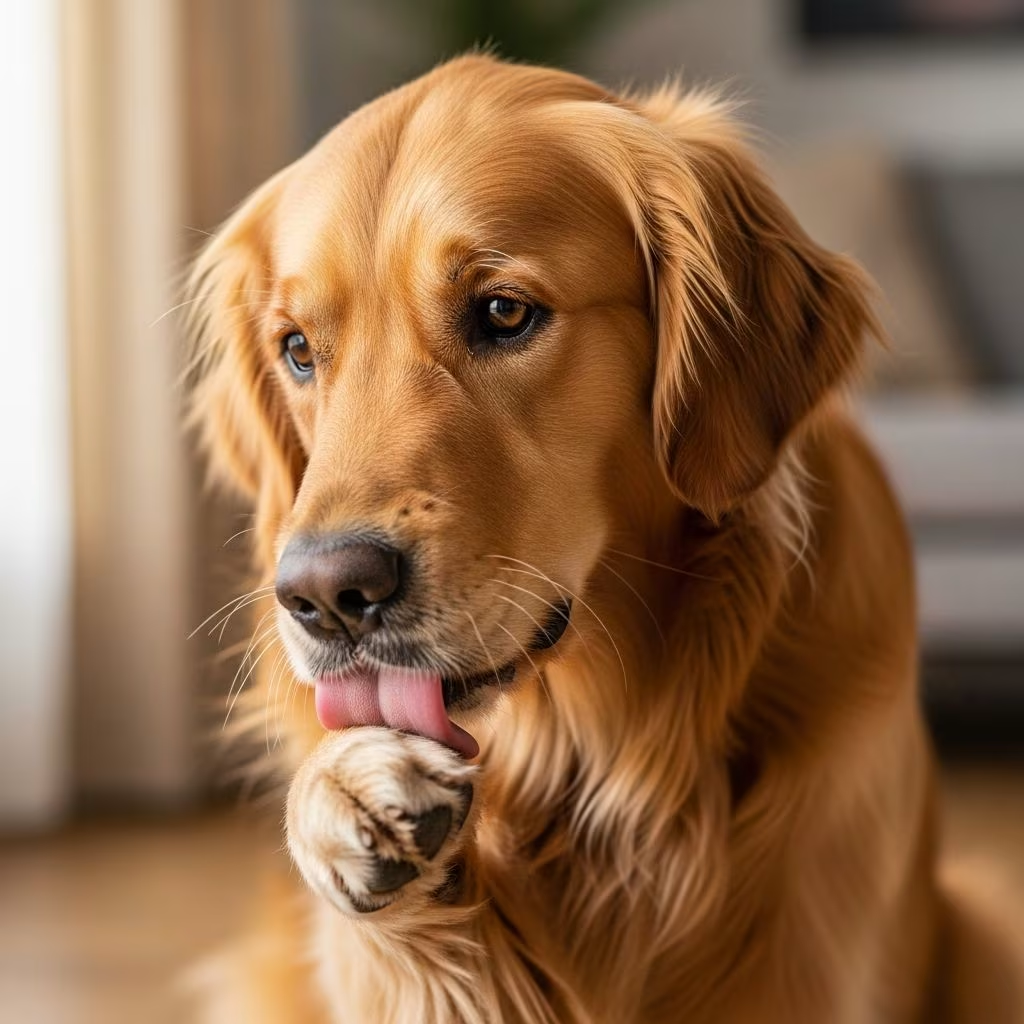
Excessive licking in dogs can stem from various causes, but it may signal underlying hormonal imbalances like Cushing’s disease, a condition involving overproduction of cortisol. This article delves into how licking fits into the broader symptom profile, helping owners recognize when to seek veterinary care.
Understanding Cushing’s Disease in Canines
Cushing’s disease, medically termed hyperadrenocorticism, occurs when a dog’s body produces too much cortisol, a stress hormone vital for metabolism and immune function. This excess disrupts normal bodily processes, leading to a range of health issues. Most cases (about 85%) arise from a benign tumor in the pituitary gland, prompting the adrenal glands to overproduce cortisol. The remaining cases involve adrenal tumors directly.
While not curable in most instances, early detection allows for effective management, improving quality of life. Owners often notice subtle changes before severe symptoms emerge, such as altered behaviors including licking.
Common Behavioral and Physical Manifestations
Dogs with Cushing’s exhibit multifaceted symptoms affecting appetite, skin, and energy levels. Key signs include:
- Increased thirst (polydipsia) and urination (polyuria), often the earliest indicators.
- Ravenous hunger leading to begging or scavenging.
- A distended abdomen, creating a pot-bellied appearance due to weakened abdominal muscles and fat redistribution.
- Hair loss (alopecia), particularly on flanks and sides, with thin, fragile skin prone to infections.
- Lethargy, muscle wasting, and excessive panting even at rest.
These manifestations vary by individual; smaller breeds like Poodles, Dachshunds, and Terriers are predisposed, typically in middle-aged or senior dogs.
Does Licking Indicate This Condition?
Though not the hallmark symptom, excessive licking—especially of paws, flanks, or genitals—can accompany Cushing’s due to heightened thirst, skin irritations, or discomfort from urinary issues. Dogs may lick to soothe dry, itchy skin or in response to frequent urination accidents. However, licking alone isn’t diagnostic; it’s often paired with polydipsia, where dogs lap water obsessively and then lick surfaces or themselves.
Differentiate from other causes like allergies or anxiety, where licking is primary. In Cushing’s, it’s secondary to systemic effects. Veterinary evaluation is crucial to rule out overlaps.
Diagnostic Approaches for Confirmation
Diagnosis begins with a thorough history and physical exam, noting symptom clusters. Blood tests reveal elevated alkaline phosphatase, high cholesterol, and diluted urine specific gravity. Confirmatory tests include:
| Test | Purpose | Details |
|---|---|---|
| Low-Dose Dexamethasone Suppression Test | Assesses cortisol suppression | Measures cortisol levels post-cortisol injection; failure to suppress indicates Cushing’s. |
| ACTH Stimulation Test | Evaluates adrenal response | Injects synthetic ACTH; exaggerated cortisol rise confirms hyperadrenocorticism. |
| Abdominal Ultrasound | Identifies tumors | Visualizes pituitary or adrenal abnormalities. |
These distinguish pituitary-dependent (PDH) from adrenal-dependent (ADH) forms, guiding treatment.
Management Strategies and Therapies
Treatment focuses on cortisol reduction and symptom control. Primary options:
- Trilostane (Vetoryl): FDA-approved; inhibits cortisol synthesis in adrenals. Administered daily with food; most common for PDH.
- Mitotane (Lysodren): Destroys cortisol-producing adrenal cells; requires careful dosing and monitoring.
- Surgery: For ADH with resectable tumors; curative if benign and fully removed.
Radiation or hypophysectomy (pituitary removal) are advanced, less common due to risks. Iatrogenic cases (from steroid overuse) resolve by tapering medications.
Monitoring involves ACTH tests at 10 days, 4 weeks, 3 months, then quarterly. Adjust doses based on appetite, thirst, and bloodwork. Low-fat diets aid high cholesterol management.
Potential Complications and Monitoring Needs
Untreated Cushing’s heightens risks for diabetes, hypertension, urinary tract infections, and thromboembolism. Post-treatment vigilance for side effects like vomiting, anorexia, or weakness is essential—contact vets immediately.
Lifestyle adjustments include frequent potty breaks, skin care, and weight control. With compliance, dogs enjoy years of improved vitality.
Nutritional and Home Care Recommendations
Support therapy with:
- Hill’s Prescription Diet i/d Low Fat or Royal Canin Gastrointestinal Low Fat for cholesterol control.
- Regular grooming to prevent infections in sparse-coated areas.
- Controlled exercise to combat muscle loss without overexertion.
Track water intake (normal: 20-70ml/kg/day) and report excesses exceeding 100ml/kg.
Frequently Asked Questions (FAQs)
What breeds are most at risk for Cushing’s?
Poodles, Dachshunds, Boston Terriers, Boxers, and Beagles over 7 years old.
How quickly do symptoms improve on treatment?
Thirst and appetite often decrease in 1-2 weeks; full skin/hair recovery may take 3-6 months.
Can Cushing’s be fatal?
Not directly, but complications like clots or infections can be if unmanaged.
Is lifelong medication necessary?
Yes for PDH; surgery may cure ADH.
What if my dog licks excessively but has no other symptoms?
Consult a vet to exclude allergies, pain, or early Cushing’s.
Prevention and Early Detection Tips
No true prevention exists, but minimize steroid use and annual senior wellness exams aid early spotting. Watch for polydipsia as a sentinel sign.
Empower yourself with knowledge—prompt action transforms outcomes for Cushing’s-affected dogs.
References
- Cushing’s Disease in Dogs: Symptoms, Diagnosis, and Treatment — PetMD. 2023. https://www.petmd.com/dog/conditions/endocrine/cushings-disease-in-dogs-symptoms-diagnosis
- Cushing’s Disease in dogs: symptoms and treatment advice — Primrose Hill Vets. 2023. https://www.primrosehillvets.ie/pet-help-advice/dogs/127-cushings-disease-in-dogs-symptoms-and-treatment-advice
- Cushing’s Disease in Dogs: Causes, Symptoms, & Treatment — Premier Vet. 2023. https://www.premiervets.net/blog/cushings-disease-in-dogs-causes-symptoms-and-treatment
- Cushing’s Disease in Dogs: Signs and Treatment — MedVet. 2023. https://www.medvet.com/cushings-disease-in-dogs/
- Treatment for Cushing’s Syndrome in dogs — Canine-Cushings UK. 2023. https://www.canine-cushings.co.uk/treatment
- Treatment for Cushing’s Disease in Dogs — Cinder Rock Vet Clinic. 2024-02-29. https://www.cinderrockvetclinic.com/site/blog/2024/02/29/treatment-cushings-disease-dogs
- Treating Cushing’s Disease in Dogs — FDA. 2023. https://www.fda.gov/consumers/consumer-updates/treating-cushings-disease-dogs



