

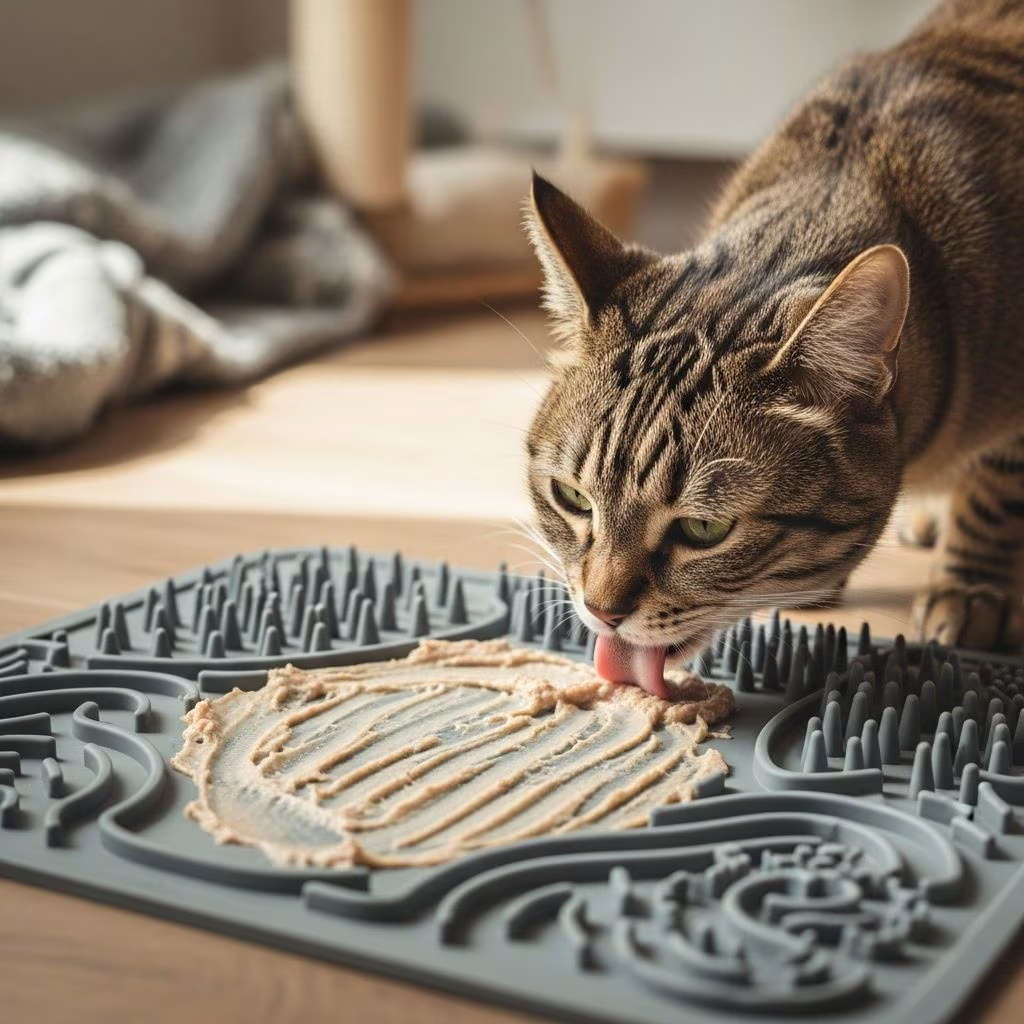
What’s a Lick Mat & Does It Help Cats?
A lick mat is a flat silicone or rubber mat with ridges and bobbles designed to slow your cat’s eating and provide mental stimulation during mealtimes. As pets work to free their food from the textured surface, they engage in natural licking behavior that can have calming and enriching effects. These mats have become increasingly popular among cat owners looking to improve their pets’ dining experience and overall well-being.
Lick mats are incredibly easy to use. Simply place high-moisture food on the mat, smear it across the ridges and grooves, and let your cat engage with it. You can use wet food, kibble, or treats—whatever works best for your feline companion. The versatility of lick mats makes them a practical addition to any cat household.
Understanding How Lick Mats Work
The design of lick mats is straightforward yet effective. The textured surface with ridges, bobbles, and grooves is specifically engineered to trap food and make it difficult for cats to eat quickly. This forces felines to spend more time engaging with their meals, turning a simple feeding routine into an enriching activity that stimulates their natural instincts.
Unlike traditional slow feeders, lick mats promote licking behavior rather than food-seeking or foraging behaviors. This distinction is important because licking itself has documented calming effects on cats. The act of licking releases endorphins, the body’s natural feel-good chemicals, which can help soothe stressed and anxious pets.
The Pros of Lick Mats for Cats
Slowing Down Fast Eaters
One of the primary benefits of lick mats is their ability to slow down cats who eat too quickly. Because cats don’t chew their food, some develop the unfortunate habit of gobbling their meals at unhealthy speeds. This rapid consumption can result in serious gastrointestinal problems such as vomiting and regurgitation. Lick mats encourage cats to spend more time eating meals by requiring them to “work” for their food instead of simply scarfing down what’s in their bowl.
Mental Stimulation and Enrichment
Lick mats provide valuable mental enrichment for cats. They engage your pet’s brain by offering problem-solving opportunities that are mentally stimulating. As your cat figures out how to lick every last bit of food from the mat’s grooves, they’re sharpening their focus and working through a calm, rewarding challenge. This is especially beneficial for bored pets or those needing calming activities to maintain behavioral balance.
The sensory enrichment provided by lick mats is substantial. They engage your cat’s sense of taste, smell, and touch. The unique textures and grooves encourage felines to explore with their tongue and paws, satisfying their need to lick, smell, and interact with their environment. Many cats benefit from the strong scents of tuna or broth on their lick mats, which can spark curiosity and help ease stress through focused licking.
Calming Effects and Anxiety Reduction
Lick mats may help calm stressed and anxious pets by encouraging them to lick, which can have soothing effects on cats. The enrichment activities help release endorphins in your pet’s brain, which promotes calmness and reduces stress. For pets with anxiety or excess energy, this kind of sensory engagement can be incredibly calming.
Lick mats can be used to build positive associations and provide distraction during anxiety-inducing situations. For example, the mat can be used during vet visits, bath time, and even nail trimming sessions. It can also help during unavoidable summertime fireworks and thunderstorms. For anxious cats that experience stress from unfamiliar situations, lick mats can provide a distraction and positively reinforce calm behavior.
Cost-Effectiveness and Ease of Use
Lick mats are incredibly inexpensive and simple to incorporate into your cat’s routine. There’s minimal learning curve for either you or your feline friend, making them an accessible enrichment tool for all cat owners. They can be easily incorporated into basic training sessions for cats, used as rewards for completing commands or practicing calm behaviors.
The Cons of Lick Mats for Cats
Questionable Oral Health Claims
One significant concern with lick mats is that manufacturers often make unsupported claims about oral health benefits. The claim that lick mats stimulate saliva production to clean the tongue, teeth, and gums lacks any basis in scientific fact. While licking does produce saliva, there is no evidence that this actually prevents plaque buildup or improves dental health in cats.
In fact, the treats used on lick mats—often high in sugar and fat—should logically make periodontal disease more likely rather than prevent it. Cat owners should not rely on lick mats as a tool for maintaining their cat’s dental health.
Confusion About Anxiety Reduction
While lick mats keep cats busy and engaged, it’s important to distinguish between actual anxiety reduction and simple distraction. A cat who is licking a mat may appear to exhibit fewer anxious behaviors because she is busy doing something else, but keeping a cat busy is not the same thing as actually reducing anxiety. Lick mats serve as a coping mechanism or distraction rather than a cure for underlying anxiety issues.
Supervision Requirements
Safety is an important consideration when using lick mats. Do not leave your pet alone with the lick mat unless you are 100% confident they will not chew on the mat itself. Some cats may attempt to chew or consume pieces of the mat, which could lead to intestinal blockages or other health complications.
Key Benefits at a Glance
| Benefit | Description | Best For |
|---|---|---|
| Slow Feeding | Slows rapid eating and reduces digestive issues like vomiting | Fast eaters with gastrointestinal problems |
| Mental Stimulation | Engages problem-solving skills and cognitive abilities | Bored cats needing enrichment |
| Sensory Engagement | Activates taste, smell, and touch senses | All cats seeking enriched experiences |
| Anxiety Management | Provides calming distraction during stressful situations | Anxious cats during vet visits or grooming |
| Training Tool | Can be used as rewards during training sessions | Cats being trained for behavioral modification |
What Foods Can You Use With Lick Mats?
One of the great advantages of lick mats is their versatility with different food types. You can use wet food, kibble, or treats on your cat’s lick mat. High-moisture foods work particularly well because they stick to the textured surface and create a more engaging experience for your cat.
Popular options include:
- Wet cat food or pate
- Tuna or chicken puree
- Bone broth (cat-safe, no onions or garlic)
- Plain yogurt (unsweetened)
- Kibble mixed with wet food
- Freeze-dried treats mixed with a binding agent
The key is choosing foods that will stick to the mat’s surface and keep your cat engaged. Spreading the food across the ridges and grooves ensures your cat has to work to access every bit, maximizing the enrichment value.
Making the Most of Your Lick Mat
To get the best results from your cat’s lick mat, consider these practical tips:
- Start with foods your cat already enjoys to encourage initial interest
- Spread food evenly across the mat to ensure consistent engagement
- Use the mat during times when you need your cat calm or focused
- Supervise your cat during lick mat sessions
- Clean the mat thoroughly after each use
- Store the mat in a safe, accessible location
- Rotate between different foods to maintain interest
When determining your cat’s overall daily caloric intake, make sure to include all the food and treats your cat liberates from their lick mat to prevent overfeeding. This is particularly important since lick mats can make eating more enjoyable, potentially increasing your cat’s interest in food.
Lick Mats vs. Traditional Food Bowls
Traditional food bowls allow cats to eat quickly and efficiently, which works against digestive health. Lick mats make mealtimes a bit more challenging and can provide mental stimulation that bowls cannot. By transforming feeding time from a passive activity into an engaging challenge, lick mats help satisfy your cat’s natural instincts to search, lick, and play.
The difference is significant: bowls simply present food for consumption, while lick mats require active engagement and problem-solving. This transformation can have substantial impacts on your cat’s physical and mental well-being.
Frequently Asked Questions (FAQs)
Q: Are lick mats safe for all cats?
A: Lick mats are generally safe for most cats when used under supervision. However, do not leave your cat alone with the mat if they’re likely to chew on it, as this could lead to intestinal blockages. Always supervise your cat during lick mat sessions.
Q: How often should I use a lick mat with my cat?
A: You can use lick mats daily as part of your cat’s regular feeding routine or enrichment activities. However, ensure that you account for the food used on the mat when calculating your cat’s daily caloric intake to prevent overfeeding.
Q: Can lick mats help with my cat’s separation anxiety?
A: Lick mats can serve as a distraction during anxiety-inducing situations, but they address the symptom rather than the underlying anxiety. While they may keep your cat busy and appear calmer, they don’t actually treat anxiety disorders. Consult your veterinarian for comprehensive anxiety management strategies.
Q: Do lick mats improve cat dental health?
A: Despite manufacturer claims, lick mats do not improve dental health. There is no scientific evidence that the saliva produced during licking prevents plaque buildup or promotes oral health. For dental care, stick to veterinary-recommended methods and regular professional cleanings.
Q: What’s the best material for a lick mat?
A: Food-grade silicone is the preferred material for lick mats. It’s durable, BPA-free, naturally antimicrobial, and can endure extreme temperatures without losing integrity. Silicone mats are also typically dishwasher safe and easy to clean.
Q: How do I clean a lick mat?
A: Most silicone lick mats are dishwasher safe. It’s recommended to use a bristled brush to scrub out the texture grooves before placing the mat in the dishwasher. Wash the mat after every use to maintain hygiene and prevent bacterial growth.
Q: Can I freeze food on a lick mat?
A: Yes, freezing food on a lick mat can extend the duration of engagement and provide a cooling treat on hot days. The frozen format makes the lick time last longer, giving your cat a more extended enrichment experience.
Conclusion
Lick mats are useful tools for cat owners seeking to improve their pets’ mealtime experiences and provide mental enrichment. Their primary benefits—slowing down fast eaters and offering sensory stimulation—are well-documented and valuable for feline health. The mats are easy to use, inexpensive, and versatile, making them practical additions to most cat households.
However, it’s important to have realistic expectations about what lick mats can and cannot do. They serve as excellent enrichment and feeding aids, but they are not a solution for underlying anxiety disorders or dental health problems. When used appropriately with proper supervision and realistic expectations, lick mats can be a worthwhile addition to your cat’s daily routine.
References
- Benefits of Lick Mats for Both Dogs and Cats — Awoo Pets. 2024. https://awoopets.com/blogs/news/benefits-of-lick-mats-for-both-dogs-and-cats
- What’s a Lick Mat & Does It Help Cats? Pros, Cons & FAQ — Catster. 2024. https://www.catster.com/cat-health-care/lick-mats-for-cats/
- Are Lick Mats Actually Good For Dogs & Cats? — Walkerville Vet. 2024. https://www.walkervillevet.com.au/blog/lick-mat-pros-cons/
- Are lick mats good for cats? — Cat in the Box LLC. 2024. https://thecatisinthebox.com/blogs/kitty-contemplations/are-lick-mats-good-for-cats
- An Expert Guide to Using a Lick Mat — PetFriendly Box. 2024. https://petfriendlybox.com/resource-center/expert-guide-to-using-a-lick-mat



