

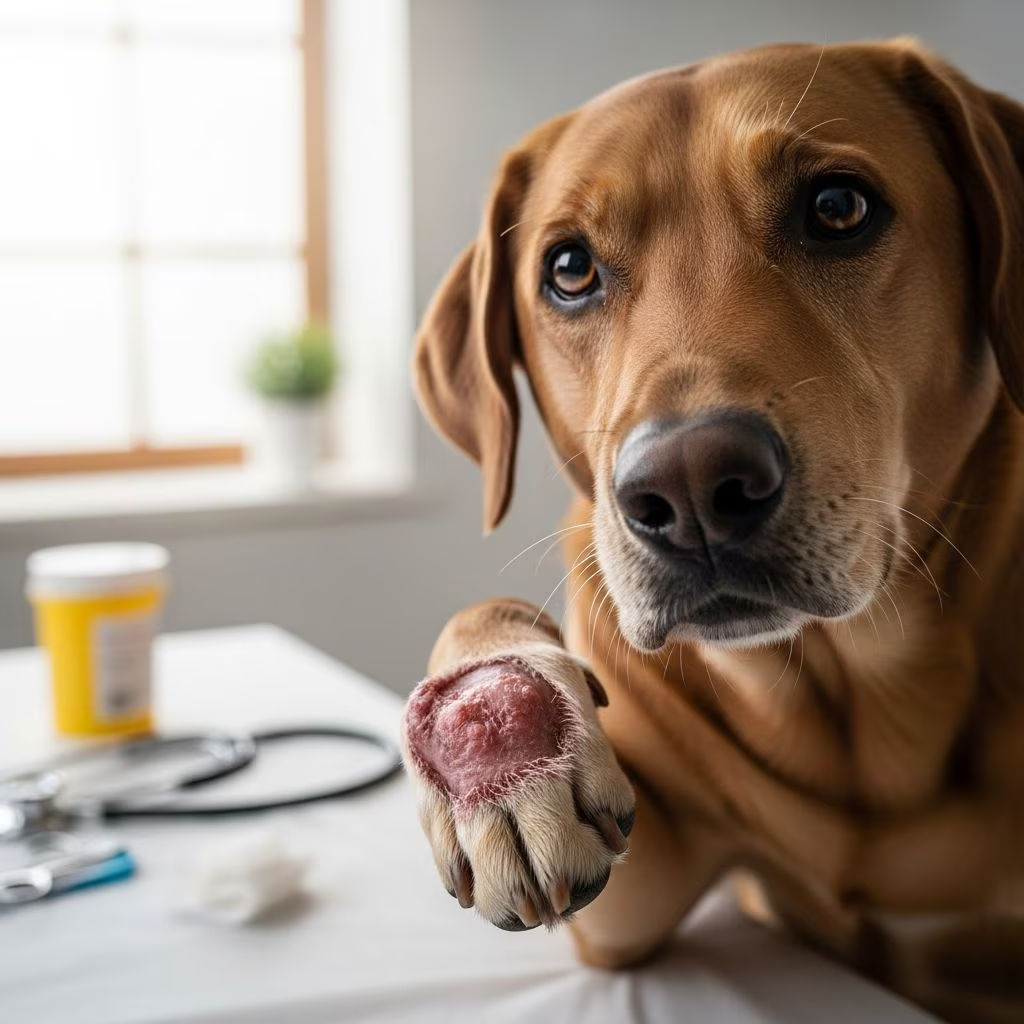
Lick granulomas, also known as acral lick dermatitis, are frustrating skin conditions in dogs caused by excessive licking, leading to self-inflicted sores primarily on the legs. These lesions create a vicious itch-lick cycle that can be challenging to break, often requiring a multifaceted approach to treatment.
What Is a Lick Granuloma?
A **lick granuloma** is an open sore or thickened, raised area of skin resulting from a dog’s compulsive licking, typically located on the lower limbs near joints like the wrist (carpal pad) or ankle (hock). The constant trauma causes hair loss, ulceration, inflammation, and secondary bacterial infections, perpetuating the cycle as licking releases endorphins that provide temporary relief. Over time, the skin becomes firm, pigmented, and scarred, making healing difficult without intervention.
This condition is not life-threatening but can significantly impact a dog’s quality of life and frustrate owners due to its chronic nature and high recurrence rate. Early detection is key, as fresh lesions respond better to treatment than longstanding ones.
Symptoms of Lick Granulomas in Dogs
Recognizing symptoms early allows for prompt veterinary care. Common signs include:
- A **raised, red, hairless patch** on the leg, often near joints, that appears eroded or ulcerated.
- Thickened, firm skin with possible pigmentation changes or scarring from chronic licking.
- Secondary signs like odor, discharge, or pus from bacterial infection.
- Excessive licking, biting, or chewing focused on one spot, sometimes worsening at night.
- Lameness or reluctance to bear weight if underlying joint pain is involved.
Dogs may seem otherwise normal, but the obsessive behavior can indicate deeper issues like pain or anxiety.
Causes of Lick Granulomas
Lick granulomas rarely stem from a single cause; instead, they result from an interplay of medical, behavioral, and environmental factors that trigger initial itching or discomfort, leading to compulsive licking.
Medical Causes
- Allergies: Environmental (pollens, grasses) or food allergies (e.g., proteins in chicken or beef) cause intense itching.
- Infections: Bacterial, fungal (e.g., ringworm, blastomycosis), or parasitic (fleas, mites) invasions irritate the skin.
- Pain from Joint Issues: Arthritis, osteoarthritis, or bone cancer prompts licking for relief.
- Neuropathies: Nerve inflammation under the skin causes discomfort.
- Foreign Bodies or Trauma: Grass seeds, thorns, wounds, or injuries embedded in skin.
- Neoplasia: Skin cancers leading to chronic lesions.
Behavioral and Psychological Causes
- Boredom and Stress: Confined or understimulated dogs lick obsessively for endorphin release.
- Obsessive-Compulsive Disorder (OCD): Similar to human habits, licking becomes self-reinforcing.
Certain breeds like Great Danes, Doberman Pinschers, Labrador Retrievers, Golden Retrievers, German Shepherds, and Irish Setters are predisposed, along with males over five years old.
Diagnosis of Lick Granulomas
Veterinarians diagnose lick granulomas through a combination of history, physical exams, and targeted tests to uncover underlying causes.
- Physical Exam: Assesses lesion appearance, location, and orthopedic issues.
- Skin Scrapings and Cytology: Checks for parasites, bacteria, or yeast.
- Culture and Biopsy: Identifies deep infections or rules out cancer.
- Radiographs (X-rays): Detects joint problems or foreign bodies.
- Allergy Testing: Intradermal or blood tests for environmental/food allergens.
- Behavioral Assessment: Evaluates for anxiety or OCD.
Distinguishing primary from secondary causes is crucial, as treating symptoms alone leads to recurrence.
Treatment Options for Lick Granulomas
Treatment is multifaceted, aiming to stop licking, resolve infections/inflammation, and address root causes. Success often requires 4-8 weeks or longer of combined therapies.
Preventing Licking
- E-collars, bandages, muzzles, or lick deterrents (e.g., bitter sprays) to block access.
- Monitor for 15+ minutes post-topical application.
Medications
| Medication Type | Examples | Purpose |
|---|---|---|
| Antibiotics | Cephalexin, long-term (6-8 weeks or 4-6 months for scarred lesions) | Treats secondary bacterial infections, nearly universal in granulomas. |
| Anti-inflammatories | NSAIDs (carprofen/Rimadyl), steroids (prednisone) | Reduces itch and swelling. |
| Anti-itch/Anti-anxiety | Amitriptyline + hydrocodone, fluoxetine, clomipramine | Breaks compulsive cycle, relieves pain. |
| Pain Relief | Tramadol, NSAIDs | Manages underlying discomfort. |
Advanced and Alternative Therapies
- Laser Therapy: Cold laser speeds healing; CO2 laser debulks chronic lesions.
- Acupuncture: Reduces itch around the site.
- Surgery: Removes small lesions, but recurrence risk if cause untreated.
Addressing Underlying Causes
- Allergy management: Hypoallergenic diets, medicated baths.
- Joint supplements/pain meds for arthritis.
- Parasite control.
Owners should administer meds consistently, report changes, and use calming supplements like Zylkene if anxiety-related.
Preventing Lick Granulomas in Dogs
Prevention focuses on itch-lick cycle interruption and risk reduction:
- Enrichment: Daily exercise, toys, training to combat boredom.
- Skin Care: Regular baths for allergy-prone dogs.
- Early Intervention: E-collar at first sign of licking; vet visit promptly.
- Health Monitoring: Manage allergies, joints, parasites proactively.
- Behavioral Mods: More owner time, companions, or behaviorist consults.
For at-risk breeds, vigilance is essential.
Frequently Asked Questions (FAQs)
Can lick granulomas heal on their own?
No, the self-trauma prevents natural healing; veterinary intervention is required to break the cycle.
How long does treatment take?
Typically 6-8 weeks for antibiotics, longer (4-6 months) for chronic cases; full resolution varies.
Will my dog get another lick granuloma?
Recurrence is common if underlying causes persist; ongoing management reduces risk.
Is laser therapy effective?
Yes, cold laser aids healing, and CO2 laser helps chronic cases by removing scar tissue.
Can diet help?
Yes, switching to hypoallergenic food resolves food allergy-related cases.
References
- Lick Granuloma — The Drake Center For Veterinary Care. 2023. https://www.thedrakecenter.com/resources/materials/dogs/lick-granuloma
- Lick Granuloma in Dogs: Causes, Signs, Solutions — ToeGrips. 2023. https://toegrips.com/lick-granuloma-dog/
- Acral Lick Granuloma — Dermatology Center for Animals. 2023. https://www.dcfawa.com/acral-lick-granuloma
- Acral lick granuloma: stopping the itch-lick cycle — dvm360. 2023. https://www.dvm360.com/view/acral-lick-granuloma-stopping-itch-lick-cycle
- Lick Granuloma in Dogs: Signs, Causes & How to Help — PetLab Co. 2023. https://thepetlabco.com/learn/dog/health-wellness/lick-granuloma-in-dogs
- Lick Granuloma in Dogs: Causes, Symptoms & Treatment — Long Beach Animal Hospital. 2023. https://lbah.com/canine/lick-granuloma/
- Lick Granuloma in Dogs — VCA Animal Hospitals. 2023. https://vcahospitals.com/know-your-pet/lick-granuloma-in-dogs



