

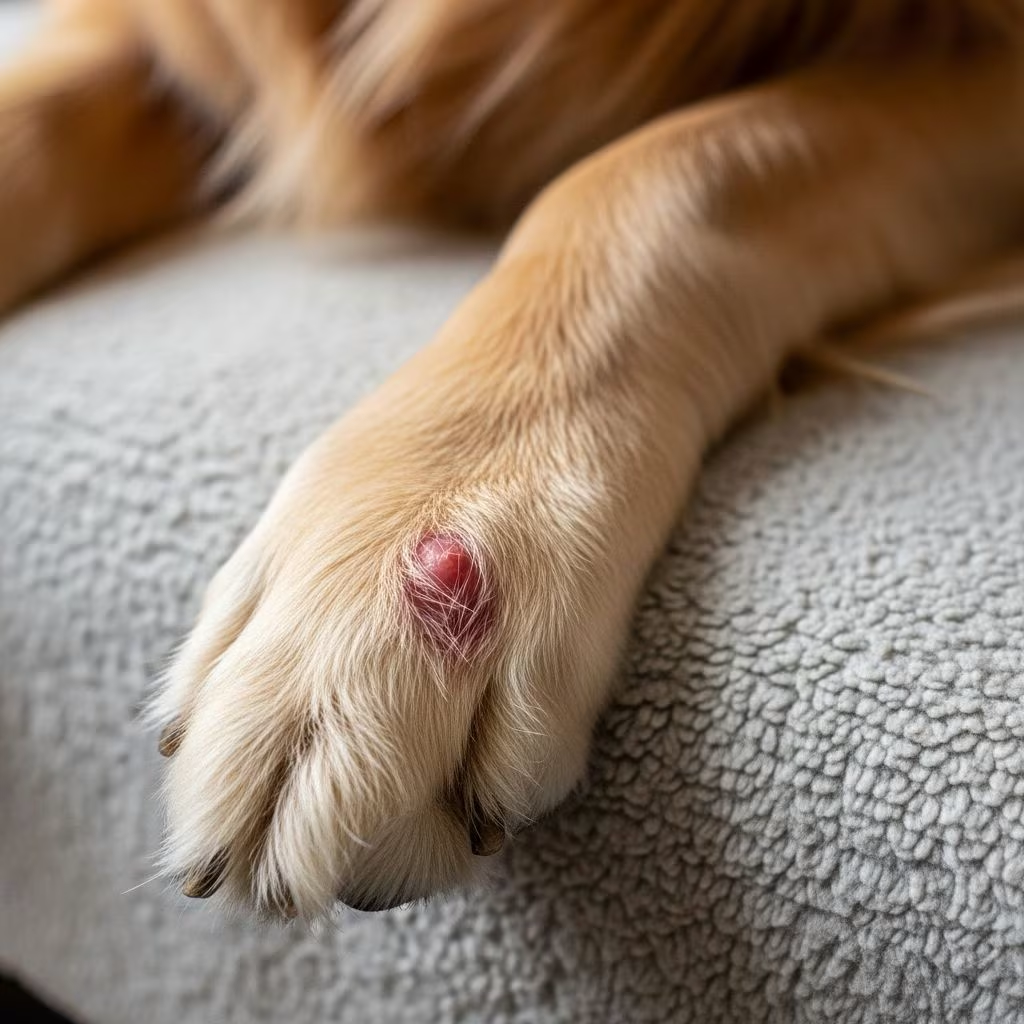
Lick granulomas, clinically known as acral lick dermatitis, represent a prevalent skin issue in dogs where persistent licking creates firm, raised lesions on the limbs. These self-inflicted wounds stem from an itch-lick cycle driven by underlying physical or psychological triggers, affecting primarily medium to large breeds.
Recognizing the Signs of Lick Granulomas
Owners often first notice repetitive licking focused on a single spot, typically on the front legs or feet. This behavior escalates, resulting in distinctive skin changes that signal the condition’s progression.
- Hair loss: The affected area becomes bald due to constant friction from the tongue.
- Redness and thickening: Skin turns inflamed, firm, and raised, forming a plaque-like structure.
- Ulceration or erosion: Lesions may ooze serum or saliva, preventing healing and inviting secondary infections.
- Behavioral cues: Dogs may chew or bite at the site, worsening damage, especially at night when unobserved.
These lesions are usually solitary but can appear on multiple limbs. Early detection is crucial, as untreated cases deepen the cycle, making resolution harder.
Common Locations and Affected Breeds
The term ‘acral’ refers to the extremities, explaining why lesions favor distal limbs. The carpal pad on the front leg (wrist equivalent) is the prime spot, followed by the hock (ankle) on hind legs or metatarsal areas.
| Location | Frequency | Typical Appearance |
|---|---|---|
| Carpal joint (front leg) | Most common | Firm, oval, red plaque |
| Hock joint (hind leg) | Second most | Ulcerated, thickened skin |
| Metacarpal/paw | Less frequent | Hairless, eroded patch |
Certain breeds show higher susceptibility, likely due to genetics, size, and activity levels. Medium to large dogs over five years old, especially males, are at greater risk.
- German Shepherd
- Doberman Pinscher
- Great Dane
- Labrador Retriever
- Golden Retriever
- Irish Setter
- Weimaraner
Root Causes Behind the Licking Obsession
Lick granulomas rarely arise in isolation; they reflect deeper issues perpetuating the lick-itch feedback loop. Identifying the trigger is essential for effective management.
Physical Contributors
Many cases link to tangible health problems irritating the skin or causing pain.
- Allergies: Atopic dermatitis, food sensitivities, or flea allergies provoke intense itching, prompting licking for relief. These account for a significant portion of cases.
- Infections: Bacterial overgrowth or fungal issues (e.g., demodicosis) exacerbate irritation once licking begins.
- Pain sources: Arthritis, fractures, nerve damage, or orthopedic issues in joints lead to compensatory licking.
- Trauma: Injuries, surgeries, or foreign bodies initiate the habit, which persists.
Psychological and Behavioral Factors
Up to 70% of dogs exhibit anxiety-related behaviors, turning licking into a compulsive ritual.
- Stress and boredom: Confinement, lack of exercise, or routine changes spark stereotypic actions.
- Anxiety disorders: Separation anxiety or fear manifests as obsessive licking, akin to OCD in humans.
- Attention-seeking: Dogs learn licking elicits owner interaction, reinforcing the behavior.
In psychogenic cases, no physical cause appears, but a combination often exists, complicating diagnosis.
Diagnostic Process for Accurate Identification
Veterinarians employ a systematic approach to uncover underlying issues, avoiding superficial treatments that fail long-term.
- History and observation: Note onset, lick frequency, environmental changes, diet, and breed predisposition.
- Physical exam: Assess lesion characteristics, skin turgor, and full-body check for allergies or parasites.
- Skin cytology/culture: Swabs detect bacterial or yeast infections common in chronic lesions.
- Biopsy: Confirms diagnosis and rules out neoplasia or deep infections.
- Imaging: X-rays evaluate bones/joints for arthritis or foreign objects.
- Allergy testing: Intradermal or blood tests for environmental/food triggers.
- Neurologic/ortho eval: Checks for pain or neuropathy.
This multi-faceted strategy ensures tailored interventions.
Comprehensive Treatment Strategies
Breaking the cycle demands addressing both lesion and cause. Multimodal plans yield best outcomes.
Immediate Lesion Management
- Topical therapies: Steroid sprays/creams reduce inflammation; antibiotics target infections.
- Protective devices: E-collars, bandages, or boots prevent access.
- Laser therapy: Cold laser promotes healing and curbs licking.
Treating Underlying Conditions
| Trigger | Treatment Approach |
|---|---|
| Allergies | Antihistamines, hypoallergenic diets, immunotherapy |
| Infections | Systemic antibiotics/antifungals |
| Pain/Arthritis | NSAIDs, joint supplements, physical therapy |
| Behavior | Antidepressants (e.g., fluoxetine), behavior modification |
Behavioral Interventions
Enrich environment with puzzles, exercise, and training. Pheromone diffusers or anxiolytics help anxious dogs.
Success rates improve with owner compliance; recurrence drops significantly with root cause resolution.
Prevention Tips for Long-Term Skin Health
Proactive measures minimize risk.
- Monitor for early licking and intervene promptly.
- Maintain flea prevention and balanced diets.
- Provide daily exercise and mental stimulation.
- Schedule regular vet check-ups for at-risk breeds.
- Use allergy management if predisposed.
Frequently Asked Questions (FAQs)
Can lick granulomas heal on their own?
Rarely, as licking persists without intervention. Professional treatment is advised.
Is surgery an option?
For refractory cases, surgical undermining or implants may disrupt the habit, but it’s a last resort.
How long does treatment take?
Weeks to months, depending on cause severity. Consistency is key.
Are puppies affected?
Uncommon; mostly dogs over 5 years.
Does diet play a role?
Yes, food allergies trigger many cases; trials help identify.
References
- Diagnosis and Treatment of Canine Acral Lick Dermatitis — PubMed/NCBI. 2018-09-25. https://pubmed.ncbi.nlm.nih.gov/30268424/
- Acral Lick Granulomas in Dogs — PetMD. 2023. https://www.petmd.com/dog/conditions/skin/acral-lick-granulomas-dogs
- Acral Lick Dermatitis in Dogs — WagWalking. 2024. https://wagwalking.com/condition/acral-lick-dermatitis
- Acral Lick Dermatitis — Chappelle Veterinary Clinic. 2022. https://chappellevet.ca/acral-lick-dermatitis/
- Acral lick dermatitis: diagnosis and treatment — Vets and Clinics. 2023. https://vetsandclinics.com/en/library/acral-lick-dermatitis-diagnosis-and-treatment



