

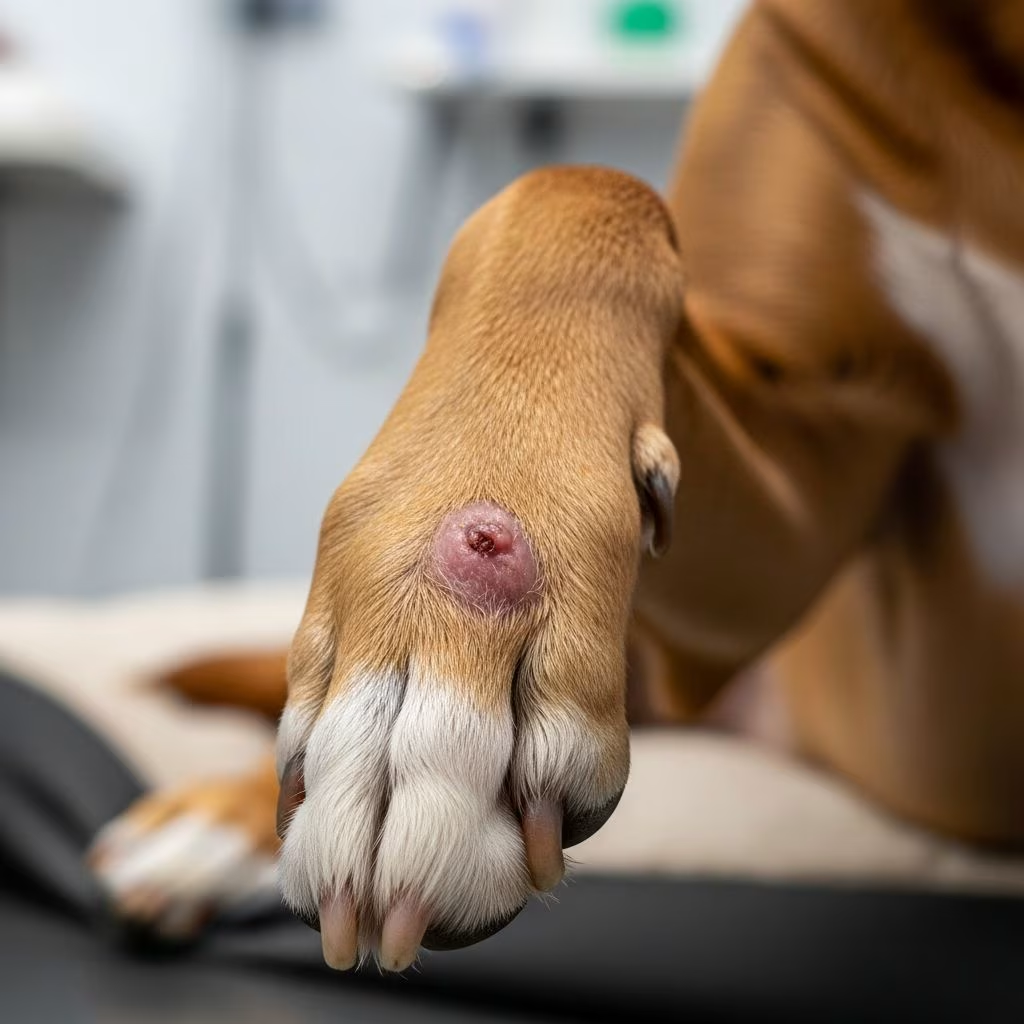
Understanding Lick Granuloma in Dogs
Lick granuloma, medically known as acral lick dermatitis (ALD), is a common skin condition affecting dogs where they obsessively lick or chew at a specific area of their body, typically on their legs, paws, or lower limbs. This persistent self-trauma leads to the development of a thickened, inflamed lesion that can become infected and painful. The condition represents a complex interplay of medical, behavioral, and psychological factors that require a comprehensive approach to treatment and management.
Understanding this condition is essential for dog owners because early intervention significantly improves the prognosis and reduces the time needed for healing. While lick granulomas can be frustrating to manage, most cases can be successfully treated with proper diagnosis, appropriate medical intervention, and owner commitment to long-term care.
Causes and Contributing Factors
Lick granulomas develop due to various underlying causes that may work individually or in combination. Identifying the root cause is crucial for effective treatment, as addressing only the symptoms without treating the underlying condition often leads to recurrence.
Medical Causes
Orthopedic Issues: Pain from arthritis, joint problems, or orthopedic conditions is one of the most common underlying causes. Dogs instinctively lick painful areas in an attempt to self-soothe, which can develop into a compulsive behavior pattern.
Allergies: Both environmental allergies (such as pollens, grasses, and mold) and food allergies (particularly to proteins like chicken or beef) can trigger excessive itching, leading dogs to lick and chew at specific areas.
Skin Infections: Bacterial or fungal infections can cause itching and irritation that prompts excessive licking, perpetuating the cycle of inflammation and damage.
Neurological Conditions: Some underlying neurological issues may cause abnormal sensations that dogs attempt to relieve through excessive licking.
Behavioral and Psychological Causes
Anxiety and Stress: Dogs experiencing anxiety, separation anxiety, or chronic stress may develop compulsive licking behaviors as a coping mechanism or self-soothing activity.
Boredom: Insufficient mental stimulation and physical exercise can lead to destructive and compulsive behaviors, including excessive licking of the same area.
Obsessive-Compulsive Disorder: Some veterinarians believe that incessant licking in lick granulomas mirrors obsessive-compulsive disorder in humans, representing a behavioral condition rather than purely a medical one.
Recognizing Symptoms and Signs
Early recognition of lick granuloma symptoms allows for prompt veterinary intervention and better treatment outcomes. Pet owners should be vigilant about observing changes in their dog’s skin and behavior.
Primary Symptoms Include:
– Visible hair loss (alopecia) in a localized area- Redness and inflammation of the affected skin- Thickened, raised lesions that may appear ulcerated or scarred- Persistent licking or chewing at the same spot- Open wounds or sores that may show signs of infection- Swelling around the affected area- Drainage or discharge from the lesion
Common Locations: Lick granulomas typically appear on the legs, particularly the front legs, wrists, ankles, carpal joints, and between the toes. However, they can occur in multiple locations simultaneously depending on the severity of the behavior and the number of affected areas.
Dogs with lick granulomas often experience pain and discomfort, particularly as the lesions become inflamed or infected. This pain reinforces the licking behavior, creating a difficult cycle to break. Recognizing these symptoms early and seeking veterinary care immediately can prevent the condition from becoming chronic and difficult to treat.
Diagnosis and Diagnostic Testing
Proper diagnosis is essential to identify underlying causes and determine the most appropriate treatment plan. Veterinarians typically employ multiple diagnostic tools and techniques.
Physical Examination
Your veterinarian will perform a thorough physical examination, assessing the appearance of the lesion, its location, size, and characteristics. They will also evaluate your dog’s overall health, joint mobility, and pain response during the examination.
Radiography (X-rays)
X-rays are particularly valuable when orthopedic pain is suspected as an underlying cause. Radiographs can reveal arthritis, bone abnormalities, fractures, or other structural problems in the affected limb that may be driving the compulsive licking behavior.
Biopsies
Skin biopsies may be recommended to rule out underlying skin conditions, infections, or neoplastic (cancerous) conditions. Biopsies can provide definitive information about the nature of the lesion and guide specific treatment recommendations.
Bacterial and Fungal Cultures
Culture samples help identify secondary bacterial or fungal infections present in the lesion, which is important for selecting the most effective antibiotic or antifungal therapy.
Allergy Testing
If allergies are suspected as a contributing factor, intradermal allergy testing or blood allergy testing may be performed to identify specific environmental or food allergens.
Treatment Approaches and Management Strategies
Treatment of lick granulomas typically requires a multi-modal approach addressing the medical condition, underlying cause, secondary infections, and behavioral components. Most cases respond best to combination therapy rather than single-treatment modalities.
Antibiotic Therapy
Since virtually all lick granulomas develop secondary bacterial infections due to constant trauma and contamination from oral bacteria, antibiotics form the cornerstone of treatment. Long-term oral antibiotic therapy is typically necessary for six to eight weeks, though long-standing or severely scarred lesions may require four to six months of continuous treatment. It is critical to continue antibiotics for at least three weeks after the skin appears healed to ensure complete bacterial eradication.
Commonly prescribed antibiotics include Cephalexin, Primor, Baytril, and Clavamox. In some cases, veterinarians may recommend intermittent antibiotic therapy (pulse therapy) for the remainder of the dog’s life to manage chronic or recurring infections.
Anti-Inflammatory Medications
Anti-inflammatory medications help break the itch-lick cycle by reducing inflammation and discomfort. Both topical and oral corticosteroids can decrease the dog’s desire to lick while antibiotics are taking effect. Nonsteroidal anti-inflammatory drugs (NSAIDs) like carprofen or Rimadyl are effective alternatives that decrease both inflammation and pain without the potential side effects associated with steroids. It is important to note that steroids and NSAIDs should never be used simultaneously due to the risk of gastrointestinal ulceration.
Pain Management
Initial pain medication is useful to reduce discomfort while other treatments begin working. Pain management may include NSAIDs or other analgesics like Tramadol. Addressing underlying pain from conditions like arthritis is crucial for breaking the licking cycle, as pain relief often eliminates the original motivation for excessive licking.
Anti-Anxiety and Behavioral Medications
When licking appears behaviorally driven or compulsive in nature, anti-anxiety medications and psychopharmacologic agents can be beneficial. Medications such as fluoxetine (a serotonin reuptake inhibitor), clomipramine (a tricyclic antidepressant), and Amitriptyline (often recommended in combination with hydrocodone) help break the compulsive component of the licking cycle. These medications are particularly helpful for dogs with underlying anxiety or obsessive-compulsive tendencies.
Laser Therapy
Therapeutic laser treatment has shown success in managing lick granulomas. Cold laser therapy applies low-energy light beams to the affected area to promote healing and reduce inflammation. Multiple treatments are typically required, often at least three sessions, and this modality can be significant in minimizing licking and accelerating tissue repair.
Acupuncture
Acupuncture has been reported to help some dogs with lick granulomas by reducing itching sensations and promoting healing when needles are placed around the affected area. This traditional therapeutic approach can be a valuable adjunct to conventional treatment.
Surgical and Advanced Interventions
CO2 laser surgery may be considered for chronic or non-healing granulomas. This procedure removes scar tissue and dead skin cells, exposing healthier skin layers that are more responsive to healing treatments and therapeutic interventions. However, surgical removal is typically only recommended for small lesions when the underlying cause has been identified and addressed, as recurrence is common if the root cause persists.
Protective Devices
E-collars (Elizabethan collars), bandages, protective sleeves, or specially designed shirts can prevent self-trauma during initial treatment stages while medications begin taking effect. These mechanical barriers are particularly important during the early phases of treatment to interrupt the licking cycle and allow initial healing.
Behavioral Modification and Environmental Management
Addressing behavioral and environmental factors is essential for long-term management success. Owners should focus on the following strategies:
– Increase physical exercise and mental stimulation through regular walks, play sessions, and interactive toys- Spend more quality time with the dog through training, games, and companionship- Consider obtaining a companion animal to reduce isolation and boredom- Identify and eliminate anxiety triggers from the dog’s environment- Implement consistent training and behavior modification protocols- Enroll in training classes or consult with a certified animal behaviorist- Create a calm, low-stress environment with appropriate retreat spaces- Establish consistent routines and schedules
Long-Term Management and Prognosis
Although lick granulomas can be challenging to treat completely, they are usually manageable with persistent effort and appropriate care. The prognosis is generally guarded, meaning results are uncertain but often favorable with proper management. Dogs receiving early treatment have better prospects for recovery than those with chronic or severe conditions.
These lesions frequently become chronic, relapsing problems requiring extended therapy. What works effectively for one dog may not work for another, necessitating individualized treatment plans and sometimes multiple therapy combinations. Client compliance is very important to resolving lick granulomas, so owners must understand that treatment is a slow process typically requiring several months of consistent effort.
Regular veterinary monitoring and follow-up appointments are crucial to assess treatment progress, adjust medications as needed, and identify any new complications or concerns.
Frequently Asked Questions
Q: What exactly causes a dog to develop a lick granuloma?
A: Lick granulomas result from various underlying causes including pain from orthopedic conditions like arthritis, allergies (environmental or food-related), skin infections, anxiety, boredom, or obsessive-compulsive behaviors. Often, multiple factors contribute simultaneously.
Q: How is a lick granuloma diagnosed?
A: Diagnosis involves physical examination, radiographs to check for orthopedic issues, skin biopsies, bacterial and fungal cultures, and potentially allergy testing. Your veterinarian may recommend different tests based on your dog’s specific situation.
Q: How long does treatment typically take?
A: Treatment usually requires several months of consistent therapy. Antibiotic therapy alone typically lasts six to eight weeks for mild cases, but chronic or scarred lesions may require four to six months or longer.
Q: Can lick granulomas be cured permanently?
A: While many cases can be successfully managed and healed, recurrence is common if the underlying cause is not identified and addressed. Some dogs may require long-term or intermittent treatment for the rest of their lives.
Q: Are lick granulomas painful for dogs?
A: Yes, lick granulomas can be quite painful, especially as they become inflamed or infected. The pain often reinforces the licking behavior, creating a difficult cycle to break.
Q: What can I do at home to help my dog?
A: Use protective devices like E-collars or bandages to prevent licking, increase physical exercise and mental stimulation, provide behavioral enrichment, reduce anxiety triggers, administer all prescribed medications, and maintain regular veterinary follow-ups.
Q: Is surgery necessary for treating lick granuloma?
A: Surgery is typically reserved for small lesions or chronic non-healing cases when other treatments have been unsuccessful. However, surgery is most effective when combined with treatment of the underlying cause.
References
- Lick Granuloma in Dogs — VCA Animal Hospitals. 2024. https://vcahospitals.com/know-your-pet/lick-granuloma-in-dogs
- Acral Lick Granuloma: Stopping the Itch-Lick Cycle — DVM360. 2024. https://www.dvm360.com/view/acral-lick-granuloma-stopping-itch-lick-cycle
- Lick Granuloma in Dogs: Causes, Symptoms & Treatment — Lakewood-Barton Animal Hospital. 2024. https://lbah.com/canine/lick-granuloma/
- Lick Granuloma in Dogs: Causes, Signs, Solutions — Toe Grips. 2024. https://toegrips.com/lick-granuloma-dog/
- Lick Granuloma | The Drake Center For Veterinary Care — The Drake Center for Veterinary Care. 2024. https://www.thedrakecenter.com/resources/materials/dogs/lick-granuloma
- Acral Lick Granuloma — Veterinary Dermatology Specialists in Lacey. 2024. https://www.dcfawa.com/acral-lick-granuloma



