

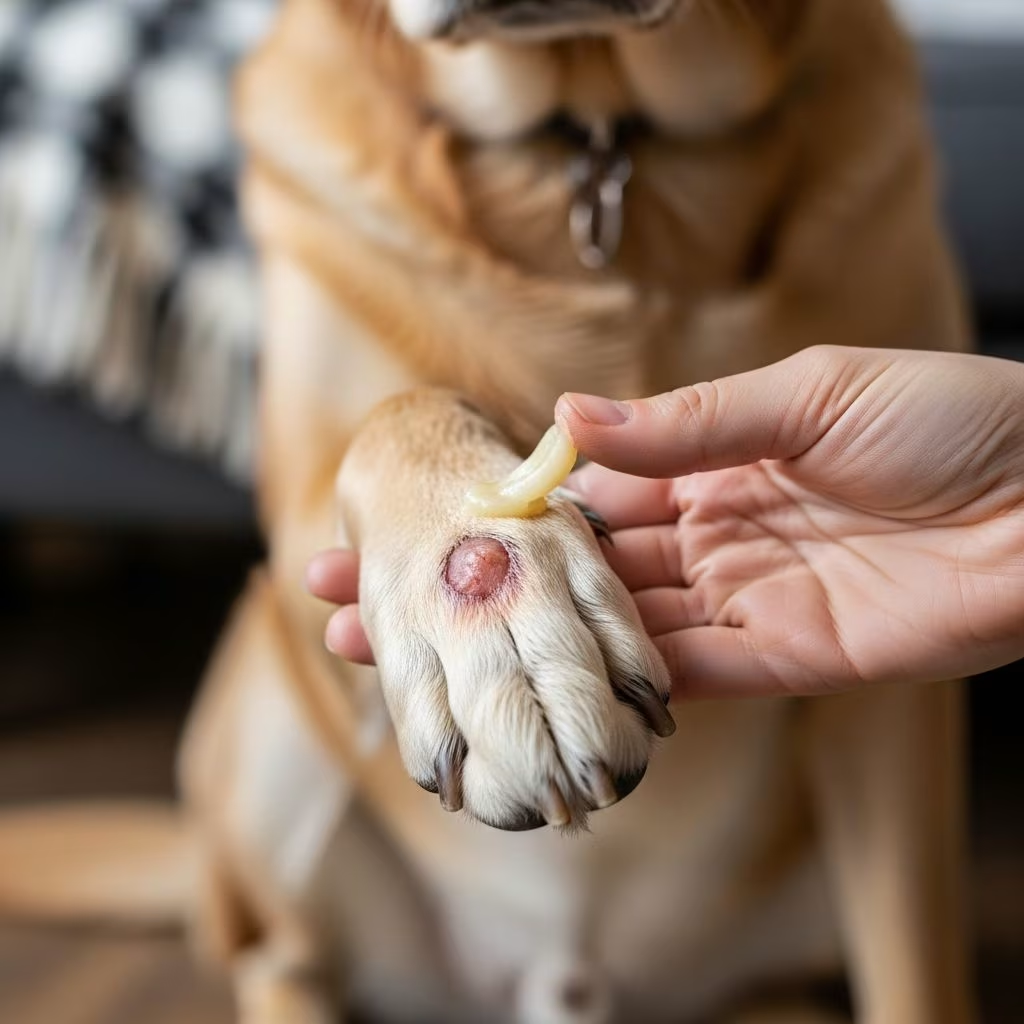
Lick granulomas, also known as acral lick dermatitis, are frustrating skin lesions caused by dogs excessively licking one spot, often on the legs or paws, leading to thickened, hairless, ulcerated skin. Home treatments focus on breaking the lick-itch cycle, soothing inflammation, preventing infection, and addressing root causes like allergies, boredom, or anxiety.
What Is a Lick Granuloma?
A **lick granuloma** develops when a dog compulsively licks a specific area, typically the lower leg, wrist, or ankle, creating a firm, raised, hairless lesion that can become infected or ulcerated. This condition, medically termed acral lick dermatitis (ALD), stems from an itch-lick cycle where initial irritation prompts licking, which worsens the skin and perpetuates the behavior. It commonly affects large, active breeds like Labradors, Dobermans, and Great Danes, often in middle-aged or older dogs. Early intervention is crucial as untreated granulomas can persist for months or years, leading to chronic pain and secondary infections.
Symptoms of Lick Granulomas in Dogs
Recognizing lick granulomas early allows for prompt home management. Key symptoms include:
- A firm, thickened, raised area of skin, usually 1-2 inches in diameter
- Hair loss over the lesion, creating a bald patch
- Redness, inflammation, or oozing if infected
- Ulceration or crusting in advanced cases
- Excessive licking, biting, or chewing at the site
- Possible foul odor or discharge from secondary bacterial infection
Dogs may show subtle behavioral changes like restlessness or depression due to discomfort. Lesions are most common on the front legs but can appear on paws, tails, or flanks.
Causes of Lick Granulomas
Lick granulomas rarely have a single cause; they result from a combination of factors:
- Allergies: Food, environmental (pollen, dust), or flea allergies cause initial itchiness
- Boredom or Anxiety: Compulsive behavior from lack of exercise or stress
- Pain: Underlying arthritis, nerve damage, or injury masked by licking
- Infections: Bacterial or yeast overgrowth from moisture or poor grooming
- Neurological Issues: Rarely, peripheral neuropathy or OCD-like behaviors
Addressing the underlying trigger is essential for successful home treatment, as topical remedies alone won’t resolve behavioral or allergic causes.
Diagnosis: When to See a Vet
While home treatments can manage mild cases, professional diagnosis rules out serious issues. Vets perform skin scrapes, cytology, allergy tests, or biopsies to identify infections, allergies, or tumors mimicking granulomas. Consult a vet if the lesion worsens, spreads, or your dog shows systemic signs like lethargy or fever. Combine vet-prescribed meds (e.g., antibiotics, anti-inflammatories) with home care for best results. Laser therapy or acupuncture may be recommended for stubborn cases.
Can You Treat Lick Granulomas in Dogs at Home?
Yes, many lick granulomas respond well to consistent home treatments, especially when combined with vet guidance. Success requires patience—expect 4-12 weeks for improvement. Focus on four pillars: prevent licking, clean and soothe the wound, treat infection, and fix root causes. No quick fixes exist; recurrence is common without lifestyle changes.
What Are Some Home Remedies for Lick Granulomas?
Several natural remedies soothe skin, fight bacteria, and reduce inflammation. Always patch-test and prevent licking post-application. Use 100% pure products without additives.
Aloe Vera Gel
Fresh **aloe vera gel** from the plant’s inner leaf offers cooling relief with potential antimicrobial and wound-healing benefits. Apply a thin layer 2-3 times daily to intact skin. Avoid on open wounds to prevent irritation or ingestion-related diarrhea. Studies suggest aloe promotes collagen production and reduces inflammation, aiding healing.
Manuka Honey
**Manuka honey** (UMF 10+ rating) provides potent antibacterial, antiviral, and antifungal properties due to methylglyoxal. Dab a small amount on the clean lesion 1-2 times daily; cover if possible. It draws out moisture, prevents infection, and supports tissue repair. Rinse before reapplying.
Chamomile Poultice
Brew strong **chamomile tea**, chill, and apply via cold tea bag or soaked cloth 4-6 times daily. Chamomile calms inflammation, spasms, and anxiety while acting as a mild antimicrobial rinse. Secure with a light wrap for 10-15 minutes.
Other Natural Options
- Oil of Oregano: Dilute 2-3 drops in carrier oil; apply topically or add to food for internal antibacterial effects
- Plantain: Crush fresh leaves for anti-inflammatory poultice
- Goldenseal Tincture: Dilute 20-40 drops in saline; dab on wound
- Calendula Cream: Soothes and disinfects
Preventing Licking: Essential Strategies
Breaking the lick cycle is paramount. Use:
- E-collar or Cone: Gold standard; size properly to allow eating
- Bandages: Light, non-stick gauze with herbal spray; change daily
- Lick Sleeves/Booties: Comfortable alternatives to cones
- Bitter Sprays: Apply to deter chewing
Monitor closely; combine with distraction like puzzle toys.
Addressing Underlying Causes at Home
- Exercise & Enrichment: 60+ minutes daily walks, play, agility to combat boredom
- Diet Trial: Hypoallergenic or novel protein food for 8-12 weeks
- Supplements: Omega-3s (fish oil), CBD oil (0.1-0.25mg/lb), probiotics
- Anxiety Aids: Calming chews, pheromone diffusers, thunder shirts
Treatment Timeline & Expectations
| Week | Actions | Expected Progress |
|---|---|---|
| 1-2 | Clean, apply remedy, prevent lick, start behavior changes | Reduced redness/swelling, less licking |
| 3-6 | Continue remedies, add supplements, vet check | Hair regrowth, lesion flattening |
| 7+ | Maintain prevention, monitor triggers | Full healing, no recurrence |
Frequently Asked Questions (FAQs)
What causes lick granulomas in dogs?
Allergies, boredom, anxiety, pain, or infections trigger excessive licking that worsens into a granuloma.
Are lick granulomas painful?
Yes, especially when infected or ulcerated; dogs lick for relief but exacerbate pain.
How long do lick granulomas take to heal?
Weeks to months with consistent treatment; some recur without addressing causes.
Can lick granulomas be cured without a vet?
Mild cases yes, but vet diagnosis ensures no serious issues and provides meds if needed.
Is aloe vera safe for dog lick granulomas?
Pure gel topically yes, but avoid ingestion and open wounds; consult vet first.
References
- Lick Granuloma in Dogs: Causes, Signs, Solutions — Toegrips. 2023-05-15. https://toegrips.com/lick-granuloma-dog/
- Dog Hot Spots and Acral Lick Granulomas — Hill’s Pet Nutrition. 2024-02-10. https://www.hillspet.com/dog-care/healthcare/dog-hot-spots-and-acral-lick-granulomas
- 5 Steps To Heal Your Dog’s Lick Granuloma — Dogs Naturally Magazine. 2023-11-20. https://www.dogsnaturallymagazine.com/licking-the-lick-granuloma/
- Lick Granuloma in Dogs: Causes, Symptoms & Treatment — Long Beach Animal Hospital. 2022-08-05. https://lbah.com/canine/lick-granuloma/
- Preventing the Lick: Understanding Dog Lick Granuloma — Lick Sleeve. 2024-01-12. https://www.licksleeve.com/blogs/news/preventing-the-lick-understanding-dog-lick-granuloma



