

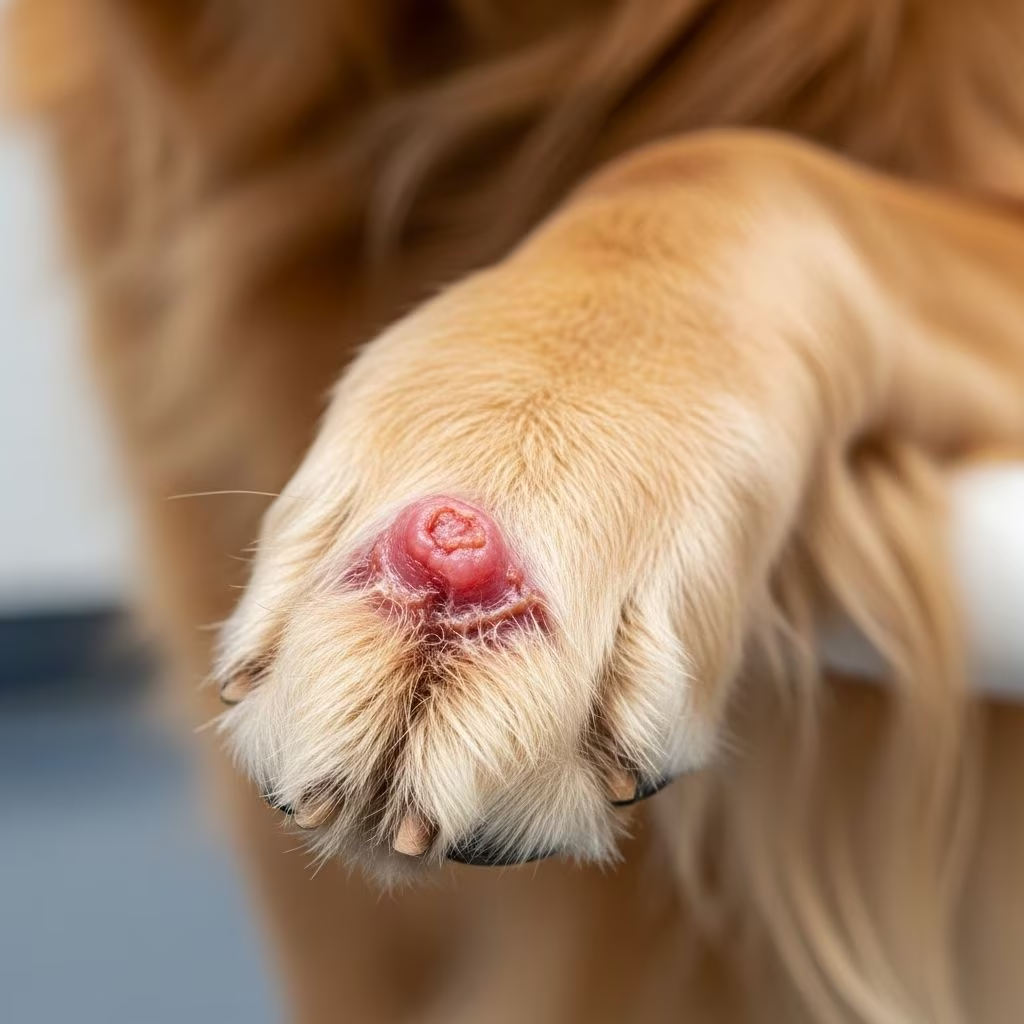
Understanding Lick Granuloma in Dogs
Lick granuloma, also known as acral lick dermatitis (ALD), is a condition that affects many dogs and can become a frustrating challenge for pet owners. This condition develops when dogs engage in repetitive, compulsive licking of a specific area on their body, typically on the legs, paws, or wrists. The constant licking leads to hair loss, inflammation, and the formation of thickened, often ulcerated skin lesions that can become infected. Understanding this condition is essential for any dog owner seeking to provide proper care and relief for their pet.
What Causes Lick Granuloma?
The development of lick granuloma is rarely due to a single factor. Instead, multiple underlying causes can contribute to the condition, making diagnosis and treatment challenging. Pet owners and veterinarians must work together to identify the root cause, as addressing the underlying issue is crucial for successful treatment.
Medical Causes
Medical conditions frequently trigger excessive licking behavior in dogs. Allergies, both environmental and food-related, are among the most common culprits. Environmental allergies to pollens and grasses can cause generalized itchiness that leads dogs to focus their licking on specific areas. Food allergies, particularly reactions to proteins such as chicken or beef, can similarly trigger the itch-lick cycle.
Arthritis and other orthopedic conditions are another significant medical cause of lick granulomas. Dogs experiencing joint pain or discomfort may lick excessively at the affected area as a self-soothing mechanism. Additionally, skin infections, parasites, and other dermatological conditions can initiate the compulsive licking behavior that characterizes this condition.
Psychological and Behavioral Factors
Beyond medical causes, psychological factors play an important role in the development of lick granulomas. Boredom, stress, and anxiety can drive dogs to engage in repetitive licking behaviors. Some veterinarians believe the excessive licking observed in acral lick dermatitis is similar to obsessive-compulsive behaviors seen in humans, where the dog becomes locked in a compulsive cycle that is difficult to break.
Environmental stressors such as changes in the household, separation anxiety, or lack of mental stimulation can exacerbate the condition. Dogs with high energy levels or those not receiving adequate exercise may develop lick granulomas as a manifestation of their anxiety or boredom.
Symptoms and Diagnosis
Identifying lick granuloma early can significantly improve the prognosis and treatment outcomes. Pet owners should watch for characteristic signs that indicate their dog may be developing this condition.
Common Symptoms
The most obvious sign of lick granuloma is a reddened or inflamed area on the skin with associated hair loss. These lesions typically appear on the legs, wrists, ankles, or between the toes, though they can occur in multiple locations depending on the severity of the licking behavior. As the condition progresses, the skin may become thickened, scarred, and potentially ulcerated. The lesion often has a wet or weeping appearance, particularly if a secondary bacterial infection has developed.
Dogs with lick granulomas may show signs of discomfort or pain around the affected area. In some cases, the constant licking may cause bleeding or drainage from the lesion. Pet owners should also note whether their dog appears to be in pain or limping, as this could indicate an underlying orthopedic problem contributing to the condition.
Diagnostic Process
Veterinarians employ several diagnostic tools to identify the underlying cause of lick granuloma. A thorough physical examination is the first step, during which the veterinarian will assess the appearance and location of the lesion. Radiographs (X-rays) may be recommended, particularly if an orthopedic cause such as arthritis is suspected. These images can help identify joint problems or bone abnormalities that might be causing the dog to lick excessively.
Biopsies may also be recommended to rule out other skin conditions or to confirm the diagnosis. Skin scrapings or cultures can identify bacterial infections or parasites contributing to the problem. A comprehensive history from the pet owner regarding when the licking started, any recent changes in the household, diet modifications, and the dog’s exercise and stress levels can provide valuable clues for determining the underlying cause.
Treatment Approaches for Lick Granuloma
Treating lick granuloma effectively requires a multimodal approach that addresses both the immediate symptoms and the underlying cause. Most veterinarians recommend combination therapy, as what works for one dog may not be effective for another. Success requires patience, as treatment is typically a slow process that may take several months.
Antibiotics and Infection Management
Since nearly all lick granulomas develop secondary bacterial infections, antibiotics are a cornerstone of treatment. Constant licking breaks down the skin’s protective barrier, allowing bacteria that normally inhabit the skin surface to migrate deeper into the tissue and cause infection. Additionally, bacteria from the dog’s mouth can enter the broken skin during licking.
Oral antibiotics are the most important treatment component for managing the bacterial infection. Common antibiotics used include cephalexin, primor, baytril, and clavamox. Treatment duration varies depending on the severity of the infection. For most cases, oral antibiotics are prescribed for six to eight weeks, but long-standing, scarred lesions may require four to six months of continuous therapy. It is crucial to continue antibiotics for at least three weeks after the skin appears healed, as the infection may persist beneath the surface. In some cases, veterinarians recommend intermittent antibiotic therapy, known as pulse therapy, for the remainder of the dog’s life.
Anti-Inflammatory Medications
Anti-inflammatory medications play a vital role in breaking the itch-lick cycle by reducing inflammation and discomfort. Topical and oral anti-inflammatory medications, such as corticosteroids, are particularly helpful in reducing inflammation and decreasing the dog’s desire to lick. Nonsteroidal anti-inflammatory drugs (NSAIDs) like carprofen or rimadyl can decrease both inflammation and pain, providing relief while other treatments take effect.
When using anti-inflammatory medications, veterinarians must be careful not to use steroids and nonsteroidals simultaneously, as this combination may increase the risk of gastrointestinal ulceration. Topical steroids such as Synotic, which contains dimethyl sulfoxide and fluocinolone, can help penetrate deeper tissue layers and reduce mild to moderate inflammation.
Pain Management
Pain relief is often necessary, especially when the lick granuloma is associated with underlying orthopedic conditions or severe inflammation. NSAIDs are frequently prescribed initially to manage pain until antibiotics and other treatments begin to provide relief. Tramadol can also be used for pain management in select cases. In combination therapy, amitriptyline is sometimes recommended alongside hydrocodone to help break the compulsive licking cycle while relieving pain.
Behavioral and Anxiety Medications
For dogs with lick granulomas that appear to be behaviorally driven or associated with anxiety, psychopharmacologic medications may be necessary. Anti-anxiety medications are used in cases where the licking appears to be compulsive or stress-related. Selective serotonin reuptake inhibitors (SSRIs) such as fluoxetine and tricyclic antidepressants such as clomipramine have shown promise in managing the compulsive component of the condition.
Advanced Treatment Modalities
Beyond conventional pharmacological approaches, several advanced treatment options have demonstrated success in managing lick granulomas.
Laser Therapy: Both cold laser therapy and CO2 laser treatments have been used successfully to treat lick granulomas. Cold laser therapy applies low-energy beams of light to the affected area, helping to speed up healing and reduce inflammation. These treatments typically require at least three sessions, though some cases may benefit from additional treatments. CO2 laser surgery is typically reserved for chronic or non-healing granulomas, as it removes scar tissue and dead skin cells, exposing healthier skin layers that respond better to other treatments.
Acupuncture: Veterinary acupuncture has shown promise in reducing the itchiness associated with lick granulomas. Placing acupuncture needles around the affected area may help decrease the dog’s desire to lick. This non-invasive approach can be combined with other treatments for enhanced results.
Veterinary Neuronal Adjustment (VNA): This innovative treatment modality is a non-invasive and non-painful way to stimulate the nervous system to stop the sensation causing the problem. It represents an alternative approach for dogs that may not respond to conventional treatments.
Addressing Underlying Causes
Successfully managing lick granuloma requires addressing the root cause of the excessive licking behavior. A comprehensive approach should include:
Allergy Management
If allergies are identified as the underlying cause, working with your veterinarian to manage them is essential. For dogs with environmental allergies, establishing a regular bathing and grooming routine helps remove surface allergens from the coat and skin. Food allergies may require dietary modifications, such as switching to a limited-ingredient diet or elimination diet to identify the problematic protein source.
Pain and Orthopedic Conditions
If arthritis or other orthopedic conditions are contributing to the excessive licking, pain management becomes a priority. This may include NSAIDs, joint supplements, physical therapy, or other pain management strategies recommended by your veterinarian.
Behavioral Modification and Environmental Enrichment
Addressing psychological factors is crucial for long-term success. Pet owners should focus on providing more pleasant interaction and mental stimulation to their dogs. Increasing exercise, providing puzzle toys, spending quality time together, and eliminating known anxiety triggers can help reduce compulsive licking. In some cases, consulting with an animal behavior specialist may be beneficial.
Preventive Measures and Home Care
While your dog is undergoing treatment, several preventive measures can support healing and reduce further trauma to the affected area:
Protective devices such as e-collars (cone collars), bandages, or specially designed lick sleeves can prevent self-trauma during the initial stages of treatment while medications begin to relieve the itch. These devices may feel restrictive but are often necessary to allow the skin to heal.
Administering all prescribed medications consistently and as directed is essential for successful treatment. Regular veterinary check-ups help monitor progress and allow your veterinarian to adjust treatment as needed. Promptly report any changes in your dog’s itchiness level, skin appearance, or pain and anxiety levels to your veterinarian.
Prognosis and Long-Term Management
The prognosis for lick granuloma varies depending on the underlying cause and the dog’s response to treatment. While the condition is rarely life-threatening, it is frustrating for both dog and owner. Dogs receiving early treatment have a better prospect for recovery than those with chronic or severe conditions.
These lesions can often be chronic, relapsing problems that require long-term therapy. However, most cases of acral lick granuloma can be successfully treated if the owner is willing to pursue extended tests and treatments and maintain compliance with the veterinarian’s recommendations. Consistency and patience are key, as treatment may take several months to show significant improvement.
Frequently Asked Questions
Q: Are lick granulomas painful for dogs?
A: Yes, lick granulomas can be painful for dogs, especially as they become inflamed or infected due to constant licking and chewing. The pain and discomfort often perpetuate the licking cycle, making early intervention important.
Q: How long does it take to treat a lick granuloma?
A: Treatment is typically a slow process that may take several months. Antibiotics alone are usually prescribed for six to eight weeks, but long-standing, scarred lesions may require four to six months or longer of therapy.
Q: Can lick granulomas be cured completely?
A: While many cases can be successfully managed, lick granulomas can be chronic and relapsing problems. The key is addressing the underlying cause and maintaining long-term management strategies to prevent recurrence.
Q: What if my dog doesn’t respond to treatment?
A: If initial treatments are not effective, your veterinarian may recommend additional diagnostic testing, adjustments to medication, behavioral consultations, or advanced treatment options such as laser therapy or acupuncture.
Q: Can lick granulomas return after treatment?
A: Yes, recurrence is common if the underlying cause is not identified and addressed. This is why comprehensive management addressing medical, psychological, and environmental factors is essential.
References
- The Drake Center for Veterinary Care – Lick Granuloma — The Drake Center For Veterinary Care. 2024. https://www.thedrakecenter.com/resources/materials/dogs/lick-granuloma
- Lick Granuloma in Dogs: Causes, Symptoms & Treatment — Larchmont Animal Medical Center. 2024. https://lbah.com/canine/lick-granuloma/
- Lick Granuloma in Dogs: Causes, Signs, Solutions — Toe Grips. 2024. https://toegrips.com/lick-granuloma-dog/
- Acral Lick Granuloma: Stopping the Itch-Lick Cycle — DVM360. 2024. https://www.dvm360.com/view/acral-lick-granuloma-stopping-itch-lick-cycle
- Lick Granuloma in Dogs — VCA Animal Hospitals. 2024. https://vcahospitals.com/know-your-pet/lick-granuloma-in-dogs
- Acral Lick Granuloma — Veterinary Dermatology Specialists in Lacey. 2024. https://www.dcfawa.com/acral-lick-granuloma



