

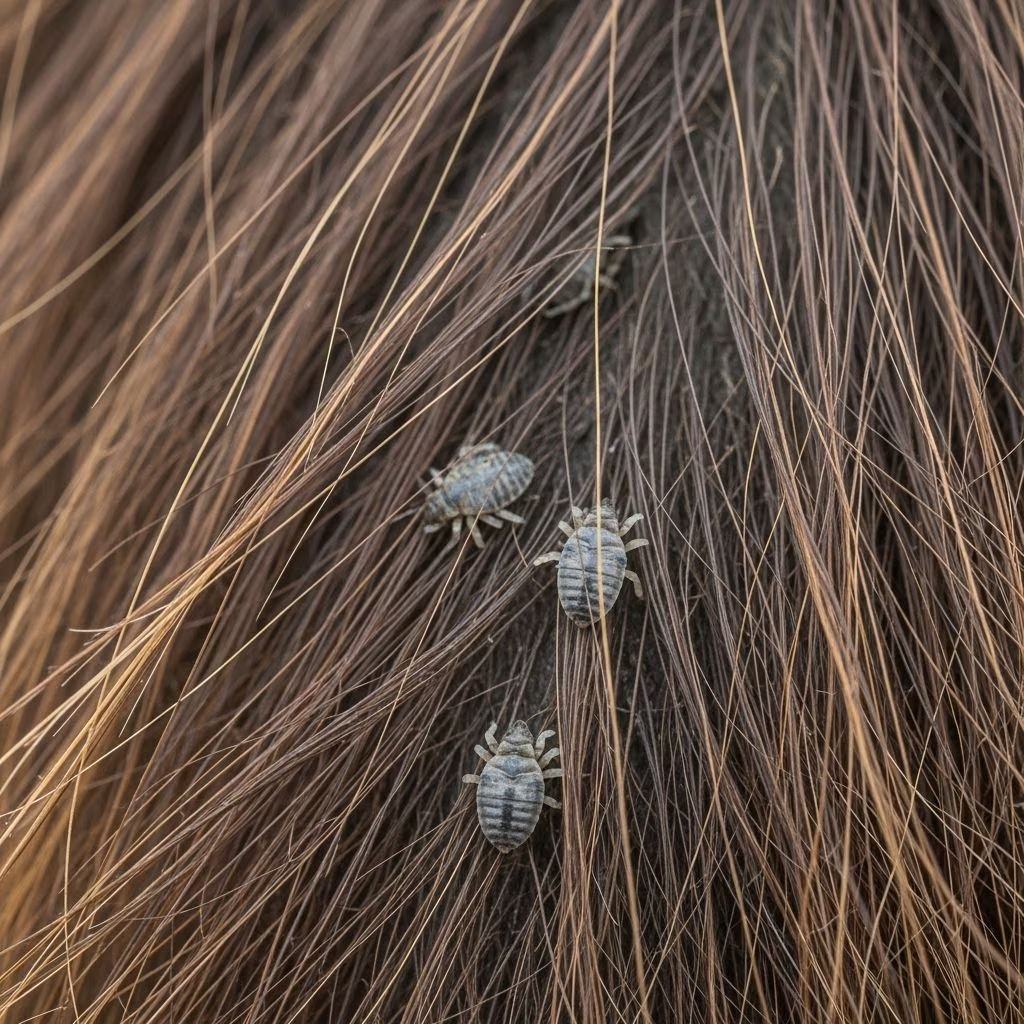
Lice infestations represent a common yet manageable parasitic issue affecting horses and donkeys, leading to discomfort, reduced performance, and potential secondary infections if untreated. These external parasites thrive in suboptimal conditions, making vigilant management essential for equine welfare.
Understanding Equine Lice Biology
Equine lice belong to two primary species: the biting louse Damalinia equi, which feeds on skin and secretions, and the sucking louse Haematopinus asini, which pierces skin to ingest blood. Biting lice cause irritation through chewing, while sucking lice lead to anemia in severe cases. Both types lay eggs, or nits, firmly attached to hair shafts, hatching into nymphs that mature in about two weeks under ideal conditions.
Lice lifecycles are temperature-sensitive, peaking in winter when equines develop thick coats that provide shelter. Adults measure 1-2 mm, appearing as fast-moving specks on the skin. Donkeys often harbor H. asini, which can transmit to horses in mixed herds.
Recognizing Signs of Infestation
Early detection hinges on observing behavioral and physical changes. Affected equines rub against objects incessantly, resulting in hair loss, mane and tail thinning, and crusty skin lesions, particularly along the topline, neck, and flanks. Intense pruritus leads to self-trauma, manifesting as bald patches and excoriations.
- **Common symptoms:** Excessive grooming, weight loss, dull coat, and restlessness, especially noticeable in cold months.
- **Severe cases:** Anemia signs like pale mucous membranes, lethargy, and colic-like discomfort from constant irritation.
- **Visual confirmation:** Part the hair to spot moving lice or clustered nits near the skin.
Donkeys may show subtler signs due to thicker hides, but flank and withers rubbing remains a key indicator.
Factors Contributing to Lice Spread
Lice transmit directly via contact between infested and clean animals, or indirectly through shared tack, blankets, brushes, and trailers. Overcrowding in barns or pastures accelerates outbreaks. Compromised immunity from poor nutrition, internal parasites, or stress heightens susceptibility.
| Risk Factor | Impact on Horses | Impact on Donkeys |
|---|---|---|
| Winter housing | Thick coats hide lice | Outdoor exposure still risks spread |
| Shared equipment | High transmission | Common in mixed farms |
| Poor nutrition | Weakens defenses | Exacerbates in working animals |
| New arrivals | Introduces lice | Often asymptomatic carriers |
Studies confirm lice persist on fomites like grooming tools, emphasizing biosecurity.
Effective Diagnostic Approaches
Veterinary confirmation involves close inspection using a fine-toothed comb to collect samples for microscopic identification. Differentiate lice from other pruritic conditions like ringworm, mites, or allergies via skin scrapings. Count lice across body regions for infestation severity assessment, as in field trials scoring seven areas bilaterally.
Regular body condition scoring and fecal exams rule out concurrent issues, ensuring targeted therapy.
Treatment Strategies for Optimal Results
Treatment combines topical insecticides with environmental decontamination. Brush equines thoroughly beforehand to expose parasites and remove debris, enhancing product efficacy.
Topical Insecticides
Pour-on formulations like 10 mg/mL deltamethrin prove highly effective. Field studies showed 98% lice reduction by day 7 and 100% by day 14 post-application, with single doses from mane to tail eliminating D. equi for up to 56 days.
- **Permethrin (7.4-10%):** Safe pour-on for mature horses; avoid foals under 3 months.
- **Pyrethrins (0.10%):** Spray or wipe-on options for broad coverage.
- **Organophosphates:** Effective against resistant strains but use cautiously due to toxicity.
Apply gloves and treat all herd mates simultaneously. Repeat every 10-14 days for three cycles to target hatching nits.
Mechanical and Supportive Care
Clip long hair in heavy infestations to aid penetration. Improve nutrition with balanced feeds to bolster immunity. Isolate treated animals until cleared.
Prevention: Building a Lice-Free Environment
Proactive measures prevent reinfestation. Quarantine new equines for 2-3 weeks, inspecting thoroughly before integration.
- Disinfect tack, stalls, and trailers with pyrethroid sprays or Sevin dust.
- Maintain optimal stocking densities and nutrition.
- Conduct routine grooming and veterinary check-ups, including deworming.
Annual parasite management plans reduce overall vulnerability.
Special Considerations for Donkeys and Foals
Donkeys require full-coat coverage due to uneven pour-on distribution, with emerging resistance to cypermethrin noted. Foals demand age-appropriate products; avoid pours-ons under 3 months and monitor for overexposure from nursing mares.
Monitoring Treatment Success
Re-examine 7-14 days post-treatment, parting hair in key areas. Zero lice and resolving lesions indicate success. Persistent cases warrant product rotation to combat resistance.
Frequently Asked Questions
Can lice kill horses or donkeys?
Rarely directly, but severe infestations cause anemia, weight loss, and secondary infections that can be fatal in debilitated animals.
How long do lice live off the host?
Less than 48 hours without a host, underscoring equipment cleaning importance.
Are over-the-counter lice powders effective?
Variable; some show poor efficacy. Veterinary-recommended topicals outperform generics.
Do lice affect performance horses?
Yes, irritation distracts and causes weight loss, impacting training and competition.
What’s the best winter prevention?
Regular currying, clean blankets, and isolated housing for newcomers.
Long-Term Herd Health Integration
Incorporate lice control into holistic equine management. Track herd health metrics quarterly, adjusting protocols based on regional prevalence. Collaborate with vets for tailored plans, ensuring sustainable parasite control amid changing resistance patterns.
Maintaining clean facilities year-round minimizes risks. Educate farm staff on early signs, fostering a culture of vigilance. By prioritizing biosecurity and prompt intervention, equine owners can sustain thriving, lice-free herds.
References
- Horse Lice – PetMD — PetMD. 2023. https://www.petmd.com/horse/conditions/skin/horse-lice
- Control of lice infestation in horses using a 10 mg/mL deltamethrin… — PMC (PubMed Central). 2017-06-12. https://pmc.ncbi.nlm.nih.gov/articles/PMC5477243/
- Lice | AAEP — American Association of Equine Practitioners (AAEP). 2024-03. https://aaep.org/wp-content/uploads/2024/03/Lice.pdf
- Lice (Pediculosis) in Horses: Risk Factors, Transmission & Treatment — Mad Barn. 2023. https://madbarn.com/lice-in-horses/
- Lice in horses: how best to deal with this itchy pest — Horse & Hound. 2023. https://www.horseandhound.co.uk/plus/vet-library/equine-lice-in-horses-47547
- Horse-Lice | Pacific Northwest Pest Management Handbooks — PNW Handbooks. 2024. https://pnwhandbooks.org/insect/livestock/horse/horse-lice



