

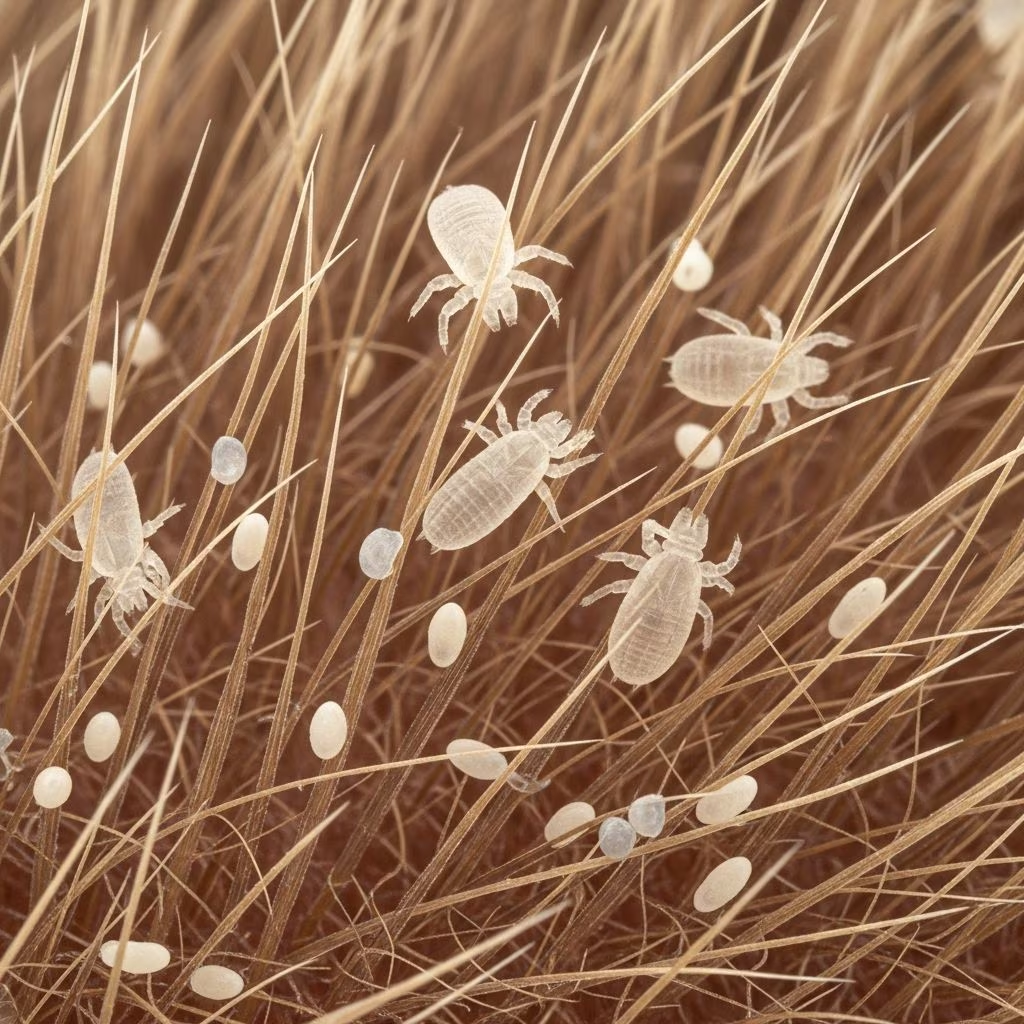
Lice infestations represent a notable parasitic concern for dogs, leading to discomfort through persistent itching and potential secondary issues like skin infections. These external parasites thrive under specific conditions and can be managed effectively with prompt intervention.
Understanding the Nature of Canine Lice
Canine lice belong to two primary categories: chewing lice, which feed on skin debris and secretions, and sucking lice that draw blood from the host. Both types are host-specific, meaning dog lice do not transfer to humans or other animals easily. Infestations typically occur in environments with poor hygiene, overcrowding, or among vulnerable populations such as puppies, seniors, or immunocompromised dogs. The lifecycle includes eggs (nits), nymphs, and adults, with females laying eggs attached firmly to hair shafts.
These parasites spread primarily through direct contact with infested dogs, such as in kennels, parks, or multi-pet households. Unlike fleas, lice crawl rather than jump, limiting their transmission range but making quarantine essential during outbreaks.
Recognizing the Signs of Infestation
Early detection hinges on observing behavioral and physical changes in your dog. Common indicators include:
- Intense scratching, biting, or rubbing, particularly around the ears, neck, shoulders, groin, and tail base
- Rough, dry, matted coat resembling severe dandruff
- Visible hair loss (alopecia) in affected areas
- Presence of small white specks (nits) glued to hairs, resistant to brushing off
- Slow-moving, brownish adult lice when parting the fur
- Secondary issues like crusty skin, wounds, or bacterial infections from self-trauma
In severe cases, especially among puppies or small breeds, anemia may develop due to blood loss from sucking lice, manifesting as pale gums, lethargy, or weakness. Restlessness and tapeworm segments in feces can also signal complications, as lice may serve as intermediate hosts.
| Type | Appearance | Feeding Habit | Key Impact |
|---|---|---|---|
| Chewing Lice | Wingless, broad head | Skin flakes, secretions | Itching, hair loss |
| Sucking Lice | Narrow head, blood-feeding | Blood meals | Anemia risk, wounds |
Confirming a Lice Infestation
Diagnosis starts with a visual examination using a fine-toothed flea comb to collect samples from the coat. Look for live lice, nits, or eggs under magnification. Veterinary confirmation often involves tape impressions or microscopic analysis to differentiate lice from fleas or mites, noting lice’s lack of eyes and distinct body shape compared to human varieties. Clinical signs alone warrant a vet visit, as untreated cases exacerbate skin damage.
Comprehensive Treatment Approaches
Treatment targets all life stages, combining mechanical removal, topical medications, and environmental cleaning. Always consult a veterinarian for breed-, age-, and health-specific recommendations, especially in multi-pet homes where cat-toxic products like permethrin must be avoided.
Topical and Systemic Medications
- Flea control products: Fipronil, imidacloprid, selamectin applied topically eliminate lice effectively on dogs and cats.
- Permethrin or flumethrin/imidacloprid: Dog-safe spot-ons for robust results.
- Isoxazolines: Oral options like afoxolaner and fluralaner target lice, including species like L. setosus.
- Anti-parasitic shampoos: Formulated with antiseptics; lather for 3-5 minutes before rinsing to kill adults and soothe skin.
For heavy infestations, clip matted fur to dislodge attached lice and eggs, then comb daily, immersing the comb in insecticide solution. Repeat treatments after 7-10 days to address hatching nymphs, as nits resist most products.
Environmental Management
Lice off-host survive briefly but contaminate bedding and grooming tools. Wash fabrics in hot water, vacuum thoroughly, and expose items to dry heat (e.g., dryer) to desiccate eggs. Quarantine infested dogs until cleared, treating all in-contact pets.
Prevention Strategies for a Lice-Free Dog
Proactive measures minimize risk:
- Examine new dogs thoroughly before integration.
- Administer monthly flea preventives (fipronil, selamectin, isoxazolines), which also control lice.
- Maintain hygiene: regular baths every 3-4 weeks, frequent brushing with tools like slicker brushes.
- Avoid high-risk areas like crowded shelters without checks.
- Clean bedding, toys, and living spaces weekly with hot washes.
Consistent grooming detects issues early, while year-round parasiticide use provides broad protection.
Potential Complications and When to Seek Help
Untreated lice lead to chronic dermatitis, secondary bacterial infections, or hypersensitivity. Severe blood loss causes anemia requiring hospitalization, fluids, and supportive care. Monitor post-treatment for recurrence, completing full courses to prevent resistance. Puppies and debilitated dogs merit immediate vet attention.
Frequently Asked Questions (FAQs)
Can humans catch lice from dogs?
No, dog lice are species-specific and rarely, if ever, infest humans.
How long do dog lice live off the host?
Days to weeks, depending on conditions; heat and dryness accelerate death.
Are over-the-counter products safe for treating dog lice?
Some are, but veterinary guidance ensures safety, avoiding toxicities.
Will flea collars work against lice?
Certain insecticidal collars do, but confirm with a vet for efficacy.
How often should I retreat after initial lice treatment?
Typically 7-14 days to target new hatches.
Long-Term Care for Healthy Skin and Coat
Beyond lice control, support skin health with balanced diets rich in omega fatty acids, routine vet check-ups, and stress reduction. These bolster immunity against parasites. Regular professional grooming maintains coat integrity, aiding early parasite detection.
In summary, while lice pose challenges, informed owners can eradicate them swiftly, restoring pet comfort. Vigilance and vet partnership are key to prevention.
References
- Lice – Companion Animal Parasite Council — CAPC. 2023. https://capcvet.org/guidelines/lice/
- Lice on Dogs: Signs, Symptoms, Treatments — American Kennel Club. 2023-10-15. https://www.akc.org/expert-advice/health/lice-on-dogs/
- Lice in Dogs: Symptoms, Treatment, and Prevention — Artero. 2024. https://artero.com/uk/petcare/blog/post/Lice-in-dogs
- Lice in dogs — People’s Dispensary for Sick Animals (PDSA). 2024. https://www.pdsa.org.uk/pet-help-and-advice/pet-health-hub/conditions/lice-in-dogs
- Lice Dogs and Cats: chewing (Mallophaga), and sucking (Anoplura) — Western College of Veterinary Medicine, University of Saskatchewan. 2023. https://wcvm.usask.ca/learnaboutparasites/parasites/lice-chewing-mallophaga,-and-sucking-anoplura.php



