
Lice In Dogs And Cats: Complete Pet Owner’s Guide
Comprehensive guide to identifying, treating, and preventing lice infestations in dogs and cats for healthier pets.
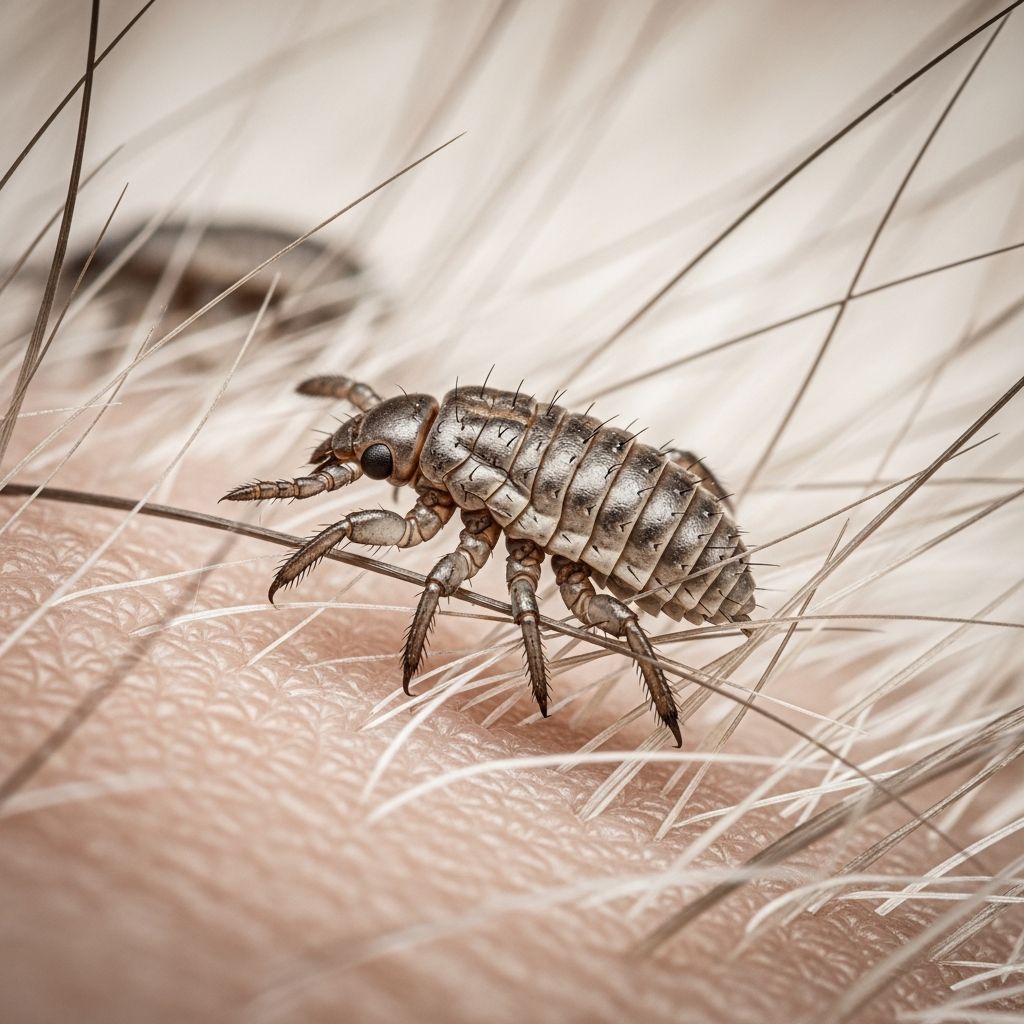
Lice infestations represent a common yet manageable ectoparasite issue affecting dogs and cats, particularly those in compromised living conditions or with weakened immune systems. These small insects live exclusively on their host, feeding on skin debris or blood, leading to discomfort and potential secondary infections if untreated. Understanding the biology, signs, and management of lice empowers pet owners to act swiftly and restore their animal’s well-being.
Understanding the Nature of Pet Lice
Pet lice belong to two primary categories: chewing lice, which feed on skin scales and secretions, and sucking lice, which pierce the skin to ingest blood. In dogs, the prevalent species include Trichodectes canis (chewing) and Linognathus setosus (sucking), while cats commonly host Felicola subrostratus (chewing). These parasites are host-specific, meaning dog lice cannot survive on cats or humans, and vice versa, debunking myths about cross-species transmission.
Lice complete their life cycle—egg, nymph, and adult—directly on the pet, with eggs (nits) firmly attached to hair shafts. Adults measure 1-2 mm, appearing as tiny, pale or yellowish crawlers visible to the naked eye under good lighting. Unlike fleas, lice do not jump; they crawl slowly, spreading primarily through direct contact with infested animals.
Recognizing Symptoms of Lice Infestation
The hallmark sign of lice is intense pruritus, or itching, prompting pets to scratch excessively, particularly around the neck, ears, back, and tail base. This leads to self-inflicted trauma, manifesting as hair loss (alopecia), roughened coat, and scaly skin. In severe cases, secondary bacterial infections cause crusting, redness, and foul odors. Debilitated animals may show weight loss and anemia from chronic blood loss by sucking lice.
- Mild cases: Subtle scratching, dandruff-like flakes.
- Moderate cases: Noticeable bald patches, restless behavior.
- Severe cases: Matted fur, open sores, lethargy.
To confirm, part the fur and use a fine-tooth comb over white paper; lice or nits will appear as moving specks or sticky grains. Magnification aids in differentiation from dandruff, which flakes off easily.
Causes and Risk Factors for Infestation
Lice thrive in overcrowded, unsanitary environments like shelters, kennels, or stray populations. Poor nutrition, stress, and concurrent illnesses suppress immunity, making pets susceptible. Puppies and kittens, with immature immune systems, face higher risks. Infestations rarely occur in pets on routine flea preventatives, as many overlap in efficacy against lice.
| Risk Factor | Dogs | Cats |
|---|---|---|
| Poor Hygiene | High | High |
| Stray/ Shelter Origin | Very High | Moderate |
| Immunosuppression | High | High |
| No Preventatives | High | High |
Step-by-Step Diagnosis Process
Veterinarians diagnose via visual inspection, combing (lice comb test), and tape tests where adhesive captures parasites. Microscopic exam distinguishes lice from fleas or mites. Rule out allergies or fungal issues through skin scrapes or cytology. Early detection prevents escalation.
- Observe clinical signs and history.
- Perform physical exam focusing on pruritic areas.
- Collect samples for lab confirmation if needed.
Effective Treatment Strategies
Treatment targets lice at all stages, combining topical or systemic parasiticide with environmental decontamination. Repeat applications 7-10 days apart kill hatching nymphs, as nits resist initial doses.
Topical Options: Fipronil, imidacloprid, selamectin (spot-ons) provide broad-spectrum control, safe for monthly use. Pyrethrins suit mild cases via shampoos or sprays. Permethrin works for dogs but is toxic to cats.
Systemic Options: Isoxazolines like fluralaner offer oral efficacy against both lice types.
Avoid outdated carbamates or unapproved injectables like eprinomectin, which risk toxicity.
Treatment Comparison Table
| Product Class | Suitable For | Application | Efficacy |
|---|---|---|---|
| Fipronil/Imidacloprid | Dogs & Cats | Spot-on | High |
| Selamectin | Dogs & Cats | Spot-on | High |
| Fluralaner | Dogs (Cats off-label) | Oral | High |
| Pyrethrins | Dogs & Cats | Shampoo/Spray | Moderate |
Environmental Cleanup Essentials
Lice off-host survive briefly but nits on fomites persist. Vacuum carpets, wash bedding/toys in hot water (>140°F), and dry on high heat. Dispose of heavily contaminated items. Isolate treated pets until clear. Grooming tools require disinfection or replacement.
- Hot wash/dry all fabrics.
- Vacuum daily for 2 weeks.
- Seal non-washables in bags for 4 weeks.
Prevention: Long-Term Protection Plans
Proactive measures minimize risks. Monthly flea/tick preventatives (fipronil, selamectin, isoxazolines) control lice incidentally. Regular grooming detects issues early. Quarantine new pets, avoid strays, and maintain nutrition/hygiene.
For multi-pet homes, treat all simultaneously regardless of symptoms.
Special Considerations for Puppies and Kittens
Young animals require age-appropriate products; avoid adults-only topicals. Manual nit removal via combing supplements treatments. Supportive care like medicated baths soothes skin.
Frequently Asked Questions (FAQs)
Can my dog or cat give me lice?
No, pet lice are species-specific and cannot infest humans.
How long do lice live off the pet?
Adults survive 1-2 days without host; nits up to 10 days under ideal conditions.
Is over-the-counter treatment enough?
Vet-prescribed products are safest and most effective; consult first.
Will lice go away without treatment?
Rarely; they persist and worsen without intervention.
How often should I repeat treatment?
Every 7-10 days for 2-3 cycles to target hatching eggs.
Monitoring Recovery and Follow-Up
Post-treatment, monitor for 4 weeks. Improved coat and reduced itching signal success. Re-infestation warrants re-evaluation for underlying issues. Annual vet check-ups integrate parasite screening.
In summary, lice in dogs and cats, though distressing, respond well to targeted therapies and hygiene protocols. Prompt action safeguards pet health and household harmony.
References
- Can Pets Get Lice? Facts, Myths and Care Guidelines — Lice Clinics of America. 2023. https://www.liceclinicsofamerica.com/can-pets-get-lice-facts-myths-and-care-guidelines/
- Lice – Companion Animal Parasite Council — CAPC. 2024. https://capcvet.org/guidelines/lice/
- What to Do About Lice in Pets — Lone Tree Veterinary Clinic. 2023. https://www.lonetreevet.com/blog/what-to-do-about-lice-in-pets/
- Lice in Dogs and Cats — Merck Veterinary Manual. 2024. https://www.merckvetmanual.com/integumentary-system/lice/lice-in-dogs-and-cats
- Lice on Dogs: Signs, Symptoms, Treatments — American Kennel Club. 2024. https://www.akc.org/expert-advice/health/lice-on-dogs/
- Cat Lice | Feline Pediculosis — PetMD. 2024. https://www.petmd.com/cat/conditions/skin-hair/c_ct_lice_feline_pediculosis
Similar Articles








Read full bio of medha deb


