
Lice In Cattle: Detection, Treatment, And Prevention Guide
Comprehensive guide to identifying, preventing, and treating lice infestations in cattle herds for optimal health and productivity.
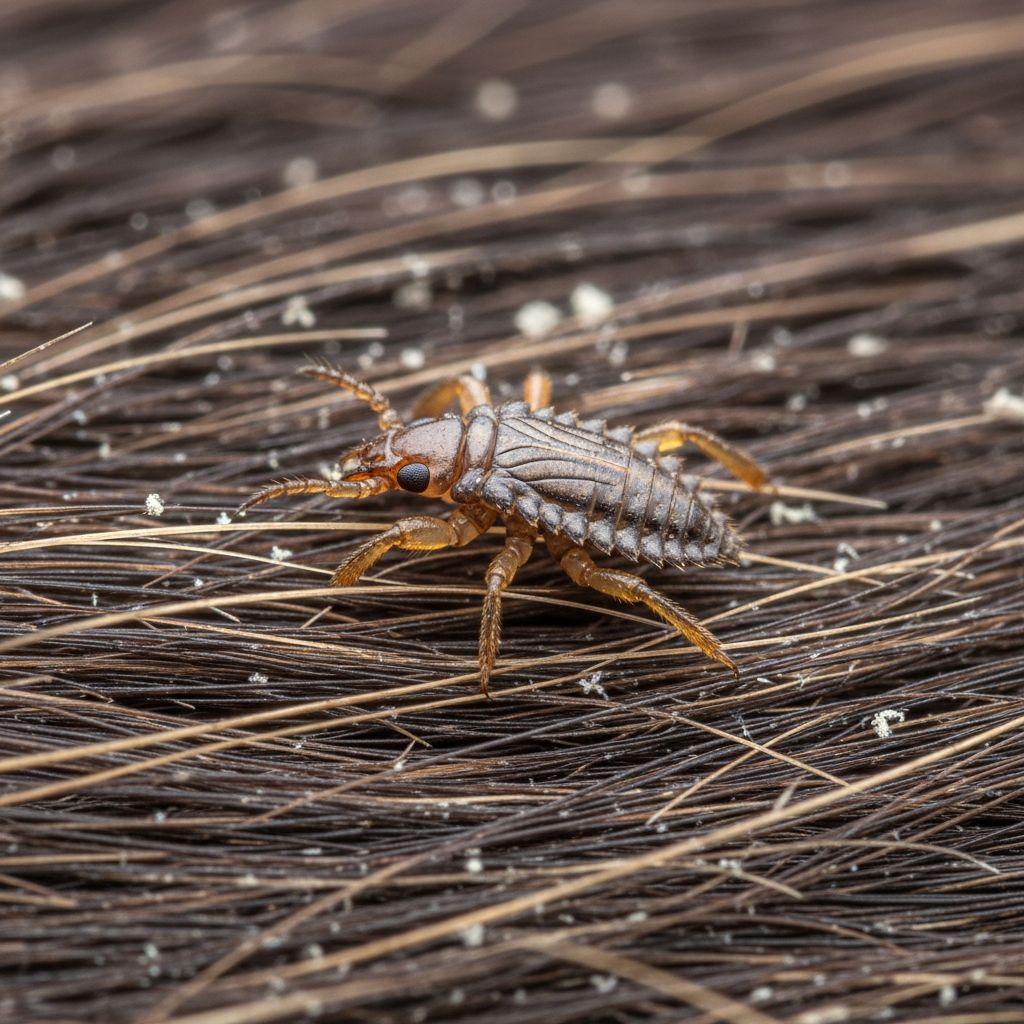
Cattle lice represent a persistent challenge for livestock producers, leading to discomfort, reduced productivity, and potential economic losses. These external parasites thrive in cooler months, causing animals to exhibit noticeable behavioral changes and physical signs. Understanding their biology, recognizing early indicators, and implementing targeted interventions are crucial for maintaining herd health.
Understanding the Biology of Cattle Lice
Lice are wingless insects that complete their entire life cycle on the host animal. Two primary categories affect cattle: biting (chewing) lice, which consume skin particles and secretions, and sucking lice, which pierce the skin to feed on blood. Both types are host-specific, surviving poorly off the animal—typically only a few days, though up to 10 days under ideal conditions—which can facilitate reinfestation in grouped cattle.
Biting lice cause mechanical irritation through feeding, while sucking lice contribute to anemia in heavy infestations. Common species include the long-nose cattle louse (Linognathus vituli), measuring about 2.5 mm and favoring areas like the dewlap, shoulders, neck, and rump; and the little blue cattle louse (Solenopotes capillatus), smaller at 1-2 mm, often clustering around the dewlap, muzzle, eyes, and neck. These pests multiply rapidly in winter, exacerbated by close confinement.
Recognizing Signs of Lice Infestation
Early detection hinges on observing behavioral and physical cues. Affected cattle frequently rub against fences, posts, troughs, or trees, damaging infrastructure and creating hairless patches. As irritation intensifies, bald spots emerge, particularly along the back, neck, and sides. In severe cases, animals show weight loss, anemia (evident in pale skin around eyes, muzzle, and udder), weakness, and reduced thriftiness.
To confirm, part the hair in suspect areas; lice appear as tiny, sand-grain-sized movers. An economic threshold for action is approximately 10 lice per square inch. Heavy sucking lice burdens can lead to significant production drops, including stunted growth and, rarely, mortality.
- **Behavioral indicators:** Constant scratching, rubbing on objects.
- **Physical signs:** Hair loss, raw skin, crusting.
- **Production impacts:** Decreased weight gain, poor feed efficiency.
Seasonal Patterns and Risk Factors
Lice peak from December to February, aligning with cold weather when cattle huddle, promoting spread. Risk escalates with poor nutrition—especially vitamin A deficiency weakening skin barriers—overcrowding, new animal introductions, and fence-line contact with infested herds. Calves, pregnant cows, and stressed stock are most vulnerable.
Monitoring intensifies during these periods; unchecked infestations compound over winter, peaking by spring.
Effective Treatment Strategies
Treatment options span topical contact products, systemic endectocides, and combination formulas. Selection depends on lice type, animal class (beef vs. dairy), and formulation (pour-on, injectable, spray). Most target nymphs and adults but spare eggs, necessitating follow-up doses 14 days apart.
Systemic Treatments: Macrocyclic Lactones
Pour-on and injectable macrocyclic lactones like ivermectin, doramectin, eprinomectin, and moxidectin are versatile. Pour-ons control both biting and sucking lice; injectables excel against blood-feeders only. Applied herd-wide in late summer or fall, they offer residual protection but require caution for withdrawal periods (e.g., 48 days for ivermectin injectables).
| Product Example | Type | Key Features | Withdrawal Notes |
|---|---|---|---|
| IVOMEC (ivermectin) | Pour-on/Injectable | Rainfast in 6 hours; 56-day chewing lice control | 48-day slaughter |
| CYDECTIN (moxidectin) | Injectable | Rain-resistant; broad efficacy | No slaughter withdrawal |
| EPRINEX (eprinomectin) | Pour-on | Zero milk/slaughter withdrawal | Avoid muddy areas |
Contact Treatments: Pyrethroids and Organophosphates
Non-systemic pyrethroids (permethrin, cyfluthrin, lambda-cyhalothrin) and organophosphates (phosmet, chlorpyrifos) kill on contact via full topline application from poll to tailhead. Effective for adults, they demand retreatment for eggs. Synergized formulas with piperonyl butoxide boost potency; some with insect growth regulators (IGRs) like diflubenzuron target eggs, eliminating re-dosing.
Examples: Clean-UP II (diflubenzuron + permethrin), Prozap Protectus (diflubenzuron + lambda-cyhalothrin + PBO). Sprays suit smaller groups but ensure thorough coverage.
Application Best Practices
- Apply pour-ons along the backline, avoiding manure/mud-covered areas.
- Treat entire herd simultaneously to curb spread.
- Follow labels for dosage (e.g., 1 ml/22 lb body weight).
- Re-treat non-IGR products after 14 days.
Resistance to pyrethroids is emerging globally; rotate classes and integrate management.
Prevention and Management Protocols
Proactive steps minimize outbreaks:
- Nutrition:** Ensure vitamin A-rich diets for robust skin.
- Quarantine:** Inspect newcomers; treat if needed.
- Husbandry:** Avoid overcrowding; provide rubs or dust bags.
- Timing:** Fall endectocide treatments preempt winter peaks.
- Monitoring:** Weekly checks in high-risk seasons.
Combining treatments with sanitation—like cleaning housing—enhances success.
Impact on Herd Productivity and Economics
Untreated lice slash weight gains by 10-20%, elevate hide damage costs, and stress immunity, inviting secondary issues. Strategic control restores performance, cutting losses.
Frequently Asked Questions (FAQs)
What causes lice in cattle?
Lice spread via direct contact or contaminated environments, thriving in cold weather.
How do I know if my cattle have lice?
Look for rubbing, hair loss, and visible lice when parting hair.
Can I treat dairy cattle for lice?
Yes, but select zero-withdrawal products like certain eprinomectin pour-ons.
Do I need to re-treat after lice treatment?
Often yes, 14 days later for non-ovicidal products to target hatched eggs.
Are there natural ways to prevent lice?
Nutrition and hygiene help, but insecticides are primary for control.
Long-Term Herd Health Strategies
Integrate lice management into annual plans: pre-winter treatments, balanced rations, and biosecurity. Consult vets for tailored advice, especially amid resistance trends. Vigilance ensures thriving herds year-round.
References
- Itching and rubbing in your herd? Lice treatment may be necessary — Beef Magazine. 2023. https://www.beefmagazine.com/cattle-health/itching-and-rubbing-in-your-herd-lice-treatment-may-be-necessary
- Lice in Cattle — Merck Veterinary Manual. 2024. https://www.merckvetmanual.com/integumentary-system/lice/lice-in-cattle
- Understanding Lice Infestation in Cattle — UC Davis Health Topics. 2023. https://healthtopics.vetmed.ucdavis.edu/health-topics/livestock/understanding-lice-infestation-cattle
- Prepare for Cattle Lice — University of Nebraska-Lincoln Beef. 2024. https://beef.unl.edu/prepare-cattle-lice/
- Managing Lice on Cattle — University of Florida IFAS Extension. 2025-02-28. https://nwdistrict.ifas.ufl.edu/phag/2025/02/28/managing-lice-on-cattle/
- Lice in Cattle — NADIS. 2023. https://clients.nadis.org.uk/planner-articles/lice-in-cattle/
Similar Articles








Read full bio of medha deb


