

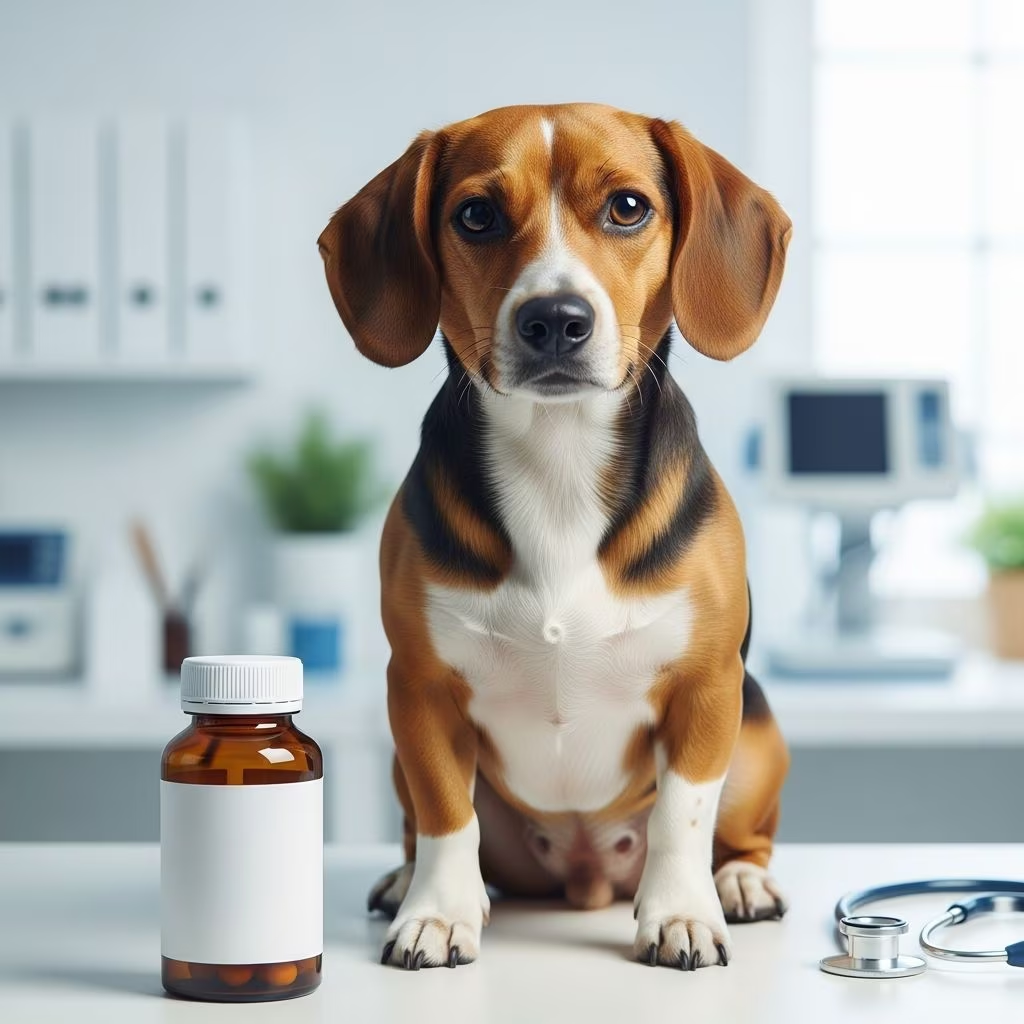
What Is Levothyroxine?
Levothyroxine is a synthetic thyroid hormone replacement medication used primarily to treat hypothyroidism, a condition characterized by low thyroid hormone levels in pets. This medication is available under several brand names, including Thyro-Tabs Canine, Synthroid, Levothroid, Levoxyl, Unithroid, Levo-T, Eltroxin, and PMSLevothyroxine. As one of the most commonly prescribed thyroid medications in veterinary medicine, levothyroxine effectively restores normal thyroid hormone levels and helps pets maintain a healthy metabolic state.
Levothyroxine works by providing the body with synthetic thyroxine (T4), which the thyroid gland cannot produce adequately on its own. Once administered, this medication is converted to its active form, triiodothyronine (T3), allowing cells throughout the body to function normally. The medication has been extensively studied in both human and veterinary medicine, making it a reliable treatment option for managing hypothyroidism in companion animals.
Understanding Hypothyroidism in Pets
Hypothyroidism occurs when the thyroid gland fails to produce sufficient amounts of thyroid hormones, leading to a significant reduction in a pet’s metabolic rate. This condition is particularly common in dogs but can also affect cats, though it is less frequent in felines. When thyroid hormone levels drop below normal, various bodily functions slow down, resulting in noticeable changes in behavior, appearance, and overall health.
Common signs of hypothyroidism in dogs include weight gain despite normal or decreased food intake, lethargy, cold intolerance, dry skin and hair coat problems, and mental dullness. Some dogs may also experience reproductive issues, elevated cholesterol levels, and a slowed heart rate. In cats, hypothyroidism is rare but can develop, particularly following treatment for hyperthyroidism. The condition is treatable but not curable, meaning affected pets require lifelong medication to maintain proper thyroid hormone levels.
How Levothyroxine Works
Levothyroxine functions as a replacement hormone, compensating for the thyroid gland’s inability to produce adequate amounts of thyroxine naturally. When administered orally, this medication is absorbed through the gastrointestinal tract and distributed throughout the body. The liver and other tissues then convert levothyroxine (T4) into its more biologically active form, triiodothyronine (T3), which is responsible for regulating metabolic processes.
The medication has a long serum half-life, meaning it remains active in the bloodstream for an extended period, typically allowing for once or twice daily dosing. In pets with normal liver and kidney function, the effects of levothyroxine usually persist for approximately 24 hours. However, in animals with liver or kidney disease, the medication may have a prolonged effect, requiring careful monitoring and possible dose adjustments.
Dosage and Administration
The appropriate dose of levothyroxine varies significantly between species and individual pets. Dogs require much higher doses compared to humans, as their metabolism processes the medication differently. Dosing is typically based on the pet’s body weight and the severity of the hypothyroidism. Veterinarians carefully calculate the initial dose and may adjust it based on subsequent blood tests measuring thyroid hormone levels.
Levothyroxine is administered orally, usually in tablet form, making it relatively easy for pet owners to give at home. The medication should be given consistently, ideally at the same time each day, to maintain stable hormone levels. For optimal absorption, levothyroxine is best given on an empty stomach, though some formulations may be less affected by food intake. Pet owners should follow their veterinarian’s specific instructions regarding timing and food interactions.
Regular blood tests are essential for monitoring therapy effectiveness. These tests measure serum thyrotropin (TSH) levels and thyroid hormone concentrations to ensure the dose is providing adequate hormone replacement without causing overtreatment. Adjustments to the dosage may be necessary as the pet ages or if other health conditions develop.
Brand Names and Formulations
Several levothyroxine products are available for veterinary use, each with different formulations and manufacturers. Thyro-Tabs Canine is specifically formulated for dogs, while Synthroid and other human formulations may be prescribed off-label in veterinary medicine. The choice of product may depend on availability, cost, and individual pet response.
It is important to note that using human versions of levothyroxine to treat dogs or cats is considered off-label or extra-label use. Many drugs are commonly prescribed for off-label use in veterinary medicine, and when this occurs, pet owners should carefully follow their veterinarian’s directions and cautions, as they may differ significantly from the human product label. Additionally, for cats, levothyroxine use in treating hypothyroidism is generally off-label, as the condition is uncommon in this species.
Potential Side Effects
Side effects from levothyroxine are rare when the medication is administered at appropriate therapeutic doses. However, pet owners should be aware of potential adverse reactions, particularly if a pet receives an overdose or if the dose is not properly adjusted.
In Dogs
Dogs generally tolerate levothyroxine well when dosed correctly. Rare side effects may include skin reactions or allergic reactions, particularly with formulations containing magnesium stearate and polyvinylpyrrolidone. If a dog receives excessive amounts of levothyroxine, signs of hyperthyroidism (iatrogenic thyrotoxicosis) may develop.
In Cats
Cats are more sensitive to thyroid hormone excess than dogs. High doses of levothyroxine in cats may cause hyperthyroidism symptoms, including increased heart rate, excessive urination and drinking, increased appetite, excitability, nervousness, and panting. Additional side effects may include loss of appetite (anorexia) and listlessness. Careful dose titration and monitoring are crucial in feline patients to prevent these adverse effects.
Allergic Reactions
Some pets may experience allergic reactions to specific formulations of levothyroxine. Pet owners should monitor for signs of allergic responses and contact their veterinarian immediately if they observe any unusual reactions or symptoms.
Monitoring and Therapeutic Goals
Successful levothyroxine therapy requires ongoing monitoring and adjustment to achieve optimal therapeutic outcomes. The primary goals of treatment include resolving the clinical signs of hypothyroidism, such as lethargy and weight gain, normalizing thyroid hormone levels, and avoiding overtreatment.
Veterinarians typically perform initial thyroid hormone testing to establish a baseline and confirm the hypothyroidism diagnosis. After beginning levothyroxine therapy, follow-up blood tests are conducted at 4 to 6 weeks to assess the pet’s response to the initial dose. These tests measure free thyroxine (free T4), total thyroxine (total T4), and thyroid-stimulating hormone (TSH) levels. Based on these results, the veterinarian may adjust the dose up or down to achieve the target range.
Once the appropriate dose is established, pets typically require annual or biennial thyroid testing to ensure the dose remains effective as they age or their health status changes. Regular monitoring helps prevent complications and ensures that pets maintain an optimal quality of life.
Duration of Treatment
Hypothyroidism is a lifelong condition requiring continuous medication. Once a pet is diagnosed with hypothyroidism and begins levothyroxine therapy, the medication must be continued for the remainder of the pet’s life. There is no cure for primary hypothyroidism, and discontinuing the medication will result in the return of hypothyroid signs and symptoms.
However, in certain situations, such as when levothyroxine is used to treat feline hyperthyroidism, the medication may be temporary. In these cases, levothyroxine supplementation may be necessary during a period of treatment for hyperthyroidism to manage iatrogenic hypothyroidism that develops as part of the therapeutic process.
Advantages of Levothyroxine Therapy
Levothyroxine has become the gold standard for treating hypothyroidism in veterinary medicine for several compelling reasons. The medication demonstrates excellent efficacy in resolving hypothyroid symptoms and has a long history of safe and effective use. Its favorable side effect profile, combined with ease of administration and good intestinal absorption, makes it a practical choice for most pet owners. Additionally, levothyroxine is relatively affordable compared to other thyroid hormone replacement options, making it accessible to a wide range of pet families.
The medication’s long serum half-life permits once or twice daily dosing, improving compliance and convenience for pet owners. Research has consistently demonstrated that levothyroxine monotherapy is superior to alternative preparations, including combination therapies or thyroid extract preparations, in improving health outcomes for hypothyroid patients.
Drug Interactions and Special Considerations
Levothyroxine may interact with certain medications and supplements, potentially affecting its absorption or efficacy. Medications containing calcium, iron, or magnesium can reduce levothyroxine absorption when given concurrently. For this reason, levothyroxine should be administered separately from these substances, typically at least 4 to 6 hours apart.
Pets with concurrent liver or kidney disease may require dose adjustments, as these organs are involved in metabolizing and eliminating thyroid hormones. Additionally, certain conditions such as diabetes mellitus or Cushing’s syndrome may affect levothyroxine requirements. Veterinarians must consider a pet’s complete medical history when prescribing levothyroxine and may need to adjust doses based on the pet’s overall health status.
Frequently Asked Questions
Q: How long does it take for levothyroxine to work?
A: Most pets begin showing improvement within 1 to 2 weeks of starting levothyroxine therapy. However, maximum therapeutic benefit may take 4 to 6 weeks to achieve. Initial blood work at 4 to 6 weeks helps determine if dose adjustments are needed.
Q: Can levothyroxine be given with food?
A: Levothyroxine is best absorbed on an empty stomach. Most veterinarians recommend giving it 30 to 60 minutes before meals. However, some formulations may be less affected by food, so follow your veterinarian’s specific instructions.
Q: What should I do if I miss a dose?
A: If you miss a dose, give it as soon as you remember, unless it is close to the next scheduled dose. Never double-dose to make up for a missed dose. Maintain a consistent daily schedule to ensure proper hormone levels.
Q: Is levothyroxine safe for long-term use?
A: Yes, levothyroxine is safe for long-term, lifelong use when dosed appropriately and monitored regularly. It has an excellent safety profile and has been used in veterinary medicine for decades.
Q: Can levothyroxine cure hypothyroidism?
A: No, levothyroxine manages the symptoms of hypothyroidism but does not cure the underlying condition. Pets require lifelong medication to maintain normal thyroid hormone levels.
Q: What signs indicate my pet may be receiving too much levothyroxine?
A: Signs of levothyroxine overdose include increased heart rate, hyperactivity, excessive thirst and urination, weight loss despite increased appetite, and nervousness. Contact your veterinarian if you observe these symptoms.
Q: Is levothyroxine used in cats?
A: Levothyroxine is rarely used in cats to treat hypothyroidism, as this condition is uncommon in felines. It may be used off-label in specific clinical situations, typically under direct veterinary supervision.
Q: How often does my pet need thyroid testing?
A: Thyroid testing is performed 4 to 6 weeks after starting levothyroxine to assess the initial response. After that, annual or biennial testing is typically recommended to monitor ongoing therapy effectiveness and adjust doses as needed.
References
- Guidelines for the Treatment of Hypothyroidism — PubMed Central/National Center for Biotechnology Information. 2014. https://pmc.ncbi.nlm.nih.gov/articles/PMC4267409/
- Guidelines for the Treatment of Hypothyroidism — Mary Ann Liebert, Inc. 2014. https://www.liebertpub.com/doi/full/10.1089/thy.2014.0028
- Levothyroxine — VCA Animal Hospitals. Accessed November 2025. https://vcahospitals.com/know-your-pet/levothyroxine
- Hypothyroidism in Dogs — VCA Animal Hospitals. Accessed November 2025. https://vcahospitals.com/know-your-pet/hypothyroidism-in-dogs
- Levothyroxine — Brilliant Veterinary Care. 2025-03-10. https://brilliantvets.com/wp-content/uploads/2025/03/Handout_2025-03-10_12-02-59.pdf
- 2016 AAFP Guidelines for the Management of Feline Hyperthyroidism — Sage Journals. 2016. https://journals.sagepub.com/doi/10.1177/1098612X16643252
- Thyroid Hormone Testing in Dogs — VCA Animal Hospitals. Accessed November 2025. https://vcahospitals.com/know-your-pet/thyroid-hormone-testing-in-dogs



