

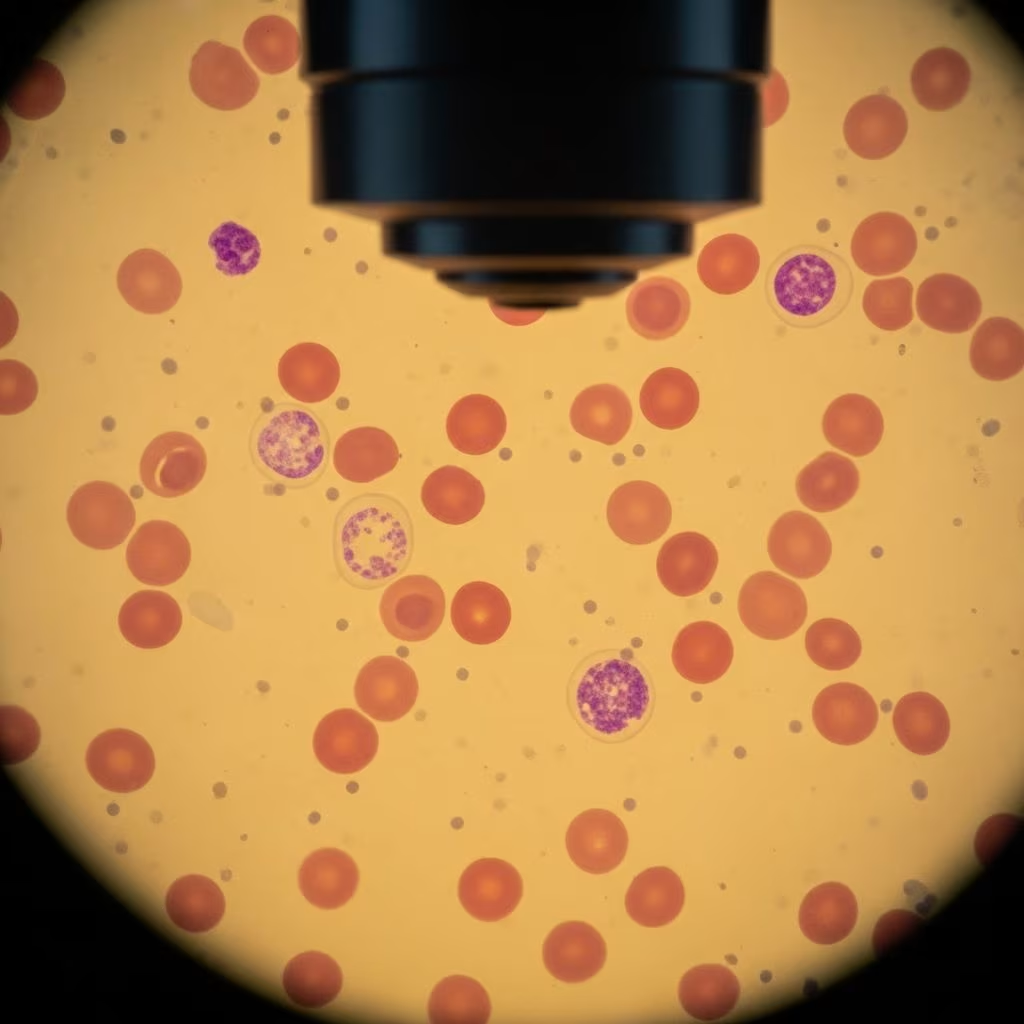
Leukopenia refers to a reduced number of white blood cells in a dog’s bloodstream, compromising the immune system’s ability to fight infections. This condition often signals an underlying problem that requires prompt veterinary attention to prevent severe complications.
Understanding White Blood Cells and Their Role
White blood cells, or leukocytes, are essential components of a dog’s immune defense. Produced primarily in the bone marrow, they include neutrophils, lymphocytes, eosinophils, basophils, and monocytes. Neutrophils, the most abundant type, target bacterial infections, while lymphocytes handle viral threats and immune memory.
When counts drop below normal—typically under 3,000-4,000 per microliter for total leukocytes—dogs face heightened infection risks. Neutropenia, a common subtype involving low neutrophils, is the primary driver of leukopenia in many cases.
Common Symptoms to Watch For
Dogs with leukopenia often exhibit nonspecific signs due to immune suppression. Key indicators include:
- Lethargy and weakness, as the body struggles against minor threats.
- Fever or elevated temperature from unchecked infections.
- Loss of appetite and subsequent weight loss.
- Recurrent infections in skin, gums, or respiratory tract.
- Pale gums, bruising, or bleeding tendencies if pancytopenia develops.
- Vomiting, diarrhea, or swollen lymph nodes in severe cases.
Early recognition of these symptoms can be life-saving, especially in puppies or senior dogs.
Primary Causes of Low White Blood Cell Counts
Leukopenia rarely occurs in isolation; it stems from various triggers that overwhelm production, accelerate destruction, or shift cell distribution.
Infectious Agents
Viral infections like canine parvovirus and distemper suppress bone marrow function, halting leukocyte production. Bacterial sepsis or overwhelming infections consume cells faster than replenishment. Tick-borne diseases such as Ehrlichia canis also deplete neutrophils.
Medications and Toxins
Chemotherapy agents, certain antibiotics (e.g., trimethoprim-sulfamethoxazole), estrogen therapies, and drugs like chloramphenicol or phenylbutazone can induce bone marrow suppression.
Autoimmune and Cancerous Conditions
Autoimmune disorders prompt the body to attack its own white cells. Bone marrow cancers or metastatic tumors infiltrate production sites, leading to hypoplasia.
Nutritional and Genetic Factors
Deficiencies in vitamin B12 or folate impair hematopoiesis. Genetic predispositions affect breeds like Grey Collies (cyclic neutropenia) and Giant Schnauzers (malabsorption issues). Sighthounds such as Greyhounds naturally have lower baseline counts, which is benign.
Note: Stress-induced lymphopenia or eosinopenia from cortisol surges is common but rarely causes full leukopenia without neutropenia.
How Veterinarians Diagnose Leukopenia
Diagnosis begins with a thorough history, including recent illnesses, medications, and breed. A complete blood count (CBC) quantifies leukocytes and differentials:
| Test | Purpose |
|---|---|
| Complete Blood Count (CBC) | Measures total WBC and subtypes (neutrophils, lymphocytes). |
| Blood Smear | Identifies abnormal cells or toxic changes. |
| Bone Marrow Aspiration | Assesses production capacity if peripheral causes unclear. |
| Serology/PCR | Detects infections like parvovirus or Ehrlichia. |
Additional imaging or biopsies rule out cancer.
Treatment Strategies Tailored to the Cause
Treatment targets the root issue while providing supportive care.
- Infections: Broad-spectrum antibiotics, antifungals, or antivirals; complete the full course.
- Medications/Toxins: Discontinue offending drugs; use antidotes if applicable.
- Autoimmune: Immunosuppressants like corticosteroids.
- Bone Marrow Issues: Stimulants (e.g., granulocyte colony-stimulating factor) or transfusions.
- Supportive: IV fluids, nutrition, isolation to prevent secondary infections.
Prognosis improves with early intervention; severe cases may require hospitalization.
Breed-Specific Risks and Normal Variations
Certain breeds warrant caution:
- Grey Collies: Cyclic hematopoiesis causes periodic drops.
- Giant Schnauzers: B12 malabsorption.
- Irish Setters: Leukocyte adhesion deficiency.
- Sighthounds (Greyhounds, Salukis): Physiologically low neutrophils—confirm with breed norms.
Always compare against breed-specific reference ranges.
Preventing Leukopenia in Your Dog
Proactive measures reduce risks:
- Maintain vaccinations against parvovirus, distemper.
- Use tick preventives for Ehrlichia.
- Monitor medication side effects; regular CBCs for at-risk dogs.
- Balanced diet with adequate B vitamins.
- Promptly treat infections to avoid sepsis.
When to Seek Emergency Care
Rush to the vet if your dog shows fever, collapse, severe diarrhea, or bleeding alongside lethargy. These signal critical immune failure.
Frequently Asked Questions (FAQs)
What is the normal white blood cell count for dogs?
Typically 6,000-17,000 per microliter, varying by breed and lab.
Can leukopenia resolve on its own?
Mild cases from stress may, but most require addressing the cause.
Is leukopenia contagious?
No, but underlying infections like parvo are.
How much does treatment cost?
Varies; diagnostics $100-500, hospitalization $1,000+.
Can diet help with low WBC?
Nutritional support aids recovery, especially B12 deficiencies.
References
- Leukopenia in Dogs: Symptoms, Causes & Treatment — Lancaster Puppies. 2023. https://www.lancasterpuppies.com/pet-advice/leukopenia-in-dogs.html
- Low White Blood Cell Count in Dogs – Symptoms, Causes — WagWalking. 2024. https://wagwalking.com/condition/low-white-blood-cell-count
- Leukopenia in Dogs: Symptoms, Causes & Effective Treatment — Pets4Homes. 2023. https://www.pets4homes.co.uk/pet-advice/leukopenia-in-dogs.html
- Leukocyte Disorders — Veterian Key. 2022. https://veteriankey.com/leukocyte-disorders/
- Causes of Low and High White Blood Cell Counts in Dogs — Bully Max. 2024. https://shop.bullymax.com/blogs/news/high-white-blood-cell-count-in-dogs
- WBC Counter Training – Set Up — CanineP4. 2023. https://caninep4.com/pages/white-blood-cell-counter-for-dogs-set-up
- Anemia in Dogs — VCA Animal Hospitals. 2025. https://www.vcahospitals.com/know-your-pet/anemia-in-dogs



