
Understanding Leukogram Changes in Veterinary Medicine
Explore the key patterns and interpretations of white blood cell abnormalities to enhance animal health diagnostics.
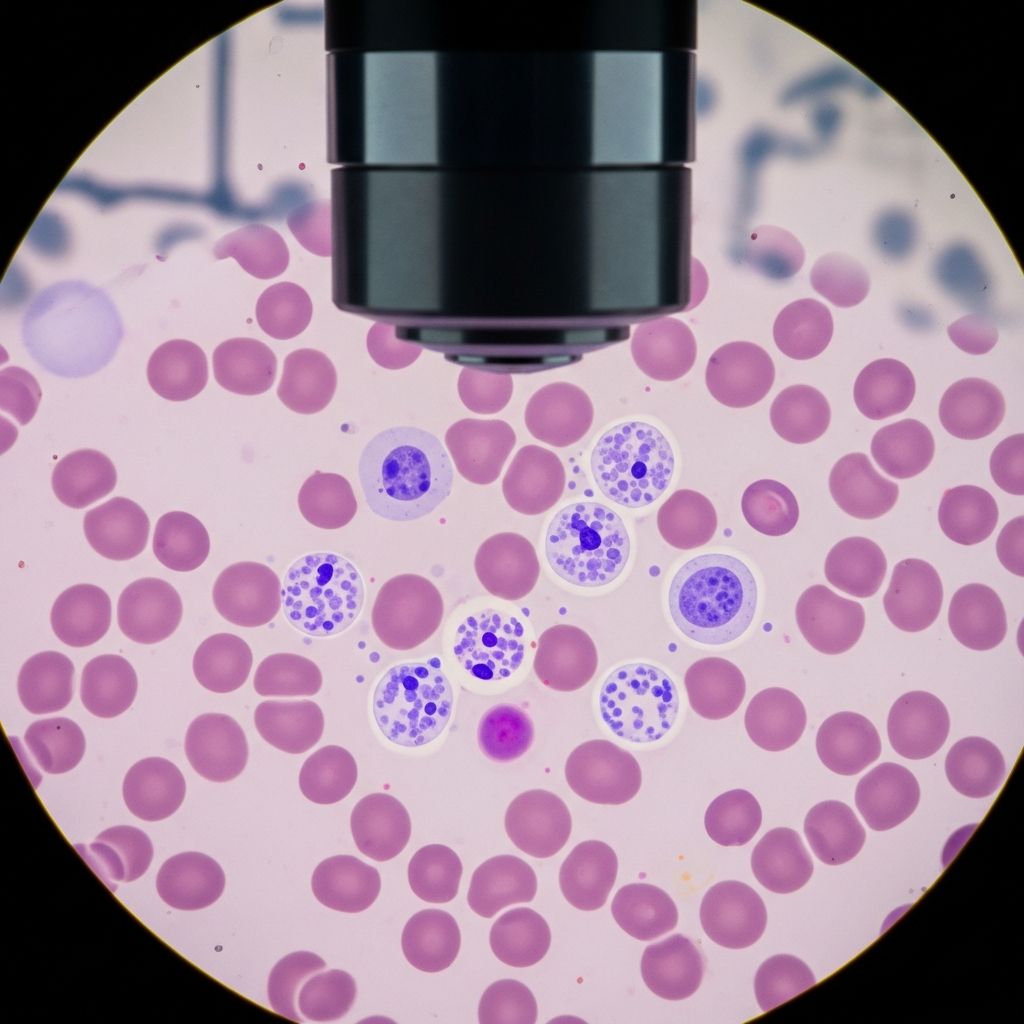
Leukograms provide critical insights into an animal’s immune response by analyzing total white blood cell counts, differential counts, and cellular morphology. These assessments help veterinarians identify inflammation, stress, infections, or other disorders.
Fundamentals of Leukogram Evaluation
A leukogram encompasses the total leukocyte count alongside the proportions and appearances of neutrophils, lymphocytes, monocytes, eosinophils, and basophils. Accurate interpretation relies on absolute counts rather than percentages alone, as relative values can mislead due to shifts in cell populations.
Manual examination of blood smears is essential, as automated analyzers often miss immature cells or morphologic alterations like toxic changes in neutrophils. Typically, 100-200 cells are counted to establish differentials, noting features such as band neutrophils or reactive lymphocytes.
Key Components of a Complete Leukogram
- Total WBC count: Indicates overall leukocytosis (increase) or leukopenia (decrease).
- Differential count: Breaks down cell types by absolute numbers.
- Morphology: Detects immaturity, toxicity, or inclusions like parasites.
Species variations are crucial; for instance, large animals show milder leukocytosis compared to dogs and cats.
Common Patterns in Leukogram Abnormalities
Leukogram changes cluster into recognizable patterns that guide diagnosis. These include inflammatory responses, stress effects, and hypersensitivity reactions.
| Pattern | Total WBC | Neutrophils | Lymphocytes | Monocytes | Eosinophils |
|---|---|---|---|---|---|
| Acute Inflammation | Increased | Increased (with bands) | Decreased | Variable | Variable |
| Chronic Inflammation | Normal/Increased | Increased/No change | Normal/Increased | Increased | Variable |
| Stress Leukogram | Increased | Increased (mature) | Decreased | Normal | Decreased |
| Overwhelming Infection | Decreased | Decreased (degenerative left shift) | Decreased | Variable | Variable |
This table summarizes typical responses; actual findings depend on disease stage and species.
Neutrophil-Related Changes
Neutrophils dominate inflammatory leukograms. Neutrophilia, an increase in segmented neutrophils, signals tissue demand, often from bacterial infections or necrosis. In dogs and cats, counts may reach 50,000-100,000/μL in severe cases.
A left shift occurs when immature forms like bands appear, indicating bone marrow depletion. Regenerative shifts feature neutrophilia with more mature cells, while degenerative ones show neutropenia with bands, suggesting poor prognosis.
Toxic Changes in Neutrophils
These cytoplasmic alterations (e.g., foamy basophilia, Döhle bodies) reflect systemic toxemia from overwhelming infections. Severity grades from mild (subtle basophilia) to marked (prominent vacuolization).
Lymphocyte and Monocyte Alterations
Lymphopenia commonly arises from stress (endogenous glucocorticoids) or acute viral/bacterial infections like parvovirus or distemper. It resolves as inflammation wanes, serving as a prognostic indicator.
Monocytosis accompanies chronic inflammation, aiding phagocytosis in tissues. It’s less specific but supports diagnoses like fungal infections.
Eosinophils and Basophils: Hypersensitivity Indicators
Eosinophilia points to parasitic infestations, allergies, or hypersensitivity. In cats, it may link to gastrointestinal parasites; in dogs, to skin disorders.
Basophilia is rare but can signal chronic inflammation or myeloproliferative issues. Eosinopenia often tags along with stress or Cushing’s disease.
Species-Specific Considerations
Dogs exhibit robust neutrophilia during excitement or pregnancy. Cats show lymphocytosis with stress. Large animals like horses display muted responses, relying on fibrinogen levels for inflammation clues.
Examples Across Species
- Dogs: Paraneoplastic neutrophilia in tumors like rectal polyps.
- Cats: FeLV-induced lymphopenia.
- Horses: Minimal leukocytosis; focus on bands for sepsis.
Morphologic Abnormalities and Inclusions
Beyond counts, morphology reveals pathogens. Morulae in neutrophils suggest Ehrlichia; gametocytes indicate Hepatozoon in dogs. Distemper inclusions appear in viremic stages.
Reactive lymphocytes (plump, dark blue) denote viral responses or immune stimulation. Hypersegmented neutrophils (>5 lobes) may signal chronicity.
Diagnostic Approach to Abnormal Leukograms
Start with absolute counts, then pattern recognition. Combine with history, exam, and tests like C-reactive protein for sensitivity in subtle inflammation.
- Assess total WBC and neutrophil status.
- Check for left shift or toxicity.
- Evaluate lymphocytes for stress/infection.
- Correlate with clinical signs.
Clinical Implications and Prognosis
Mild neutrophilia with regenerative left shift bodes well for acute issues. Degenerative shifts or persistent neutropenia warn of sepsis. Stress patterns mimic inflammation, necessitating history differentiation.
FAQs on Leukogram Interpretation
What causes a stress leukogram in pets?
Glucocorticoid release from excitement, transport, or pain elevates neutrophils and drops lymphocytes/eosinophils.
Is a normal leukogram possible with infection?
Yes, especially in chronic or mild cases; acute phase proteins are more sensitive.
How do I differentiate inflammation from stress?
Inflammation often includes left shift or monocytosis; stress features mature neutrophilia.
What does toxic change indicate?
Severe bacterial toxemia; grade it for prognosis.
Are automated differentials reliable?
No; always confirm with manual smear review.
Advanced Patterns and Rare Findings
Chronic granulocytic leukemia presents extreme leukocytosis with all neutrophil stages. Paraneoplastic syndromes mimic infection without pathogens.
In overwhelming sepsis, pancytopenia may occur alongside degenerative left shift, urging aggressive therapy.
Integrating leukograms with other hemogram elements (e.g., schistocytes in DIC) refines diagnoses.
References
- The interpretation of leukogram in dog and cat — Hellenic Journal of Companion Animal Medicine. 2023. https://hjcam.hcavs.gr/en/v5-i2-the-interpretation-of-leukogram
- Interpreting the Leukogram – Veterinary Clinical Pathology — Saskoer.ca. 2024. https://www.saskoer.ca/vet-clinical-pathology-intro/chapter/interpreting-the-leukogram/
- Leukocyte Disorders — Veterian Key. 2022. https://veteriankey.com/leukocyte-disorders/
- Interpretation of the Hemogram: Introduction, White Cells — IVIS.org. 2023. https://www.ivis.org/library/guide-to-hematology-dogs-and-cats/interpretation-of-hemogram-introduction-white-cells-red-cells-platelets
- Leukogram Abnormalities in Animals — Merck Veterinary Manual. 2025. https://www.merckvetmanual.com/circulatory-system/leukocyte-disorders/leukogram-abnormalities-in-animals
Similar Articles








Read full bio of medha deb


