

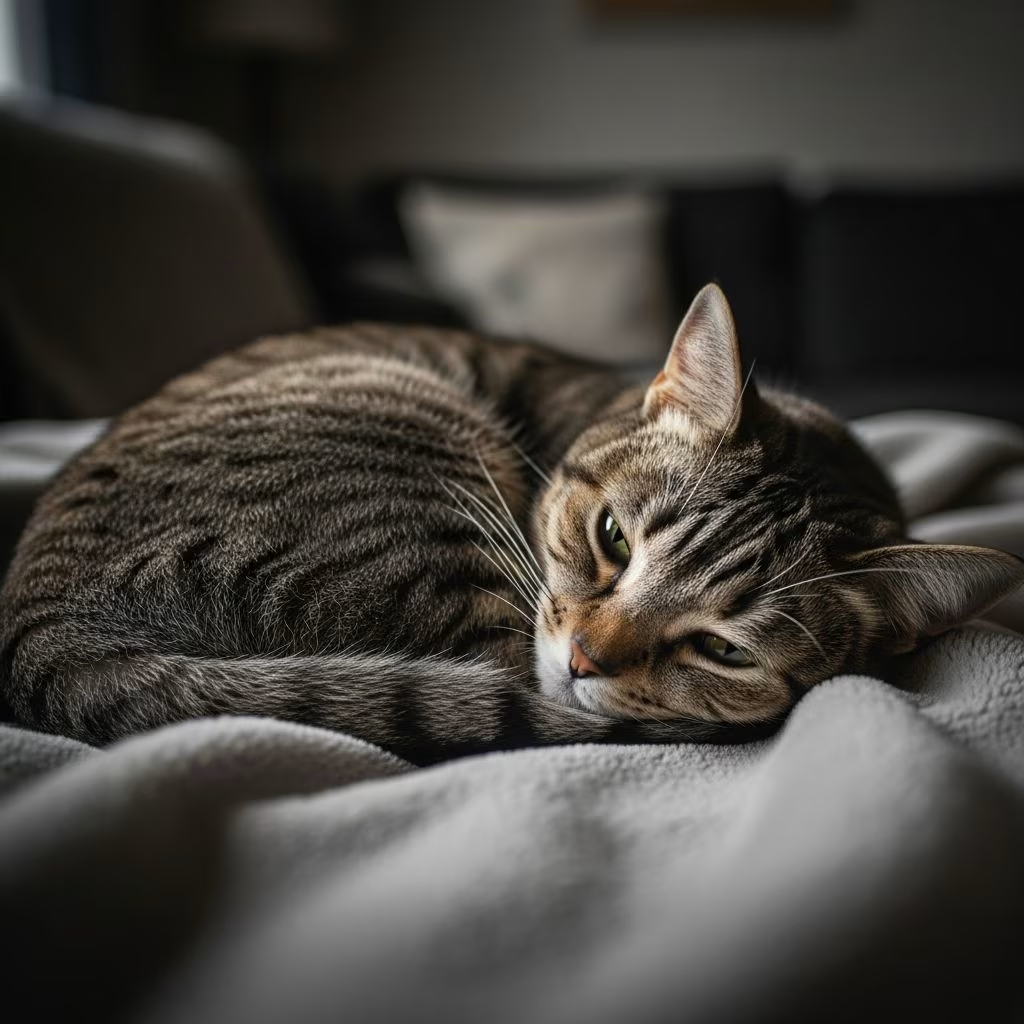
Understanding Lethargy in Cats
Lethargy in cats is an abnormal decrease in activity and alertness that goes beyond normal feline behavior. Unlike the typical daytime sleeping that cats are known for, lethargy represents a significant change in your pet’s energy levels, engagement, and overall behavior. When a cat is lethargic, they may show withdrawal from family members, neglect their grooming habits, sleep excessively, and display a general lack of interest in activities they normally enjoy. This condition is often the body’s way of signaling that something is amiss, whether it’s a minor health issue or a more serious underlying medical condition.
Understanding the difference between normal feline behavior and genuine lethargy is crucial for pet owners. Cats are naturally inclined to rest for extended periods, but a lethargic cat will show obvious signs of disinterest in their environment and may respond minimally to stimulation that would normally capture their attention. Recognizing these changes early can be the key to catching health problems before they become severe.
Common Medical Causes of Lethargy in Cats
Infectious Diseases
Infections represent one of the most common causes of lethargy in cats. When your cat’s immune system fights off bacteria, viruses, or other infectious organisms, it requires tremendous energy, leaving the animal feeling weak and exhausted. Feline upper respiratory infections, feline leukemia virus (FeLV), and feline immunodeficiency virus (FIV) are particularly known for causing lethargy. Cats suffering from these infections may also exhibit additional symptoms such as fever, sneezing, nasal discharge, or loss of appetite. Even something as routine as a recent vaccination can cause temporary lethargy as your cat’s immune system mounts a response, typically lasting just a day or two.
Blood and Oxygen-Related Conditions
Anemia, a condition characterized by insufficient healthy red blood cells, can result in extreme fatigue in cats. Since red blood cells are responsible for carrying oxygen throughout the body—oxygen that is essential for energy production—cats without adequate red blood cells will inevitably feel lethargic. Cats with anemia may display pale gums, reduced appetite, and a noticeable decline in activity levels. The causes of feline anemia are varied and can include chronic illness, parasitic infections, internal bleeding, and immune system disorders.
Similarly, heart disease and respiratory conditions can compromise oxygen delivery to the body. When the heart isn’t pumping blood efficiently or the lungs can’t adequately move oxygen into the bloodstream, lethargy naturally follows as cells throughout the body lack the oxygen needed to produce energy.
Organ Disease and Dysfunction
Kidney disease and liver disease are particularly common in older cats and frequently cause lethargy. When these vital organs fail to function properly, waste products accumulate in the bloodstream, disrupting normal chemical processes and making cats feel profoundly unwell. Chronic kidney disease (CKD) is especially prevalent in senior felines and can be detected through increased thirst, frequent urination, weight loss, and vomiting alongside lethargy. Early detection and proper management of these conditions can significantly improve your cat’s quality of life.
Endocrine and Metabolic Disorders
Hormonal abnormalities such as diabetes and hyperthyroidism can dramatically affect your cat’s energy levels. When hormone levels deviate from normal ranges, physiologic processes throughout the body become disrupted, causing cats to feel sick and lethargic. These conditions often require ongoing management but are very treatable with proper veterinary care.
Parasites and Toxins
Parasitic infections can both transmit diseases and directly harm your cat’s body. For example, flea infestations can remove so much blood that a cat becomes anemic. Additionally, exposure to toxins or venomous stings and bites can cause pain, tissue damage, and disruption of normal physiologic functions, all contributing to lethargy.
Gastrointestinal and Nutritional Issues
Poor digestion, nutrient malabsorption, constipation, inflammatory bowel disease (IBD), and food intolerances can all contribute to lethargy. Cats require proper nutrition to maintain energy levels and overall health. A diet lacking essential nutrients such as protein, vitamins, and minerals can lead to weakness over time. Additionally, dehydration and electrolyte abnormalities prevent the body from producing the energy needed for normal function.
Cancer and Other Serious Conditions
Different types of cancer affect cats in distinct ways, but lethargy is a common clinical sign across diagnoses. Lower urinary tract problems, inflammatory diseases, and neurologic disorders affecting the brain can also result in persistent lethargy. These conditions require prompt veterinary diagnosis and treatment.
Medication Side Effects
Certain medications, including some anti-anxiety and pain-relieving drugs commonly prescribed to cats, can cause lethargy as a side effect. Always discuss potential side effects with your veterinarian when starting your cat on new medications.
Behavioral and Environmental Causes
Stress and Anxiety
Cats are sensitive creatures, and emotional distress can significantly impact their activity levels. Changes in environment, household dynamics, introduction of new pets, moving to a new home, or alterations in daily routine can trigger stress and anxiety. A stressed cat may hide more frequently, eat less, and lose interest in playtime. This behavioral lethargy is real and requires attention to your cat’s emotional well-being.
Lack of Mental and Physical Stimulation
Indoor cats need both mental and physical stimulation to stay active and engaged. Boredom from insufficient play opportunities, environmental enrichment, or social interaction can make cats appear lethargic. Cats are inherently social creatures, and prolonged isolation or lack of interaction can drain their energy and motivation.
Environmental Factors
Extreme temperatures can also affect your cat’s energy levels. Overheating or exposure to excessively cold conditions can drain a cat’s energy reserves, resulting in lethargy and reduced activity.
Age-Related Considerations
While lethargy can affect cats at any age, certain age groups are more vulnerable. Kittens and senior cats tend to have fewer physical reserves and are more fragile than cats in their prime years. This means lethargy may develop more quickly or be more severe in very young or very old felines. If you notice changes in your kitten’s or senior cat’s activity levels, it’s important to seek veterinary evaluation promptly.
Recognizing Symptoms of Lethargy
Beyond the obvious decrease in activity, lethargic cats may display several warning signs:
- Excessive sleeping or loss of interest in normal activities
- Loss of appetite or reduced food intake
- Weight loss
- Vomiting or diarrhea
- Difficulty breathing or labored respiration
- Pale or discolored gums
- Sudden behavioral changes
- Withdrawal from family members
- Reduced grooming and self-care
- Excessive vocalization or unusual sounds
When to Seek Immediate Veterinary Care
While some cases of lethargy may resolve with time, certain situations require urgent veterinary attention. You should contact your veterinarian immediately if your cat experiences:
- Sudden loss of appetite combined with other symptoms
- Extreme weakness or collapse
- Sudden inability or difficulty urinating
- Extreme lethargy lasting more than a few hours
- Lethargy accompanied by vomiting, diarrhea, or fever
- Difficulty breathing or wheezing
- If your cat hasn’t eaten for 24 hours or longer
These symptoms may indicate serious medical conditions requiring prompt diagnosis and treatment. Early intervention can make a significant difference in your cat’s health outcomes and recovery.
Home Care and Supportive Treatment
Once your veterinarian has determined the underlying cause of your cat’s lethargy, you can work together to develop an appropriate treatment plan. While medical intervention is often necessary, several supportive measures can help keep your kitty comfortable at home:
Environmental Modifications
- Place cat beds on the floor and provide cat stairs or ramps to their favorite elevated places for easier access
- Create a calm, stress-free environment by minimizing loud noises and household disruptions
- Use Feliway® calming pheromone diffusers to reduce anxiety and stress
- Maintain consistent daily routines to provide security and predictability
Nutritional Support
- Ensure your cat has access to high-quality, age-appropriate nutrition
- Lethargic Cats: Causes, Symptoms, and What To Do — PetMD. 2024. https://www.petmd.com/cat/symptoms/why-my-cat-lethargic
- Common Reasons That Your Cat is Acting Lethargic — Frontier Veterinary Urgent Care. 2024. https://frontierveturgentcare.com/blog/cat-is-acting-lethargic/
- Lethargy in Cats: Causes, Symptoms, and Solutions — Holistapet. 2024. https://www.holistapet.com/blogs/cat-care/lethargic-cat
- Lethargy — The Cat Clinic and Hospital. 2024. https://www.catclinic.net/lethargy
- Cat Suddenly Lethargic and Weak: Causes & Treatment — Cats.com. 2024. https://cats.com/sudden-lethargy-in-cats
itz inactive code ongoing … truncated for brevity …



