

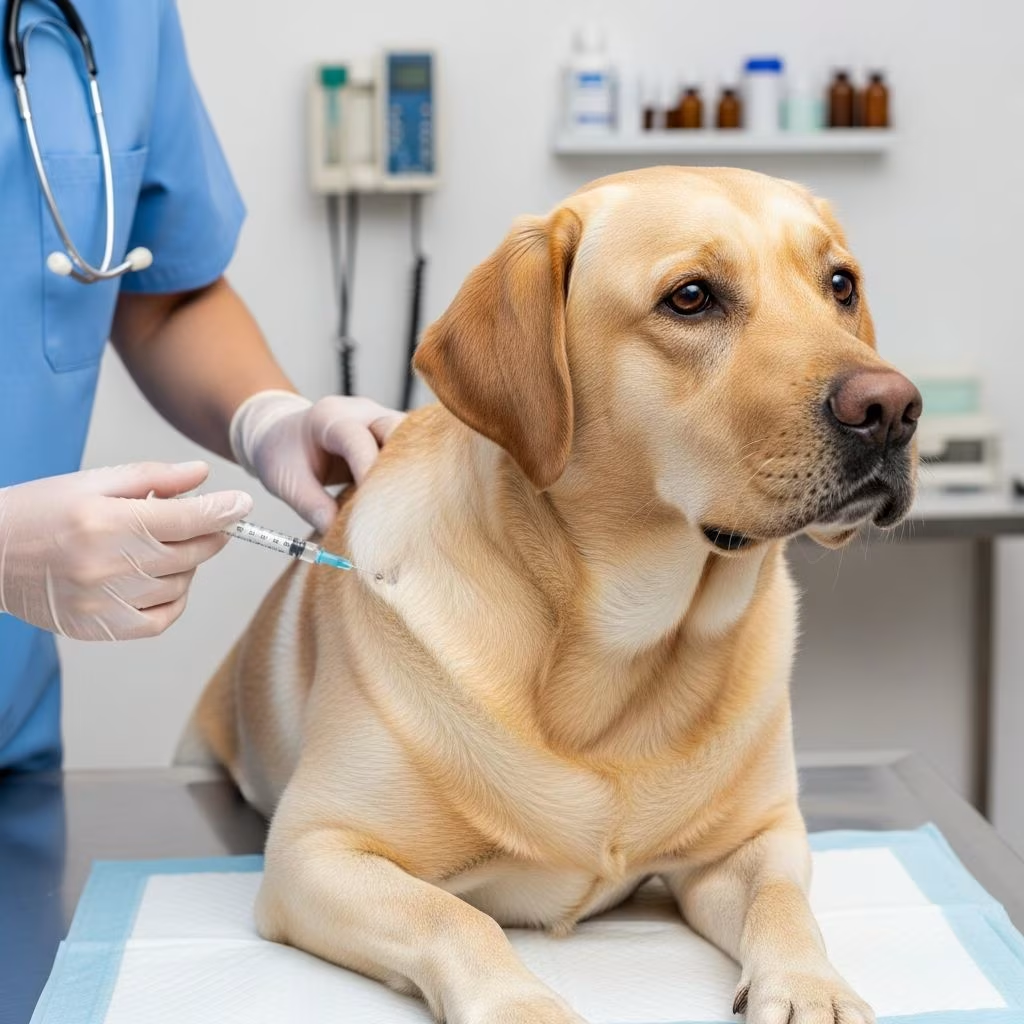
The leptospirosis vaccine has emerged as a cornerstone of modern canine preventive medicine, shifting from optional to core status in recent veterinary guidelines. This change reflects growing evidence of the disease’s ubiquity and severity across dog populations.
Understanding Leptospirosis: A Hidden Danger
Leptospirosis is a bacterial infection caused by Leptospira species, thriving in contaminated water and soil. Dogs contract it through contact with infected urine from wildlife or other animals, making it a zoonotic threat transmissible to humans. Recent data shows infections in puppies as young as 11 weeks, small urban breeds, and geriatric dogs alike, debunking myths of low risk for indoor or city pets.
Symptoms range from mild fever to life-threatening kidney and liver failure. Early detection relies on advanced diagnostics like PCR and IgM assays, which confirm active infection with high specificity in unvaccinated dogs.
Why the Vaccine Status Changed to Core
Traditionally non-core, the leptospirosis vaccine gained core designation in the AAHA 2022 Canine Vaccination Guidelines, endorsed by ACVIM and WSAVA. ACVIM’s 2023 consensus urges annual vaccination from 12 weeks for all dogs, citing endemic prevalence and vaccine improvements.
WSAVA’s 2024 guidelines recommend it as core where the disease is endemic and 4-serovar vaccines are available, expanding protection beyond high-risk groups. This evolution stems from better manufacturing reducing reactions and multivalent vaccines targeting prevalent North American serovars.
Vaccination Protocols: What Dog Owners Need to Know
Current 4-serovar vaccines protect against the most common strains, outperforming older 2-serovar versions. Administer two initial doses 2-4 weeks apart starting at 12 weeks, followed by annual boosters.
- Puppies: Integrate into the final two vaccine visits at 12-16 weeks.
- Adults: Two doses if unvaccinated; annual thereafter.
- Overdue boosters: Single dose if within 2 years; restart series if longer.
Experts like those from ACVIM advise against routine splitting from other vaccines, as reaction risks match standard shots. Discuss schedules with your vet, especially for boarding requirements now mandating lepto shots.
Safety Profile of Modern Lepto Vaccines
Second-generation vaccines show fewer adverse reactions than predecessors. Studies confirm no elevated risk compared to other vaccines, thanks to refined production. Mild lethargy or swelling may occur, but severe events are rare.
| Vaccine Type | Serovars Covered | Reaction Rate | Recommended For |
|---|---|---|---|
| 4-Serovar (Current) | Canicola, Grippotyphosa, Icterohaemorrhagiae, Pomona | Low, comparable to core vaccines | All dogs annually |
| 2-Serovar (Outdated) | Limited strains | Higher in past formulations | Not recommended |
Vets emphasize zoonotic risks justify broad use, protecting households.
Recognizing and Managing Leptospirosis Infections
If unvaccinated, watch for fever, jaundice, bloody urine, or lethargy. Confirm with lab tests; treat promptly with doxycycline (5 mg/kg q12h PO for 2 weeks). Alternatives like ampicillin suit vomiting cases.
Supportive care includes fluids and kidney monitoring. Prognosis improves with early intervention, but delays can lead to acute kidney injury.
Risk Factors Across Lifestyles and Regions
- Urban dogs: Contaminated stormwater, parks expose small breeds.
- Rural areas: Wildlife reservoirs like rodents amplify spread.
- All ages/breeds: No safe havens; indoor dogs at risk via yards.
- Seasonal peaks: Warm, wet conditions favor bacteria survival.
Prevalence data underscores universal vulnerability, driving guideline shifts.
Prevention Beyond Vaccination
Vaccines offer primary defense, but avoid standing water, rodent-infested areas, and unvaccinated dogs. Post-exposure doxycycline prophylaxis may help high-risk cases. Regular vet checkups ensure compliance.
Boarding facilities increasingly require proof, aligning with ACVIM mandates.
FAQs on Leptospirosis Vaccination
Q: Is the lepto vaccine safe for puppies?
A: Yes, start at 12 weeks with two doses; modern formulations are well-tolerated.
Q: Do indoor dogs need it?
A: Absolutely—urban exposure via yards or walks poses risks.
Q: How often to revaccinate?
A: Annually, per ACVIM; some protocols allow flexibility based on risk.
Q: Can it cause reactions?
A: Rare and mild; no higher than other vaccines.
Q: Is lepto zoonotic?
A: Yes, handle urine carefully; vaccinate to protect family.
Public Health Implications and Zoonotic Concerns
As a zoonosis, canine leptospirosis endangers humans, especially immunocompromised. Vaccination curbs transmission chains. Vets should use PPE during exams. Community-wide uptake reduces incidence, as seen historically with prior vaccine eras.
Future Directions in Lepto Research
Ongoing studies refine durations, broader serovar coverage, and diagnostics. ACVIM calls for more data on treatment lengths and vaccine efficacy. Stay informed via trusted veterinary sources.
In summary, the leptospirosis vaccine’s core status empowers owners to safeguard pets proactively. Consult your veterinarian to tailor a plan today.
References
- Leptospirosis vaccination recommended to be core for most dogs — AAHA. 2022. https://www.aaha.org/newstat/publications/leptospirosis-vaccination-recommended-to-be-core-for-most-dogs/
- Vaccines & Vaccination: Updates & Insights — Richard B. Ford, DVM, Oregon VMA. N/A. https://www.oregonvma.org/sites/default/files/Ford-Vaccines-Vaccination.pdf
- Updated ACVIM consensus statement on leptospirosis in dogs — PMC/NCBI. 2023-10. https://pmc.ncbi.nlm.nih.gov/articles/PMC10658540/
- Leptospirosis: What Every Dog Owner Should Know — Michigan State University CVM. N/A. https://cvm.msu.edu/vdl/client-education/guides-for-pet-owners/leptospirosis-what-every-dog-owner-should-know
- Updated guidance on canine leptospirosis reflects better understanding of disease — AVMA. N/A. https://www.avma.org/news/updated-guidance-canine-leptospirosis-reflects-better-understanding-disease



