

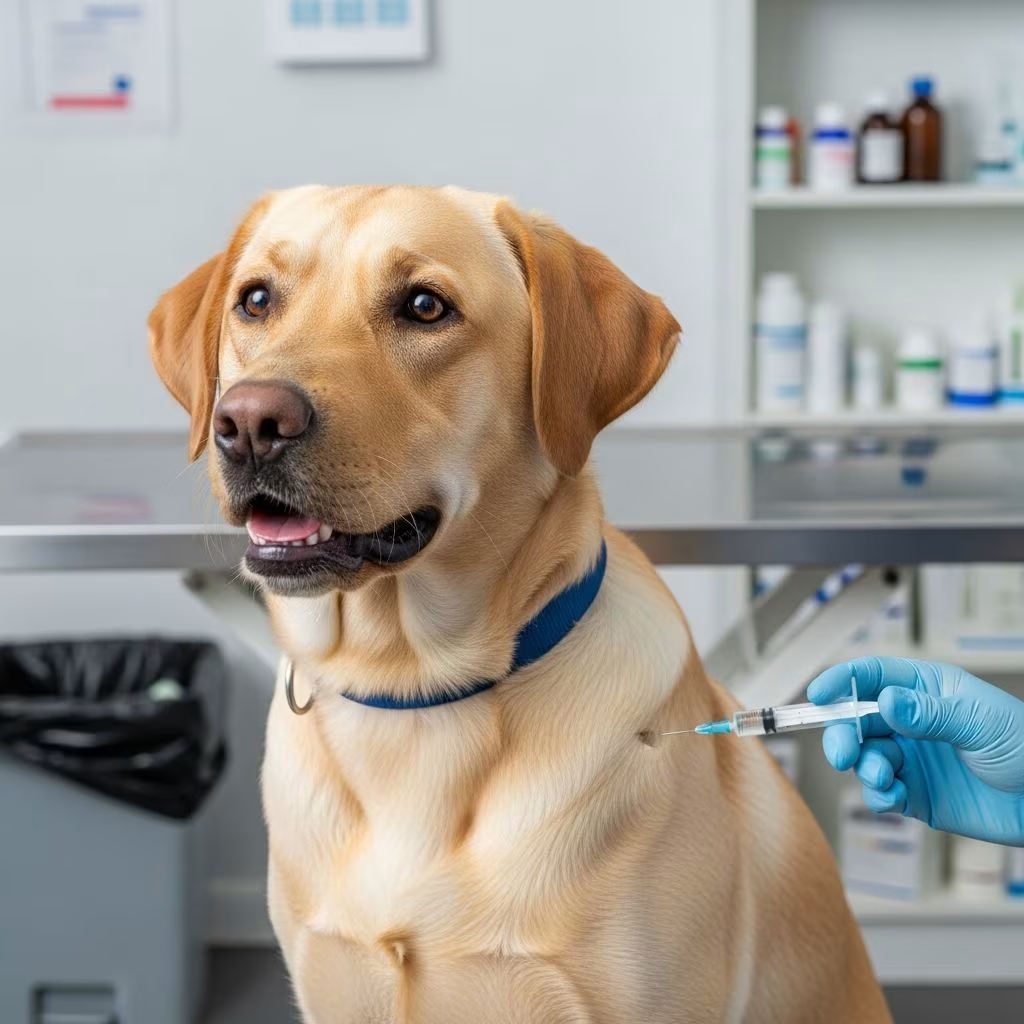
The leptospirosis vaccine stands as a critical defense for dogs against a widespread bacterial infection that poses severe health risks and can transmit to humans. This guide delves into the disease’s nature, vaccination protocols, safety considerations, and practical advice for dog owners to ensure comprehensive protection.
Understanding Leptospirosis in Canine Populations
Leptospirosis arises from spirochete bacteria in the Leptospira genus, notably L. interrogans and L. kirschneri, with various serovars driving infections that differ by region and time.Key serovars like Canicola, Icterohaemorrhagiae, Pomona, Grippotyphosa, Bratislava, and Autumnalis are prevalent in North America, evolving from earlier dominants to include these newer threats.
Dogs contract the illness primarily through contact with urine from infected animals, contaminating soil, puddles, or standing water—even in urban settings where wildlife roams. This ubiquity means no dog is truly safe, making the disease endemic across much of the continent and a zoonotic concern for households.
Symptoms range from mild fever and lethargy to devastating kidney failure, liver damage, vomiting, and hemorrhage. Without prompt treatment, mortality rates climb, especially in acute cases. Early detection via clinical signs and lab tests is vital, but prevention trumps cure.
Why Vaccination is Now a Core Recommendation
Veterinary authorities like the American Animal Hospital Association (AAHA) and American College of Veterinary Internal Medicine (ACVIM) classify leptospirosis vaccination as core for all dogs, shifting from lifestyle-based advice due to rising incidence and broad exposure risks.
- Endemic presence in peri-urban and suburban areas heightens everyday threats.
- Zoonotic potential endangers families, particularly those with children or immunocompromised members.
- Outbreaks occur regularly, underscoring the need for routine immunity.
Quadrivalent vaccines target the four most relevant U.S. serovars: Canicola, Grippotyphosa, Icterohaemorrhagiae, and Pomona, offering broader coverage than older bivalent options, which are no longer advised.
Standard Vaccination Protocols and Timing
Initial vaccination requires two doses spaced 2-4 weeks apart, starting as early as 6-12 weeks of age for healthy puppies. Annual boosters follow to sustain protection, with duration of immunity typically 12-18 months per serovar.
| Age/Group | Initial Series | Booster | Notes |
|---|---|---|---|
| Puppies (6+ weeks) | 2 doses, 2-4 weeks apart | Annually | Start at 12 weeks to minimize reactions. |
| Adult dogs (new to vaccine) | 2 doses, 2-4 weeks apart | Annually | Integrate with wellness exams. |
| Overdue (>2 years) | Restart 2-dose series | Annually | Avoid single-dose revival. |
| Current on schedule | N/A | Annual single dose | Track via vet apps or records. |
Brands like Vanguard L4 protect from 6 weeks and combine with core vaccines like DAPP for efficiency. Always consult your vet for tailored plans, especially for travel or boarding requirements.
Modern Vaccine Safety and Reaction Management
Early leptospirosis vaccines faced scrutiny for reactions, but reformulations—using killed bacterins, reduced proteins via microfiltration, and non-adjuvanted options—have slashed risks dramatically. Adverse events occur in fewer than 53 per 10,000 doses, mostly mild, with anaphylaxis no higher than other vaccines.
- Smaller, younger dogs face slightly elevated risks; delay first dose to 12 weeks if possible.
- Minimize multi-vaccine visits and warm shots to room temperature.
- Post-vaccination monitoring: Watch for swelling, hives, or lethargy; seek immediate care for breathing issues.
These improvements make vaccination safer and more tolerable, justifying its universal status.
Preventive Strategies Beyond Vaccination
While vaccines are primary, complementary measures bolster defense:
- Avoid letting dogs drink from or wade in stagnant water, puddles, or wildlife-frequented areas.
- Rodent control around homes reduces reservoir hosts like raccoons and rats.
- Post-exposure antibiotics may help if high-risk contact occurs, but they’re not substitutes for immunity.
- Annual wellness checks ensure timely boosters and early issue detection.
Public health vigilance matters too: Disinfect contaminated areas and practice good hygiene after outdoor play.
Regional Risks and Serovar Variations
Leptospirosis hotspots vary; for instance, Pomona and Grippotyphosa surge in certain U.S. regions. Quadrivalent vaccines address these shifts, but local vets can provide incidence data for personalized risk assessment.
Traveling dogs may need proof of vaccination for international moves, reinforcing its non-optional status.
Common Owner Questions Answered
Is leptospirosis vaccine necessary for indoor dogs? Yes, as bacteria persist in urban environments via wildlife urine.
How effective are current vaccines? They confer strong protection against targeted serovars, though heterologous strains may show partial response; annual dosing maintains levels.
What if my dog has a reaction? Mild cases resolve with Benadryl; severe ones require epinephrine—always inform your vet of history.
Can vaccinated dogs still get lepto? Rare, but possible; consider differentials first in immune dogs.
Is it safe for puppies? Yes, from 6 weeks with select products; discuss with your provider.
Partnering with Your Veterinarian
Regular dialogues ensure optimal protocols. Track records digitally for easy sharing with sitters or facilities. By prioritizing this vaccine, owners avert tragedy and contribute to community herd immunity.
Leptospirosis vaccination exemplifies proactive care in an era of evolving threats, securing healthier lives for dogs and their humans alike.
References
- The Leptospirosis Vaccine for Dogs: What Every Owner Should Know — Modern Animal. 2023. https://www.modernanimal.com/blog/leptospirosis-vaccine
- Leptospirosis Vaccination – A Core Requirement for Canine — Zoetis. 2022. https://www.zoetisus.com/content/_assets/docs/PDFs/ZPN/leptospirosis-vaccination-a-core-requirement-for-canine-SAB-01112.pdf
- Key Vaccination: Leptospirosis – AAHA 2022 Canine Vaccination Guidelines — American Animal Hospital Association (AAHA). 2022. https://www.aaha.org/resources/2022-aaha-canine-vaccination-guidelines/leptospirosis/
- Vaccines & Vaccination: Updates & Insights — Oregon Veterinary Medical Association (Richard B. Ford, DVM). 2023. https://www.oregonvma.org/sites/default/files/Ford-Vaccines-Vaccination.pdf
- Leptospirosis: What Every Dog Owner Should Know — Michigan State University College of Veterinary Medicine. 2024. https://cvm.msu.edu/vdl/client-education/guides-for-pet-owners/leptospirosis-what-every-dog-owner-should-know
- Updated guidance on canine leptospirosis reflects better understanding of disease — American Veterinary Medical Association (AVMA). 2023. https://www.avma.org/news/updated-guidance-canine-leptospirosis-reflects-better-understanding-disease



