

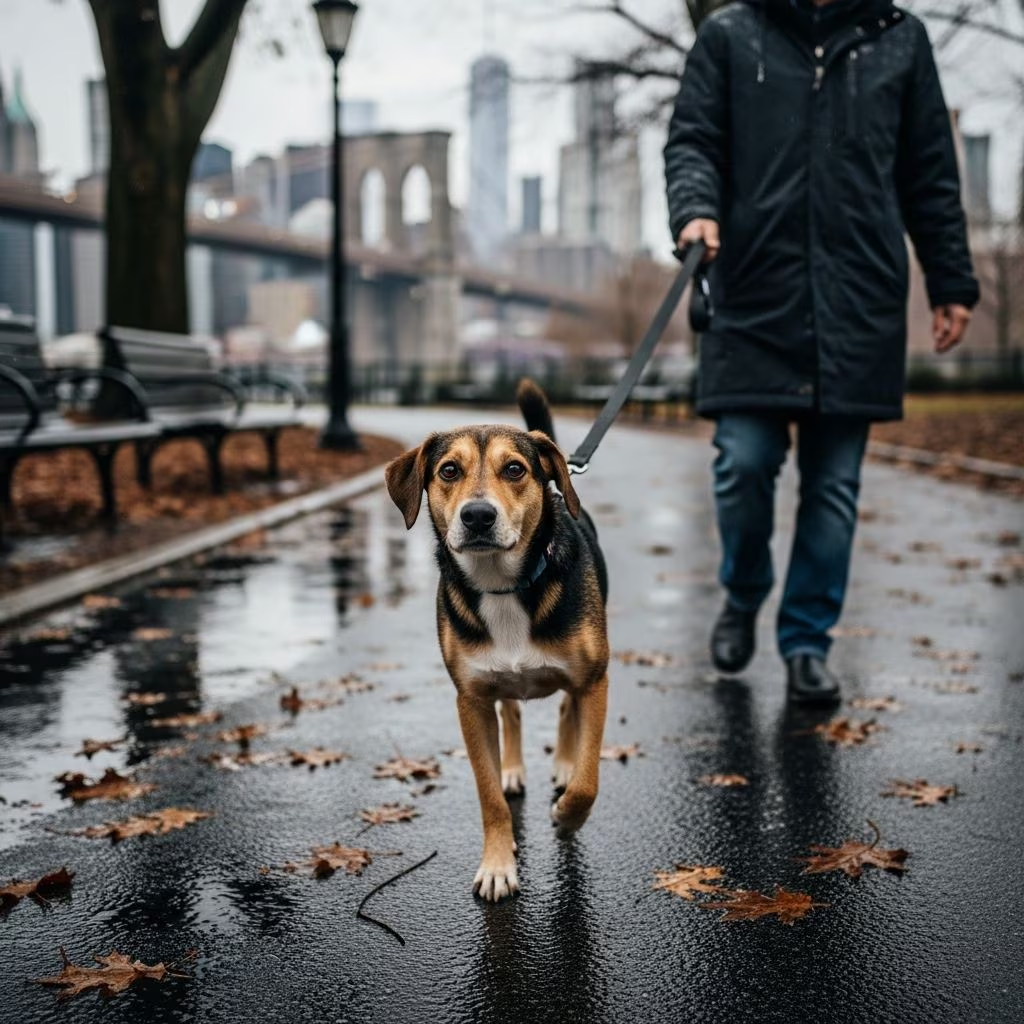
Leptospirosis represents a growing health challenge for dogs in New York City, with cases climbing steadily due to urban rat populations and changing weather patterns. In 2024, the city recorded 33 confirmed canine infections, highlighting the need for pet owners to prioritize prevention.
The Hidden Danger Lurking in Urban Environments
This bacterial illness, caused by Leptospira species, spreads primarily through contact with urine from infected animals like rats, raccoons, and opossums. In densely populated NYC, contaminated puddles, soil, and standing water after rains become prime transmission points. Dogs inadvertently exposed during walks or play risk severe organ damage, including kidney and liver failure.
Historical data reveals a troubling upward trend. Surveillance since 2006 shows infections across all boroughs, with peaks in late summer and early fall. Recent years mark sharp rises: 20 cases in 2022, 32 in 2023, and 33 in 2024. Brooklyn and Queens led with 10 cases each last year, followed by Manhattan (4), Staten Island (3), and the Bronx (2).
Why Cases Are Surging: Rats, Weather, and Urban Density
Rats stand as the primary culprits in NYC, carrying dominant strains like Icterohaemorrhagiae and Bratislava. Owners of 84% of interviewed 2024 cases reported spotting rodents nearby, often within half a mile of home. Climate shifts exacerbate this: warmer temperatures and heavy rains prolong bacterial survival in puddles, defying the pathogen’s fragility to heat or cold.
Human cases parallel this rise, with 33 reports in 2024 versus 24 in 2023, mostly tied to rat urine exposure in homes or work sites. Though dog-to-human transmission remains unreported, the shared environment underscores citywide vigilance.
| Borough | 2024 Cases | 2023 Cases | Peak Month |
|---|---|---|---|
| Brooklyn | 10 | N/A | August |
| Queens | 10 | N/A | August |
| Manhattan | 4 | N/A | Year-round |
| Staten Island | 3 | N/A | Year-round |
| Bronx | 2 | N/A | Year-round |
Note: Data from NYC Health Department 2024 summary; N/A indicates specific prior-year borough breakdowns unavailable in reports.
Recognizing the Signs: Early Detection Saves Lives
Symptoms emerge 4-12 days post-exposure, varying from mild fever and lethargy to acute crises. Watch for:
- Vomiting and diarrhea, sometimes bloody
- Jaundice (yellowing of gums/eyes)
- Increased thirst and urination
- Weakness, muscle pain, or refusal to eat
- In severe cases, seizures or collapse
Median affected dogs are 6 years old, mostly male and neutered/spayed. Of 2024 cases, 27% died or were euthanized, often unvaccinated. Survivors averaged 5-day hospital stays, with treatments like antibiotics and IV fluids.
Diagnosis involves blood/urine tests for antibodies or bacterial DNA. Veterinarians must report positives to NYC Health, aiding surveillance.
Proven Prevention Tactics for City Pet Owners
Shielding your dog demands proactive steps amid NYC’s risks.
Vaccination: The Frontline Defense
The American Animal Hospital Association now lists the leptospirosis vaccine as core, especially for urban dogs. Shockingly, none of 23 2024 cases with known history were vaccinated. Consult your vet for the four-serovar vaccine, given annually after initial boosters. It slashes infection risk but doesn’t cover all strains, so pair with other measures.
Daily Habits to Minimize Exposure
- Avoid contaminated water: Steer clear of puddles, flooded areas, or slow streams post-rain.
- Rodent control: Secure trash, seal entry points, and use professional pest services.
- No wildlife feeding: Discourage rats and carriers by not leaving food out.
- Leash walks: Prevent sniffing or rolling in high-risk spots like parks with rodent activity.
- Yard upkeep: Clear debris, fix leaks, and mow regularly.
Understanding the Bacterium: Biology and Transmission
Leptospira interrogans and related species are spiral-shaped bacteria thriving in moist, warm conditions. They enter via cuts, mucous membranes, or ingestion. Rats shed chronically without illness, contaminating NYC’s sewers, subways, and streets. Other vectors include wildlife, but urban rodents dominate.
Peak transmission follows floods, as seen in early 2022 cases. Bacteria perish quickly in dry or frozen settings, but climate-driven warmth sustains them year-round, explaining off-season diagnoses.
Treatment Options: Act Swiftly for Best Outcomes
If suspected, rush to a vet. Antibiotics like doxycycline target early infection; severe cases need hospitalization for dialysis if kidneys fail. Supportive care addresses dehydration and organ stress. Prompt action boosts survival, but delays prove fatal.
City Resources and Reporting Protocols
NYC Health tracks cases via vet/lab reports, mapping hotspots by ZIP code since 2006. Owners: Report suspicions and check their leptospirosis page for trends. Free materials available via 311.
Frequently Asked Questions (FAQs)
Is leptospirosis contagious between dogs?
Rarely; infected dogs shed briefly if unvaccinated. Isolate and treat promptly.
Can my vaccinated dog still get lepto?
Vaccines protect against common strains but not all; risk drops significantly.
How do I know if my area is high-risk?
Use NYC Health maps; rodent sightings signal danger.
What about indoor dogs?
They aren’t immune—contaminated shoes or puddles indoors pose risks.
Does leptospirosis affect puppies?
Yes; cases as young as 2 months reported.
Future Outlook: Battling a Changing Threat
With rat populations booming and wetter weather forecast, expect more cases. Pet owners, vets, and officials must collaborate: vaccinate widely, control pests, and educate. Your vigilance keeps dogs thriving in the city.
References
- New York City’s Leptospirosis Problem and How to Protect Your Dog — Animal Medical Center New York. 2024-01-10. https://www.amcny.org/blog/2024/01/10/new-york-citys-leptospirosis-problem-and-how-to-protect-your-dog/
- 2025 Veterinary Advisory #10: Summary of 2024 Canine Leptospirosis Surveillance in New York City — NYC Department of Health and Mental Hygiene. 2025-12-03. https://www.nyc.gov/assets/doh/downloads/pdf/zoo/25vet-10-canine-leptospirosis.pdf
- Canine Leptospirosis — NYC Health Department. Accessed 2026. https://www.nyc.gov/site/doh/providers/health-topics/canine-leptospirosis.page
- Health Alert Network Advisory #10: Continued Increase in Leptospirosis Cases in New York City — NYC Department of Health and Mental Hygiene. 2024. https://www.nyc.gov/assets/doh/downloads/pdf/han/advisory/2024/han-advisory-10.pdf
- Canine Leptospirosis — Cornell University College of Veterinary Medicine Riney Canine Health Center. Accessed 2026. https://www.vet.cornell.edu/departments-centers-and-institutes/riney-canine-health-center/canine-health-topics/canine-leptospirosis



