

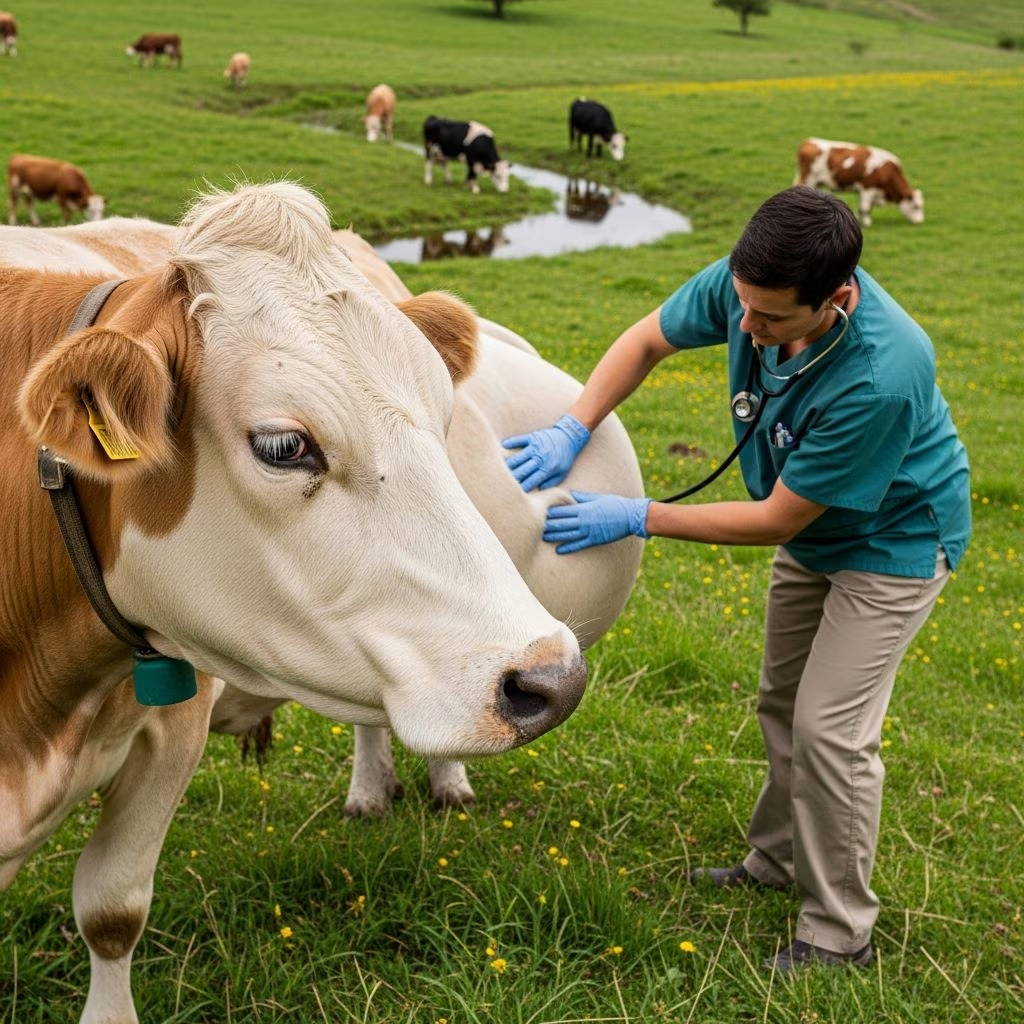
Leptospirosis stands as one of the most significant bacterial infections affecting ruminant species, including cattle, sheep, and goats. Caused by various serovars of Leptospira bacteria, this zoonotic disease poses risks not only to animal welfare but also to human health through direct contact or contaminated environments. Ruminants, particularly cattle, serve as key hosts for certain strains, leading to persistent infections that impact reproduction, milk production, and overall herd productivity. Understanding the nuances of this disease is crucial for veterinarians, farmers, and livestock managers aiming to safeguard their operations.
The Bacterial Culprits Behind Ruminant Leptospirosis
Leptospira species are spirochete bacteria thriving in warm, moist environments. Pathogenic strains infect ruminants either as adapted hosts or incidental invaders. In cattle, serovars like Leptospira borgpetersenii serovar Hardjo are host-adapted, establishing long-term kidney colonization and chronic shedding in urine. Other serovars, such as L. interrogans (e.g., Pomona, Icterohaemorrhagiae), act as incidental pathogens, causing acute illness upon exposure.
Transmission occurs primarily through urine-contaminated water, soil, or feed. Infected animals shed bacteria for months, contaminating pastures during wet seasons. Wildlife like rodents and pigs amplify spread, while poor biosecurity exacerbates outbreaks in intensive farming systems. Sheep and goats face similar risks, though clinical disease is less frequent than in cattle.
Clinical Manifestations in Affected Herds
Symptoms vary by serovar, animal age, and infection stage. Acute infections often present with fever, lethargy, and hemolytic crisis in calves, marked by red urine, jaundice, and anemia. In adult ruminants, signs are subtler: transient milk drop, agalactia, or mastitis with blood-tinged secretions.
- Reproductive losses: The hallmark of chronic leptospirosis, including mid- to late-term abortions, stillbirths, weak calves, and infertility due to endometritis.
- Milk production decline: Sudden drops in yield, lasting weeks, with occasional bloody milk.
- Systemic effects: Occasional icterus, hemoglobinuria, or meningitis in severe cases.
In beef cattle, outbreaks link to grazing flooded pastures, resulting in herd-wide reproductive failure. Dairy operations note persistent low-level shedding, undermining economic viability.
Accurate Diagnosis: Tools for Confirmation
Timely diagnosis hinges on integrating clinical history, serology, and molecular tests. Bulk milk ELISA screens dairy herds for exposure, pooling samples from heifers for surveillance.
| Method | Advantages | Limitations |
|---|---|---|
| Serology (MAT, ELISA) | Detects antibodies; herd screening | Doesn’t distinguish current from past infection |
| PCR | Direct pathogen detection in urine/tissue | Requires fresh samples; lab-dependent |
| Culture | Gold standard for serovar ID | Slow (weeks); low sensitivity |
Microscopic agglutination test (MAT) identifies specific serovars but needs paired sera. PCR on kidney or urine offers rapid results, essential during outbreaks.
Effective Treatment Protocols for Infected Animals
Antibiotics target active infections and carrier states, preventing spread. Streptomycin (25 mg/kg IM, single dose) clears renal carriage in most cattle, recommended for milk-drop cases to curb zoonotic risk. Alternatives include oxytetracycline, tulathromycin, and ceftiofur, effective against reproductive leptospirosis.
For acute outbreaks, whole-herd therapy with long-acting tetracyclines reduces abortions. Supportive care addresses dehydration, mastitis, or secondary infections. Early intervention minimizes losses, though treated animals may require monitoring for relapse.
Treatment not only resolves clinical signs but also halts environmental contamination, protecting naive herd mates.
Vaccination Strategies: The Cornerstone of Prevention
Vaccination offers the most cost-effective control, administered biannually—ideally before breeding season and spring rains. Polyvalent vaccines target common serovars like Hardjo, Pomona, and Grippotyphosa, reducing clinical disease and shedding, though not always preventing kidney colonization.
Heifers receive initial doses pre-service, with annual boosters. In endemic areas, vaccinate replacements post-quarantine. Vaccine failures underscore the need for herd immunity via 80-90% coverage.
Biosecurity and Management Reforms
Control demands holistic approaches beyond drugs and vaccines. Isolate new stock for three weeks, treating with streptomycin twice (10-14 days apart).
- Drain standing water and improve drainage on pastures.
- Limit wildlife access with fencing.
- Separate dry cows and heifers from mains herds.
- Monitor via quarterly bulk milk tests.
In closed herds, test-and-cull carriers. For beef operations, rotate grazing to break transmission cycles.
Zoonotic Implications for Handlers
Ruminant leptospirosis threatens farmers via urine splashes or contaminated fomites. L. Hardjo causes flu-like illness in humans, with abortion risks in pregnant women. Protective gear, prompt treatment of sick animals, and hygiene are vital.
Regional Variations and Emerging Challenges
Prevalence peaks in tropical/subtropical zones, correlating with rainfall. Climate change may expand ranges, heightening outbreak risks. Antimicrobial resistance, though rare, warrants surveillance. Integrating probiotics or novel therapies, inspired by human medicine, merits ruminant trials.
FAQs on Leptospirosis in Ruminants
What is the most common sign in dairy cows?
Blood-tinged milk and yield drops signal acute infection.
Can leptospirosis cause infertility?
Yes, chronic endometritis leads to repeat breeders and extended calving intervals.
Is vaccination 100% protective?
No, it reduces severity and spread but may not eliminate carriers; boosters are essential.
How to screen a herd?
Bulk milk ELISA or heifer pooling detects antibodies affordably.
What antibiotics work best?
Streptomycin for carriers; tetracyclines for outbreaks.
Future Directions in Control
Research explores marker vaccines distinguishing infected from vaccinated animals (DIVA). Genomic surveillance tracks serovar shifts, informing tailored programs. Farmer education on integrated strategies promises sustained reductions in incidence.
By combining vigilance, vaccination, and hygiene, producers can mitigate leptospirosis, ensuring resilient herds and profitable enterprises.
References
- Current treatment options for leptospirosis: a mini-review — PMC. 2024. https://pmc.ncbi.nlm.nih.gov/articles/PMC11081000/
- Leptospirosis in Ruminants — Merck Veterinary Manual. 2023-10-17. https://www.merckvetmanual.com/infectious-diseases/leptospirosis/leptospirosis-in-ruminants
- Leptospirosis: Causes, Symptoms, Diagnosis & Treatment — Cleveland Clinic. 2023. https://my.clevelandclinic.org/health/diseases/24021-leptospirosis
- Leptospirosis in Cattle — NADIS. 2024. https://www.nadis.org.uk/disease-a-z/cattle/leptospirosis-in-cattle/
- Leptospirosis in Cattle — Alabama Cooperative Extension System. 2022. https://www.aces.edu/blog/topics/beef/leptospirosis-in-cattle/
- Leptospirosis in Beef Cattle — University of Tennessee Beef & Forage Center. 2020-11. https://utbeef.tennessee.edu/wp-content/uploads/sites/127/2020/11/ASB304LeptospirosisinBeefCattle-FMH.pdf



