
Leptospirosis In Horses: Signs, Testing, And Prevention
Understand the risks, symptoms, diagnosis, treatment, and prevention strategies for leptospirosis in equine health management.
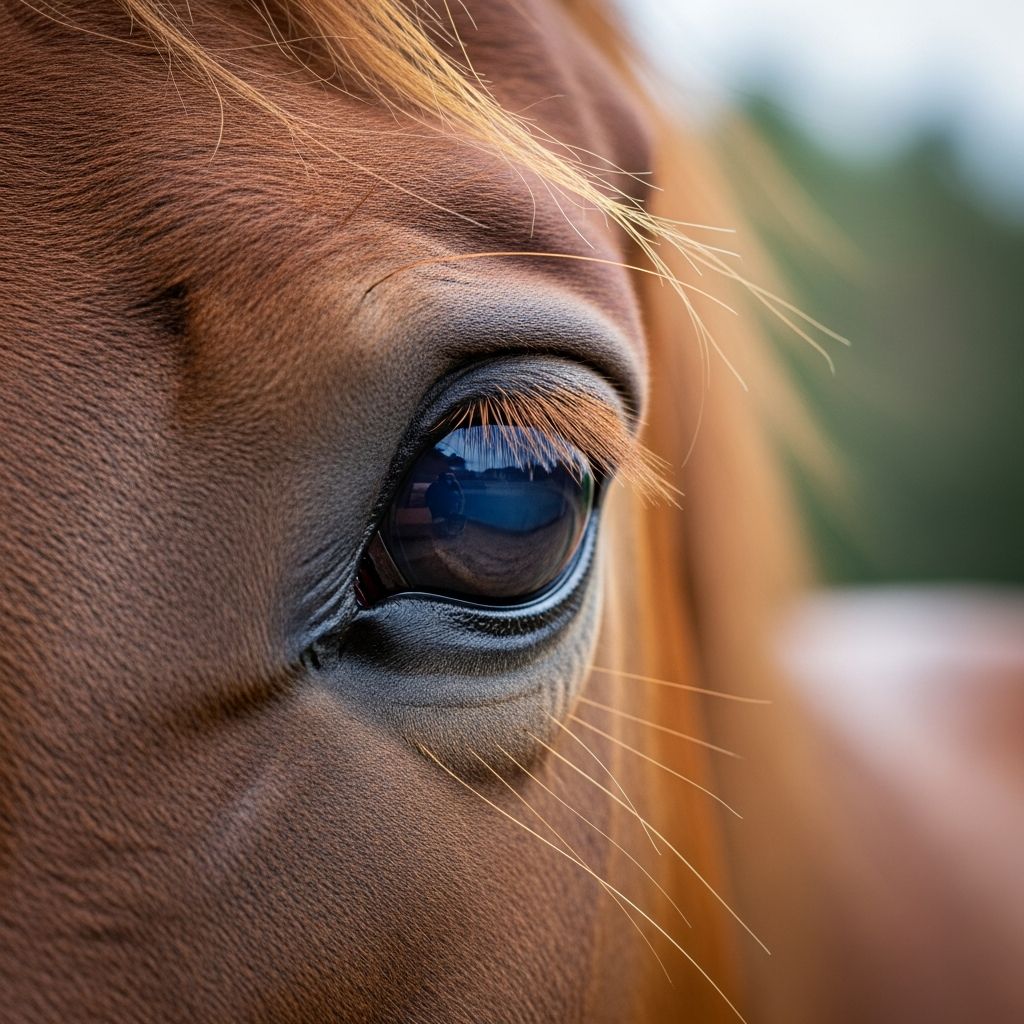
Leptospirosis represents a significant bacterial infection affecting horses, primarily caused by Leptospira species that thrive in contaminated environments. This zoonotic disease spreads through urine from infected animals, posing risks to equine health via kidney damage, eye inflammation, and reproductive losses. Horse owners must recognize its subtle onset to enable timely intervention.
Understanding the Pathogen and Transmission Pathways
The bacteria responsible belong to the genus Leptospira, spiral-shaped organisms that penetrate mucous membranes or skin abrasions. In horses, serovars like Pomona often play a role, entering via water sources, feed contaminated by wildlife urine, or direct contact with infected carriers such as rodents, cattle, or dogs. Warm, moist conditions favor bacterial survival, making flooded pastures or stagnant ponds high-risk areas.
Transmission occurs primarily through indirect means: horses ingest contaminated water or graze on urine-soaked vegetation. Direct exposure from infected animals is less common but possible in shared facilities. Carrier animals shed bacteria intermittently in urine, perpetuating environmental contamination. Studies indicate up to 45-50% of horses may encounter exposure over their lifetime, though clinical disease varies widely.
Clinical Manifestations and Disease Progression
Horses often show nonspecific initial signs, mimicking other infections. Common presentations include fever, lethargy, reduced appetite, and rapid breathing. Ocular involvement, termed equine recurrent uveitis (ERU) or moon blindness, manifests as tearing, corneal cloudiness, discharge, and pupil constriction, potentially leading to vision loss if recurrent.
- Fever and systemic illness: Elevated temperature (often above 102°F), depression, and anorexia affect most cases.
- Respiratory distress: Tachypnea, abnormal lung sounds, and epistaxis (nosebleeds) signal pulmonary hemorrhage in severe instances.
- Renal compromise: Acute kidney injury appears in nearly all acute cases, with swollen kidneys, hematuria (blood in urine), pyuria, and potential progression to failure.
- Hepatic effects: Jaundice, elevated liver enzymes, and necrosis occur in over half of affected horses.
- Reproductive impact: Pregnant mares face mid- to late-term abortions; foals may exhibit jaundice, weakness, or fatal respiratory issues.
In subclinical cases, horses remain carriers without overt symptoms, shedding bacteria and risking herd spread. Acute forms carry a 36% fatality rate based on retrospective analyses.
Diagnostic Approaches for Accurate Identification
Confirming leptospirosis demands a multifaceted strategy due to overlapping symptoms with viral illnesses or endotoxemia. Veterinarians start with history—recent flooding, wildlife proximity—and physical exams revealing fever, icterus, or uveitis.
Laboratory tests include:
| Method | Description | Advantages | Limitations |
|---|---|---|---|
| Microscopic Agglutination Test (MAT) | Detects antibodies against specific serovars | Gold standard for serology; high specificity | Requires paired samples; cross-reactivity possible |
| PCR Assay | Amplifies bacterial DNA from urine or blood | Rapid; detects active shedding | Costly; sensitivity varies with timing |
| Bacterial Culture | Grows Leptospira from samples | Confirms viability | Slow (weeks); technically challenging |
| Urinalysis/Bloodwork | Checks for azotemia, proteinuria, elevated enzymes | Supports organ damage assessment | Nonspecific |
Combining MAT serology with urine PCR boosts detection rates, especially in renal or abortive cases. Necropsy reveals tubular necrosis, pulmonary edema, and hepatic inflammation in fatalities.
Treatment Protocols and Supportive Care
Early antibiotic therapy targets bacteremia and reduces shedding. Systemic options include penicillin, tetracyclines, enrofloxacin, or aminoglycosides, administered for 7-14 days depending on severity[10]. Horses with acute renal failure require hospitalization: IV fluids for hydration, monitoring electrolytes, and supportive nutrition.
For ERU, multimodal management is key:
- Topical anti-inflammatories (e.g., flurbiprofen) and mydriatics to dilate pupils and curb synechiae.
- Intravitreal gentamicin injections (low-dose, preservative-free) prevent recurrences in high-risk cases.
- Oral NSAIDs control systemic inflammation.
Prognosis improves with prompt care; untreated cases risk blindness, organ failure, or death. Isolation prevents spread to in-contact horses, who may receive prophylactic antibiotics.
Prevention Strategies for Equine Facilities
Vaccination offers partial protection; core equine vaccines sometimes include lepto components, suitable from 6 months of age. Annual boosters are advised in endemic areas, though efficacy against all serovars is limited—consult vets for risk-based protocols[10].
Management practices mitigate exposure:
- Environmental control: Drain standing water, fence off rodent habitats, avoid feeding on ground.
- Hygiene: Provide clean water sources; disinfect stalls regularly.
- Quarantine: Isolate new arrivals; test high-risk groups like weanlings.
- Multi-species vigilance: Vaccinate livestock; control wildlife on premises.
Human handlers should wear gloves when handling urine or aborted tissues, as zoonotic transmission causes flu-like illness or Weil’s disease.
Risk Factors and Epidemiology in Equine Populations
Young horses (weanlings/yearlings) face higher acute renal risks, possibly due to immature immunity. Geographic hotspots include humid regions with dense wildlife. Seroprevalence studies show widespread exposure, but clinical outbreaks cluster post-flooding or in poorly managed barns. Concurrent stressors like transport exacerbate disease.
Breeding operations warrant extra caution: seropositive mares abort despite vaccination. Routine screening via MAT aids biosecurity.
FAQs on Leptospirosis in Horses
Q: Can leptospirosis cause blindness in horses?
A: Yes, recurrent uveitis (moon blindness) from chronic infection leads to corneal scarring and vision impairment in frequent episodes.
Q: Is there a vaccine for horses?
A: Yes, available for horses over 6 months; discuss with your vet based on local prevalence.
Q: How contagious is it between horses?
A: Moderately; primarily environmental via urine, less direct horse-to-horse.
Q: What if my pregnant mare aborts?
A: Test fetal tissues and dam’s serum/PCR for lepto; treat and isolate.
Q: Can humans get it from horses?
A: Yes, zoonotic via contaminated urine; practice hygiene.
Long-Term Management and Monitoring
Survivors need regular ophthalmologic exams to monitor ERU. Renal function tests post-recovery detect subclinical damage. Carriers benefit from periodic urinalysis and PCR to confirm clearance. Integrating lepto into herd health plans, alongside deworming and nutrition, sustains equine welfare.
This disease underscores the interplay of environment, immunity, and vigilance in equine care. Proactive measures transform a potentially devastating infection into a manageable concern.
References
- Leptospirosis in Horses — Holland Veterinary Hospital. 2024-01-30. https://www.hollandvethospital.com/site/blog/2024/01/30/leptospirosis-horses
- Leptospirosis in Horses — Mount Vernon Vets. 2023-03-30. https://www.nwvetmountvernon.com/site/blog/2023/03/30/leptospirosis-horses
- Acute leptospirosis in horses: A retrospective study of 11 cases — PubMed (Peer-reviewed). 2024. https://pubmed.ncbi.nlm.nih.gov/39194176/
- Leptospirosis in Horses — North Fort Myers Vets. 2023-04-15. https://www.vanroekelassociates.com/site/blog/2023/04/15/leptospirosis-horses
- Leptospirosis — The Horse. N/A. https://thehorse.com/features/leptospirosis/
- Leptospirosis in Horses – Infectious Diseases — Merck Veterinary Manual. N/A. https://www.merckvetmanual.com/infectious-diseases/leptospirosis/leptospirosis-in-horses
Similar Articles








Read full bio of Sneha Tete


