

Understanding Leptospirosis in Dogs
Leptospirosis is a serious bacterial infection that affects dogs of all ages and breeds. This zoonotic disease, caused by the spirochete bacterium Leptospira interrogans, poses significant health risks to canine companions and can occasionally transmit to humans. Understanding this disease is crucial for pet owners who want to protect their dogs from infection and recognize early warning signs that require immediate veterinary attention.
What Causes Leptospirosis?
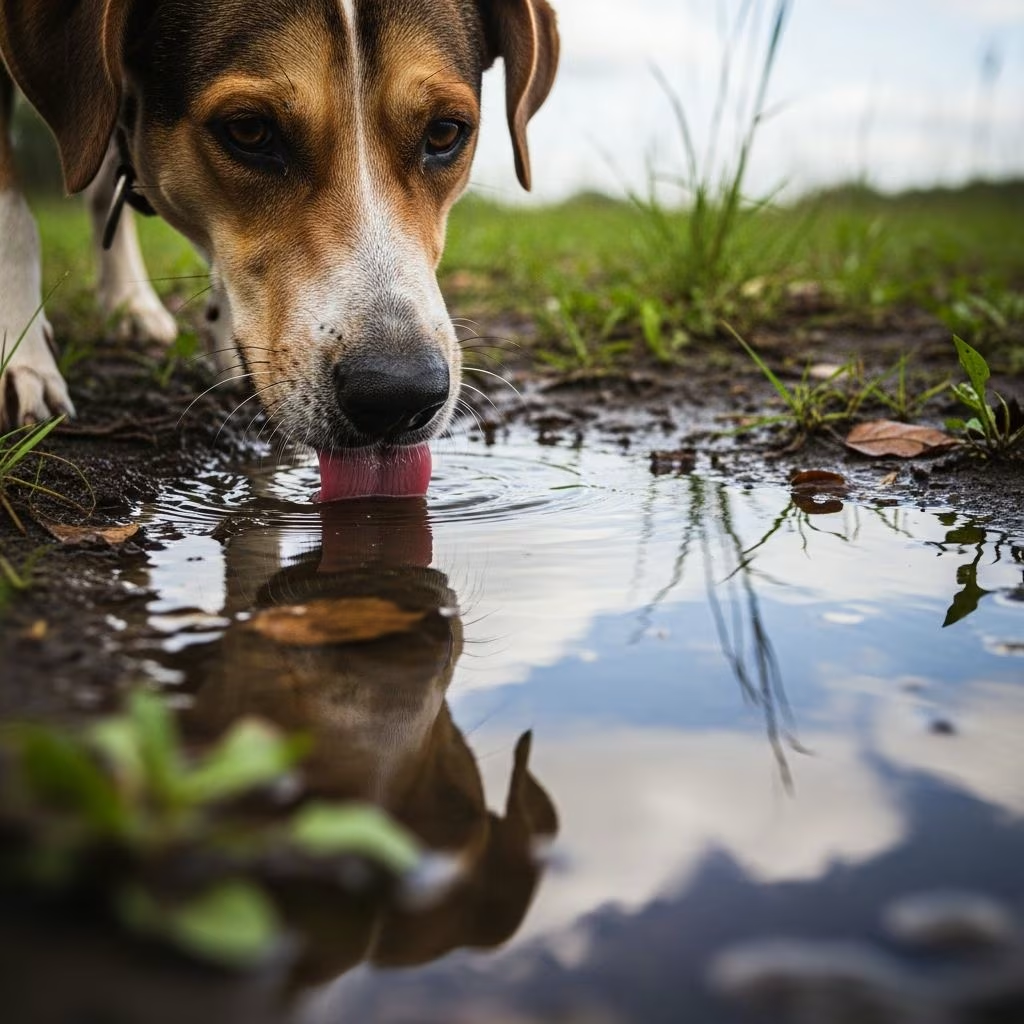
Leptospirosis is transmitted through contact with urine from infected animals, including other dogs, rodents, wildlife, and livestock. The bacteria can enter your dog’s body through cuts or abrasions in the skin, mucous membranes, and even through intact skin if exposure is prolonged. Dogs may contract leptospirosis by drinking contaminated water from lakes, streams, or puddles, or by direct contact with urine from infected animals. The disease is more prevalent in warm, wet environments where the bacteria can survive longer in soil and water.
Clinical Signs and Symptoms
The symptoms of leptospirosis in dogs can vary significantly depending on the severity of infection, the specific serovar involved, and the dog’s immune status. Many dogs develop clinical signs within the first week after infection, though some may have delayed presentations.
Early Stage Symptoms
During the initial phase of infection, dogs may exhibit the following signs:
– Fever- Lethargy and depression- Loss of appetite or decreased appetite- Vomiting- Joint pain or stiffness- Muscle pain (myalgia)- Increased thirst and frequent urination- Diarrhea- Eye and nasal discharge
Severe Stage Complications
If leptospirosis progresses without treatment, more severe clinical manifestations may develop, including acute kidney injury, liver disease, and respiratory complications. In advanced cases, dogs may experience yellowing of the eyes and gums (jaundice), indicating liver involvement. Some dogs develop bleeding tendencies with petechiae (small red spots under the skin), melena (bloody stools), or epistaxis (nosebleeds). Severe cases may involve pulmonary hemorrhage, characterized by rapid or difficulty breathing.
Diagnosis of Leptospirosis
Accurate diagnosis is essential for prompt treatment and preventing disease progression. Your veterinarian may employ several diagnostic methods to confirm leptospirosis.
Diagnostic Methods
Blood Tests: Serologic testing can detect antibodies against Leptospira in the bloodstream. These tests are most reliable when performed during the acute phase of illness or during recovery.
PCR Testing: Polymerase chain reaction (PCR) testing detects the bacterial DNA in blood and urine samples. This test is particularly useful during the first week of infection and recent vaccination does not interfere with PCR results, making it a reliable diagnostic tool.
Urine Culture: Culture of urine samples can identify Leptospira bacteria, though results may take several weeks to obtain.
Blood Work: Laboratory assessment often reveals elevated kidney enzymes, liver enzymes, and electrolyte imbalances that support the diagnosis and guide treatment decisions.
Treatment of Leptospirosis in Dogs
Effective treatment of leptospirosis requires a combination of antimicrobial therapy and comprehensive supportive care tailored to the severity of clinical signs and affected organ systems. Treatment should not be delayed while awaiting confirmatory diagnosis if leptospirosis is strongly suspected.
Antibiotic Therapy
Antibiotics form the cornerstone of leptospirosis treatment. The recommended approach involves two phases of antibiotic therapy:
Phase 1 – Acute Treatment: Intravenous penicillin derivatives (such as ampicillin or amoxicillin) or fluoroquinolones are highly effective against the acute stages of leptospirosis if started early. Because many infected dogs experience vomiting or decreased appetite, initial therapy should be administered parenterally (through injection) rather than orally. These antibiotics help eliminate the bacteria from the bloodstream, reducing clinical signs and preventing organ damage.
Phase 2 – Carrier Elimination: After gastrointestinal signs have resolved, oral doxycycline is prescribed at a dosage of 5 mg/kg twice daily for 2 weeks. This extended course is critical because doxycycline effectively penetrates renal tissue and clears leptospires from the renal tubules, preventing the dog from becoming a chronic carrier that sheds bacteria in urine. Alternative antibiotics such as enrofloxacin or clarithromycin may be used in dogs unable to tolerate doxycycline, though doxycycline remains the preferred choice for carrier elimination.
Supportive Care Measures
Supportive care is essential and may include several therapeutic interventions:
– Intravenous fluid therapy: Maintains hydration and helps flush toxins from the kidneys- Electrolyte management: Corrects sodium, potassium, and other mineral imbalances- Acid-base correction: Addresses metabolic acidosis common in severe cases- Anti-nausea medications: Reduces vomiting and improves comfort- Pain management: Alleviates discomfort associated with kidney and muscle involvement- Nutritional support: Provides adequate calories and protein during recovery- Blood pressure management: Hypotensive medications when necessary- Hepatic support medications: Assists liver function in cases of hepatic involvement
Advanced Therapeutic Interventions
Oxygen Therapy: Administered for dogs with respiratory compromise from pulmonary hemorrhage or pulmonary edema.
Plasma Transfusion: May be considered in severe cases to provide clotting factors and immunologic support.
Renal Replacement Therapy: Hemodialysis or continuous renal replacement therapy should be considered for dogs that develop oliguria (urine output less than 2 mL/kg/hour) or anuria despite appropriate supportive therapy, progressive hyperkalemia, or progressive azotemia. These advanced interventions help maintain kidney function and electrolyte balance while the kidneys recover.
Hospitalization and Recovery
Most dogs with leptospirosis require hospitalization during the acute phase of illness. The duration of hospitalization depends on disease severity and response to treatment. During hospitalization, veterinary staff monitor vital signs, conduct serial blood and urine testing, and adjust treatments based on clinical response. Many dogs show improvement within several days to a week of initiating treatment, though severely affected dogs may require more prolonged hospitalization.
Follow-up care is essential after discharge. Your veterinarian will recommend serial blood and urine monitoring to ensure parameters are normalizing in response to treatment. Complete recovery may take several weeks, and some dogs may experience lasting kidney disease even after successful treatment of acute infection.
Household and Environmental Management
To prevent transmission to other pets and household members, specific sanitation measures should be implemented:
– Minimize urinary contamination: Walk the patient frequently and in appropriate disposal areas- Disinfection protocols: Clean contaminated areas with solutions that inactivate leptospires, including diluted bleach solutions, iodine-based products, accelerated hydrogen peroxide, or quaternary ammonium compounds- Bedding management: Launder all bedding with hot water and detergent- Personal protection: Use gloves when handling infected dogs or contaminated materials
Treating Other Household Dogs
Any other dogs living in the same household as an infected dog should receive prophylactic oral doxycycline therapy for 2 weeks, even if they show no clinical signs. This is recommended because these dogs have similar exposure histories and may have been infected. Early prophylactic treatment can prevent disease development and carrier status.
Prevention of Leptospirosis
Vaccination is the most effective prevention strategy for leptospirosis. A vaccine to prevent leptospirosis in dogs is available in the United States and many other countries. Multistrain vaccines that include locally prevalent serovars should be used for optimal protection. Annual vaccination is recommended in areas where leptospirosis is endemic or in dogs with exposure risk.
Beyond vaccination, preventive measures include limiting access to potentially contaminated water sources, controlling rodent populations around the home, and avoiding areas where wildlife congregates. Dogs with suspected recent exposure to leptospirosis can be treated prophylactically with oral doxycycline at 5 mg/kg twice daily for 14 days.
Zoonotic Considerations
While zoonotic transmission of leptospirosis from dogs to humans is not common, occupational exposure presents increased risk. The primary route of transmission is contact with infectious body fluids, particularly urine. Pet owners and veterinary professionals handling infected dogs should practice strict hygiene, including hand washing and appropriate protective equipment when managing potentially contaminated materials.
Prognosis and Long-Term Outcomes
The prognosis for leptospirosis varies depending on the severity of organ involvement, timing of treatment initiation, and the dog’s overall health status. Dogs treated early with antibiotics typically recover faster and have reduced risk of permanent organ damage. However, some dogs may develop chronic kidney disease even after successful acute infection treatment. Dogs that require renal replacement therapy or experience severe hepatic involvement have more guarded prognoses but may still achieve acceptable quality of life with appropriate long-term management.
Frequently Asked Questions
Q: How long does it take to recover from leptospirosis?
A: Recovery timelines vary significantly. Most dogs begin showing improvement within 3 to 7 days of starting treatment, but complete recovery may take several weeks. Dogs requiring advanced therapies like hemodialysis may need longer recovery periods.
Q: Can my dog recover completely from leptospirosis?
A: Many dogs recover well with appropriate treatment, especially if caught early. However, some dogs may develop chronic kidney disease or other long-term complications. Follow-up veterinary care helps monitor for these potential issues.
Q: Is leptospirosis contagious between dogs?
A: Direct dog-to-dog transmission is rare. However, dogs can contract leptospirosis from the same contaminated sources (water, urine) as other infected dogs, making household preventive measures important.
Q: How often should my dog receive leptospirosis vaccination?
A: Annual vaccination is typically recommended, though this may vary based on your dog’s lifestyle, local prevalence of the disease, and veterinary recommendations. Discuss vaccination schedules with your veterinarian.
Q: What should I do if I suspect my dog has leptospirosis?
A: Seek veterinary care immediately. Early treatment significantly improves outcomes and reduces the risk of severe organ damage. Do not delay seeking professional evaluation.
References
- Diagnosis and Treatment of Leptospirosis in Dogs — Today’s Veterinary Practice. 2024. https://todaysveterinarypractice.com/infectious-disease/diagnosis-and-treatment-of-leptospirosis-in-dogs/
- Leptospirosis in Dogs – Infectious Diseases — MSD Veterinary Manual. 2024. https://www.msdvetmanual.com/infectious-diseases/leptospirosis/leptospirosis-in-dogs
- Canine Leptospirosis — Cornell University College of Veterinary Medicine. 2024. https://www.vet.cornell.edu/departments-centers-and-institutes/riney-canine-health-center/canine-health-topics/canine-leptospirosis
- Leptospirosis in Animals — Centers for Disease Control and Prevention. 2024. https://www.cdc.gov/leptospirosis/pets/index.html
- 2010 ACVIM Small Animal Consensus Statement on Leptospirosis — Journal of Veterinary Internal Medicine. 2010. https://pmc.ncbi.nlm.nih.gov/articles/PMC3040842/
- Leptospirosis in Dogs — VCA Animal Hospitals. 2024. https://vcahospitals.com/know-your-pet/leptospirosis-in-dogs



