

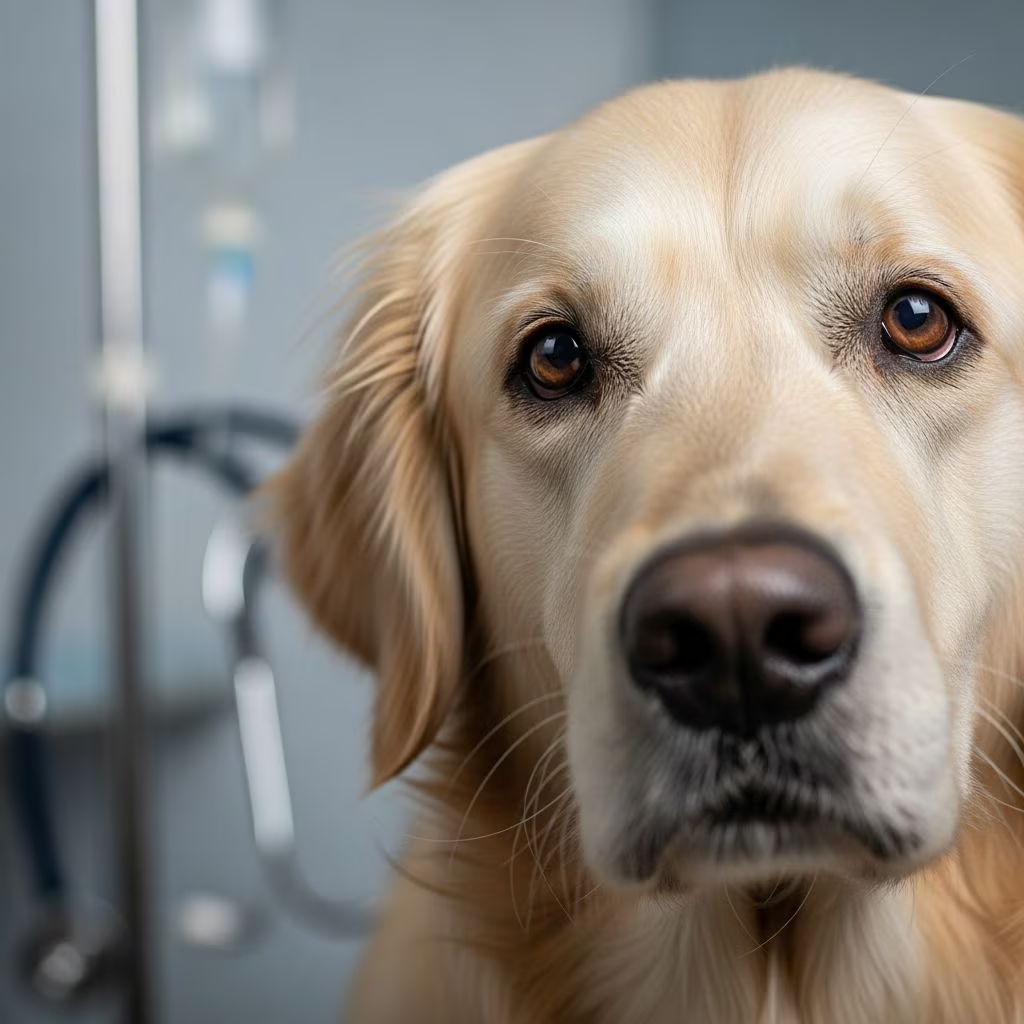
Leptospirosis stands as a significant bacterial threat to dogs, capable of causing acute illness across multiple organ systems. Transmitted primarily through contaminated water or urine from infected animals, this zoonotic disease demands prompt veterinary intervention to improve outcomes and curb spread.
Understanding the Pathogen and Transmission Routes
The causative agent, Leptospira bacteria, thrives in warm, moist environments like puddles, streams, or stagnant water harboring urine from wildlife such as rodents, raccoons, or livestock. Dogs contract the infection by direct contact with these sources via mucous membranes, skin abrasions, or ingestion. Urban and rural settings alike pose risks, especially after heavy rains that flush bacteria into accessible areas.
Once inside the host, spirochetes rapidly disseminate through the bloodstream, targeting kidneys, liver, lungs, and vascular endothelium. This leads to vasculitis, organ dysfunction, and potentially life-threatening complications. Dogs may shed bacteria in urine for months, perpetuating environmental contamination even after recovery.
Clinical Manifestations: From Subtle Signs to Severe Crisis
Symptoms often emerge abruptly 4-12 days post-exposure. Initial phase includes nonspecific indicators like fever, lethargy, anorexia, and muscle tenderness. As the disease advances, organ-specific damage manifests distinctly.
- Kidney involvement: Increased thirst, frequent urination shifting to scant output, or complete anuria signaling acute kidney injury (AKI).
- Liver compromise: Jaundice (yellowing of gums, eyes, skin), vomiting, and abdominal pain.
- Respiratory distress: Coughing, rapid breathing, or pulmonary hemorrhage in severe cases.
- Gastrointestinal upset: Profuse vomiting, bloody diarrhea, dehydration.
Not all dogs show every sign; some present with mild fever alone, while others rapidly decline into shock, coagulopathy, or multi-organ failure. Puppies, seniors, and immunocompromised pets face heightened vulnerability.
Diagnostic Approaches: Confirming the Suspected Case
Veterinarians rely on a blend of history, clinical findings, and targeted tests. Exposure history—recent swims in natural waters or rodent-infested areas—raises red flags. Bloodwork reveals azotemia (elevated kidney markers), hyperbilirubinemia, thrombocytopenia, and electrolyte shifts. Urinalysis detects proteinuria, casts, or active sediment.
Definitive diagnosis hinges on:
- Serology (MAT or ELISA): Detects antibodies; paired samples track titer rises, though vaccination can complicate interpretation.
- PCR testing: Identifies bacterial DNA in blood, urine, or tissue; highly sensitive early on, unaffected by recent vaccines.
- Culture: Gold standard but slow and cumbersome.
Chest radiographs or ultrasound assess lung and abdominal involvement. Coagulation panels screen for disseminated intravascular coagulation (DIC).
Therapeutic Strategies: Antibiotics and Beyond
Treatment commences empirically upon suspicion, prioritizing antimicrobial eradication alongside organ support. Consensus guidelines endorse doxycycline as first-line: 5 mg/kg orally every 12 hours for 14 days to clear systemic infection and renal carriers.
For dogs intolerant to oral meds due to vomiting, initiate intravenous penicillin derivatives (e.g., ampicillin 20-30 mg/kg q6-8h or penicillin G 25,000-40,000 U/kg q6-8h), transitioning to doxycycline once stable. Alternatives like enrofloxacin serve in select scenarios.
| Antibiotic | Dosage | Route/Duration | Notes |
|---|---|---|---|
| Doxycycline | 5 mg/kg q12h | PO, 2 weeks | Eliminates carrier state |
| Ampicillin | 20-30 mg/kg q6-8h | IV, initial phase | For GI intolerance |
| Penicillin G | 25,000-40,000 U/kg q6-8h | IV, initial phase | Suppresses bacteremia |
Supportive Interventions Tailored to Organ Damage
Hydration via IV fluids corrects dehydration, flushes toxins, and stabilizes electrolytes/acid-base balance. Antiemetics (e.g., maropitant), gastroprotectants, and analgesics address discomfort. Nutritional support via feeding tubes sustains energy in anorexic patients.
Renal management: Monitor urine output; oliguric/anuric dogs may require diuretics, phosphate binders, or referral for hemodialysis/continuous renal replacement therapy (CRRT).
Hepatic care: Hepatoprotectants, dextrose for hypoglycemia, and lactulose for encephalopathy.
Pulmonary/hemorrhagic cases: Oxygen, transfusions, and ventilation as needed.
Prognosis Factors and Long-Term Monitoring
Survival hinges on early intervention; mild cases boast 90%+ recovery, while anuric AKI drops odds to 50% or less despite dialysis. Post-treatment, recheck bloodwork and urinalysis at 2-4 weeks confirms clearance. Chronic kidney disease may linger in survivors.
Household dogs sharing exposure risk warrant doxycycline prophylaxis for 14 days.
Preventive Measures: Vaccination and Environmental Controls
Polyvalent vaccines targeting common serovars (e.g., Canicola, Grippotyphosa, Icterohaemorrhagiae, Pomona) reduce severity, administered annually or per label after initial series. They don’t cover all strains, so hygiene remains key.
- Avoid natural water bodies post-floods.
- Rodent-proof yards and homes.
- Post-exposure doxycycline prophylaxis.
Cleaning protocols inactivate leptospires: 1:32 bleach, accelerated hydrogen peroxide, or iodophors on surfaces; hot laundry for bedding.
Zoonotic Implications for Pet Owners and Handlers
Humans acquire infection similarly, risking flu-like illness or Weil’s disease (severe jaundice, AKI). Occupational groups like vets face elevated exposure; wear PPE, disinfect promptly, and seek medical care for symptoms post-contact.
Common Queries on Canine Leptospirosis
FAQs
Can vaccinated dogs still get leptospirosis?
Yes, vaccines lessen severity but don’t prevent all serovars; boosters and avoidance are crucial.
How soon after exposure do symptoms appear?
Typically 4-12 days, with fever first.
Is leptospirosis contagious dog-to-dog?
Indirectly via shared contaminated environments; direct urine contact possible.
What home care supports recovery?
Strict rest, clean quarters, vet-guided diet; no over-the-counter meds.
Does leptospirosis cause permanent damage?
Possible chronic kidney issues; monitoring essential.
This guide equips owners and vets to combat leptospirosis effectively, emphasizing vigilance year-round, especially in wet seasons.
References
- Diagnosis and Treatment of Leptospirosis in Dogs — Today’s Veterinary Practice. 2023. https://todaysveterinarypractice.com/infectious-disease/diagnosis-and-treatment-of-leptospirosis-in-dogs/
- Leptospirosis in Dogs — Merck Veterinary Manual. 2023. https://www.merckvetmanual.com/infectious-diseases/leptospirosis/leptospirosis-in-dogs
- Canine Leptospirosis — Cornell University Riney Canine Health Center. 2024. https://www.vet.cornell.edu/departments-centers-and-institutes/riney-canine-health-center/canine-health-topics/canine-leptospirosis
- Leptospirosis in Dogs — VCA Animal Hospitals. 2023. https://vcahospitals.com/know-your-pet/leptospirosis-in-dogs
- Updated ACVIM consensus statement on leptospirosis in dogs — PubMed Central (PMC). 2023-10-31. https://pmc.ncbi.nlm.nih.gov/articles/PMC10658540/
- Leptospirosis in Animals — Centers for Disease Control and Prevention (CDC). 2024. https://www.cdc.gov/leptospirosis/pets/index.html



