

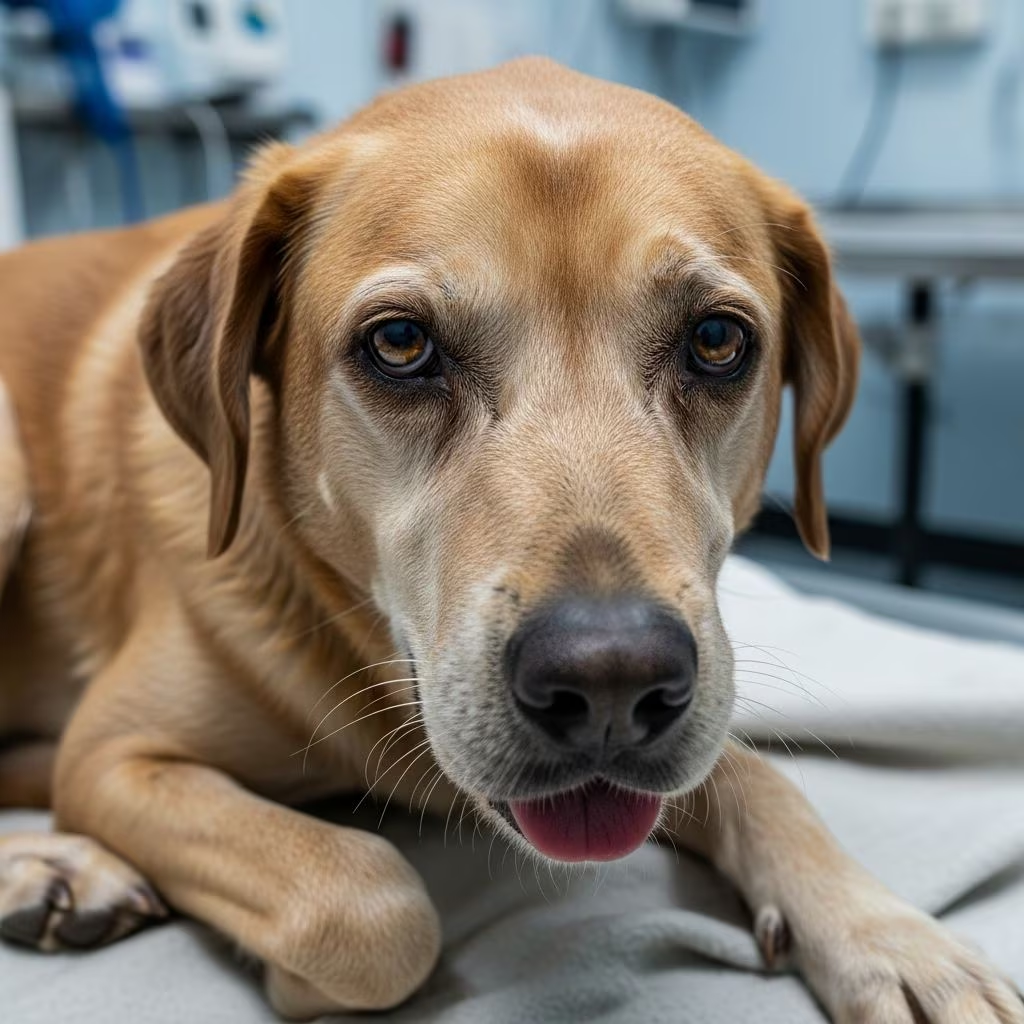
Leptospirosis is a serious bacterial infection affecting dogs, primarily targeting the kidneys and liver, and can be fatal if untreated. Caused by Leptospira bacteria, it spreads through contaminated water, soil, or urine from infected animals, posing risks in warm, wet environments.
What is leptospirosis in dogs?
Leptospirosis in dogs is a zoonotic bacterial disease caused by spiral-shaped bacteria from the genus Leptospira. These pathogens thrive in moist environments and enter dogs through mucous membranes or skin wounds, leading to multisystemic illness. Dogs are highly susceptible to multiple serovars, with clinical signs ranging from subclinical infections to severe kidney injury, liver damage, respiratory distress, or death. The disease is more common in tropical or temperate regions with poor sanitation, and outbreaks often follow flooding. Unlike in humans, where it causes Weil’s disease in severe cases, canine leptospirosis frequently manifests as acute kidney and hepatic failure.
The bacteria’s ability to survive outside hosts for months in water or soil makes environmental exposure a key factor. Infected dogs can shed leptospires in urine for weeks or months, becoming carriers even after recovery. Recent studies emphasize its increasing prevalence due to urbanization and climate change, affecting urban dogs via stormwater runoff.
Symptoms of leptospirosis in dogs
Symptoms of leptospirosis in dogs appear 4-12 days post-exposure and vary by serovar, immune status, and disease phase. Early signs mimic many illnesses, delaying diagnosis, but progression can lead to organ failure.
- Lethargy and weakness: Dogs appear tired, reluctant to move due to muscle pain (myalgia) or joint pain (arthralgia).
- Gastrointestinal issues: Vomiting, diarrhea, loss of appetite, and dehydration are common.
- Renal signs: Increased thirst and urination (polydipsia/polyuria), progressing to reduced urine output (oliguria/anuria).
- Hepatic involvement: Jaundice (icterus), indicating liver damage.
- Fever, shivering, and hypothermia: Temperature fluctuations early on.
- Bleeding tendencies: Petechiae, melena, epistaxis from coagulopathy.
- Respiratory distress: Coughing, tachypnea from pulmonary hemorrhage.
- Ocular and other signs: Conjunctivitis, uveitis, lymphadenopathy, edema.
Severe cases involve acute kidney injury (AKI), hepatic encephalopathy, or leptospirosis-associated pulmonary hemorrhage syndrome (LPHS), with mortality up to 50% without prompt care. Puppies, immunocompromised dogs, and certain breeds like Labrador Retrievers may be more vulnerable.
Causes of leptospirosis in dogs
Leptospirosis is caused by over 20 pathogenic Leptospira serovars, with Canicola, Icterohaemorrhagiae, Grippotyphosa, and Pomona most common in dogs. Transmission occurs via direct contact with infected urine, placental fluids, or tissues, or indirectly through contaminated water, soil, food, or bedding.
Risk factors include:
- Exposure to wildlife urine (raccoons, rats, opossums) in rural or urban areas.
- Floodwaters, stagnant ponds, or sewers.
- Hunting, boarding, or outdoor activities.
- Unvaccinated status.
Dogs become infected by ingestion, inhalation of aerosols, or skin abrasions. Once inside, bacteria multiply in blood (leptospiremia), then colonize kidneys and liver, shedding in urine. Carrier dogs perpetuate environmental contamination.
Diagnosis of leptospirosis in dogs
Diagnosing leptospirosis requires a combination of history, clinical signs, lab tests, and imaging due to nonspecific symptoms.
Initial tests:
- Bloodwork: Azotemia, elevated liver enzymes (ALT, AST), bilirubin, hyperkalemia, hypoalbuminemia, thrombocytopenia.
- Urinalysis: Proteinuria, casts, isosthenuria.
- CBC: Neutrophilia, lymphopenia.
Confirmatory tests:
- PCT/PCR: Detects leptospiral DNA in blood (early) or urine (late); highly sensitive, not affected by vaccination.
- MAT (Microscopic Agglutination Test): Gold standard serology; paired samples show titer rise.
- Culture: Definitive but slow (weeks).
Ultrasound reveals kidney enlargement, hyperechoic cortex, or liver changes. Differential diagnoses include pyelonephritis, toxicosis, or viral hepatitis. Consensus guidelines recommend empirical treatment pending results.
Treatment of leptospirosis in dogs
Treatment combines antibiotics and supportive care, starting empirically if suspected. Prognosis improves with early intervention; survival rates exceed 80%.
Antimicrobial therapy:
- Initial: IV penicillin G, ampicillin (targets acute phase).
- Follow-up: Doxycycline 5-10 mg/kg PO q12h for 2 weeks (eliminates carrier state).
- Alternatives: Enrofloxacin, clarithromycin for doxycycline-intolerant dogs.
Supportive care:
- IV fluids for hydration, electrolyte correction.
- Antiemetics (maropitant), gastroprotectants.
- Renal replacement therapy (hemodialysis) for anuric AKI.
- Hepatic support, pain meds, nutrition.
- Oxygen/ventilation for LPHS.
| Organ System | Treatment Focus |
|---|---|
| Kidneys | Fluids, diuretics, dialysis if needed |
| Liver | Supportive (dextrose for hypoglycemia) |
| Lungs | Oxygen, ventilation |
| GI | Antiemetics, feeding tubes |
Hospitalization is often required; monitor serially with bloodwork/urine. Household dogs receive prophylactic doxycycline.
Recovery and management of leptospirosis in dogs
Recovery takes 2-4 weeks with treatment; most dogs regain function, but chronic kidney disease may persist. Monitor creatinine, urine PCR monthly initially. Prevent reinfection via vaccination; recheck titers if endemic. Environmental decontamination uses bleach or iodine. Full recovery allows normal life, but carriers risk shedding.
Prevention of leptospirosis in dogs
Prevention relies on vaccination, hygiene, and risk avoidance.
- Vaccines: Quadrivalent (4-serovar) Lepto vaccines annually or per label; boostered.
- Avoid exposure: No swimming in ponds, rodent control.
- Prophylaxis: Doxycycline 5 mg/kg q12h for 14 days post-exposure.
Vaccines reduce severity but don’t prevent infection entirely; core for high-risk dogs.
Leptospirosis and humans
Leptospirosis is zoonotic; humans contract it from dog urine via cuts or mucosa, especially vets, walkers. Symptoms mirror canine: fever, AKI. Wash hands, disinfect; high-risk humans avoid infected dogs. Occupational exposure is primary risk.
Frequently Asked Questions (FAQs)
Q: Can leptospirosis in dogs be cured?
A: Yes, with prompt antibiotics like doxycycline and supportive care, most dogs recover fully.
Q: Is leptospirosis fatal in dogs?
A: It can be (10-50% mortality untreated), but early treatment boosts survival over 80%.
Q: How do dogs get leptospirosis?
A: Through urine-contaminated water/soil from wildlife or carriers.
Q: Should I vaccinate my dog for lepto?
A: Yes, especially in endemic areas; discuss risks/benefits with vet.
Q: Can humans get leptospirosis from dogs?
A: Yes, zoonotic via infected urine; practice hygiene.
References
- Diagnosis and Treatment of Leptospirosis in Dogs — Today’s Veterinary Practice. 2023. https://todaysveterinarypractice.com/infectious-disease/diagnosis-and-treatment-of-leptospirosis-in-dogs/
- Leptospirosis in Dogs — Merck Veterinary Manual. 2024-02-28. https://www.merckvetmanual.com/infectious-diseases/leptospirosis/leptospirosis-in-dogs
- Updated ACVIM consensus statement on leptospirosis in dogs — PMC/NIH. 2023-11-01. https://pmc.ncbi.nlm.nih.gov/articles/PMC10658540/
- Leptospirosis in Dogs — VCA Animal Hospitals. 2024. https://vcahospitals.com/know-your-pet/leptospirosis-in-dogs
- Canine leptospirosis — Cornell University College of Veterinary Medicine. 2024. https://www.vet.cornell.edu/departments-centers-and-institutes/riney-canine-health-center/canine-health-topics/canine-leptospirosis



