

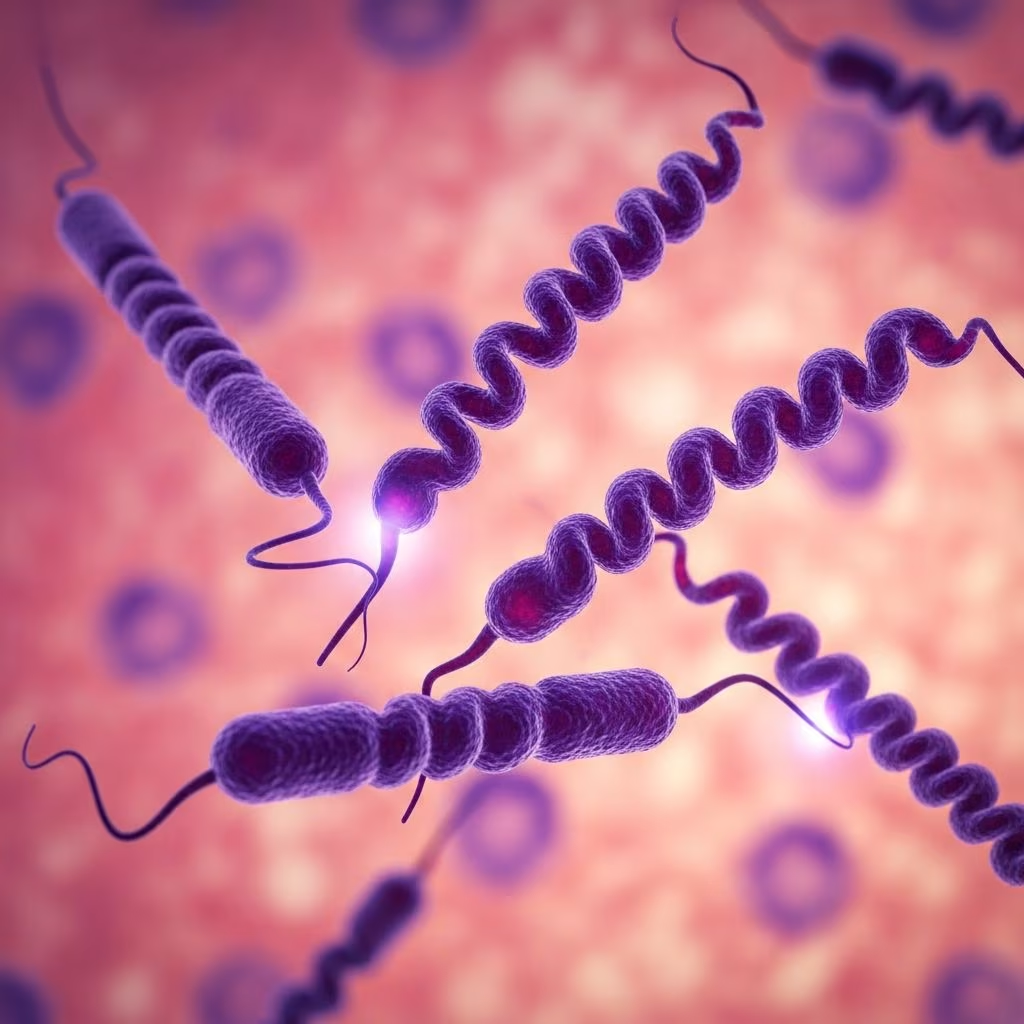
Leptospirosis represents one of the most widespread bacterial infections impacting mammals worldwide, posing risks to both animal health and human safety due to its zoonotic nature. Caused by pathogenic spirochetes of the genus Leptospira, this disease thrives in environments contaminated by infected animal urine, leading to a spectrum of outcomes from asymptomatic carriage to fatal multi-organ failure.
The Nature of Leptospira Bacteria
These spiral-shaped bacteria are highly motile and survive well in moist, warm conditions, such as standing water or damp soil. Maintenance hosts like rodents, dogs, cattle, horses, sheep, goats, and pigs harbor chronic kidney infections, shedding viable leptospires in urine for months or even years. This persistent shedding perpetuates environmental contamination, facilitating transmission to incidental hosts including other pets and wildlife.
Over 20 pathogenic serovars exist, with prevalence varying by region and host species. Dogs and rats serve as primary sources for human exposure, underscoring the need for vigilant hygiene in veterinary and farming settings.
Transmission Pathways in Animal Populations
Infection occurs primarily through direct or indirect contact with urine from carrier animals. Common routes include:
- Ingestion of contaminated water from puddles, ponds, or slow-moving streams.
- Contact with urine-soaked soil, bedding, or food bowls.
- Entry via mucous membranes (mouth, nose, eyes) or broken skin abrasions.
- Rarely, bite wounds or transplacental transmission in pregnant animals.
The incubation period typically spans 4 to 12 days, though it can extend longer in some cases. Urban dogs, puppies as young as 11 weeks, and even geriatric animals in non-rural settings remain susceptible, challenging assumptions about low-risk lifestyles.
Clinical Manifestations Across Species
Symptoms vary widely based on host immunity, serovar virulence, and infection timing. Maintenance hosts often show subclinical signs, while incidental hosts like dogs face acute illness.
Signs in Dogs
Canine leptospirosis frequently targets kidneys and liver, presenting as acute kidney injury (AKI) with hepatic involvement. Key indicators include:
- Fever, lethargy, and loss of appetite.
- Vomiting, bloody diarrhea, and abdominal discomfort.
- Jaundice, muscle pain, and conjunctivitis.
- Pulmonary hemorrhage, coughing, or dyspnea in severe cases.
- Coagulation disorders leading to bruising or bleeding.
Differential diagnoses encompass pancreatitis, uveitis, myocarditis, and hemolytic anemia, often confirmed via elevated liver enzymes, bilirubin, and troponin levels.
Impacts on Livestock and Other Animals
In cattle, horses, pigs, and sheep, leptospirosis causes reproductive failures such as abortions, stillbirths, and weak offspring. Milk production drops in dairy cows, accompanied by mastitis. Horses may develop recurrent uveitis (moon blindness), while pigs exhibit infertility and neonatal mortality. Cats rarely show signs but can suffer AKI with systemic infection markers.
| Species | Primary Organs Affected | Key Symptoms |
|---|---|---|
| Dogs | Kidney, Liver, Lungs | AKI, jaundice, hemorrhage |
| Cattle | Reproductive, Kidney | Abortion, agalactia |
| Horses | Eye, Kidney | Uveitis, fever |
| Pigs | Reproductive | Infertility, stillbirths |
Diagnostic Approaches for Accurate Identification
Clinical suspicion arises in animals with AKI, especially alongside liver dysfunction or pulmonary issues. No single test suffices; a multimodal strategy is essential.
Serological Testing
The microscopic agglutination test (MAT) remains the gold standard, detecting antibodies via agglutination at 50% serum dilution against specific serovars. Paired acute (illness onset) and convalescent (2-4 weeks later) samples showing a fourfold titer rise confirm infection. Vaccination can yield titers of 1:100-1:400 lasting months, necessitating titer trends for differentiation.
Molecular and Culture Methods
PCR (polymerase chain reaction) detects leptospiral DNA in blood, urine, or tissues during acute phases, offering rapid results. Culture from reference labs provides definitive isolation but is slow (weeks). For probable cases: clinical criteria plus supportive labs (e.g., azotemia, thrombocytopenia); confirmed cases require MAT rise, PCR positivity, or culture.
In cats, pursue testing for unexplained AKI with systemic signs.
Treatment Protocols and Supportive Care
Prompt intervention improves outcomes, though permanent organ damage may persist. Treat suspected cases empirically due to zoonotic risks.
Antimicrobial Regimens
Initial intravenous penicillin (e.g., ampicillin) eliminates bacteremia, followed by oral doxycycline (5-10 mg/kg BID for 2 weeks) to eradicate renal carriers. Alternatives include third-generation cephalosporins for GI-compromised patients intolerant to doxycycline.
Supportive Measures
- IV fluids for hydration and electrolyte balance.
- Anti-emetics, gastroprotectants, and analgesics.
- Blood pressure management and dialysis for severe AKI.
- Proactive hemostasis for bleeding risks using desmopressin in uremic cases.
Prognosis hinges on organ involvement; respiratory or coagulopathic cases carry higher mortality, but many recover fully with timely care.
Prevention Strategies: Vaccination and Biosecurity
Vaccines targeting 4-8 common serovars protect dogs and livestock, administered annually or biannually. Booster titers post-vaccination aid interpretation. Core components include rodent control, draining standing water, and avoiding contaminated sources.
In clinics and farms:
- Use gloves, gowns, shoe covers, and face shields.
- Disinfect with quaternary ammonium or bleach.
- Quarantine suspects and test herds.
Zoonotic Risks and Public Health Implications
Humans contract leptospirosis via similar routes, with dogs and rats as key reservoirs. Veterinarians, farmers, and pet owners face elevated exposure. CDC recommends antimicrobials for animal cases to curb spread. Prompt reporting aids surveillance.
Frequently Asked Questions (FAQs)
What animals are most at risk for leptospirosis?
Dogs, cattle, horses, pigs, and rodents act as common carriers, but all mammals can be affected, especially in wet environments.
Can vaccinated dogs still get leptospirosis?
Yes, though less severely; vaccines cover common serovars but not all, and protection wanes over time.
How do I protect my dog from leptospirosis?
Vaccinate regularly, avoid stagnant water, control rodents, and practice good hygiene after outdoor activities.
Is leptospirosis curable in animals?
Yes, with antibiotics and support, but early detection is critical to prevent chronic kidney or liver issues.
Should I worry about leptospirosis transmission to humans?
High risk during handling of infected urine or tissues; use PPE and consult health authorities if exposed.
References
- Updated ACVIM consensus statement on leptospirosis in dogs — Sykes JE, et al. PMC. 2023-11-01. https://pmc.ncbi.nlm.nih.gov/articles/PMC10658540/
- Leptospirosis in Animals – Overview — MSD Veterinary Manual. 2023. https://www.msdvetmanual.com/infectious-diseases/leptospirosis/leptospirosis-in-animals-overview
- Canine Leptospirosis — Cornell University Riney Canine Health Center. 2024. https://www.vet.cornell.edu/departments-centers-and-institutes/riney-canine-health-center/canine-health-topics/canine-leptospirosis
- Leptospirosis in Animals — Centers for Disease Control and Prevention (CDC). 2024. https://www.cdc.gov/leptospirosis/pets/index.html
- Leptospirosis — Gouvernement du Québec. 2023. https://www.quebec.ca/en/agriculture-environment-and-natural-resources/animal-health/animal-diseases/list-animal-diseases/leptospirosis
- LEPTOSPIROSIS — World Organisation for Animal Health (WOAH). 2023. https://www.woah.org/fileadmin/Home/fr/Health_standards/tahm/3.01.12_LEPTO.pdf



