

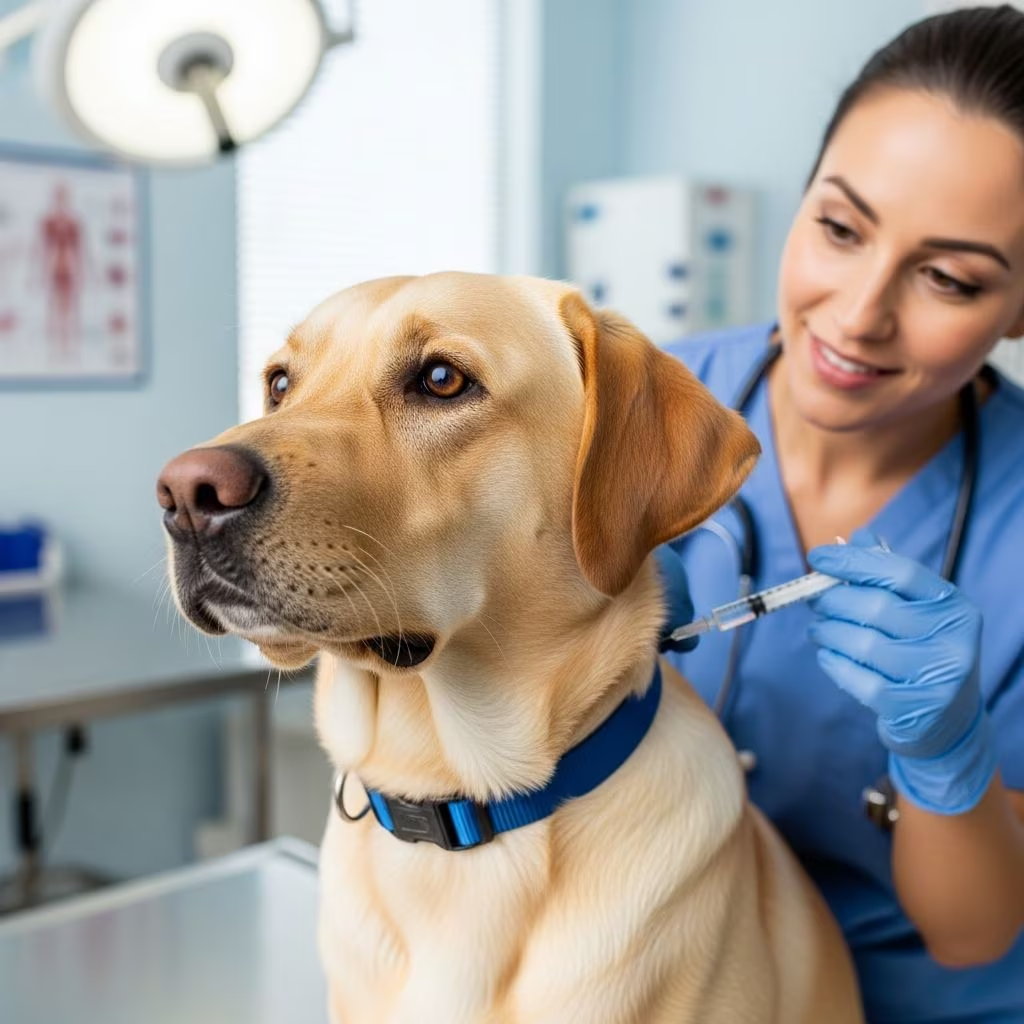
The leptospirosis vaccine is a vital tool in protecting dogs from a severe bacterial infection that can lead to kidney failure, liver damage, and even death. Caused by Leptospira bacteria, this zoonotic disease spreads through contaminated water, soil, or urine from infected animals, making vaccination strongly recommended for most dogs in endemic areas.
Understanding Leptospirosis: A Hidden Danger for Canines
Leptospirosis thrives in warm, moist environments where wildlife like rodents, raccoons, and opossums serve as reservoirs. Dogs contract it by contact with infected urine or contaminated sources such as puddles, streams, or standing water. Urban dogs aren’t immune; backyard exposure to wildlife poses risks too.
Symptoms range from mild fever and lethargy to acute kidney injury (AKI), jaundice, vomiting, and hemorrhagic conditions. Without prompt treatment, mortality rates climb significantly. The disease’s resurgence in vaccinated populations underscores the need for updated quadrivalent vaccines targeting prevalent serovars.
- Key transmission routes: Ingestion of contaminated water, direct contact with infected animal fluids, or soil penetration through cuts.
- High-risk groups: Hunting dogs, those frequenting rural areas, or any dog exposed to floodwaters or stagnant ponds.
- Zoonotic risk: Humans can contract it from infected pets, emphasizing household protection.
Modern Lepto Vaccines: Composition and Availability
Today’s canine leptospirosis vaccines are inactivated bacterins, purified to minimize reactions. Quadrivalent formulations protect against four key serovars: Canicola, Icterohaemorrhagiae, Grippotyphosa, and Pomona, dominant in North America since the early 2000s. These replaced older bivalent versions that offered limited cross-protection.
Non-adjuvanted options exist alongside traditional adjuvanted ones, providing flexibility. Vaccines target surface antigens specific to serogroups, but protection is serovar-matched; heterologous strains may cause breakthrough infections.
| Serovar | Serogroup | Prevalence in Dogs |
|---|---|---|
| Canicola | Canicola | Historical, still relevant |
| Icterohaemorrhagiae | Icterohaemorrhagiae | Widespread globally |
| Grippotyphosa | Grippotyphosa | Emerging in North America |
| Pomona | Pomona | Linked to livestock exposure |
Vaccine Efficacy: What Studies Show
Experimental challenges confirm vaccines prevent clinical disease and reduce urinary shedding for matched serovars, lasting at least 12 months, with some data up to 15 months. Anecdotal evidence links quadrivalent vaccines to fewer diagnoses in vaccinated populations; a Swiss study showed lower odds of lepto-associated AKI.
However, no vaccine offers 100% protection due to over 200 Leptospira serovars. Vaccine failures occur, particularly with bivalent shots against non-included strains. The CDC notes vaccination mitigates severity even post-infection.
- Duration of immunity (DOI): Annual boosters required; restart series if lapsed over 18 months.
- Effectiveness caveats: Best against included serovars; partial heterologous protection.
Safety Profile of Lepto Vaccines
Early vaccines carried risks of anaphylaxis, especially in small breeds, but refinements like removing bovine proteins have slashed reaction rates below 1%, mostly mild injection-site swelling. AAHA reports fewer than 53 adverse events per 10,000 doses, comparable to other vaccines.
Small and young dogs face slightly higher risks, so initial dosing starts at 12 weeks. Strategies include single-vaccine visits, room-temperature administration, and monitoring post-injection.
Who Needs the Lepto Vaccine? Risk Assessment
AAHA urges vaccination for most North American dogs due to endemicity and zoonotic potential. All dogs at exposure risk qualify, from urban backyard dwellers to field-working hunters. Even indoor dogs benefit if local wildlife is present.
Consult vets for tailored advice: low-risk puppies may delay, but travel, boarding, or boarding often mandates it. State import rules may require proof.
Standard Vaccination Protocols
The protocol begins with two doses, 3-4 weeks apart, starting at 8-12 weeks, followed by annual boosters. Lapsed immunity? Restart the initial series or opt for a single booster if recent. Post-recovery from natural infection, vaccinate after healing, as immunity is serogroup-specific.
- First puppy dose: 12 weeks or later.
- Second dose: 3-4 weeks after first.
- Annual revaccination thereafter.
- Tailor to lifestyle and regional prevalence.
Combining Lepto with Core Vaccines
Lepto shots integrate into combo vaccines with distemper, parvovirus, and adenovirus protection. Avoid overloading small dogs; space if needed. Vets align with AAHA guidelines for lifestyle-based protocols.
Preventive Measures Beyond Vaccination
Vaccination pairs with avoidance: limit pond/stream access, rodent-proof yards, and post-flood cleanups. Early symptoms warrant vet visits for PCR/blood tests. Treatment involves antibiotics like doxycycline, fluids, and organ support.
FAQs on Lepto Vaccination for Dogs
Q: Is the lepto vaccine safe for all dogs?
A: Yes, modern versions are safe with rare mild reactions; small breeds need monitoring.
Q: How often does my dog need the lepto booster?
A: Annually, with initial two-dose series.
Q: Can vaccinated dogs still get lepto?
A: Rarely, and milder; quadrivalent offers best coverage.
Q: Is lepto vaccine required by law?
A: Not universally, but for travel/boarding in high-risk areas.
Q: What if my dog had lepto before?
A: Vaccinate post-recovery for broader protection.
Regional Considerations and Emerging Trends
Prevalent serovars shift; monitor local outbreaks via vet resources. ACVIM’s 2024 consensus favors annual vaccination over triennial, reflecting better disease insights. Global travel heightens risks for exotic strains.
Owner Responsibilities for Lepto Protection
Annual wellness exams ensure compliance. Track records for boarding/travel. Educate families on zoonotic risks—handwashing after pet contact. Boosting vaccination rates curbs community spread.
References
- Leptospirosis in Dogs: Comprehensive Guide for Pet Owners — CODA Pet. 2023. https://www.codapet.com/senior-pet-care/a-comprehensive-guide-to-leptospirosis-in-dogs
- Vaccination Overview: Leptospirosis — Today’s Veterinary Practice. 2023. https://todaysveterinarypractice.com/preventive-medicine/vaccination-overview-leptospirosis/
- 2022 AAHA Canine Vaccination Guidelines: Leptospirosis — American Animal Hospital Association (AAHA). 2022. https://www.aaha.org/resources/2022-aaha-canine-vaccination-guidelines/leptospirosis/
- Leptospirosis: What Every Dog Owner Should Know — Michigan State University College of Veterinary Medicine. 2023. https://cvm.msu.edu/vdl/client-education/guides-for-pet-owners/leptospirosis-what-every-dog-owner-should-know
- Leptospirosis in Animals — Centers for Disease Control and Prevention (CDC). 2024. https://www.cdc.gov/leptospirosis/pets/index.html
- Updated guidance on canine leptospirosis reflects better understanding of disease — American Veterinary Medical Association (AVMA). 2024-01-16. https://www.avma.org/news/updated-guidance-canine-leptospirosis-reflects-better-understanding-disease



