

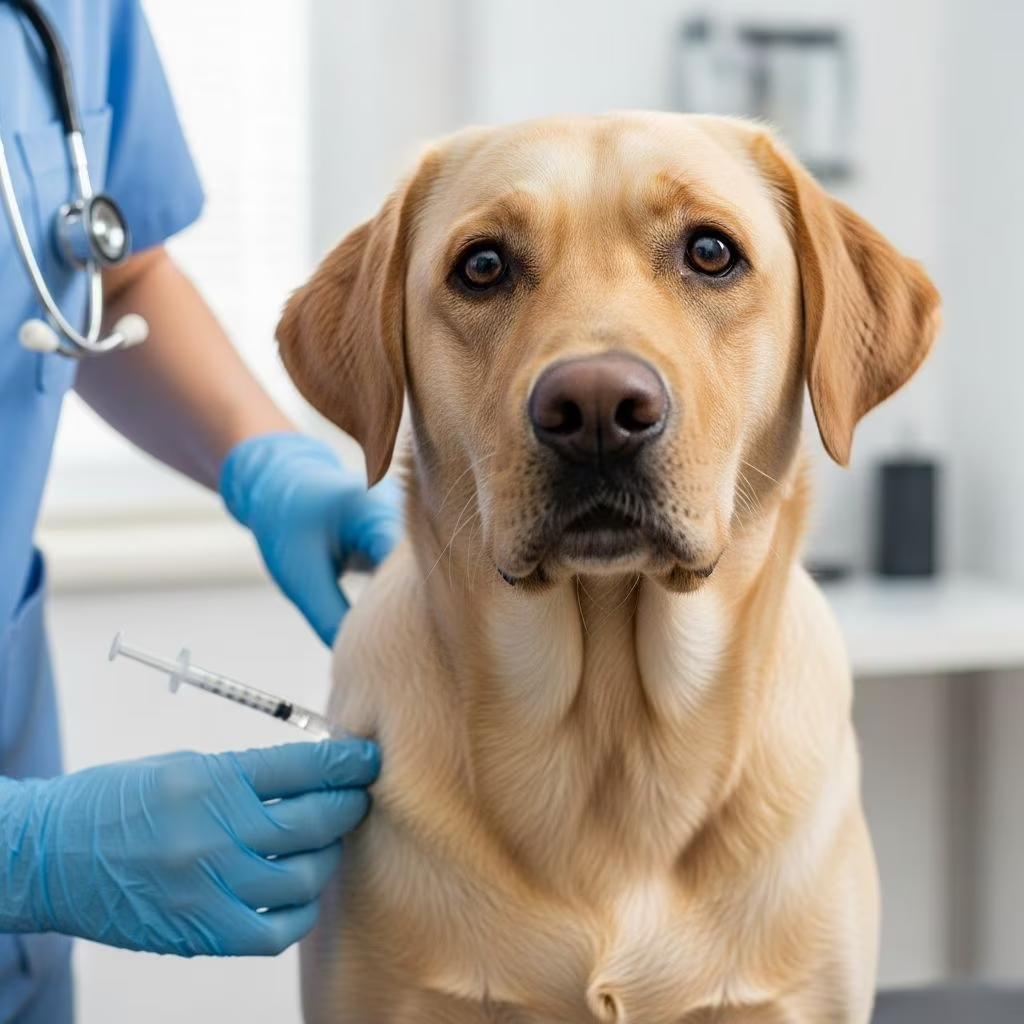
The leptospirosis vaccine, commonly known as the Lepto vaccine, provides dogs with vital immunity against a bacterial infection that spreads through contaminated water and soil, posing risks even in urban settings. Veterinary authorities increasingly classify it as a core vaccine due to rising case numbers and its potential to affect humans too.
Understanding Leptospirosis: A Hidden Danger for Dogs
Leptospirosis stems from *Leptospira* bacteria, spiral-shaped pathogens thriving in moist environments like puddles, streams, and rodent urine-soaked areas. Dogs contract it by ingesting contaminated water, licking soil, or contacting infected animal urine during walks or play.
This zoonotic disease jumps from animals to humans, making prevention crucial for households. In dogs, it targets kidneys, liver, and lungs, leading to acute illness. Recent upticks in urban reports, such as those linked to rats in cities, highlight its ubiquity beyond rural zones.
- Thrives in warm, wet conditions, surviving months in water.
- Common carriers: rats, raccoons, opossums, livestock.
- Even indoor dogs face risks from park visits or backyard exposure.
Signs of Leptospirosis Infection in Canines
Symptoms emerge 4-12 days post-exposure, varying from mild lethargy to organ failure. Early detection improves outcomes, but severity often escalates rapidly.
| Symptom Category | Common Signs | Potential Complications |
|---|---|---|
| Early/Mild | Fever, vomiting, diarrhea, reduced appetite | Dehydration |
| Moderate | Jaundice (yellow gums/eyes), muscle pain, increased thirst | Kidney strain |
| Severe | Bleeding, breathing issues, collapse | Liver failure, death (up to 50% untreated) |
Without prompt antibiotic treatment and supportive care, mortality rates climb high. Blood and urine tests confirm diagnosis, but vaccination prevents most cases.
Evolution of Lepto Vaccination Recommendations
Once deemed non-core for low-risk pets, the Lepto vaccine now garners strong endorsement from bodies like the AVMA for broad use. Shifting disease patterns, including urban outbreaks, justify this change.
Guidelines urge vaccination for dogs over 12 weeks, regardless of lifestyle, as exposure risks are widespread. Puppies and adults alike benefit, with protocols tailored to age.
How the Lepto Vaccine Works and What It Covers
Modern quadrivalent vaccines target four prevalent serovars: *L. canicola*, *L. icterohaemorrhagiae*, *L. grippotyphosa*, and *L. pomona*. These account for most U.S. infections.
The vaccine stimulates antibody production, blocking bacterial invasion and reducing shedding in urine—a key transmission route. Studies show it prevents leptospiruria (urine shedding) in 100% of vaccinated dogs versus high rates in controls.
- Protection Levels: 84% against clinical disease, 88% against carrier status overall.
- Efficacy exceeds 99% against mortality in challenge trials.
- Prevents leptospiremia (blood infection) and preserves liver function/platelet counts.
No vaccine covers all 200+ serovars, but these four dominate clinical cases.
Vaccination Schedule: Step-by-Step Protocol
A standard series ensures robust immunity. Consult vets for individualized plans based on prior vaccination history.
- Puppies: First dose at 12+ weeks, booster 3-4 weeks later.
- Adults (unvaccinated): Two initial doses, 4 weeks apart.
- Boosters: Annual thereafter, as immunity wanes faster than other vaccines.
Integrate with core vaccines like distemper or rabies for efficiency. Some products, like NOBIVAC EDGE LEPTO4, offer 0.5 mL dosing for smaller dogs.
Safety Profile: Debunking Common Myths
Outdated concerns about reactions persist, but data confirms Lepto vaccines match other shots’ safety. Minor effects like soreness or lethargy resolve quickly; anaphylaxis is rare (less than 1 in 10,000).
Veterinary research post-2020 shows no elevated risks, even in toy breeds. Disease risks dwarf vaccine side effects—lepto kills far more than any adverse event.
Lepto vs. Other Dog Vaccines: Reaction Rates
| Vaccine Type | Mild Reactions (%) | Serious Reactions (%) |
|---|---|---|
| Lepto 4-Way | ~5-10 | <0.01 |
| Rabies | ~5 | <0.02 |
| Distemper Combo | ~6 | <0.01 |
(Based on aggregated veterinary surveillance data)
Who Needs the Lepto Vaccine Most?
While universal, prioritize for:
- Dogs in wet climates or flood-prone areas.
- Hunting, boarding, or boarding frequenters.
- Urban dogs near rats/wildlife.
- Puppies/adults with outdoor access.
Even apartment dwellers benefit from city exposures.
Complementary Prevention Strategies
Vaccination forms the cornerstone, bolstered by habits:
- Avoid standing water, marshes during walks.
- Control rodents; secure trash.
- Post-exposure monitoring for symptoms.
- Annual vet checkups for boosters.
These reduce but don’t eliminate risks—vaccines provide the strongest shield.
Zoonotic Risks: Protecting Your Family
Dogs shed bacteria in urine weeks post-infection, contaminating yards. Humans contract via cuts or mucous membranes, risking flu-like illness or organ damage. Vaccinating pets curtails household spread.
Recent Research and Vaccine Advancements
2022 studies affirm commercial vaccines’ 84-88% efficacy, though some serovars challenge consistency. Ongoing trials refine coverage.
Products like NOBIVAC demonstrate zero leptospiruria in vaccinates versus 50-100% in unvaccinated controls across serovars.
Frequently Asked Questions (FAQs)
Is the Lepto vaccine mandatory?
No, but AVMA recommends it for all dogs due to prevalence.
Can my indoor dog skip it?
No—urban exposures via walks/parks pose risks.
What if my dog reacts to the first dose?
Mild issues pass; discuss alternatives with vets. Benefits outweigh rare risks.
How soon does protection start?
After second dose; boosters maintain it yearly.
Does it protect humans directly?
Indirectly, by preventing dog shedding.
In summary, the Lepto vaccine stands as a cornerstone of modern canine preventive care, dramatically curbing a once-overlooked threat. With strong efficacy data and safety records, it’s a proactive choice for pet longevity.
References
- Leptospirosis in Dogs: What It Is and Why Vaccination Matters — TLC Vet El Paso. 2023. https://www.tlcvetelpaso.com/blog/1312608-leptospirosis-in-dogs-what-it-is-and-why-vaccination-matters
- NOBIVAC EDGE Lepto 4 Vaccine — Merck Animal Health. Accessed 2026. https://www.merck-animal-health-usa.com/products/nobivac-edge-lepto-4/
- Leptospirosis in dogs — American Veterinary Medical Association (AVMA). Accessed 2026. https://www.avma.org/resources-tools/pet-owners/petcare/leptospirosis
- What You Need to Know About the Lepto Vaccine for Dogs — Saratoga Veterinary Hospital. 2023. https://saratogavethosp.com/blog/lepto-vaccine-dogs/
- Efficacy of commercially available vaccines against canine leptospirosis — PubMed (Peer-reviewed). 2022-02-15. https://pubmed.ncbi.nlm.nih.gov/35153090/
- What Is Leptospirosis & Should My Dog Be Vaccinated? — Indiana Veterinary Medical Association (INVMA). Accessed 2026. https://invma.org/what-is-leptospirosis-should-my-dog-be-vaccinated/
- Canine leptospirosis — Cornell University College of Veterinary Medicine. Accessed 2026. https://www.vet.cornell.edu/departments-centers-and-institutes/riney-canine-health-center/canine-health-topics/canine-leptospirosis



