

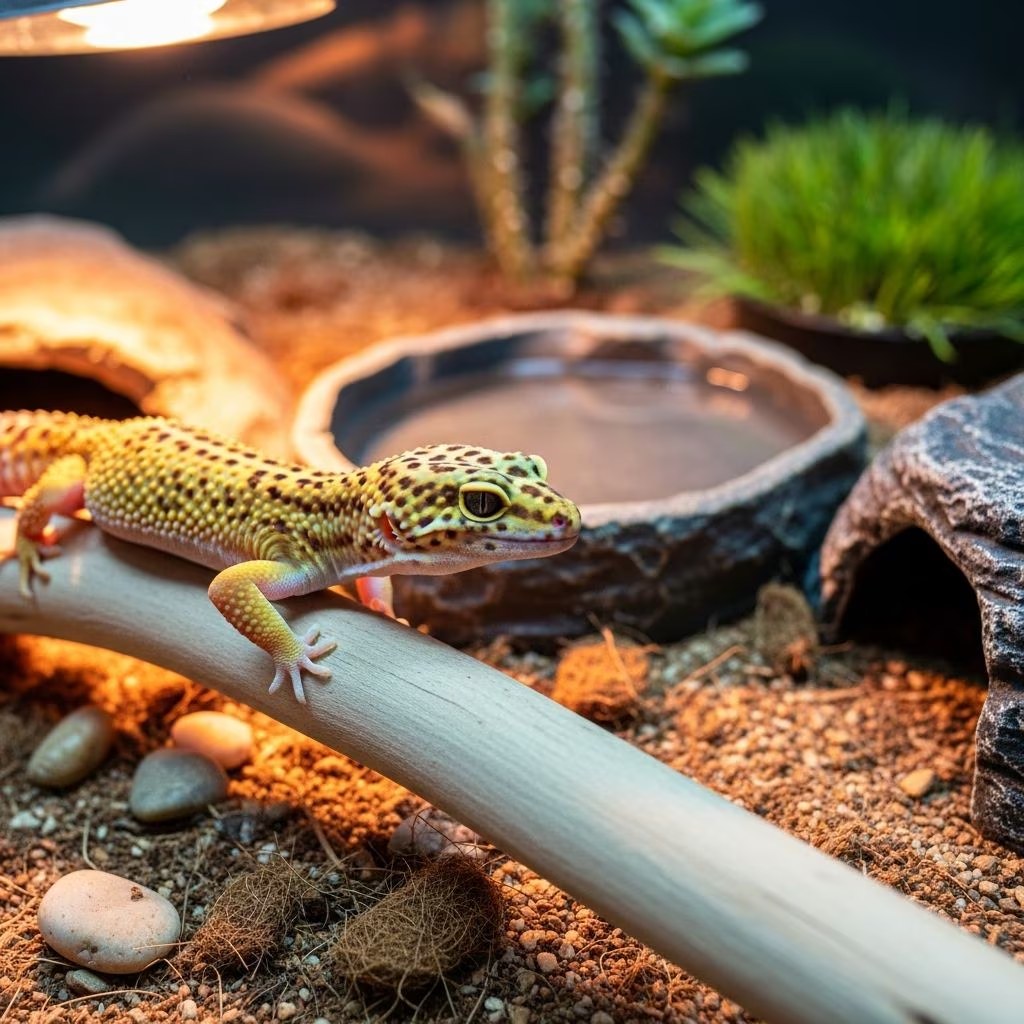
Leopard Gecko Care Sheet: Complete Guide to Keeping Your Pet Healthy and Happy
Leopard geckos are among the most popular pet reptiles for good reason. These docile, manageable lizards make excellent companions for both beginners and experienced reptile enthusiasts. Unlike many other reptile species, leopard geckos have relatively straightforward care requirements, though proper knowledge is essential to ensure they thrive in captivity. This comprehensive care sheet covers everything you need to know to provide your leopard gecko with the best possible care, from initial setup to ongoing maintenance.
Understanding Leopard Geckos
Leopard geckos are small to medium-sized lizards native to the arid regions of Central Asia. These nocturnal creatures have adapted to life in rocky, desert-like environments, which directly influences their care requirements in captivity. They are known for their calm temperament, distinctive spotted pattern, and the ability to shed their tails as a defense mechanism. Understanding their natural habitat and behavior is crucial for creating an appropriate captive environment.
Essential Habitat and Housing Requirements
The foundation of proper leopard gecko care begins with providing an appropriate enclosure. Your gecko’s habitat is more than just a container; it’s their entire world, and getting it right is critical for their health and longevity.
Enclosure Size and Specifications
Leopard geckos should be housed in nothing smaller than a 36 inches long by 18 inches wide by 18 inches high enclosure, or equivalent volume. While this is the minimum, larger enclosures are always preferable and provide more enrichment opportunities. Glass aquariums, plastic terrariums, or specialized reptile enclosures all work well, as long as they provide adequate floor space. Horizontal dimensions are more important than height, since leopard geckos are terrestrial creatures that spend most of their time on the ground rather than climbing.
Ensure your enclosure has a secure, locking lid to prevent escapes. Leopard geckos are surprisingly quick and can slip through small gaps. Proper ventilation is also essential to prevent respiratory issues and maintain appropriate humidity levels.
Substrate Selection
Choosing the right substrate is vital for your gecko’s health and comfort. Avoid using coco fiber alone, as it can be too loose and cause impaction if ingested. Instead, consider these options:
- Premium reptile liners or carpet designed specifically for reptiles provide a safe, clean option for beginners
- Loose substrates like excavator clay or specialized loose reptile substrates can work well when proper feeding practices are followed
- Paper towels offer excellent visibility and ease of cleaning for quarantine or hospital setups
- Aspen shavings are acceptable but lack moisture-retention properties needed for humid hides
The substrate should allow for natural burrowing behavior while minimizing ingestion risks. Spot-clean your gecko’s habitat daily, removing any soiled material and discarded food. A full substrate change should occur every 2-4 weeks to maintain a hygienic habitat.
Environmental Conditions: Temperature, Lighting, and Humidity
Temperature Requirements
Maintaining proper temperature gradients is critical for leopard gecko health. These reptiles are ectothermic, meaning they rely on external heat sources to regulate their body temperature. Your enclosure should have a warm side and a cool side, allowing your gecko to thermoregulate by moving between areas.
The warm side should maintain a temperature of 88-92°F, with a basking spot reaching approximately 90°F. The cool side should be maintained at 75-80°F. Nighttime temperatures can drop to 65-75°F. Use an under-tank heater combined with a thermostat to maintain these temperatures consistently. A reliable thermometer is essential for monitoring temperatures accurately.
Humidity and Hydration
Proper hydration is key to keeping your leopard gecko healthy. The key to maintaining appropriate hydration is providing a shallow dish of clean water at all times and offering a humid hide on the cool half of the enclosure. The humid hide should contain moistened substrate to help maintain appropriate humidity levels. During shedding periods, maintain humidity around 40-50%.
Your gecko should always have access to fresh, clean drinking water. Choose a bowl that is shallow enough to prevent drowning. Change the water whenever it gets soiled and scrub the bowl with an animal-safe disinfectant at least once a week.
Lighting Considerations
While leopard geckos are nocturnal and don’t require intense lighting like diurnal reptiles, appropriate lighting is still beneficial. If you choose to add UVB lighting, it can be beneficial for calcium metabolism and overall health, though it’s not a necessity for all leopard geckos. Most owners simply dust feeders with calcium to ensure proper vitamin D3 levels. A basic day-night cycle using regular lighting helps maintain natural circadian rhythms.
Feeding and Nutrition
Appropriate Diet
A nutritious and well-balanced leopard gecko diet consists of gut-loaded (recently fed) insects. Gut-loading is the process of feeding the insects about 24 hours before feeding them to your gecko, making the insects more nutritious. The best feeder insects include:
- Crickets (staple)
- Mealworms (staple)
- Dubia roaches (staple)
- Superworms (treat)
- Hornworms (treat)
- Calciworms (staple)
- Waxworms (treat)
Insects are categorized as either staple feeders, which can be fed regularly, or treat insects, which should be limited to a few times per month. Do not feed treat feeders to unhealthy leopard geckos.
Feeding Frequency and Portions
Young leopard geckos should be fed daily, while adults can be fed every other day. A common rule of thumb is to feed juveniles (geckos under 1.5 years) daily and provide food every other day for older geckos. However, some sources recommend feeding adult leopard geckos 2-3 times a week.
Only one or two insects should be offered at a time, and you should watch your geckos during feeding sessions to ensure that no insect goes uneaten. Live, uneaten insects can injure a leopard gecko and should not be left in their habitat.
Supplementation
Supplementing the feeder insects with calcium powder is necessary for your gecko’s health. Having a small dish of calcium powder without D3 available is beneficial, as leopard geckos can sense when they are low in calcium and will lick the calcium from the bowl. Multivitamin supplements should also be provided regularly to ensure complete nutrition.
Grooming and Shedding Care
Understanding the Shedding Process
Most leopard geckos shed every four to eight weeks. Unlike snakes, geckos shed skin in pieces and commonly retain unshed skin over their eyes and toes. When this happens, they should be soaked in shallow warm water to increase their hydration and encourage shedding. To aid in shedding, leopard geckos should have access to a humid hide filled with moistened substrate, such as sphagnum moss.
If left in a habitat that’s too dry, leopard geckos are at an increased risk of retaining shed skin around their eyes and toes. Eventually, retained shed skin may cut off blood circulation to the gecko’s toes or cover their eyes, preventing them from seeing the insects they eat.
Assisting with Shedding
You can soak your leopard gecko in a large, shallow container of warm water to help them shed their skin more easily. The water container should be wide enough to allow the lizard to submerge their entire body while keeping their head above water. Leopard geckos cannot swim and need to be supervised closely while soaking.
Leopard geckos will eat their shed skin to regain some of its nutrients. This is completely normal behavior and shouldn’t be prevented. If your gecko is having difficulty shedding, provide a shallow container of lukewarm water to help remove stubborn skin.
Handling During Sensitive Periods
Although leopard geckos are generally tolerant of handling, frequent or improper handling can cause them to become stressed, especially if the lizard is young or shedding. During shedding periods, minimize handling and avoid pulling on loose skin.
Enclosure Decoration and Enrichment
Essential Décor Elements
To keep a leopard gecko happy and healthy, provide these essential decorative elements:
- Multiple hideout boxes (at least two: one on the warm side and one on the cool side)
- Climbing décor to promote natural behavior
- Plants (live or artificial) for enrichment and humidity retention
- Smooth rocks and surfaces for creating varied terrain
- Cork bark or similar natural materials for hiding and exploration
Leopard geckos are curious and enjoy exploring their environment. Providing varied terrain and hiding spots reduces stress and promotes natural behaviors. Ensure all décor items are securely placed to prevent collapse or injury.
Health, Hygiene, and Disease Prevention
Cleaning and Maintenance Protocols
Spot-clean your leopard gecko’s habitat daily, removing any soiled material and discarded food. Water and food bowls must be washed daily. A leopard gecko’s habitat must be disinfected and cleaned thoroughly at least once a week, or more often if more than one gecko lives in the same habitat.
To clean a leopard gecko’s habitat properly:
- Move the leopard gecko to a secure environment
- Remove any old substrate, décor, and accessories from the habitat
- Scrub the empty tank and any furnishings with a reptile habitat cleaner or 3% bleach solution
- Allow the bleach solution to stay on the habitat for at least 10 minutes to ensure proper disinfection
- Rinse thoroughly and allow to dry completely before returning your gecko
Disease Prevention and Health Monitoring
All reptiles are potential carriers of infectious diseases, including Salmonella bacteria, which is zoonotic (transmittable to humans). Always wash your hands before and after handling your leopard gecko or their habitat’s contents.
Regularly inspect your gecko for signs of illness, including weight loss, lethargy, or abnormal behavior. Consult a reptile veterinarian if you notice any concerning symptoms. Maintain records of your gecko’s appearance, behavior, and eating habits to catch health issues early.
Tail Loss and Regeneration
Leopard geckos can shed their tails as a defense mechanism. Since they store so many nutrients in their tail, it is important to increase their food intake while their tail is regrowing. It is also helpful to place the gecko in a ‘hospital’ setup with paper towels as the substrate to help prevent infection. Leopard geckos will eat their dropped tails like they eat their shed skin for nutrient recovery.
Handling and Behavioral Care
Proper Handling Techniques
While it’s technically possible to hold any gecko species, proper handling techniques are essential to minimize stress. Recommended handling practices include:
- Use slow, deliberate movements to avoid startling your gecko
- Scoop from below and support the whole body
- Never grab from above, chase them, or pull them out of a hiding place
- Let the gecko voluntarily climb onto you whenever possible
- Hand-feeding or tong-feeding works great for building positive associations
- If they are shedding, leave them alone and don’t pull on loose skin
Water Interaction
Leopard geckos need regular misting of their enclosure to maintain adequate humidity levels and to allow them to drink water in a way that works best for them. Some leopard geckos may become stressed by being sprayed with water directly. It’s best to focus on misting your leopard gecko’s enclosure to meet their needs rather than spraying the gecko itself.
Essential Supplies Checklist
Before bringing home your leopard gecko, ensure you have these basic supplies on hand:
- Appropriately sized habitat
- Substrate and substrate replacement materials
- Water and food dishes
- Climbing décor and hideout boxes
- Heat light and fixture
- Under-tank heater
- Thermostat for temperature control
- Multivitamin and calcium supplements
- Calcium supplement with and without vitamin D3
- Cricket keeper and food
- Thermometer and humidity gauge
- Sphagnum moss for humid hides
- UV light and fixture (optional)
- Plant mister for humidity
Frequently Asked Questions
Q: What is the minimum tank size for a leopard gecko?
A: Leopard geckos should be housed in nothing smaller than a 36 inches long by 18 inches wide by 18 inches high enclosure, though larger is always better for enrichment and comfort.
Q: How often should I feed my leopard gecko?
A: Young leopard geckos should be fed daily, while adults can be fed every other day or 2-3 times per week, depending on age and individual needs.
Q: Do leopard geckos need UVB lighting?
A: UVB lighting can be beneficial for calcium metabolism and overall health, but it’s not absolutely necessary if you provide proper calcium supplementation through dusting feeders.
Q: What should I do if my gecko has retained shed skin?
A: Soak your gecko in a shallow container of warm water to help them shed their skin more easily. Ensure they have access to a humid hide to prevent future issues.
Q: Can leopard geckos be housed together?
A: Leopard geckos are generally solitary animals and can become territorial. They are typically best housed individually to prevent stress and aggression.
Q: How long do leopard geckos live?
A: With proper care, leopard geckos can live 10-20 years in captivity, making them a long-term commitment for pet owners.
Conclusion
Keeping a healthy and happy leopard gecko requires commitment to proper care standards across all aspects of their lives. From habitat setup and temperature control to feeding schedules and health monitoring, each element plays a crucial role in your gecko’s wellbeing. Remember that patience and consistent care are the keys to keeping a happy and thriving leopard gecko. By following this comprehensive care guide, you’ll be well-equipped to provide your gecko with excellent care and ensure they lead a long, healthy life in captivity.
References
- Leopard Gecko Care Sheet — PetMD. 2024. https://www.petmd.com/reptile/leopard-gecko-care-sheet
- The Ultimate Leopard Gecko Care Guide — Geckopia. 2024. https://thegeckopia.com/blogs/news/leopard-gecko-care-guide-new
- Leopard Gecko Care Guide — HV Reptile Rescue. 2024. https://www.hvreptilerescue.org/resources/care-guides/leopard-gecko-care-guide
- The Ultimate Guide to Leopard Gecko Care — ReptiFiles. 2024. https://reptifiles.com/leopard-gecko-care/
- Leopard Gecko Caresheet 2024 Updated — The Bio Dude. 2024. https://www.thebiodude.com/blogs/gecko-caresheets/leopard-gecko-caresheet-2024-updated



