Leopard Geckos: Complete Care and Feeding Guide
Master leopard gecko care with expert feeding tips, habitat setup, and health guidelines.
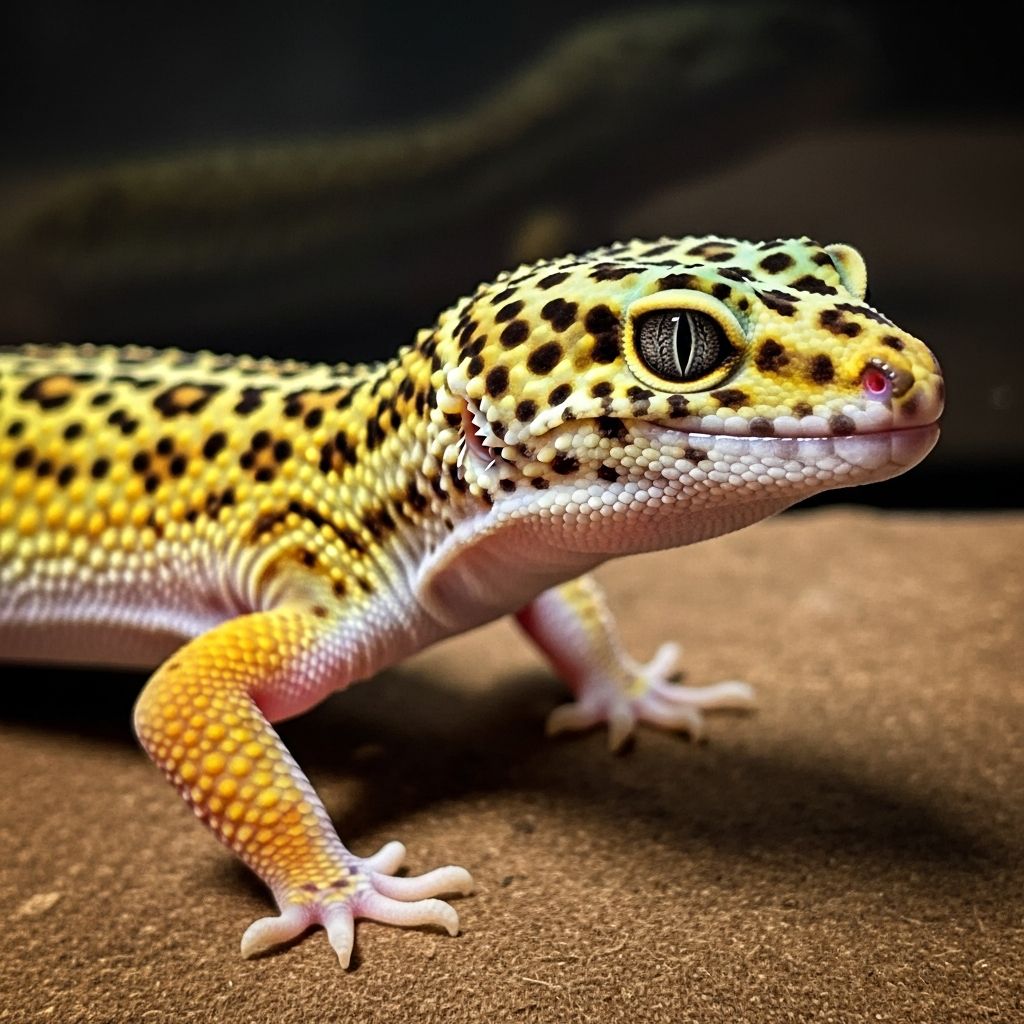
Leopard geckos are among the most popular pet reptiles, prized for their docile temperament and relatively manageable care requirements. However, providing optimal care requires understanding their specific needs in terms of housing, feeding, temperature control, and health maintenance. This comprehensive guide covers everything you need to know to keep your leopard gecko healthy and thriving.
Housing and Habitat Requirements
Creating an appropriate living environment is fundamental to your leopard gecko’s health and wellbeing. The habitat must provide adequate space, proper heating, humidity control, and enrichment opportunities.
Enclosure Size and Setup
Leopard geckos should be housed in nothing smaller than a 36 inches long by 18 inches wide by 18 inches high enclosure, although larger habitats are always preferred. A larger enclosure allows for better temperature gradients, more hiding spots, and greater enrichment opportunities. The enclosure should have a secure, escape-proof lid to prevent your gecko from escaping or being injured.
Substrate Selection
Choosing the right substrate is critical for your gecko’s health. Avoid using coco fiber alone, as it can be too loose and cause impaction if ingested. Premium reptile liners offer a safe, clean option for beginners. If using naturalistic loose substrates, ensure they are appropriate for leopard geckos and monitor your gecko closely to prevent accidental ingestion during feeding or shedding.
Temperature and Heating
Maintaining proper temperatures is essential for your leopard gecko’s metabolism and digestion. The enclosure should have a warm side with a basking spot and a cooler side. An under-tank heater controlled by a thermostat helps maintain consistent temperatures. A heat lamp with appropriate fixtures provides necessary warmth. Always use a thermometer to monitor temperatures and ensure they remain within the appropriate range for your gecko’s species and age.
Humidity Requirements
While leopard geckos are desert-dwelling species, they still require adequate humidity levels. Maintaining humidity around 40-50% during shedding periods helps prevent complications. Providing a moist hide filled with moistened substrate supports healthy shedding and ensures proper hydration. Do not use sphagnum moss inside the humid hide, as it may be accidentally ingested during shedding.
Essential Habitat Supplies
Setting up your leopard gecko’s habitat requires several key supplies:
- Appropriately sized habitat with secure lid
- Substrate appropriate for loose-substrate housing
- Water and food dishes
- Climbing décor and hides
- Plants (live or artificial)
- Heat lamps and fixtures
- Under-tank heater with thermostat
- Multivitamin supplements
- Calcium supplements (with and without vitamin D3)
- Thermometer and humidity gauge
- UV lighting equipment (optional but beneficial)
- Hideout boxes for security
Feeding Your Leopard Gecko
A nutritious, well-balanced diet is crucial for your leopard gecko’s growth, energy, and overall health. Understanding feeding frequency, appropriate insects, and supplementation ensures your gecko receives optimal nutrition.
Appropriate Food Items
Leopard geckos are insectivores and thrive on a diet of live, appropriately-sized insects. Suitable food items include:
- Crickets (staple feeder)
- Mealworms (staple feeder)
- Dubia roaches (staple feeder)
- Superworms (staple feeder)
- Hornworms (nutritious option)
- Calciworms (calcium-rich)
- Waxworms (treat – limited frequency)
Staple feeders can be offered regularly, while treat insects should be limited to a few times per month. Do not feed treat feeders to unhealthy leopard geckos, as they require more robust immune systems to handle these richer foods.
Feeding Frequency
Feeding frequency depends on your gecko’s age and development stage:
- Young leopard geckos (juveniles): Feed daily
- Adult leopard geckos: Feed 2-3 times per week
Young geckos have higher metabolic rates and growth requirements, necessitating daily feeding. As geckos mature, they can be transitioned to every-other-day or 2-3 times weekly feeding schedules. Adjust feeding based on your individual gecko’s body condition and appetite.
Feeding Techniques and Monitoring
Offer only one or two insects at a time, and supervise your gecko during feeding sessions. Live, uneaten insects can injure your gecko and should not be left in the habitat unattended. This prevents accidental injuries and allows you to monitor your gecko’s feeding response and appetite patterns.
Gut-Loading and Supplementation
Gut-loading is the process of feeding insects nutritious food 24 hours before offering them to your gecko, making them more nutritious for your pet. This practice significantly enhances the nutritional value of feeder insects.
Calcium supplementation is essential for preventing metabolic bone disease and supporting proper skeletal development. Dust feeder insects with calcium powder before offering them to your gecko. A calcium powder without vitamin D3 should be available in a small dish at all times, allowing your gecko to self-regulate calcium intake by licking from the bowl. If you provide UVB lighting, ensure the calcium dish never contains vitamin D3 to avoid overdosing.
Water and Hydration
Provide fresh, clean drinking water at all times in a shallow dish that prevents drowning. Change the water whenever it becomes soiled, and scrub the bowl with reptile-safe disinfectant at least weekly. Some leopard geckos prefer to drink water droplets from their enclosure, so misting the enclosure walls periodically provides an alternative hydration method that many geckos appreciate.
Lighting Considerations
While UVB lighting is not strictly necessary for all leopard geckos, it provides benefits for calcium metabolism and overall health. Many owners successfully maintain healthy geckos by dusting feeders with calcium and ensuring proper nutrition. If you choose to provide UVB lighting, use appropriate fixtures and follow manufacturer guidelines for duration and intensity. The decision to include UVB lighting should be made based on your individual setup and veterinary recommendations.
Grooming and Shedding Care
Understanding your leopard gecko’s shedding cycle and providing appropriate care during this process prevents complications and supports healthy skin renewal.
Normal Shedding Cycles
Most leopard geckos shed every four to eight weeks. Unlike snakes that shed their skin in one complete piece, geckos shed in fragments over time. This natural process is completely normal and healthy. Provide a humid hide filled with moistened substrate to facilitate easy shedding and prevent complications from retained shed skin.
Preventing Retained Shed Skin
If kept in a habitat that is too dry, leopard geckos are at increased risk of retaining shed skin around their eyes and toes. Over time, retained shed may cut off blood circulation to the gecko’s toes or cover their eyes, preventing normal vision and feeding. This serious complication can be prevented through proper humidity management and provision of a moist hide.
Assisting with Difficult Sheds
If your gecko is having difficulty shedding stubborn skin, you can provide a shallow container of lukewarm water to help remove retained skin. Soak your leopard gecko in a large, shallow container of warm water wide enough to allow the lizard to submerge their entire body while keeping their head above water. Leopard geckos cannot swim and must be supervised closely during soaking to prevent stress or injury. Most leopard geckos will eat their shed skin to regain some of its nutrients, which is completely normal behavior.
Handling and Behavioral Considerations
While leopard geckos are generally tolerant of handling, proper techniques minimize stress and build positive associations with their caregivers.
Proper Handling Techniques
Use the following techniques when handling your leopard gecko:
- Use slow, deliberate movements
- Scoop from below and support the whole body
- Never grab from above, chase them, or pull them from hiding places
- Let the gecko voluntarily climb onto you whenever possible
- Try hand-feeding or tong-feeding to build positive associations
- If shedding, leave them alone and don’t pull on loose skin
Handling Frequency and Stress
Although leopard geckos are generally tolerant of handling, frequent or improper handling can cause stress, especially if the lizard is young or shedding. Younger geckos may be more skittish and require a longer adjustment period. During shedding, avoid unnecessary handling as the process requires energy and concentration. Establish a regular, gentle handling routine that your gecko can anticipate and tolerate.
Water Spraying and Environmental Misting
Leopard geckos need regular misting of their enclosure to maintain adequate humidity levels and allow them to drink water in their preferred manner. However, some leopard geckos may become stressed by being sprayed directly. Focus your misting efforts on the enclosure decor, walls, and substrate rather than spraying your gecko directly. This maintains humidity while respecting your gecko’s comfort preferences.
Cleaning and Maintenance
Regular habitat cleaning prevents disease, maintains water quality, and supports your gecko’s overall health and longevity.
Daily Spot-Cleaning
Spot-clean your leopard gecko’s habitat daily by removing soiled material and discarded food. Water and food bowls must be washed and refilled daily to prevent bacterial growth and ensure fresh water availability. Remove any uneaten insects to prevent them from injuring your gecko during the night.
Weekly Deep Cleaning
A leopard gecko’s habitat must be disinfected and cleaned thoroughly at least once a week, or more often if multiple geckos share the same habitat. To clean your gecko’s habitat:
- Move the leopard gecko to a secure environment away from the cleaning area
- Remove any old substrate, décor, and accessories from the habitat
- Scrub the empty tank and furnishings with a reptile habitat cleaner or 3% bleach solution
- Allow the bleach solution to remain on surfaces for at least 10 minutes to ensure proper disinfection
- If using commercial habitat cleaner, follow manufacturer’s instructions carefully
- Rinse thoroughly to remove all cleaning solution residue
- Allow surfaces to dry completely before returning gecko and décor
- Replace substrate and refill water and food dishes before returning your gecko
Health and Disease Prevention
Maintaining good husbandry practices prevents many common health issues in captive leopard geckos. Regular health monitoring and veterinary care ensure early detection and treatment of problems.
Zoonotic Disease Considerations
All reptiles are potential carriers of infectious diseases, including Salmonella bacteria, which is zoonotic (transmittable to humans). Always wash your hands before and after handling your leopard gecko or their habitat’s contents. Educate family members about proper hygiene protocols, especially if young children are present in the household.
Health Monitoring
Regularly inspect your gecko for signs of illness, including:
- Weight loss or unexplained thinness
- Lethargy or decreased activity
- Abnormal behavior or feeding refusal
- Retained shed skin around eyes or toes
- Discharge from eyes, nose, or mouth
- Limping or mobility issues
Consult a reptile veterinarian if you notice any concerning symptoms. Early intervention can prevent serious complications and ensure your gecko receives appropriate treatment.
Tail Loss and Recovery
Leopard geckos store significant nutrients in their tails and can detach them when threatened as a defense mechanism. If your gecko loses its tail, increase their food intake to support tail regrowth. Placing the gecko in a hospital setup with paper towels as substrate helps prevent infection during recovery. Interestingly, leopard geckos will eat their dropped tails like they eat their shed skin for nutrient recovery, demonstrating their remarkable adaptation to resource preservation.
Enrichment and Environmental Stimulation
Leopard geckos are curious animals that enjoy exploring their environment. Provide climbing décor, varied hides, and occasionally rearranged decorations to maintain mental stimulation and encourage natural behaviors. Rotating décor maintains novelty without requiring new supplies. Different hide types and locations encourage exploration and allow your gecko to express natural behaviors.
Frequently Asked Questions
Q: Can leopard geckos be housed together?
A: Leopard geckos are generally solitary animals and should be housed individually to prevent aggression, stress, and injury. Group housing typically results in negative outcomes and is not recommended.
Q: How long do leopard geckos live?
A: With proper care, leopard geckos typically live 10-20 years in captivity, with some individuals living even longer. This long lifespan requires a significant commitment to consistent, quality care.
Q: Do leopard geckos need UVB lighting?
A: While not strictly necessary for all leopard geckos, UVB lighting provides benefits for calcium metabolism and overall health. Many owners maintain healthy geckos through proper dietary supplementation alone, but UVB lighting is a beneficial addition if your setup allows for it.
Q: What should I do if my gecko won’t eat?
A: Loss of appetite can indicate stress, illness, improper temperatures, or feeding issues. Ensure temperatures are correct, verify the feeder insects are appropriately sized and fresh, and consult a reptile veterinarian if appetite loss persists.
Q: How can I tell if my gecko is healthy?
A: Healthy leopard geckos are active, alert, have clear eyes, maintain good body weight with visible but not prominent ribs, and eat regularly. They should move smoothly and show normal shedding cycles without retained skin.
Conclusion
Leopard geckos make rewarding pets when provided with proper care, consistent feeding schedules, appropriate housing, and regular health monitoring. By implementing the guidelines in this comprehensive care guide—from habitat setup and temperature control to feeding protocols and shedding support—you’ll establish a strong foundation for your gecko’s health and longevity. Remember that patience and consistent care are the keys to keeping a happy and thriving leopard gecko that brings enjoyment for many years to come.
References
- Leopard Gecko Care Sheet — PetMD. 2024. https://www.petmd.com/reptile/leopard-gecko-care-sheet
- The Ultimate Leopard Gecko Care Guide — Geckopia. 2024. https://thegeckopia.com/blogs/news/leopard-gecko-care-guide-new
- Leopard Gecko Care Guide — HV Reptile Rescue. 2024. https://www.hvreptilerescue.org/resources/care-guides/leopard-gecko-care-guide
- The Ultimate Guide to Leopard Gecko Care — ReptiFiles. 2024. https://reptifiles.com/leopard-gecko-care/
- Leopard Gecko Caresheet – 2024 Updated — The Bio Dude. 2024. https://www.thebiodude.com/blogs/gecko-caresheets/leopard-gecko-caresheet-2024-updated
Similar Articles







Read full bio of medha deb